The Ethics of Indigenous Tourism: How Social Media and Modern Travel are Redefining Cultural Exchange

In an era defined by hyper-connectivity, ubiquitous smartphones, and the relentless pursuit of online engagement, the intersection of tourism and Indigenous communities has entered a complex and contentious frontier. While global travel has never been more accessible, the mechanisms by which travelers document, consume, and share foreign cultures are increasingly drawing scrutiny from anthropologists, ethicists, and community leaders alike. At the heart of this debate is a fundamental question: Where is the line between meaningful cultural exchange and the commodification of human beings for digital entertainment?
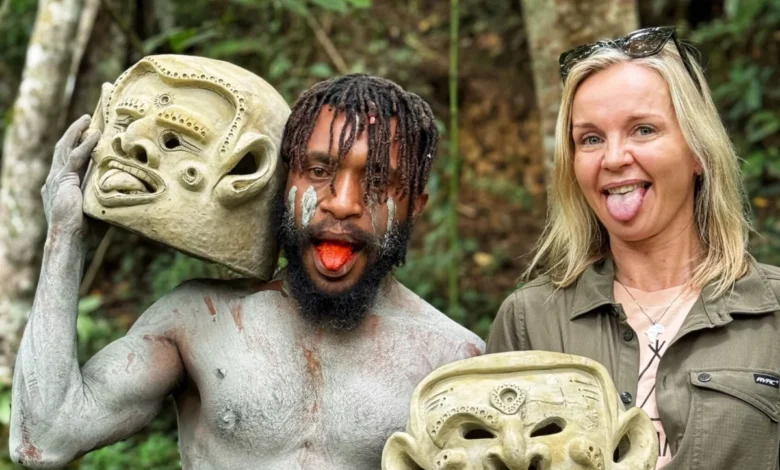
This tension was brought into sharp focus by Anniina Sandberg, a cultural anthropologist and the founder of Visit Natives, following a routine digital sharing of her experiences with the Hadzabe hunter-gatherer community in Tanzania. Rather than prompting dialogue or fostering cross-cultural understanding, some of the reactions to her online posts revealed a troubling trend: observers frequently reduced an ancient, complex society to a spectacle, viewing Indigenous lifestyles through an exoticized lens meant solely for digital amusement.
The Evolution and Mission of Visit Natives
To understand the stakes of modern cultural tourism, one must examine the trajectory of community-led initiatives designed to counter exploitative practices. Founded over two decades ago, Visit Natives emerged as a direct response to the commercialization and packaging of Indigenous cultures for mass-market consumption. Sandberg’s career as a cultural anthropologist spans more than twenty years of fieldwork and collaboration with diverse groups across the globe, including the Maasai and Hadzabe of Tanzania, Sápmi families in the Nordic regions of Norway, Berber communities in the Atlas Mountains of Morocco, and Indigenous populations in the rugged highlands of Papua New Guinea.
The organization’s foundational ethos challenges the conventional paradigms of the tourism industry, which historically prioritized environmental sustainability and basic labor standards while largely ignoring the psychological, cultural, and social impacts of digital media. Sandberg notes that while travelers are increasingly mindful of their carbon footprints, the digital footprint they leave behind—often consisting of out-of-context imagery and sensationalized narratives—remains largely unregulated and unexamined.

The Rise of Digital Exoticization and Content Creation
The proliferation of social media platforms built on short-form video and rapid algorithmic distribution has fundamentally altered how travel is consumed. Content creators, incentivized by metrics such as clicks, views, and algorithmic visibility, face structural pressures to produce sensationalist material that instantly captivates global audiences.
According to Sandberg, this economic incentive structure frequently encourages the exoticization of Indigenous peoples. Complex historical contexts, socio-economic challenges, and rich traditions are routinely flattened into simplified, digestible tropes designed to entertain rather than educate.
Anthropologists and sociologists point out that this digital voyeurism carries profound psychological and social risks for vulnerable communities. When traditional ways of life are framed as theatrical performances for foreign visitors rather than living, dynamic cultures, it reinforces historical stereotypes and power imbalances. Furthermore, it creates economic dependencies that may distort a community’s internal social structures, pushing them to cater to the expectations of visiting content creators to secure vital financial support.
Rethinking Itineraries: Tourism Versus Authentic Exchange
A central critique raised by Sandberg involves the structural mechanics of modern travel. Standardized tourism often relies on efficiency, convenience, and time-bound itineraries. Travelers arrive, observe, document, and depart, often interacting with Indigenous cultures strictly within designated windows that bear little resemblance to the community’s natural daily rhythm.
In contrast, Visit Natives advocates for a model that mirrors hospitality in its truest sense: inviting a guest into one’s home. By eliminating rigid itineraries and multi-day structured schedules, travelers transition from passive spectators to active participants in daily life. This entails sharing meals, engaging in unscripted conversations, and participating in routine domestic and communal responsibilities.

This immersive approach aligns with broader shifts in ethical travel theory, which emphasizes reciprocity over extraction. Rather than consuming a culture as a service, travelers engage in mutual learning, creating interpersonal bonds that endure long after the journey concludes.
The Complexities of Consent in the Digital Age
One of the most pressing challenges in contemporary Indigenous tourism is the ethical dimension of photography and digital dissemination. While the basic etiquette of asking permission before taking a photograph has gained traction among conscientious travelers, the reality of informed consent in marginalized communities is remarkably intricate.
In many remote regions, community members may possess a limited understanding of global digital networks, the permanence of cloud storage, or the immense reach of social media algorithms. A verbal agreement to be photographed by a tourist does not automatically equate to an informed understanding that the image may be viewed by hundreds of thousands of internet users worldwide, potentially stripped of its original context.
Sandberg emphasizes that true informed consent requires comprehensive transparency, fair financial compensation, and deep mutual understanding. It requires establishing frameworks where Indigenous individuals retain absolute agency over how their likeness, rituals, and environments are represented in the public sphere. Without such safeguards, the digital age risks perpetuating historical patterns of exploitation under the guise of modern connectivity.
Industry Responsibility and the Need for Codes of Conduct
While individual accountability among travelers remains vital, experts argue that the burden of ethical stewardship cannot rest solely on the tourist. The broader tourism industry—including international agencies, local tour operators, and digital media platforms—bears a collective responsibility to establish and enforce robust ethical standards.

Many Indigenous communities grapple with systemic economic pressures, threats to land rights, and the ongoing struggle to preserve their cultural heritage in a rapidly globalizing world. These vulnerabilities can occasionally leave them with little choice but to participate in tourism frameworks that do not serve their long-term interests.
To address this, industry advocates are calling for universal codes of conduct for travel operators working with Indigenous populations. These guidelines would mandate that tour providers thoroughly educate travelers on cultural sensitivity, establish clear protocols for media creation, and ensure that a significant portion of tourism revenues directly supports community-determined development and preservation projects.
Broader Implications for Global Travel
As international travel continues to rebound and expand into previously remote regions, the debate over ethical Indigenous tourism offers critical lessons for the future of global mobility. The core issue is not whether travelers should visit Indigenous communities or share their journeys online, but rather the ethical foundation upon which those interactions are built.
When grounded in mutual respect, dignity, and reciprocity, cross-cultural tourism can serve as a powerful vehicle for preserving endangered traditions and fostering genuine human empathy. Conversely, unchecked commercialization and digital sensationalism threaten to erode the very cultures that travelers journey so far to experience.
Ultimately, Sandberg’s work suggests that the most valuable elements of travel cannot be packaged, monetized, or algorithmically optimized. They are found in the quiet, unscripted moments of shared humanity—eating together, sleeping under the same roof, and recognizing the rich mosaic of human perspectives that define our shared world.