Finding Your Ideal Indian Itinerary: A Comprehensive Guide to Subcontinental Travel Based on Personal Travel Styles


With a population exceeding 1.4 billion people and a recorded history stretching back several millennia, the Republic of India presents one of the most complex, culturally dense, and geographically diverse travel landscapes on the planet. For international visitors, planning an itinerary across a nation that spans snow-capped Himalayan peaks, dense tropical jungles, arid deserts, and humid coastal backwaters can prove exceptionally challenging. Even travellers who allocate months to a single journey find it mathematically impossible to comprehensively cover every region of the South Asian subcontinent in one go.
To demystify the planning process, travel operators and destination specialists increasingly advocate for a style-based approach to itinerary design. By categorizing journeys according to individual travel philosophies—ranging from first-time apprehensions to deep cultural immersions, culinary expeditions, and high-altitude trekking—visitors can better filter the overwhelming choices. Saurabh Joshi, an India destination expert with global small-group adventure operator Intrepid Travel, notes that the key to unlocking a successful subcontinental journey lies in matching personal motivations to the correct regional micro-climate and cultural ecosystem.
Tailoring the Journey: Navigating India by Travel Style

First-Time Visitors: Balancing Iconic Landmarks with Manageable Paces
For travellers embarking on their maiden voyage to India, the psychological barrier of navigating a vastly different cultural environment can occasionally induce anxiety. Industry data indicates that first-time visitors overwhelmingly gravitate toward the northern tourist corridors to witness globally recognized architectural masterpieces.
The traditional starting point remains the Golden Triangle, a classic tourism route linking the national capital of New Delhi, the historic city of Agra, and the pink-hued capital of Rajasthan, Jaipur. This route offers a condensed introduction to Mughal architecture and Rajput heritage, highlighted by monuments such as the Taj Mahal and Jaipur’s Hawa Mahal. However, seasoned destination experts increasingly recommend supplementing these metropolitan hubs with rural excursions. Joshi emphasizes that approximately 65 percent of India’s total population resides in rural areas, making smaller settlements like Lotwara village vital for understanding authentic everyday life away from urban congestion.
Conversely, travellers seeking a more subdued introduction to the subcontinent frequently find success by heading south. Southern India—spanning the states of Tamil Nadu and Kerala—offers a slower-paced alternative characterized by coastal fishing villages, ancient spice plantations, Nilgiri tea estates, and Dravidian temple architecture found in cities like Madurai and Mamallapuram. This region allows novices to absorb Indian culture at a measured, manageable tempo without sacrificing historical depth.

Cultural Enthusiasts: Immersive History and Living Traditions
For those whose primary motivation is cultural anthropology and historical continuity, India functions as a living museum where ancient rituals are practiced daily rather than preserved behind glass barriers.
Varanasi, situated on the banks of the Ganges River, stands out as one of the oldest continuously inhabited cities in the world. Representing the epicenter of Hindu spirituality, the city is internationally renowned for its riverside stone ghats, the evening Ganga Aarti fire ceremonies at Dashashwamedh Ghat, and its proximity to Sarnath, where Gautama Buddha delivered his first sermon.
Further north in Punjab, the city of Amritsar serves as the spiritual heartland of Sikhism. The city is anchored by Harmandir Sahib, commonly known as the Golden Temple, which floats within the sacred pool of Amrit Sarovar. A cornerstone of the visitor experience here is participation in the daily langar, or community kitchen. Operating continuously, volunteer-run kitchens at the Golden Temple serve hundreds of thousands of free vegetarian meals daily to individuals of all socioeconomic backgrounds, sitting side by side on the floor. Sociologists cite these community kitchens as powerful structural demonstrations of egalitarianism, communal harmony, and the Sikh doctrine of seva (selfless service).
Wellness Seekers: Tracing the Roots of Yoga and Mindfulness
As the historical birthplace of yoga, meditation, and Ayurveda, India draws thousands of wellness tourists annually seeking psychological grounding and physical balance.
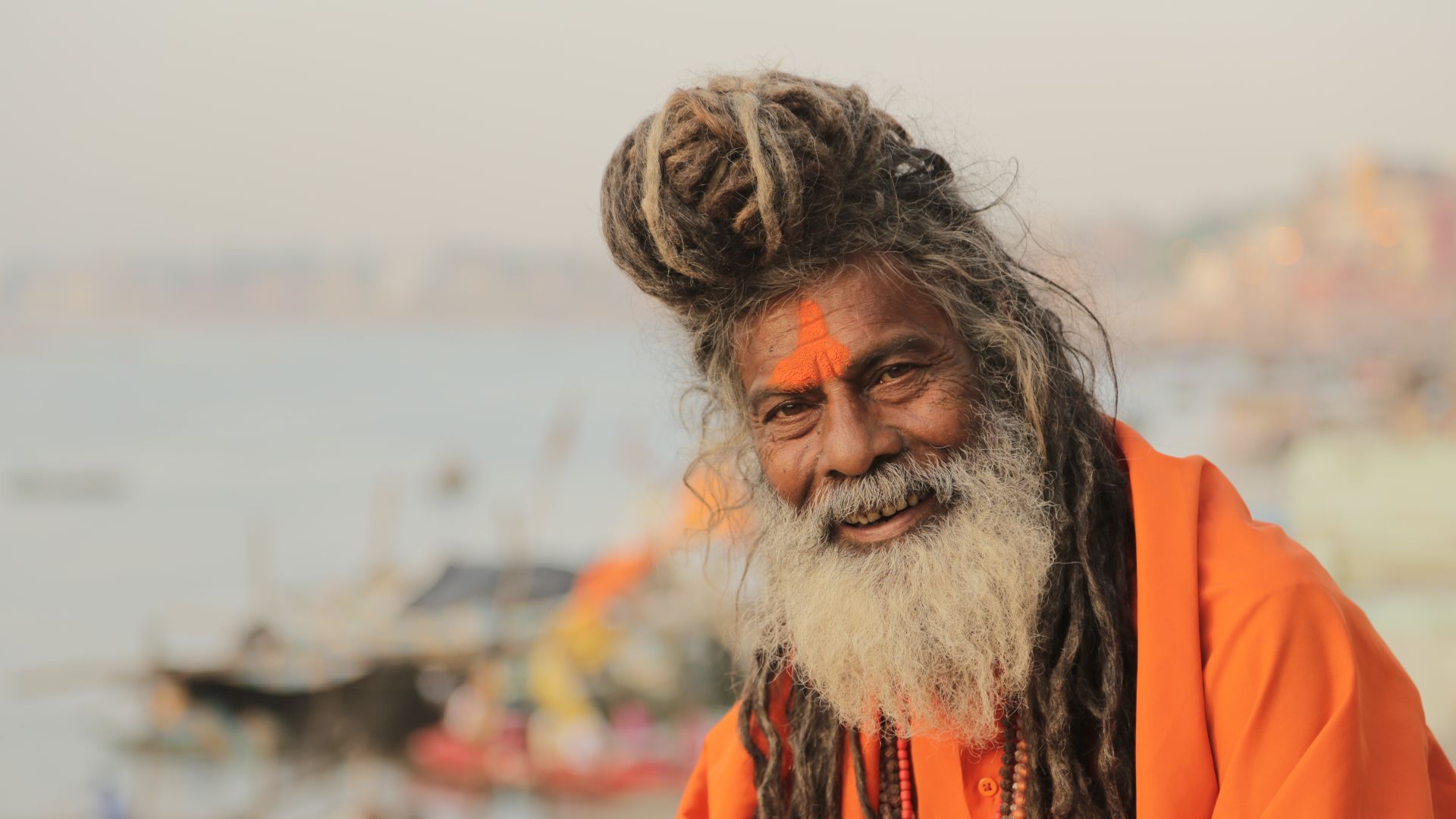
Rishikesh, nestled in the Himalayan foothills along the Ganges River, gained global renown in the late 1960s as a hub for spiritual study following a high-profile residency by the band The Beatles at the Chaurasi Kutiya Ashram. Today, the town remains a premier destination for formal yoga teacher training, meditation retreats, and evening riverbank rituals.
Further north in the mountainous terrain of Himachal Pradesh lies Dharamshala, specifically the suburb of McLeod Ganj. Functioning as the headquarters of the Central Tibetan Administration and the residence of the 14th Dalai Lama, the town offers an immersion into Tibetan Buddhist culture. Visitors can study traditional arts at the Norbulingka Institute or seek contemplative solitude at the Tsuglagkhang Complex, surrounded by Himalayan peaks and fluttering prayer flags.

Gastronomic Travellers: A Sensory Exploration of Regional Cuisines
Indian culinary arts extend far beyond the standardized curries commonly exported to Western nations, offering a deeply regionalized tapestry of flavors shaped by centuries of trade, religion, and geography.
Delhi is widely recognized by culinary historians as a premier global street-food destination, offering everything from Mughlai meat curries and flaky parathas to deep-fried chaat snacks and spice markets in Khari Baoli, one of Asia’s largest wholesale spice bazaars.
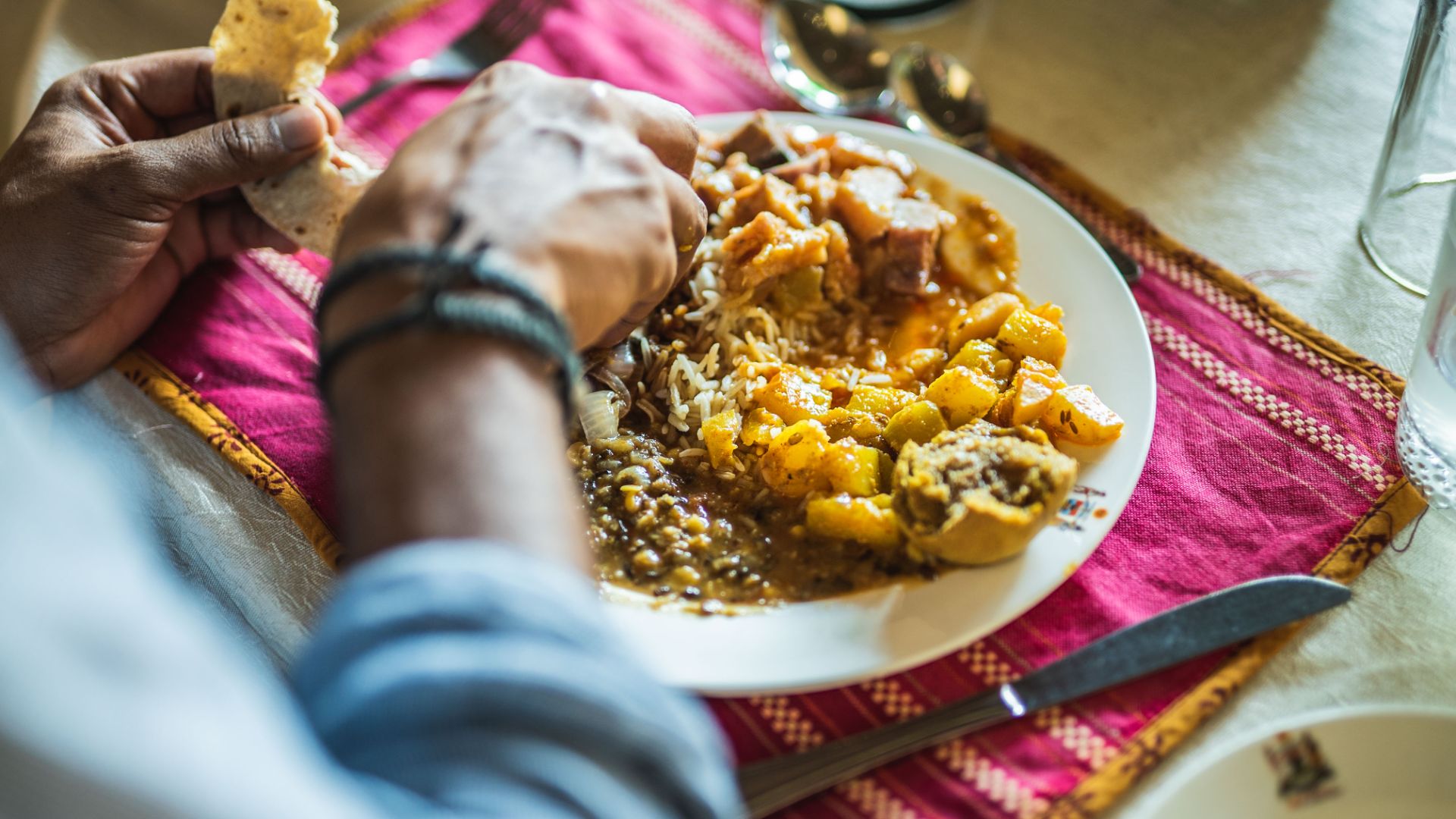
In contrast, Mumbai’s coastal positioning and status as a migration melting pot have fostered a unique culinary hybrid of traditional street foods and modern fusion. Staples such as vada pav (spiced potato fritters in a bun), pav bhaji, coastal seafood curries, and Parsi-influenced Irani cafes reflect the city’s cosmopolitan identity. Culinary experts note that the most authentic gastronomic insights are frequently discovered not in formal establishments, but through guided neighbourhood walks and home-cooked meals hosted by local families.
Heritage Hounds: Exploring Architectural Marvels in Active Use
India’s archaeological and architectural portfolio spans millennia, characterized largely by heritage sites that remain actively integrated into contemporary civic and religious life.
In Karnataka, the UNESCO World Heritage site of Hampi serves as an open-air archaeological museum. Once the imperial capital of the 15th-century Vijayanagara Empire, the boulder-strewn landscape along the Tungabhadra River features intricate stone chariot pavilions and active temple complexes with a relaxed, backpacker-friendly atmosphere.
In Rajasthan, Udaipur and Jaipur offer contrasting studies in royal Rajput architecture. Udaipur, often styled as the "Venice of the East," presents an aesthetic of white marble palaces reflected in the artificial lakes of Pichola and Fateh Sagar, complemented by active traditional crafts markets specializing in miniature painting and silverwork. Jaipur, founded in 1727 by Maharaja Jai Singh II, maintains its distinct urban planning within pink-plastered walls, housing architectural observatories like Jantar Mantar and the hilltop Amber Fort.

Slow Travellers and Nature Enthusiasts: National Parks and Coastal Retreats
Given the ecological pressures of rapid urbanization, India’s extensive network of national parks, wildlife sanctuaries, and protected coastal zones provides crucial refuges for both biodiversity and travellers seeking psychological respite.
Goa, situated on the southwestern Konkan coast, offers a distinct Mediterranean-influenced ambiance shaped by centuries of Portuguese colonial rule. Beyond its sandy beaches, the state features spice plantations and UNESCO-recognized Baroque architecture.
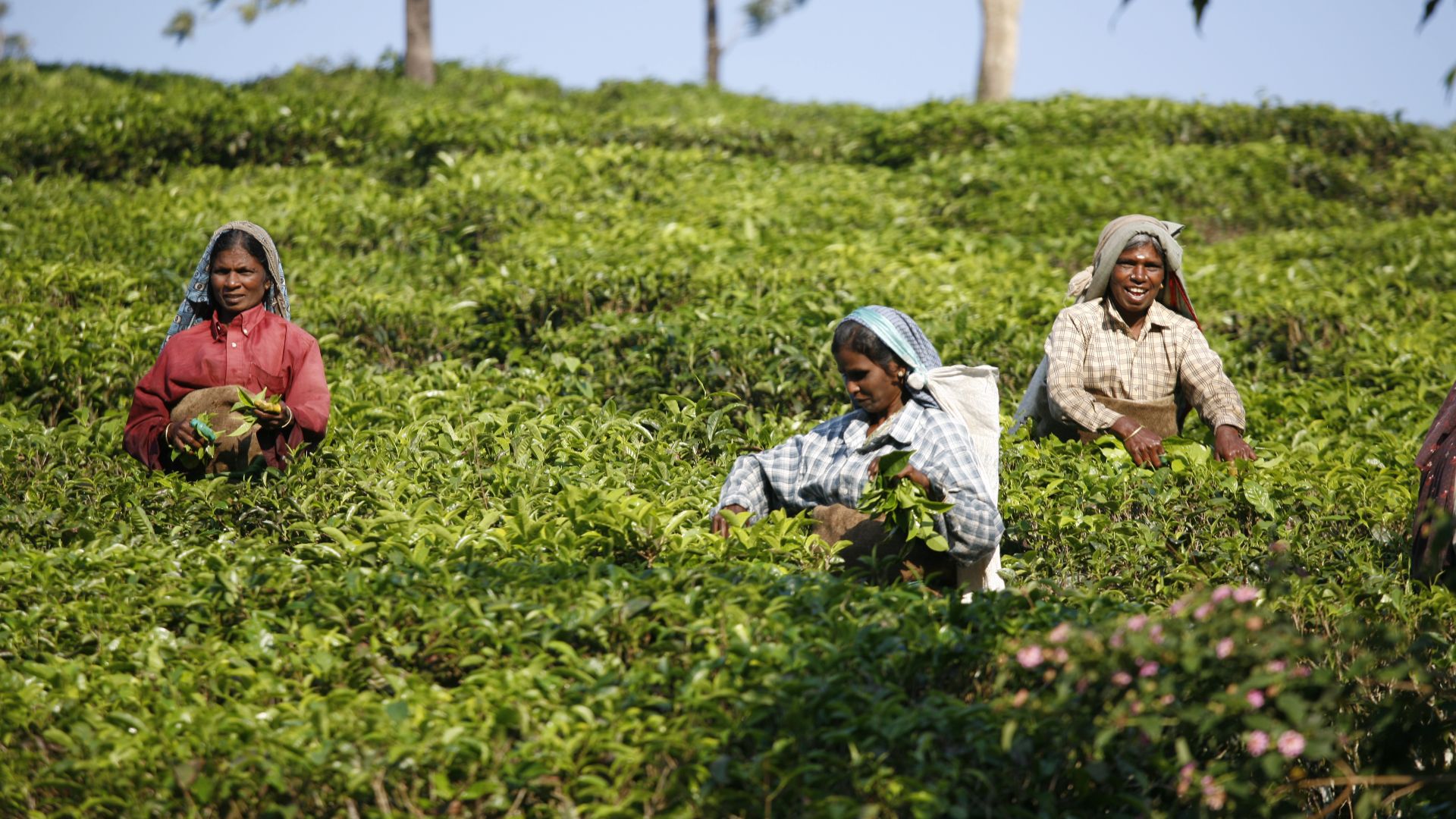
For mountain-based tranquility, Munnar in Kerala’s Western Ghats sits 1,500 meters above sea level, blanketed by geometric tea plantations and misty cloud forests. Wildlife enthusiasts, meanwhile, can access premier conservation zones such as Ranthambore National Park in Rajasthan—historically a royal hunting ground, now a protected tiger reserve—and Kaziranga National Park in Assam, which safeguards the world’s largest population of endangered greater one-horned rhinoceroses along the Brahmaputra River floodplain.
High-Altitude Adventurers: Trekking the Himalayan Frontier
For travellers seeking physical endurance and remote wilderness, the northern extreme of the country provides world-class alpine terrain.
Ladakh, a high-altitude desert region bordering Tibet, offers challenging trekking routes such as the Markha Valley trail. Supported camping expeditions through remote mountain passes, ancient Tibetan Buddhist monasteries, and high-altitude glacial landscapes cater to seasoned hikers and mountaineers looking to venture far beyond India’s classic tourist corridors.
Broader Implications and Economic Impact

The strategic diversification of Indian tourism toward regional specialties—such as rural homestays, community-based culinary tourism, and eco-certified wildlife safaris—aligns with broader national economic development goals. By dispersing international visitor spending away from overcrowded metropolitan cores and into rural, southern, and Himalayan communities, the regional tourism sector aims to generate sustainable employment while preserving fragile ecosystems and intangible cultural heritage. Industry analysts suggest that this trend toward experiential, slow-paced travel will continue to define the evolution of South Asian tourism through the decade.