From Page to Passport: How Literary Tourism and BookTok Are Reshaping Global Travel Trends


The intersection of literature and tourism has undergone a profound transformation in the digital age, shifting from traditional pilgrimages to dynamic, community-driven travel itineraries. While literary tourism is historically rooted in localized events—such as the annual Bloomsday celebrations in Dublin, where enthusiasts recreate the June 16 wanderings of Leopold Bloom from James Joyce’s modernist masterpiece Ulysses—the phenomenon has scaled globally. Today, contemporary readers are increasingly turning bookshelf favorites into concrete travel plans, a trend frequently referred to in the travel and publishing sectors as the "book-cation."
This evolution is largely accelerated by the rise of "BookTok," a specialized, highly influential subcommunity on the video-sharing platform TikTok. Within this ecosystem, creators share reviews, emotional reactions, and aesthetic summaries of both contemporary releases and classic novels. The economic and cultural impact of these digital endorsements is substantial. A single viral video can propel a decades-old backlist title onto international bestseller lists overnight, while simultaneously establishing the novel’s setting as a primary destination on the travel wish lists of younger demographics. Industry analysts note that this trend bridges the gap between passive consumption and active exploration, motivating travelers to seek out tangible connections with the fictional worlds that captivate them.
To understand the scope of this phenomenon, tourism boards and publishing houses have begun tracking how specific literary genres influence travel behavior. From contemporary beach reads to Pulitzer Prize-winning non-fiction, seven distinct literary works currently dictate emerging travel corridors across Europe, Asia, and the Pacific.
Contemporary Romance and the Cinematic Landscape
The commercial success of contemporary romance novels on social media has directly influenced modern tourism corridors, particularly through screen adaptations that bring page settings to life. Emily Henry’s 2021 novel People We Meet On Vacation serves as a prime example of this crossover. The narrative follows Poppy, a travel writer tasked with documenting destinations annually, alongside her long-term friend and romantic foil, Alex. The protagonists’ journeys across various cities have provided a blueprint for real-world itineraries.

Tour operators specializing in southeastern Europe have reported increased interest in coastal Croatia, specifically the historic port cities of Split and Dubrovnik. These locations mirror the picturesque backdrops featured in modern romantic narratives. Similarly, North American itineraries connecting Las Vegas and Los Angeles have seen steady engagement from travelers looking to replicate fictional road trips, signaling a shift toward experiential, narrative-driven domestic and international travel.
Tragedy, Academic Heritage, and the British Isles
Classic and contemporary tragedies set against the backdrop of historic academic institutions continue to draw travelers seeking atmospheric environments. David Nicholls’s novel One Day begins against the gothic architecture of the University of Edinburgh on graduation day, a setting that has resonated deeply with readers navigating themes of timing, nostalgia, and personal growth.
The enduring appeal of British university towns and capitals has prompted travel agencies to curate specialized itineraries that capture this literary heritage. Travelers frequently combine academic excursions to the University of Oxford—a historic literary muse for authors such as Philip Pullman and Thomas Hardy—with journeys north to Edinburgh. In the Scottish capital, visitors regularly replicate the physical ascent of Arthur’s Seat, the prominent geographic landmark that features centrally in the emotional arc of Nicholls’s narrative.
Mediterranean Realism and Modern Classics
The global appetite for literary realism has likewise elevated regional settings to international prominence. Elena Ferrante’s Neapolitan novels, culminating in My Brilliant Friend—which secured the top spot on The New York Times’ 21st-century bestbooks list—have drawn thousands of travelers to the streets of Naples and the surrounding Campanian coast.
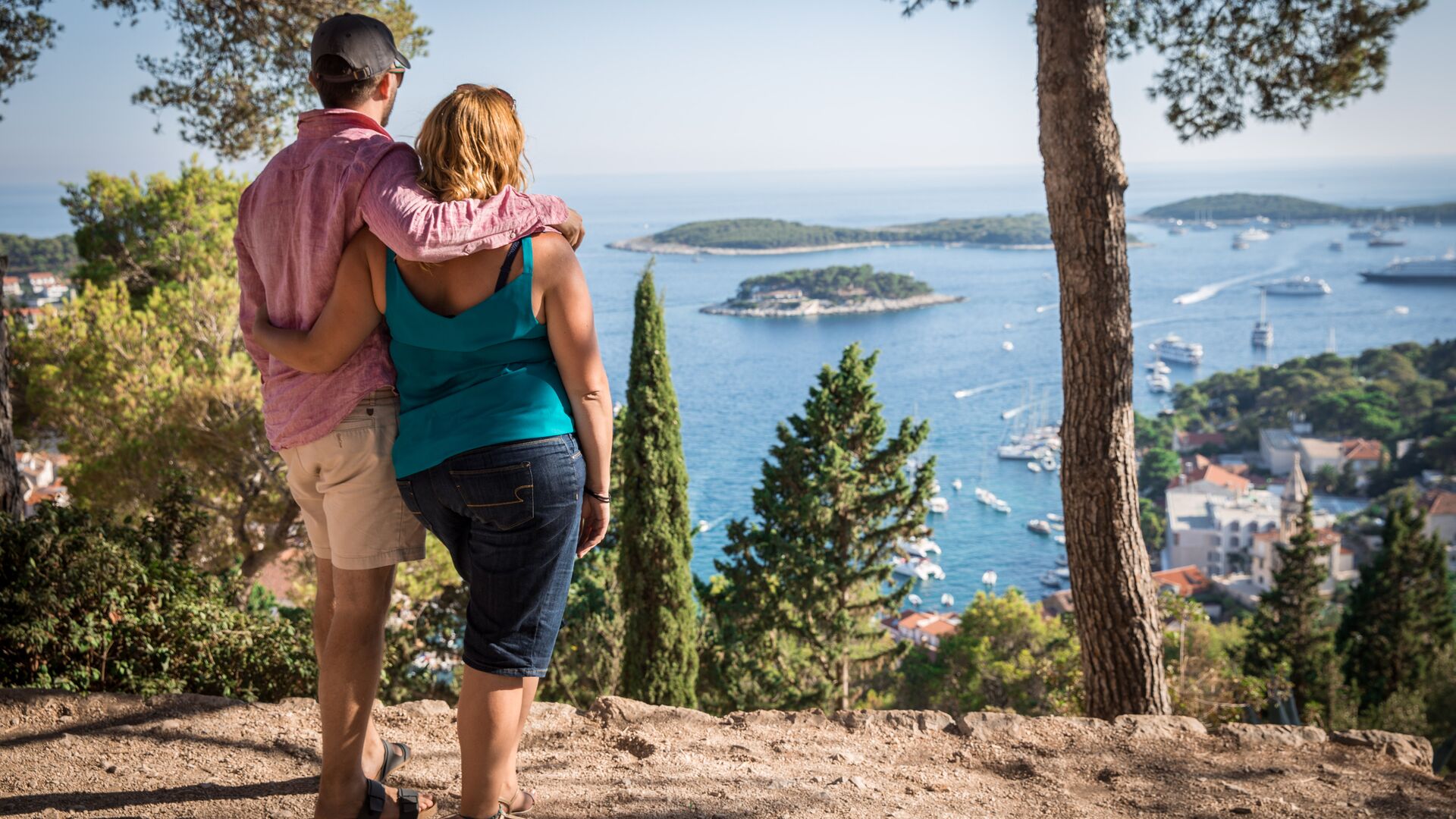
Ferrante’s stark portrayal of post-war Italian society contrasts with the liberation her characters experience during visits to the volcanic island of Ischia. This narrative shift has directly impacted regional tourism, with coastal sailing excursions incorporating stops at Ischia to allow travelers to experience the thermal hot springs and coastal landscapes that catalyzed the protagonists’ personal development. Industry observers attribute this trend to a desire for authentic, localized cultural immersion rather than standardized resort tourism.
Historical Fiction and Culinary Diplomacy
The recognition of international literature through prestigious literary awards has increasingly served as a catalyst for cultural tourism focused on culinary heritage. Yang Shuang-zi’s novel Taiwan Travelogue, winner of the International Booker Prize, utilizes 1938 Taiwan under Japanese colonial rule as a framework to explore cultural identity and interpersonal dynamics through the medium of food. Each chapter of the metafictional work is named after a distinct Taiwanese dish.
In response to the growing interest in culinary literature, destination management organizations in East Asia have emphasized experiential food tourism. Itineraries throughout Taipei and regional Taiwanese counties now frequently feature interactive workshops—such as tea-leaf rolling, clam harvesting, and street-food preparation—allowing travelers to directly engage with the gastronomic traditions highlighted in contemporary award-winning literature.
Non-Fiction, Exploration, and the Pursuit of Wilderness
While fictional narratives dominate social media discourse, acclaimed non-fiction works retain a powerful hold on adventurous travelers seeking physical challenges. William Finnegan’s Pulitzer Prize-winning memoir, Barbarian Days: A Surfing Life, chronicles a lifelong pursuit of remote waves across California, Hawaii, Fiji, and Madeira. Endorsed by prominent cultural figures and widely discussed across digital literary platforms, the memoir frames travel not as a vacation, but as a transformative, lifelong pursuit of natural environments.

Adventure travel companies have noted a corresponding rise in bookings for active itineraries in regions highlighted in exploratory literature. Travelers seeking to emulate the physical independence depicted in such memoirs frequently opt for rigorous outdoor expeditions, including white-water rafting and highland hiking in Fiji, or long-distance walking tours across the volcanic terrain of Madeira.
Gothic Literature and Dark Tourism Trends
Classic literature continues to experience unexpected revivals through digital curation, with 19th-century gothic texts attracting travelers interested in dark tourism and architectural heritage. Bram Stoker’s epistolary novel Dracula, constructed entirely from fictional diary entries, letters, and news clippings, predates modern digital communication formats while utilizing a fragmented point-of-view structure that appeals to contemporary readers. Although Stoker never visited the region, his depiction of Count Dracula was informed by the historical figure Vlad the Impaler.
Tourism authorities in Romania have capitalized on the enduring global fascination with the Dracula legend, directing literary tourists toward Bran Castle and the newly established Via Transilvanica trail. This long-distance hiking route traverses rural Romanian communities, offering travelers an opportunity to engage with local traditions, rural hospitality, and regional gastronomy far removed from urban centers.
Multi-Generational Sagas and Cultural Migration
Family sagas that span decades and cross international borders provide historical context to modern migration patterns and cultural enclaves. Min Jin Lee’s novel Pachinko traces four generations of a Korean family living in Japan, examining themes of displacement, resilience, and identity against the backdrop of 20th-century geopolitical upheaval.

The culinary and cultural motifs present in multi-generational literature have inspired targeted culinary tours throughout East Asia. Itineraries focusing on South Korea and Japan frequently incorporate visits to historic marketplaces, such as the Busan fish market and Osaka’s Kuromon Market. These locations serve as real-world counterparts to the settings where characters in modern historical fiction navigated their daily lives, offering travelers a tangible link to the social histories preserved within contemporary literature.
Economic Implications and Industry Response
The convergence of digital book communities and the tourism sector represents a permanent shift in how travel destinations market themselves to consumers. Tour operators, airlines, and hospitality groups are increasingly aligning their marketing strategies with literary trends, recognizing that readers exhibit high intent when seeking out specific geographic and cultural experiences.
Economic analysts note that literary tourism tends to distribute visitor traffic away from overcrowded urban centers toward regional towns, islands, and rural trails associated with specific narratives. As long as platforms like TikTok continue to influence reading habits across global demographics, the bridge between the written word and international mobility will remain a vital driver of economic activity within the global tourism industry.