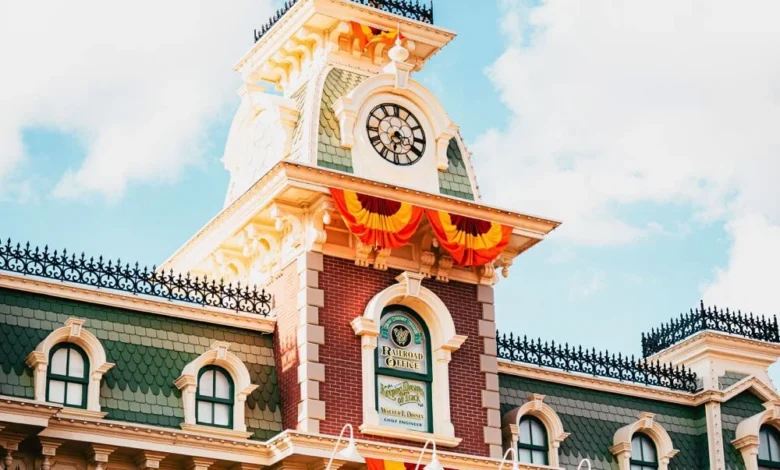
Millions of travelers journey thousands of miles annually to experience the sprawling theme park capital of the United States. For these visitors, the Orlando experience is often characterized by high-intensity itineraries, rigid dining reservations, and the inevitable fatigue associated with international or long-haul travel. However, a significant demographic—residents of Florida and Georgia—often overlook the region as a viable vacation destination, despite living within a ninety-minute drive. By shifting the perspective from "tourist" to "local visitor," residents can leverage unique regional discounts and logistical advantages to transform a standard weekend into a high-value, low-stress getaway.

The concept of the staycation has evolved from a simple "holiday at home" into a sophisticated travel strategy. For regional residents, the primary advantage is the elimination of the "sunk cost fallacy" that plagues international travelers. When an individual spends thousands of dollars on airfare and hotels, there is an inherent pressure to maximize every hour to justify the expenditure. Conversely, residents who can access Orlando with a single tank of gas are afforded the luxury of flexibility, allowing them to engage with the city’s offerings at a measured pace.
Logistical Advantages and Economic Data
Data from Visit Orlando indicates that the region remains one of the most visited destinations in the United States, with millions of visitors contributing to a multi-billion dollar tourism economy. For residents of Florida and Georgia, the economic implications of a staycation are profound. The ability to avoid peak-season airfare, baggage fees, and rental car costs significantly lowers the barrier to entry. Furthermore, the availability of specialized "resident rates" at major resort chains—such as Westgate Resorts—provides a competitive pricing structure that is unavailable to the general public.

Financial analysts note that the "cost-per-day" for a resident staycation can be 40% to 60% lower than that of a traditional vacationer. By securing accommodations with kitchen facilities, families can reduce food expenditures—typically the second-largest cost for travelers—by preparing meals in-house. This economic efficiency allows for the reallocation of funds toward "one-off" premium experiences, such as fine dining or spa services, without exceeding a modest total budget.
Strategic Planning: Choosing the Correct Corridor
Orlando’s geography is vast, and selecting the wrong neighborhood is a common pitfall that undermines the relaxation aspect of a staycation. The city is broadly categorized into distinct zones, each serving a different purpose:

- International Drive (I-Drive): This corridor functions as the primary resort and entertainment hub. Its density of hotels, proximity to the Orange County Convention Center, and accessibility to Universal Orlando Resort make it the most convenient base for those seeking a high-energy experience.
- Lake Buena Vista and Kissimmee: These areas are inextricably linked to the Disney ecosystem. The inventory here is dominated by villa-style units and multi-bedroom suites, which are better suited for extended families or groups requiring self-catering capabilities.
- Winter Park: Located to the north, this area provides a distinct contrast to the tourist-heavy districts. Its historical significance, characterized by brick-lined streets, independent boutique shops, and an emphasis on cultural institutions, makes it the ideal location for an adult-oriented retreat.
- Downtown Orlando: For those seeking an authentic urban experience, downtown offers access to Lake Eola, the Milk District, and Thornton Park. This area is favored by those who prefer local nightlife and dining over traditional theme park attractions.
Chronology of a Curated Staycation
Effective planning requires a departure from the traditional "rope drop to fireworks" itinerary. A successful two-night reset for a couple or family often follows a structured but flexible timeline:
- Friday: The Transition Phase. The primary objective is to shed the "local" identity. This involves arriving by early afternoon, settling into the accommodation, and engaging in low-impact activities. For those on I-Drive, this might include a visit to The Orlando Eye at ICON Park for panoramic views, followed by a dinner in the surrounding entertainment district.
- Saturday: The Activity Peak. This day is reserved for the primary excursion. For families, this could mean a half-day at a theme park, intentionally arriving after 4:00 PM to avoid the heat and the heaviest crowds. For those seeking a cultural experience, a visit to the Morse Museum in Winter Park followed by a scenic boat tour provides a stark, tranquil contrast to the theme park experience.
- Sunday: The Decompression. The final day should focus on wellness or nature before the drive home. Wekiwa Springs State Park is a common destination, offering natural Florida landscapes. Because entry is limited by vehicle capacity, booking in advance is a mandatory step in the planning process.
The Evolution of Theme Park Access
For residents, the approach to theme parks should mirror the behavior of a local rather than a tourist. The annual pass model is the most effective tool for those who intend to visit more than twice in a calendar year. By amortizing the cost over multiple visits, the "need" to stay for 12 hours to get value for money is eliminated.

Furthermore, the strategic use of resident-only ticket promotions, typically released during the shoulder seasons (May, September, and late January), allows for entry at a fraction of the standard retail price. During these periods, attendance density is lower, ride wait times are reduced, and hotel occupancy rates drop, creating a more favorable environment for a relaxing stay.
Official Guidelines and Sustainability
The tourism industry in Central Florida has responded to the shift toward local travel by offering more flexible booking options. Many resorts now prioritize "stay-and-play" packages that include amenities like on-site dining credits and spa access, specifically targeting the regional demographic.

From an environmental and logistical standpoint, the staycation model is inherently more sustainable. By reducing the reliance on air travel and utilizing private vehicles for shorter distances, residents reduce their carbon footprint while simultaneously avoiding the logistical stressors of modern air travel, such as terminal congestion and security delays.
Implications and Future Outlook
The rise of the staycation is not merely a temporary response to economic shifts but a fundamental change in how regional populations view their own geography. By treating a home region as a vacation destination, residents can stimulate local economies in areas like Winter Park and Downtown Orlando, which are sometimes overshadowed by the global fame of the major theme parks.

To maximize the efficacy of this strategy, residents are encouraged to:
- Formally Pack: The psychological act of packing a suitcase, rather than a gym bag, creates a mental boundary between "home life" and "vacation life."
- Digital Disconnection: Treating a staycation with the same boundaries as an international trip—specifically by turning off work notifications—is the single most important factor in achieving psychological rest.
- Diversify Dining: Residents often frequent the same local restaurants. A successful staycation requires exploring new neighborhoods or dining establishments that would not be part of a standard weekly routine.
In summary, the Orlando staycation represents a strategic utilization of one of the world’s most robust tourism infrastructures. By applying the principles of local access, resident-specific pricing, and intentional, low-stress scheduling, Florida and Georgia residents can achieve a restorative experience that rivals traditional long-haul vacations, all without the necessity of a boarding pass or the rigors of modern travel. The region remains a global destination for a reason, and for those living within a short drive, it offers an unparalleled, and often underutilized, opportunity for professional and personal reset.