The United States faces a mounting challenge in global tourism as Japan emerges as a primary competitor for international travelers.

The long-held status of the United States as the premier destination for global travelers is experiencing a significant shift, as new research presented by Brand USA reveals that the nation’s once-dominant lead in international tourism interest is rapidly narrowing. Data shared during a board meeting on Tuesday indicates that Japan has successfully positioned itself as a formidable rival, overtaking the U.S. in consumer preference metrics in late 2026. This transition marks a critical juncture for the U.S. travel industry, which has historically relied on its position as the world’s leading destination to drive economic growth and maintain global connectivity.
A Shifting Landscape in Global Tourism Preferences
The findings, compiled by Brand USA’s research and analytics division, draw from an expansive, ongoing survey of approximately 11,000 individuals conducted monthly across 11 key international markets: Argentina, Australia, Brazil, Canada, France, Germany, India, Japan, Mexico, South Korea, and the United Kingdom. These nations represent the primary source markets for inbound tourism to the United States.
As recently as January 2026, the United States maintained a robust lead over Japan, boasting a preference gap of more than eight percentage points among surveyed international travelers. However, the trajectory of these metrics has shifted dramatically throughout the year. By August 2026, and again in October, Japan surpassed the United States as the top-ranked destination of choice among respondents. While the U.S. still retains a cumulative lead in year-to-date figures, the momentum has clearly swung in favor of the Japanese tourism sector, signaling a potential long-term trend that could reshape international travel patterns.
Chelsea Benitez, senior director of research and analytics at Brand USA, acknowledged the gravity of these findings during the board meeting. “We still lead year to date, but Japan is now our most direct competitor for the long-haul international traveler,” Benitez noted. This assessment highlights that the competition is no longer merely regional but spans the critical demographic of high-spending, long-haul travelers who are essential to the economic health of the U.S. hospitality and aviation sectors.
The Chronology of a Changing Market
The decline in U.S. competitive standing did not occur in a vacuum. Throughout 2026, several macroeconomic and logistical factors contributed to the cooling of interest in American travel.
Early in the year, the U.S. travel sector was still benefiting from the post-pandemic "revenge travel" surge, where pent-up demand favored established, high-capacity markets. However, as the year progressed, several variables began to erode this advantage. Japan, conversely, has engaged in a highly successful campaign of rebranding and infrastructure investment. Following the complete removal of COVID-19-related entry restrictions, Japan capitalized on a weakened yen, which made the country exceptionally affordable for international visitors compared to the relatively high cost of travel and accommodation in the United States.
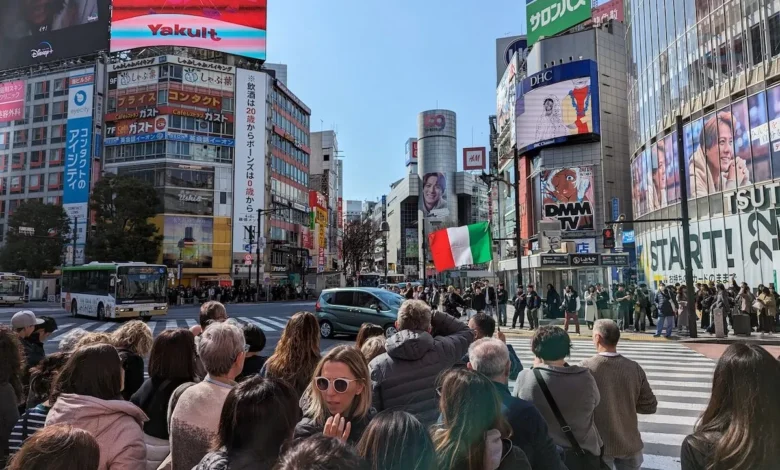
By mid-2026, the "Japan factor" began to manifest in global search volume and booking data. Industry analysts have pointed to the country’s seamless integration of historical cultural preservation with modern, high-tech urban convenience—specifically in hubs like Tokyo, Kyoto, and Osaka—as a primary draw for younger, experience-seeking demographics.

Data-Driven Insights: Why Japan is Winning
The Brand USA data provides a granular look at the motivations driving this shift. Beyond simple price sensitivity, travelers are increasingly prioritizing "safety, efficiency, and unique cultural immersion."
- Economic Accessibility: The persistent strength of the U.S. dollar, while beneficial for American travelers abroad, has created a "sticker shock" effect for international tourists planning trips to the U.S. In contrast, Japan’s currency valuation has made luxury experiences, dining, and transit significantly more attainable.
- Infrastructure and Logistics: Japan’s public transportation system, particularly the Shinkansen (bullet train) network, continues to be cited in traveler surveys as a primary reason for high satisfaction scores. Ease of movement allows for regional exploration, a feature that many international travelers find lacking in the U.S., where car rentals and domestic air travel can be complex and expensive.
- Safety and Perceptions: International surveys frequently cite safety as a top priority for global tourists. While the U.S. remains a top destination, perception issues regarding public safety and the complexity of the visa application process continue to serve as friction points that nudge travelers toward destinations perceived as more accessible and secure.
Implications for the U.S. Travel Industry
The potential for a sustained decline in market share has prompted discussions within the U.S. travel sector regarding the need for a more aggressive promotional strategy. The U.S. travel industry contributes billions of dollars annually to the national economy, supporting millions of jobs in hospitality, retail, and aviation. A decrease in international arrivals—particularly from high-value markets like India and the United Kingdom—would have a cascading effect on local economies.
Industry experts suggest that the U.S. must address three key areas to remain competitive:
- Visa Processing Times: The U.S. Department of State has struggled with significant visa interview backlogs in several key markets. Reducing these wait times is considered the most immediate "quick win" for boosting arrival numbers.
- Destination Marketing: There is a growing consensus that the U.S. needs to market itself as more than just a collection of "big cities." Promoting the diversity of regional experiences, national parks, and cultural heritage sites could help differentiate the U.S. from other global competitors.
- Improved Visitor Experience: Enhancing the arrival process at international airports—often the first point of contact for foreign visitors—is essential for improving the overall perception of the U.S. as a welcoming destination.
Official Responses and Future Outlook
While Brand USA and other industry stakeholders have not yet released a comprehensive policy pivot in response to the October data, the acknowledgment of the trend is a significant step. The organization serves as the nation’s public-private partnership for travel promotion, and its board members are tasked with steering the country’s tourism strategy in a rapidly changing global climate.
The broader implications are clear: the era of the United States holding an unchallenged position as the world’s most desired destination is over. Global travelers are becoming more discerning, and the competition from markets like Japan—which combine rich history with modern convenience and economic value—is intensifying.
As we look toward 2027, the focus for the U.S. travel sector will likely shift from passive reliance on its historical reputation to active, targeted campaigns designed to reclaim the narrative. The challenge will be to balance the high costs of travel with the unique value proposition that only the United States can offer. Whether this will involve government-led initiatives to streamline entry or industry-led efforts to lower the cost of the "American experience," the necessity for change has been underscored by the recent data.
The competition is no longer just about who has the most attractions, but about who provides the most seamless, affordable, and rewarding experience for the modern, global traveler. Japan has set a new benchmark, and the U.S. must now decide how to respond to this new, competitive reality.