Unearthing Culinary History: The Enduring Legacy of Hainanese Chicken Rice Balls at Melaka’s Kedai Kopi Chung Wah

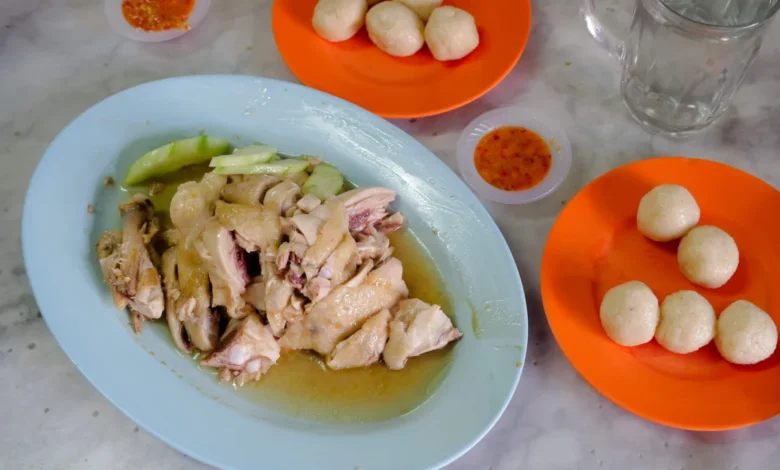
The historic city of Melaka, Malaysia, recognized globally for its rich multicultural heritage and architectural landmarks, continues to serve as a vital epicenter for Southeast Asian gastronomy. Among its myriad culinary offerings, one establishment stands out for preserving a centuries-old tradition: Kedai Kopi Chung Wah, located strategically at the corner of Jonker Street. Famed for its unorthodox presentation of a regional staple, this family-run kopitiam (traditional coffee shop) attracts hundreds of domestic and international visitors daily, all eager to sample its signature Hainanese chicken rice balls.
Historical Context and Migration of Hainanese Cuisine
The roots of Hainanese chicken rice extend far beyond the Straits of Malacca, tracing back to the island province of Hainan in southern China. During the late 19th and early 20th centuries, waves of Hainanese emigrants journeyed across maritime Southeast Asia, settling in British Malaya, Singapore, and Thailand. Bringing with them their traditional recipe for Wenchang chicken—a dish characterized by poached poultry served with seasoned rice and dipping sauces—these migrants adapted their culinary techniques to local ingredients and available resources.
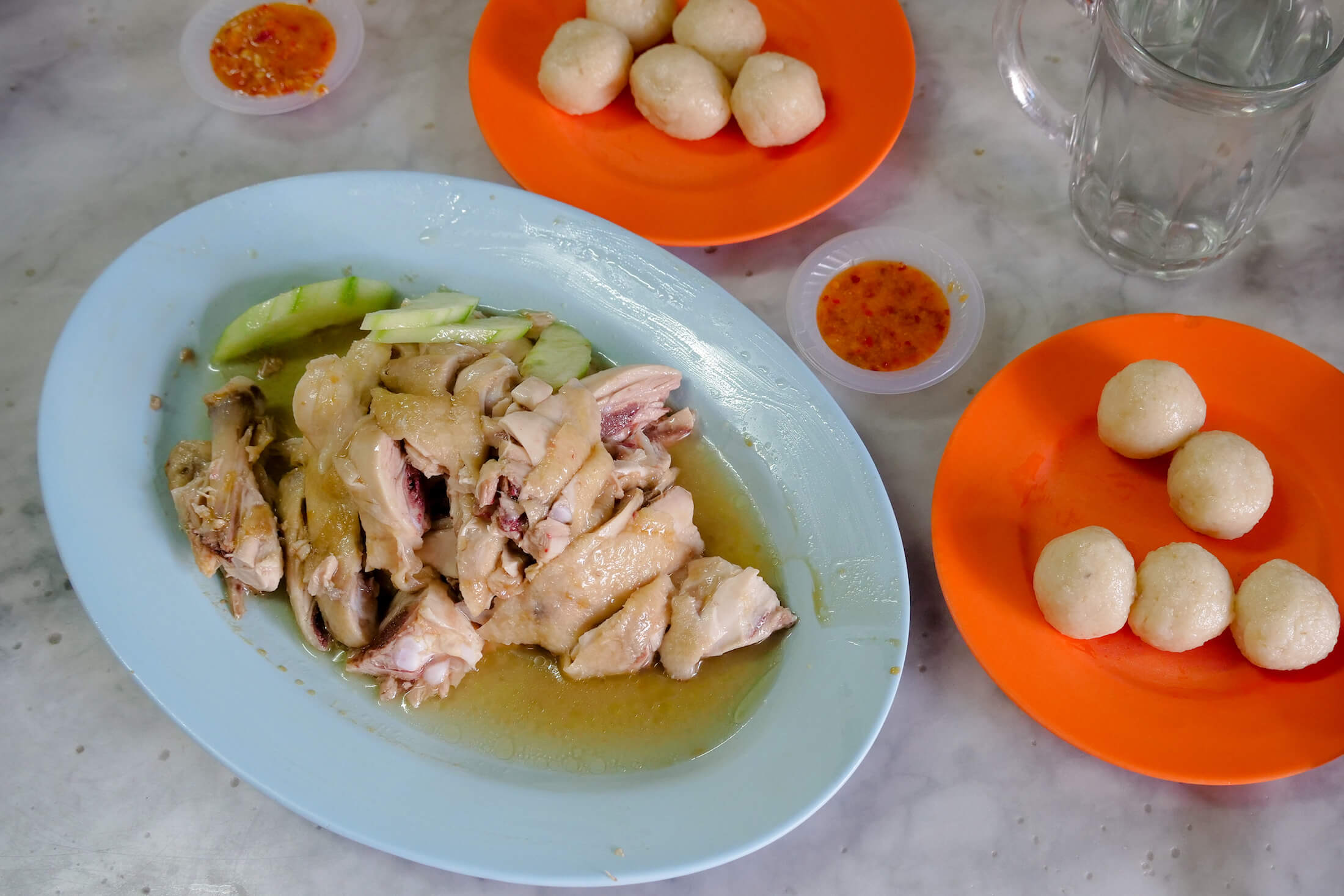
In Melaka, this adaptation took a distinct physical form: the transformation of loose grains of steamed rice into tightly packed, spherical balls. Historical food researchers note that this innovative method was originally developed for practical reasons. Before the ubiquity of modern food packaging and refrigeration, Hainanese workers and travelers shaped leftover cooked rice into dense spheres that could be easily transported in wicker baskets for field lunches or long journeys. Over generations, this utilitarian technique evolved into a defining regional delicacy, distinguishing Melaka’s chicken rice culture from those found in neighboring Singapore or Kuala Lumpur.
Chronology of Operations and Daily Service
Operating daily from 9:00 AM, Kedai Kopi Chung Wah manages a high-volume, fast-paced service model honed over decades of operation. The establishment typically closes by 3:00 PM on weekdays and 4:00 PM on weekends, though closures often occur earlier upon the complete depletion of daily poultry and rice stock.
The service routine at the kopitiam is designed for maximum efficiency to accommodate the perpetual queues that form before the doors open. Patrons are advised to assess their party size upon arrival, as rice ball allocations are strictly calculated per person. Orders are categorized simply: diners specify the headcount for rice plates and select either half or whole portions of poached chicken. Because seating is severely limited and turnover is rapid, diners frequently share tables or secure seating concurrently with food delivery—a common feature of traditional kopitiam culture in Malaysia.

Culinary Composition and Preparation Techniques
The appeal of the meal lies in the meticulous preparation of its core components, reflecting a steadfast adherence to traditional methods that reject industrial shortcuts.
The chicken, poached to maintain tender texture and succulent interior moisture, is served steaming hot. Culinary analysts observe that the subtle infusion of garlic, ginger, and subtle smoking techniques yields a delicate flavor profile distinct from Western or contemporary preparations.
Complementing the poultry is a signature dipping sauce that diverges from standard chili pastes. Characterized by a prominent vinegar base combined with heavy garlic integration and subtle spice, the condiment provides a sharp, tangy acidity designed to balance the richness of the poultry.

The defining element remains the rice balls. Unlike conventional loose-grain preparations, the rice is cooked in chicken broth infused with rendered poultry fat, ginger, and pandan leaves, imparting a smoky aroma reminiscent of the scorched layers found at the bottom of traditional cooking vessels. Once cooked, the rice is firmly compressed by hand into bite-sized spheres while still hot. This process imparts a dense, cohesive texture often mistaken by first-time diners for glutinous rice, though it utilizes standard non-sticky grains bonded by starch and technique.
Economic and Cultural Implications
Priced modestly—with typical meals for small parties averaging around 28 Malaysian Ringgit (approximately $6.77 USD)—establishments like Kedai Kopi Chung Wah play a significant role in Melaka’s tourism economy. As part of the historical city center designated as a UNESCO World Heritage Site, culinary tourism serves as a primary driver of foot traffic to Jonker Street and surrounding thoroughfares.
Cultural preservationists note that the endurance of such traditional eateries underscores the challenges faced multi-generational food businesses in modern urban landscapes. Rising operational costs, succession planning, and the commercialization of heritage districts present ongoing pressures to family-owned kopitiams. Despite these economic headwinds, Chung Wah and similar institutions maintain strict adherence to legacy recipes, functioning as living culinary archives.

Broader Culinary Landscape of Melaka
Beyond Hainanese chicken rice, Melaka’s gastronomic identity is deeply intertwined with its Peranakan (Straits Chinese) and Nyonya heritage, which emerged from the intermarriage of Chinese immigrants and local Malay populations beginning in the 15th century. This syncretism produced complex flavor profiles utilizing local herbs, roots, and spices, exemplified by dishes such as laksa, nyonya chang, and various fermented specialties like tempoyak found further north in Kelantan and Terangganu.
For culinary historians, the persistence of dishes like Hainanese chicken rice balls offers empirical evidence of cultural migration patterns, demonstrating how diaspora communities preserve ancestral heritage while simultaneously innovating within new geographic and social environments.