Navigating Flight Cancellations: Essential Strategies for Travelers Facing Modern Aviation Disruptions

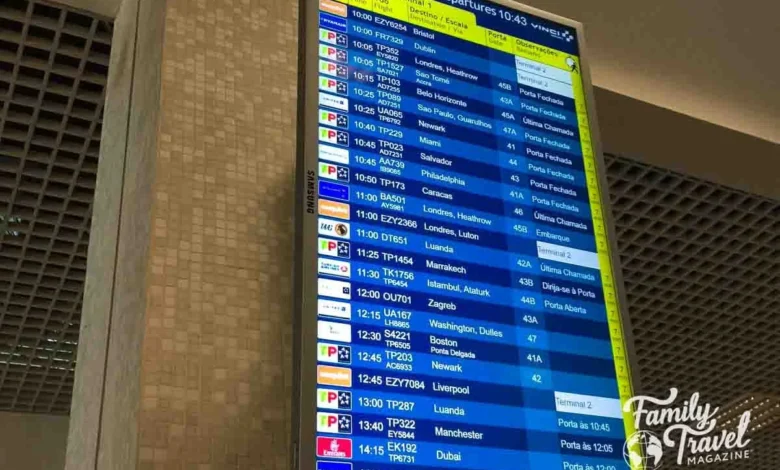
Flight cancellations have become an increasingly prevalent operational challenge within the global commercial aviation sector, driven by a combination of severe weather patterns, air traffic control staffing shortages, and carrier scheduling vulnerabilities. For modern travelers, particularly families and those journeying during peak holiday windows, an unexpected cancellation can instantly derail a meticulously planned itinerary. Industry data highlights that proactive preparation, digital tracking tools, and a systematic response protocol are critical to mitigating the financial and logistical stress associated with canceled flights. Understanding how to navigate these disruptions before departure and at the airport ensures travelers retain control over their journeys.
The Anatomy of Modern Flight Disruptions and Industry Context
The commercial aviation landscape has experienced significant volatility over recent years, marked by unpredictable meteorological events and strained airline infrastructure. According to reports from the Bureau of Transportation Statistics, carriers frequently adjust operations in response to regional weather systems, mechanical issues, and airspace congestion. When a flight is grounded or called off entirely, the immediate aftermath often involves crowded terminal concourses, overloaded customer service queues, and a scramble for alternative routing.
Industry analysts note that while airlines strive to rebook passengers efficiently, systemic disruptions can overwhelm carrier resources. Consequently, travelers who rely solely on automatic airline reaccommodation risk being placed on flights days later than desired. Experts emphasize that adopting a proactive, multi-pronged approach—from monitoring aircraft movements days before departure to understanding passenger rights—remains the most effective defense against travel gridlock.
Proactive Measures at the Time of Booking
Mitigating the impact of a canceled flight begins long before arriving at the departure terminal. Travel experts recommend building strategic buffers into itineraries, particularly when connecting flights or fixed-schedule events such as cruises are involved. Arriving at a destination a day in advance of a major engagement absorbs potential transit delays without jeopardizing the primary objective.
Furthermore, selecting optimal flight paths can reduce vulnerability. Nonstop flights, whenever available, eliminate the risk of missing a domestic connection due to localized weather or cascading delays. For travelers utilizing connecting itineraries, ensuring adequate layover durations—ideally exceeding standard minimum connection times—provides a vital safety margin when the initial leg runs behind schedule. Additionally, maintaining up-to-date contact information within airline profiles ensures that critical automated alerts regarding schedule adjustments reach the passenger immediately.

Digital Tracking and Pre-Trip Monitoring
Advanced flight tracking technology has revolutionized how passengers monitor their itineraries. Dedicated mobile applications such as Flighty and TripIt allow travelers to track aircraft history in real-time, often revealing inbound aircraft delays and operational bottlenecks hours before formal airline notifications are issued. By observing the geographic trajectory of the assigned plane prior to its departure for the user’s airport, passengers can anticipate potential cancellations driven by inbound weather or technical grounding.
Airlines themselves routinely issue automated schedule updates weeks or months in advance, particularly during seasonal schedule transitions. However, reliance solely on airline emails can lead to missed communications. Passengers are advised to download and log into their specific carrier’s mobile application, ensuring push notifications are enabled. Furthermore, aircraft swaps or schedule adjustments frequently trigger automated seat map reassignments. Families traveling together must audit their seating arrangements periodically following itinerary modifications to prevent inadvertent separation across the cabin.
Managing Severe Weather Forecasts and Early Adjustments
Meteorological events, ranging from winter nor’easters to tropical hurricanes, frequently trigger widespread regional cancellations. In anticipation of major storms, commercial airlines typically issue travel waivers that permit passengers to modify their itineraries without incurring standard change fees. These waivers are vital instruments for risk management.
Travelers monitoring adverse forecasts should evaluate whether early departure or arrival is feasible. By shifting travel dates forward by 24 to 48 hours to precede a forecasted storm system, passengers can frequently bypass airport chaos entirely. Crucially, executing these modifications online or via mobile applications during the advisory window prevents lengthy telephone hold times and secures available seats before aircraft capacity saturates.
Protocol for Cancellations Prior to Airport Departure
When a flight cancellation occurs before a traveler leaves for the airport, swift administrative action is required. Upon receiving a cancellation notice, the passenger should immediately review the airline’s automated rebooking proposal. If no alternate itinerary has been assigned, or if the proposed routing is unviable, the passenger must contact the carrier directly.
During high-volume disruptions, telephone wait times for airline reservations desks can escalate rapidly. Utilizing the carrier’s mobile app or live chat feature concurrently with telephone calls increases the probability of securing a timely resolution. Passengers should remain flexible regarding routing;

accepting an itinerary with a connection, even when a direct flight was originally booked, is frequently necessary to reach the destination promptly.
In certain scenarios, travelers may determine that the revised arrival time renders the trip obsolete. Under federal regulations and carrier contract of carriage terms, passengers whose flights are canceled and who choose not to travel are generally entitled to a full cash refund, rather than merely a future travel credit. Alternatively, exploring departures from nearby alternative airports can yield viable routing options that bypass heavily impacted regional hubs.
Execution Strategies at the Airport Terminal
Cancellations occurring on-site at the airport present distinct logistical hurdles. When a flight is grounded post-arrival, passengers face immediate competition for available rebooking options among hundreds of fellow travelers.
Industry veterans recommend a dual-track strategy upon encountering an airport cancellation: join the physical queue for customer service or gate agent assistance while simultaneously calling the airline’s priority support line. This parallel approach leverages both digital and human resources to secure alternative seats before inventory is exhausted. When interacting with airline representatives, maintaining a calm, objective, and cooperative demeanor is essential, as frontline agents operate under intense pressure and within strict system constraints.
Luggage logistics require immediate attention if bags were already checked prior to the cancellation notice. Passengers must inform the assisting agent that checked luggage is in the possession of the carrier, ensuring that baggage tags are rerouted to match the new itinerary and preventing luggage from arriving at the original destination unaccompanied.
Managing Extended Delays and Long Airport Waits
Extended terminal waits resulting from delayed or sequentially canceled flights necessitate careful preparation. While carriers are legally and contractually obligated to provide accommodations for overnight delays within their control, weather-related cancellations generally exempt airlines from furnishing hotel vouchers.

For travelers facing prolonged daytime delays, off-site solutions such as day-use airport hotels offer access to guest rooms, dining facilities, and quiet spaces away from crowded terminal seating areas. These accommodations are typically secured at the traveler’s expense unless covered by external policies.
In-terminal survival requires robust power management. Packing portable device chargers and power banks within carry-on luggage ensures continuous communication capability as flight statuses evolve. For families traveling with infants or young children, carry-on bags must be stocked with essential provisions—including nutrition, change of clothing, and entertainment items—to sustain comfort during protracted airport stays.
The Role and Utility of Travel Insurance
Financial protection against travel disruption is increasingly provided by comprehensive travel insurance policies purchased independently or through credit card travel benefits. When evaluating policies, consumers must examine specific coverage clauses related to trip interruption, travel delay, and baggage mishandling.
While airlines compensate passengers under specific regulatory frameworks for carrier-caused delays, weather events and acts of God fall outside mandatory compensation guidelines. Travel insurance policies frequently bridge this gap by reimbursing non-refundable expenses, such as prepaid hotel nights, excursion fees, and emergency lodging incurred during extended weather delays. Travelers should maintain physical or digital copies of their insurance policy documentation, claims procedures, and emergency assistance contact numbers readily accessible throughout their journey to streamline the reimbursement process should disruption occur.