The Ultimate Guide to Navigating Egypt with a Baby: A Comprehensive Itinerary and Safety Strategy

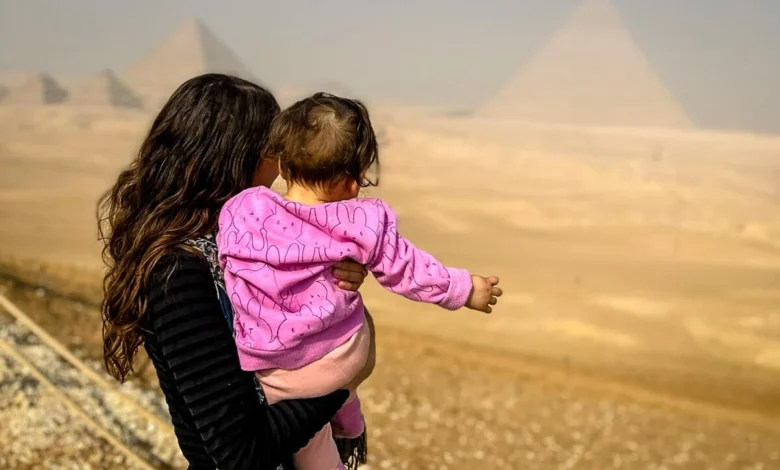
For many adventurous parents, the prospect of taking a nine-month-old infant to Egypt—a land of desert heat, ancient ruins, and bustling megacities—seems like a logistical impossibility. However, with meticulous planning, a focus on child safety, and an appreciation for the country’s deep-rooted hospitality, a family vacation to the cradle of civilization is not only achievable but deeply rewarding. Egypt, which welcomed over 14 million tourists in recent peak years, has seen a steady increase in family-oriented tourism, necessitating a better understanding of how to manage the unique challenges of the region with an infant in tow.

Navigating Arrival and Essential Logistics
The journey begins at Cairo International Airport, a primary gateway for international travelers. For families arriving from eligible nations, obtaining an e-Visa in advance is the most efficient method to avoid long queues at immigration, allowing parents to bypass the exhaustion of manual visa processing with an infant. Upon arrival, the primary logistical hurdle is transportation. While Cairo offers a vast array of taxi services, the official airport taxi desk, located just outside the baggage claim area, remains the safest and most reliable option. Unlike freelance drivers, the official desk issues a receipt with a pre-negotiated fare, license plate, and driver identification, providing a necessary layer of security for families.

Currency management is equally vital. While credit cards are increasingly accepted in major hotel chains and upscale retail, the Egyptian pound is essential for daily transactions, tips, and local services. Relying on airport ATMs or exchange kiosks is standard practice. Furthermore, travelers should be aware of the pervasive tipping culture—known as "baksheesh"—which is a social norm for services rendered. A 10% tip is standard in most service interactions.

Strategic Accommodations for Families
Choosing the right neighborhood in a city of over ten million people is the most significant factor in a successful stay. In Cairo, the Maadi district is frequently recommended for families due to its relative tranquility, abundance of green space, and high concentration of expatriate residents. Unlike the dense, chaotic atmosphere of central Giza, Maadi offers a more pedestrian-friendly environment with access to family-oriented cafes.

For those traveling south to Aswan, the cultural experience is vastly different. Staying on Elephant Island provides a unique, car-free environment that is ideal for families. Local guesthouses on the island often offer a more intimate, culturally immersive experience. In Luxor, the standard of luxury hotels is high relative to international prices, making five-star resorts an affordable and practical choice for families requiring amenities such as baby cots, high chairs, and climate-controlled rooms. Similarly, in resort hubs like Hurghada and El Gouna, international chains are preferred for their standardized food safety protocols and private, controlled beach environments.

Health, Safety, and Environmental Considerations
Safety in Egypt is largely a matter of common sense and adherence to government travel advisories. While major tourist sites are heavily protected, visitors should avoid restricted zones, particularly near the Libyan border and the North Sinai Peninsula.

A significant concern for parents is food and water safety. The "boil it, cook it, or peel it" rule is the gold standard for avoiding gastrointestinal issues. For infants, relying on bottled water for formula preparation and avoiding tap water entirely is non-negotiable. Digital tools have significantly simplified the modern travel experience; apps like Talabat provide reliable food delivery, while services like Breadfast are essential for securing groceries, diapers, and baby supplies without needing to navigate crowded local markets.

Transportation safety remains the most critical challenge. Traffic in Egypt is notoriously chaotic, and seat belt compliance in local taxis is inconsistent. Parents should not hesitate to order multiple ride-share vehicles until one with functional seat belts is confirmed, or pre-arrange private transfers through reputable hotel concierges who can guarantee vehicles equipped with safety restraints.

A Structured 14-Day Itinerary
A balanced itinerary allows for the exploration of historical wonders without overextending a child’s stamina.
Days 1–4: Cairo and the Giza Plateau
The first phase focuses on the Citadel of Saladin, offering panoramic views of the city, and the historic streets of Islamic Cairo. A visit to the National Museum of Egyptian Civilization is highly recommended; the facility is modern, stroller-accessible, and equipped with baby-changing stations. The climax of the Cairo stay is, of course, the Giza Plateau. Rather than engaging in strenuous climbs inside the pyramids, which are often cramped and poorly ventilated, families are advised to enjoy the vistas from the 9 Pyramids Lounge, which provides a comfortable, seated vantage point.

Days 5–7: The Ancient Splendors of Aswan
Travelers typically transition to Aswan via a short domestic flight to minimize transit fatigue. In Aswan, the Philae Temple, located on an island accessible by motorboat, serves as the cultural focal point. This period of the trip is slower-paced, allowing for boat tours of the Nile and visits to local Nubian villages, which offer a glimpse into the diverse cultural heritage of Upper Egypt.

Days 8–10: The Necropolis of Luxor
The journey continues to Luxor, often via private transfer to allow for stops at the temples of Kom Ombo and Edfu. These sites are exceptionally well-preserved and offer insight into the Hellenistic period of Egyptian history. Once in Luxor, the Valley of the Kings is the primary objective. Parents should note that while the tombs are fascinating, they are not always suitable for strollers; a high-quality baby carrier is an essential piece of travel gear for this terrain.

Days 11–14: Relaxation on the Red Sea
The final leg of the journey in Hurghada or El Gouna serves as a recovery period. By this stage, the focus shifts from historical sight-seeing to environmental comfort. The Red Sea resorts provide the necessary infrastructure—pools, beaches, and controlled environments—to conclude the trip before returning home.

Implications and Expert Advice
The decision to travel to Egypt with an infant is a testament to the changing nature of modern family tourism. Data suggests that the "adventure parent" demographic is growing, as families prioritize early-childhood travel experiences. However, the success of such a trip relies heavily on the willingness of parents to abandon rigid schedules.

Industry experts note that Egypt’s infrastructure is rapidly modernizing. New museums, improved airport services, and the widespread adoption of digital delivery services have bridged many of the gaps that once made such trips daunting. By prioritizing safety, staying in well-reviewed, family-friendly accommodations, and maintaining a slow, flexible pace, families can experience the majesty of the Nile without sacrificing the needs of their youngest travelers. Ultimately, the warmth of the Egyptian people, who are famously welcoming to children, often proves to be the most memorable aspect of the journey, proving that with the right preparation, the world remains open to even the smallest of explorers.
Related posts: