The Ultimate Hiking Essentials Checklist: A Comprehensive Guide to Gear and Preparation

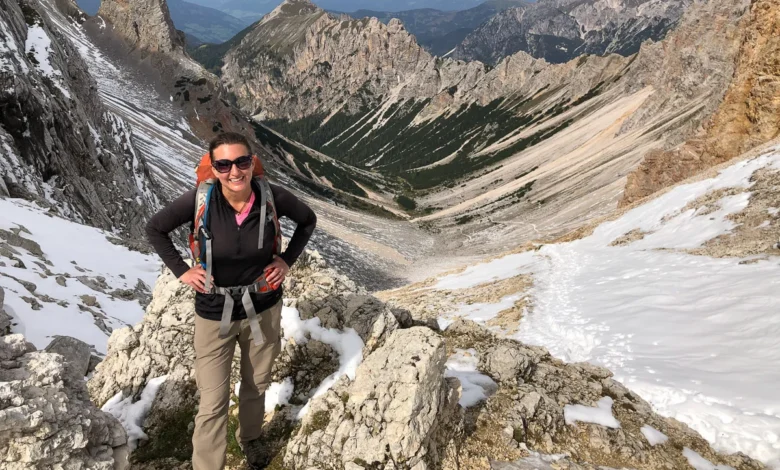
For many, the allure of the trail, the challenge of a multi-day trek, and the immersion in nature represent a profound passion. Over years of exploring diverse terrains across every continent, from the arid peaks of Tanzania to the verdant jungles of Colombia, a refined approach to packing has emerged. The core objective: to be fully prepared for any weather condition or unforeseen circumstance while maintaining a light, efficient load. This comprehensive guide aims to equip hikers of all levels with the knowledge and essential gear needed for successful day hikes, multi-day expeditions, and broader outdoor adventures.
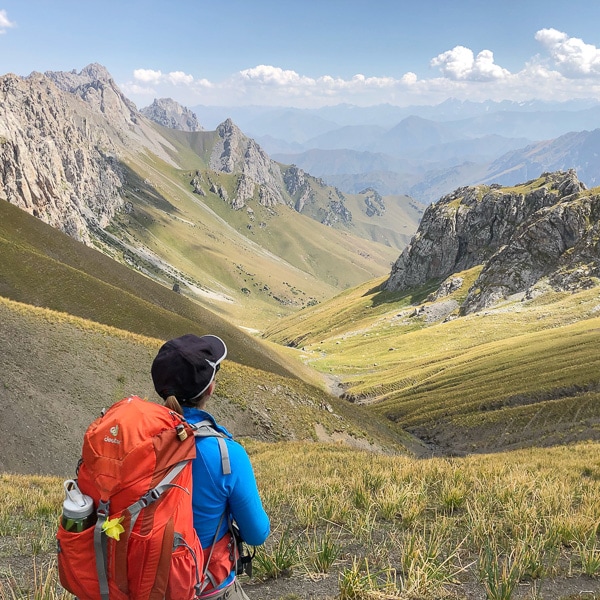
Demystifying Hiking and Trekking Gear Myths
Through extensive experience, countless emails, and community discussions, a need has arisen to distill practical advice from common misconceptions surrounding hiking gear. Many aspiring trekkers fall prey to certain prevalent myths, leading to either overpacking unnecessary items or underestimating critical needs.
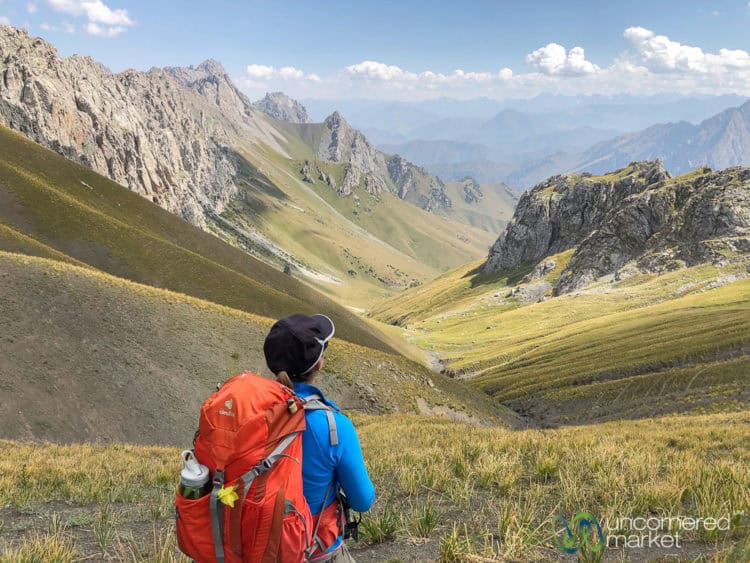
Myth 1: The necessity of acquiring the absolute latest and most expensive gear.
While technological advancements in outdoor apparel—such as waterproof, windproof, and moisture-wicking fabrics like Gore-Tex and fleece—offer significant benefits in terms of performance and comfort, they are not always essential for every trek. For most day hikes and multi-day treks that do not involve extreme mountaineering, prioritizing comfort, breathability, and layering capability is more crucial than owning the most technologically advanced, and often costly, equipment. Observing local populations navigating challenging terrain in seemingly simpler attire can offer valuable perspective, highlighting that functionality and preparedness often outweigh brand names and cutting-edge features. The focus should be on good quality, durable items that serve their purpose, rather than succumbing to the allure of the latest "shiny" outdoor toys.
Myth 2: The requirement to carry every conceivable item from home.
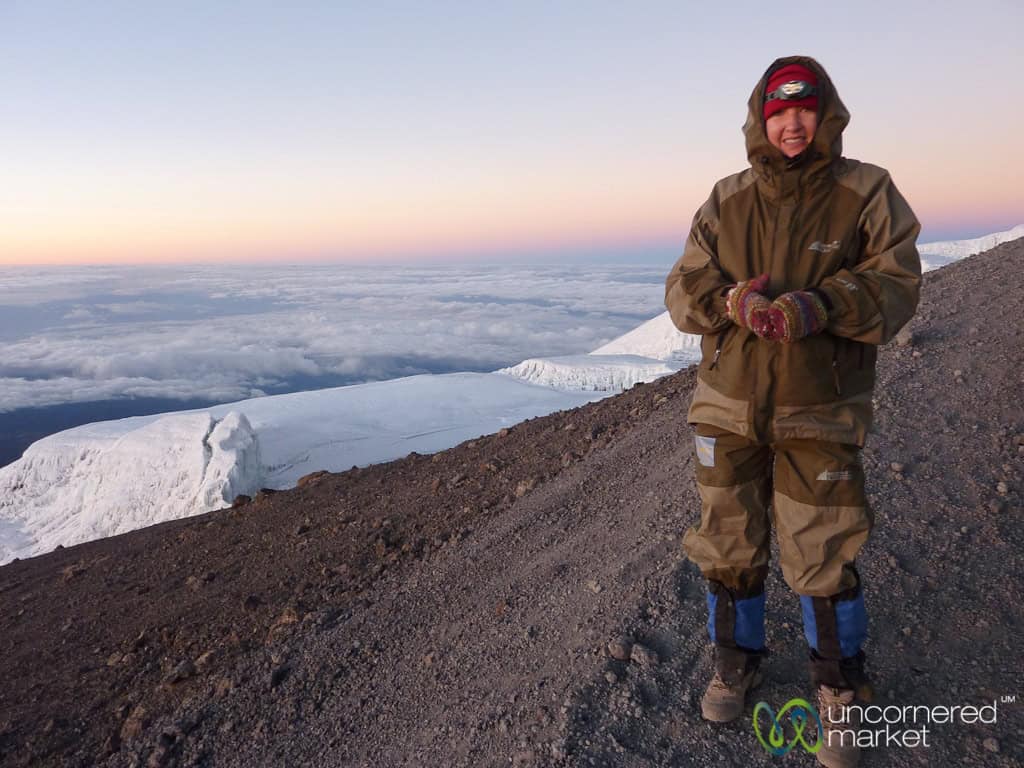
A significant realization for experienced hikers is the widespread availability of gear rental and purchase options in trekking hubs worldwide. For items used infrequently, such as specialized sleeping bags for a single cold-weather trek, carrying them for the entire duration of a trip can be impractical and add unnecessary weight. Thorough research into local rental services, including costs and availability, is highly recommended. Engaging with trekking agencies or consulting with fellow travelers who have completed similar hikes can provide invaluable insights. On arrival, exploring local markets and outdoor shops can often yield cost-effective solutions for gear needs, whether through rental or purchasing second-hand or new items. This strategy not only reduces the immediate burden of carrying gear but can also be more budget-friendly. For instance, a $65 expenditure on renting a sleeping bag, waterproof pants, and other essential items for a Mount Kilimanjaro ascent proved far more sensible than carrying such bulky gear throughout previous travels in Southeast Asia and the Middle East. Similarly, renting hiking shoes for a nominal fee provided superior ankle support and stability compared to existing footwear.
Myth 3: The assertion that "real" treks necessitate camping.
The definition of a trek is often subjective, and while camping offers a unique sense of independence and deeper immersion in nature, it is not the sole determinant of an authentic hiking experience. Many of the most memorable treks, such as the Annapurna Circuit in Nepal, the Markha Valley Trek in Ladakh, or the Svaneti Trek in Georgia, derive their richness from the cultural interactions and local hospitality experienced in lodges, tea houses, and homestays. The combination of natural beauty and human connection, the interplay of environment and culture, often provides a more profound and soul-nourishing experience than solo camping.
Foundational Principles for Efficient Hiking Pack-ups
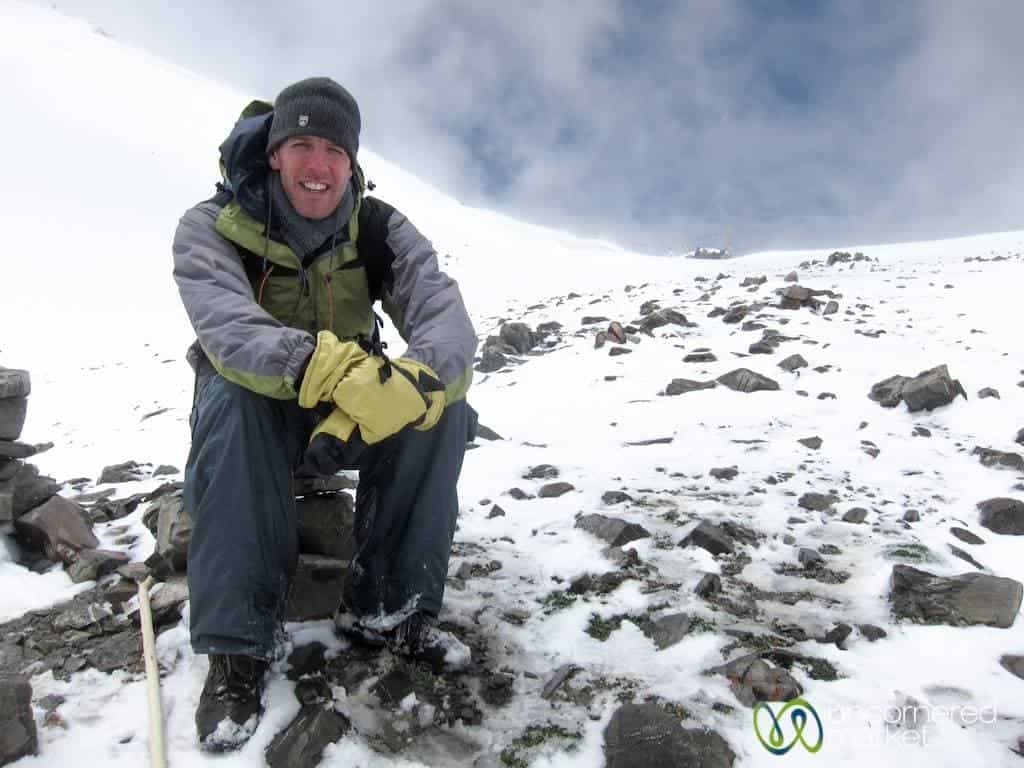
The following principles, honed over fifteen years of global trekking, form the bedrock of a strategy that balances preparedness with minimalist packing:
The Power of Layering: Adapting to Dynamic Conditions
The mountain environment is characterized by rapid temperature fluctuations. A strategic layering system is paramount, ensuring that hikers can adapt to varying conditions, from the warmth of midday sun to the chill of high-altitude winds or evening descent. Having an extra layer readily available is always preferable to enduring cold or dampness.

Comfort and Hygiene: Separate Rest and Sleep Attire
A simple yet transformative practice, learned from seasoned trekkers in Patagonia, is the separation of "hiking uniform" clothes from those designated for rest and sleep. Even if one opts for a minimalist approach, an additional set of clean, comfortable night clothes can significantly enhance the end-of-day experience. These dry garments provide a welcome respite, especially after a day spent navigating rain or snow. This practice also allows the day’s worn clothes to air out and dry, ready for reuse the following morning. A simple extra t-shirt, comfortable pajama bottoms, and a fresh pair of socks can make a world of difference in morale and comfort.
Uncompromising Sun Protection: A Critical Necessity
The intensity of solar radiation increases significantly with altitude. Even for those who tan easily, robust sun protection is non-negotiable. High SPF sunscreen, a wide-brimmed hat for face and neck protection, and sunglasses with adequate UV protection are essential. Sunburn at altitude is not only physically uncomfortable but can also induce flu-like symptoms, severely impacting performance and enjoyment.

Selecting the Right Hiking Backpack
The hiking backpack is the mobile home for all essentials, making its comfort, fit, and capacity critical.
Backpack Size and Features
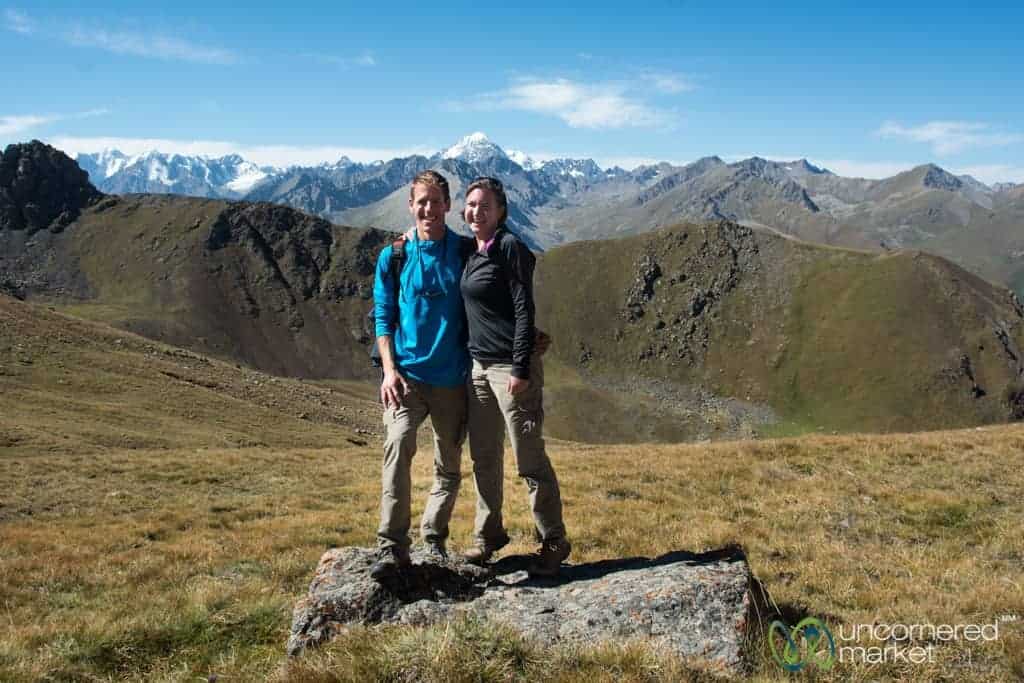
The ideal backpack size is contingent upon the duration of the hike, accommodation arrangements, and anticipated weather. A capacity sufficient for necessities like water, extra layers, and rain gear, without being excessively large, is key. A rain cover is an indispensable accessory to safeguard contents during inclement weather. While early travel often involved repurposed laptop bags or agency-provided packs, investing in a well-fitted hiking backpack has proven to be a worthwhile decision, preventing the discomfort associated with ill-suited carriers.
Recommended Packs
- Women’s Hiking Backpack: The Deuter ACT Trail Pro SL (32-liter) has been a reliable companion, valued for its lightness, integrated rain cover, hydration bladder compatibility, and supportive waist belt. While this specific model may no longer be available in 32 liters, Deuter offers comparable SL (Special Lightweight) models in various sizes.
- Men’s Multi-Day Hiking Backpack: The Osprey Exos series, particularly in larger sizes like the 48-liter option, is lauded for its comfort and durability, alleviating back and shoulder strain even on extended treks.
- Men’s Hiking Daypack: The Osprey Stratos 24 offers a versatile 24-liter capacity, suitable for day hikes or as a secondary pack on multi-day trips where luggage is carried by porters or mules.
Essential Hiking Apparel: A Layered Approach
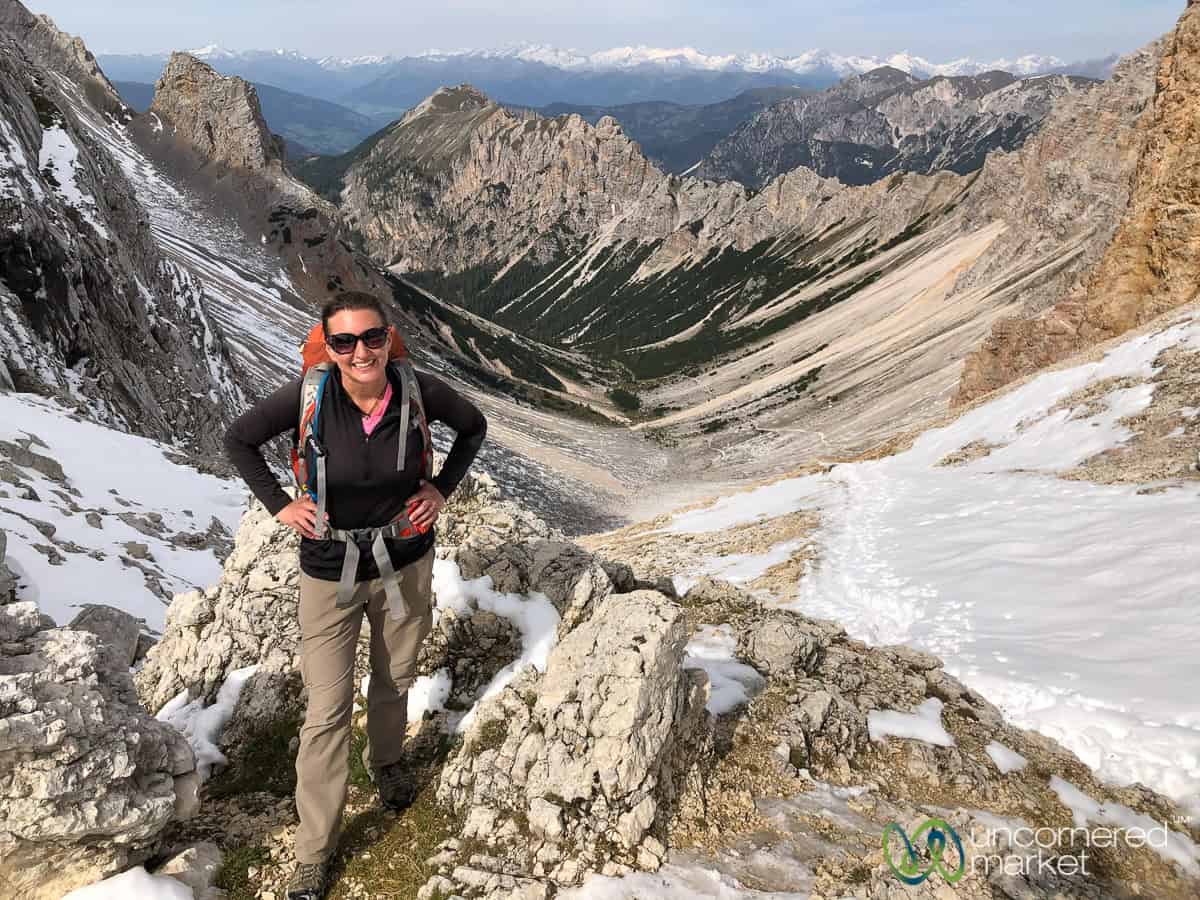
The following clothing recommendations are designed for 5-10 day hikes, adaptable for shorter or longer durations by adjusting quantities and focusing on laundry solutions or rotation.
Base and Mid-Layers
- Hiking Pants (1 pair): Clothing Arts Travel Pants have been a ten-year staple, praised for their durability, quick-drying properties, stain and odor resistance, and the inclusion of secure zippered pockets—a feature often lacking in women’s hiking trousers.
- Thermal Underwear (top/bottom): Lightweight silk long johns or Uniqlo’s HeatTech range provide warmth without bulk. For men, durable options like Patagonia’s long underwear have proven longevity.
- Short-Sleeved T-shirts (2-3): Quick-dry or comfortable cotton shirts, particularly brightly colored ones, facilitate easy identification on the trail.
- Long-Sleeved Pullover/Zipped Shirt (1): An essential mid-layer for added warmth or sun protection.
- Pajama/Sleep Pants: Comfortable leggings or yoga pants serve this purpose effectively.
Socks and Underwear
- Underwear: Pack according to personal comfort, as these items are lightweight and space-efficient.
- Socks (3 pairs): High-quality wool socks, such as SmartWool, offer exceptional comfort and durability, lasting for years of heavy use.
Outerwear: Protection Against the Elements

A robust outerwear system is crucial for managing changing weather conditions.
Waterproof Shell Jacket and Pants
- Waterproof Jacket: A breathable, waterproof jacket, such as those incorporating NorthFace’s Climatech technology, offers protection from rain and cold without causing overheating.
- Waterproof Pants: Lightweight, packable waterproof pants are invaluable for keeping dry during downpours.
- Waterproof Poncho: An additional layer of protection for both the hiker and their backpack during prolonged or heavy precipitation.
Light Down or Puffy Jackets
A compact down or synthetic insulated jacket provides essential warmth during colder evenings or at higher altitudes. Uniqlo’s Ultra Light Down jackets are noted for their packability and warmth.
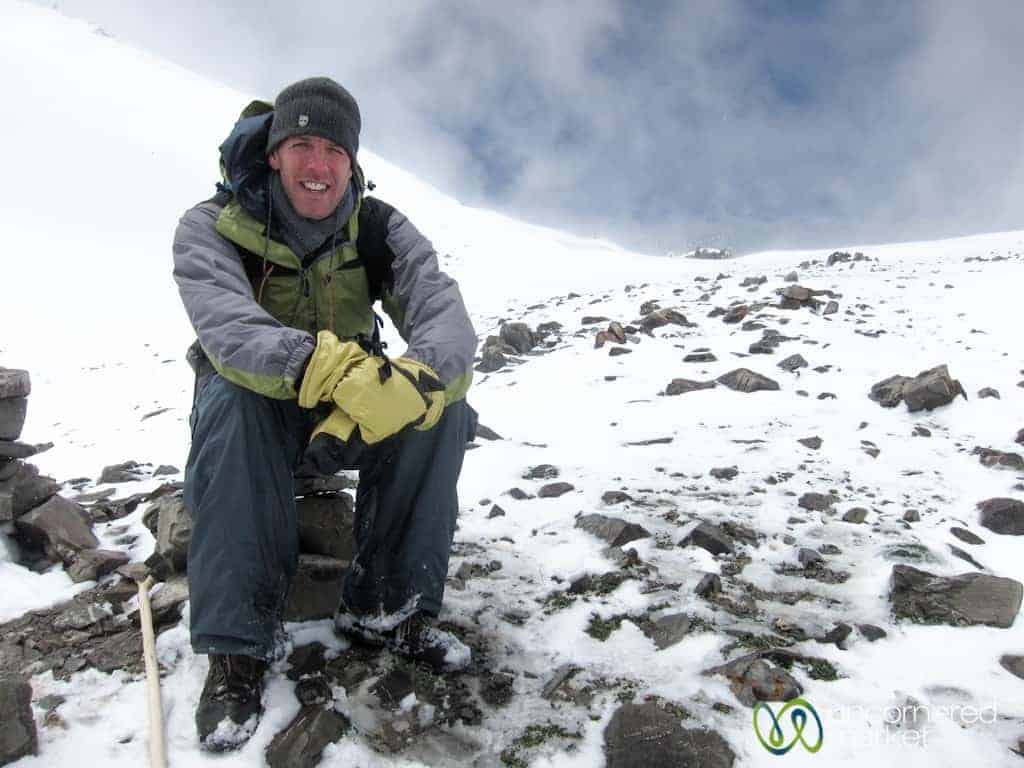
Footwear: The Foundation of a Comfortable Trek
Investing in quality footwear is paramount, as shoes can significantly impact the overall trekking experience.
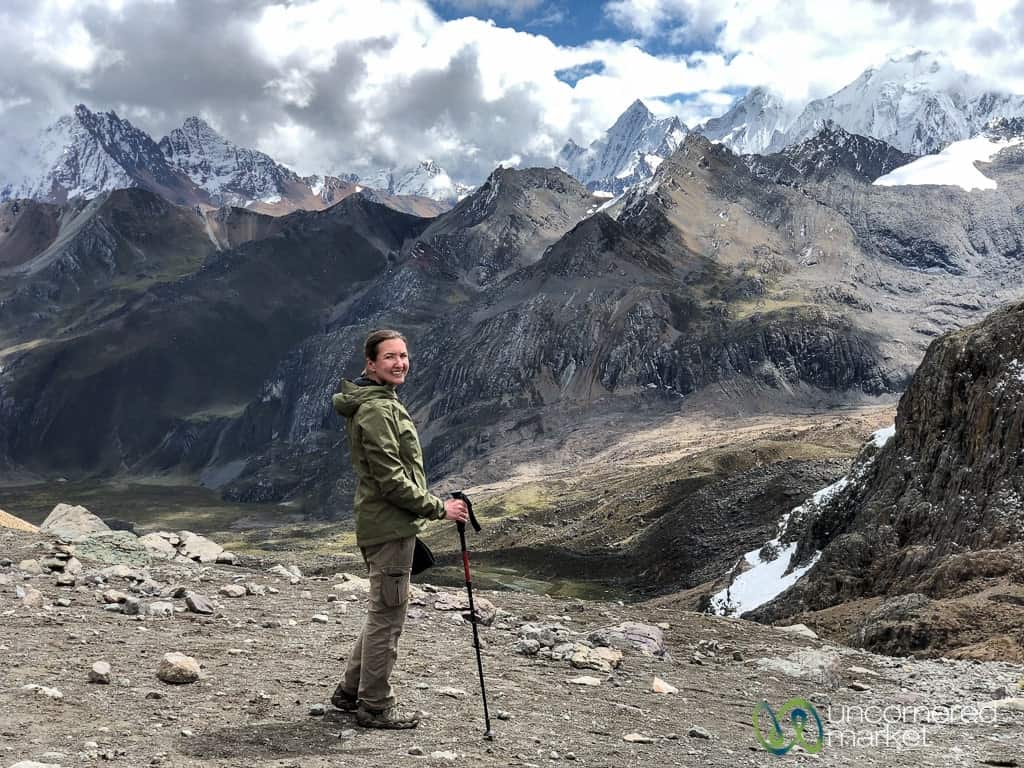
Hiking Shoes or Boots
- Mid- or High-Support Footwear: The necessity of ankle support depends on individual needs and the terrain. Brands like Oboz Sawtooth offer excellent support and durability, with the added benefit of a reforestation initiative for each pair sold.
Camp Footwear
- Flip-flops or River Shoes: Essential for providing feet a break from hiking boots and for navigating between accommodations and facilities. River shoes are also useful for safely crossing water bodies.
Essential Ancillary Gear
Beyond clothing and footwear, several other items contribute significantly to a well-prepared hike.
Sleeping and Drying Gear
- Sleeping Bag Liner: A silk liner offers a clean, lightweight barrier in accommodations or rented sleeping bags, enhancing comfort and hygiene.
- Quick-Drying Travel Towel: Compact and fast-drying, essential for personal hygiene when amenities are limited.
- Silicone Earplugs: Crucial for ensuring restful sleep amidst natural or human-made noises.
Trekking Poles and Walking Sticks
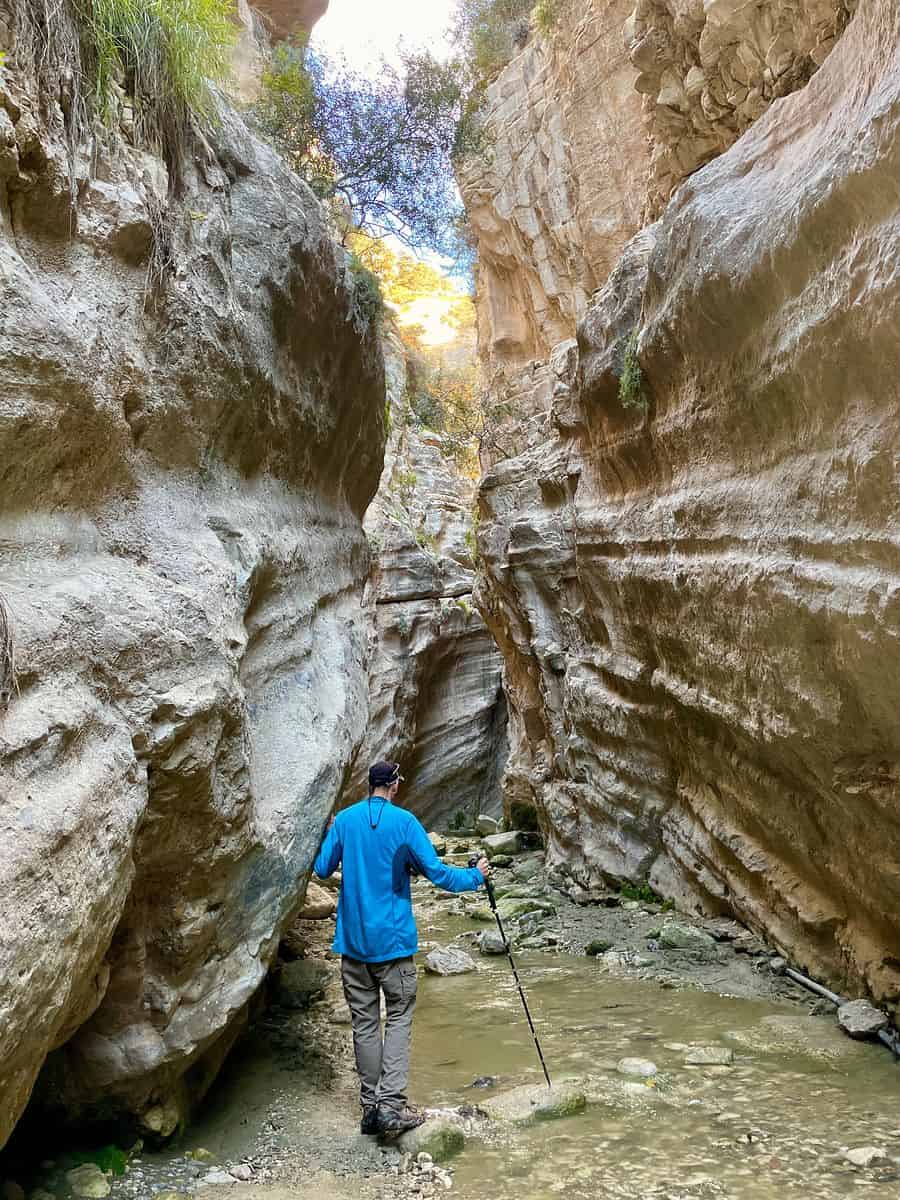
- Walking Stick: Highly recommended for stability, especially on steep descents. A pair of foldable trekking poles offers excellent support and is convenient for travel. Improvised walking sticks can also be utilized if necessary.
Tools and Illumination
- Multi-tool (e.g., Leatherman): A versatile tool for various trailside needs, from food preparation to minor repairs.
- Headlamp: Essential for navigation in low light, at night, or in accommodations without reliable electricity.
Hydration and Water Purification
- Reusable Water Bottle: Carrying a liter-sized bottle and a hydration bladder encourages consistent water intake.
- Water Purification Methods: Options include water bottles with integrated filters, UV purifiers (SteriPEN), or purification tablets/drops, ensuring access to safe drinking water from natural sources.
Sun Protection
- High SPF Sunscreen, Hat, and Sunglasses: Essential for mitigating the effects of intense solar radiation at altitude.
- Moisturizing Skin Cream and Lip Balm (with SPF): To combat dryness and chapping in arid mountain environments.
Personal Hygiene and First Aid
- Hand Sanitizer and Soap: Crucial for maintaining hygiene and preventing illness.
- Toilet Paper/Tissue Packets: Self-sufficiency is key in remote areas.
- Basic First Aid Kit: Including bandages, pain relievers, rehydration salts, and blister treatment (duct tape, Compeed).
- Personal Medications: Carrying essential prescription and over-the-counter medications is advisable, as access to pharmacies can be limited.
Specialized Gear
- Dry Sack: Protects critical gear from moisture during rain or river crossings.
- Camera Bag: A dedicated bag ensures the safety and accessibility of photographic equipment.
- Hiking Snacks: Energy bars, nuts, and dried fruit provide essential sustenance between meals.
Winter Hiking Considerations
For treks undertaken in colder months, specific gear becomes vital.
Winter Sleeping Bag
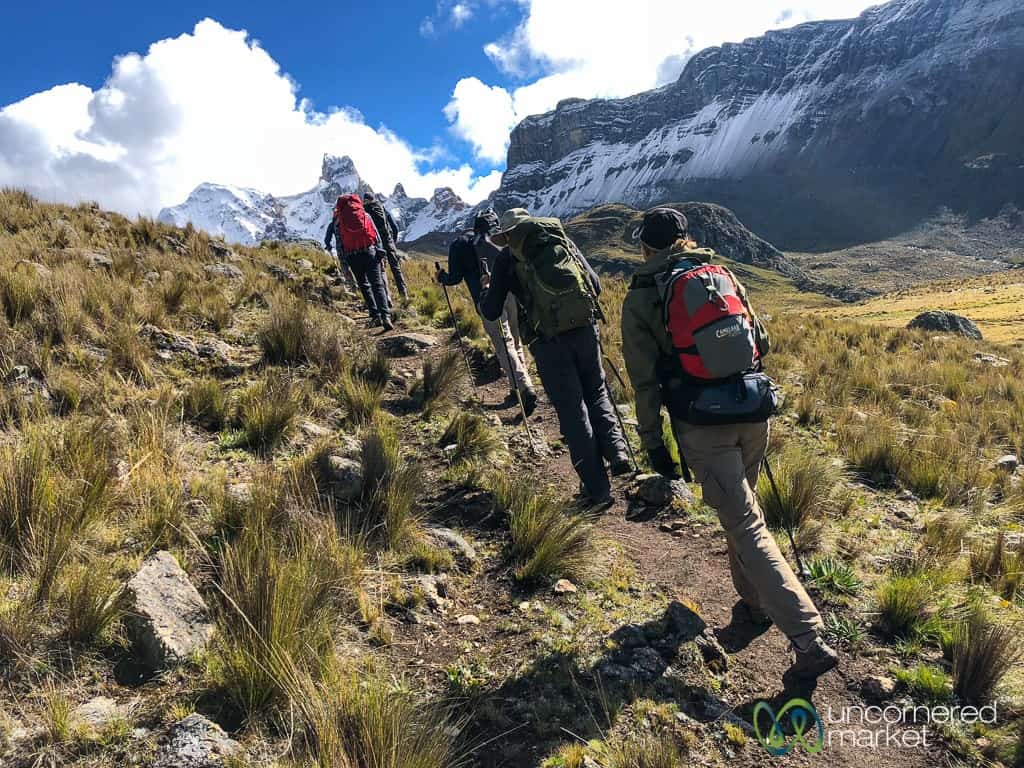
A sleeping bag with a comfort rating of -10°C (14°F) or lower is essential for adequate warmth during winter camping. Synthetic fill bags are often more practical for trekking in wet conditions, though down offers superior warmth-to-weight ratio if managed carefully.
Winter Clothing and Accessories
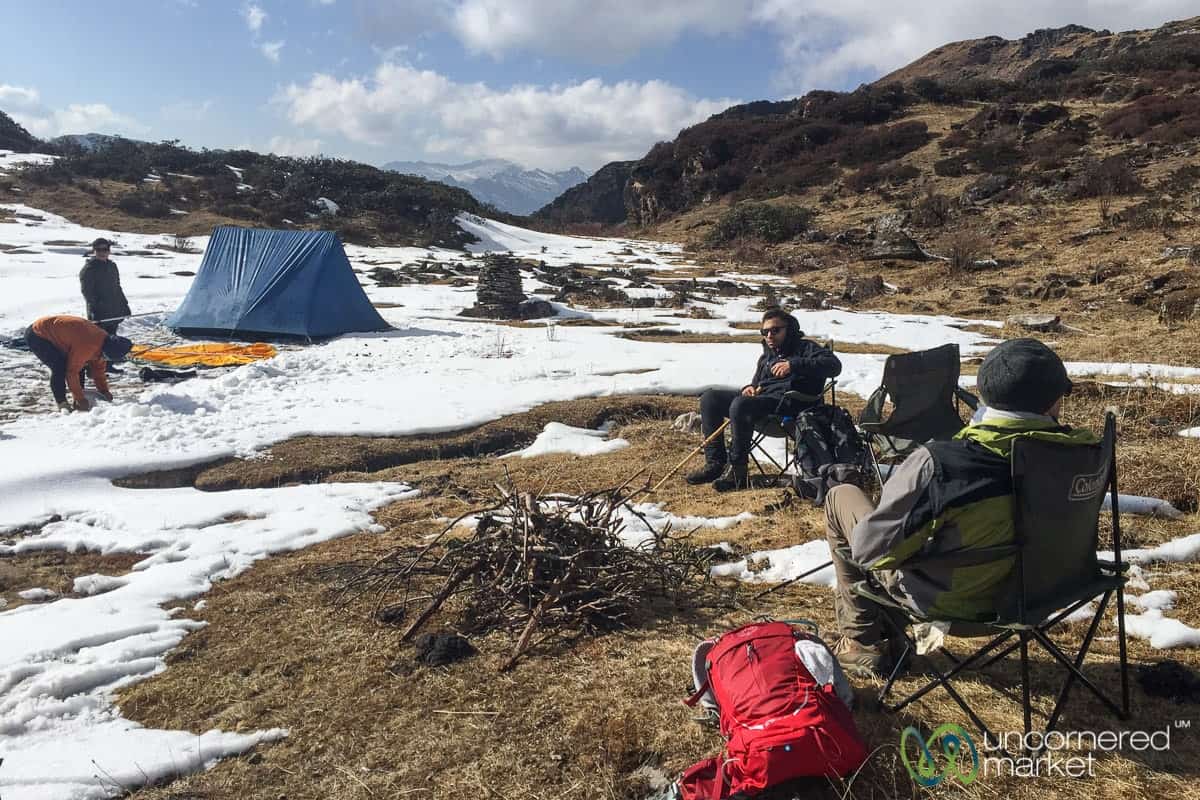
While the layering principle remains, heavier and more insulating layers are required.
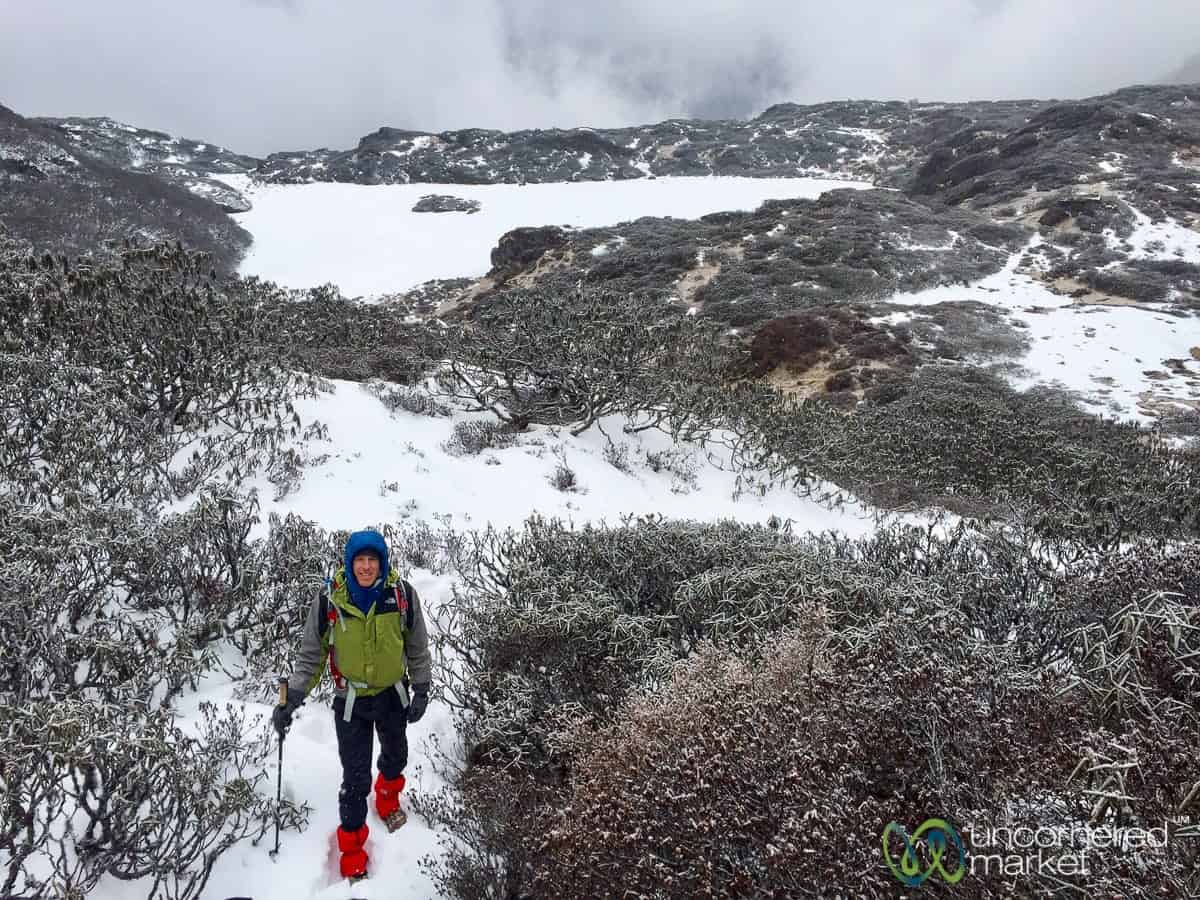
- Shoe Gaiters: Prevent snow and moisture from entering footwear.
- Crampons or Traction Cleats: Provide grip on icy or snowy surfaces.
- Waterproof Gloves/Mittens: Crucial for maintaining hand warmth and dexterity in wet and cold conditions.
- Hand/Toe Warmers: Adhesive warmers offer an extra layer of heat for extremities.
- Heavier Base Layers: Wool or thermal synthetics for sleeping and active wear in cold temperatures.
Sustainable Gear Acquisition
When purchasing hiking gear, consider brands and products that prioritize environmental responsibility, durability, and ethical production. Opting for items made from recycled materials, those with repair programs, or brands committed to fair labor practices can contribute to more sustainable outdoor pursuits.
The Ultimate Hiking Essentials Checklist
To facilitate comprehensive preparation, a downloadable one-page hiking packing checklist is available. This tool serves as a final review to ensure all necessary items are accounted for before departure, preventing the inconvenience of missing critical gear on the trail.
Conclusion
The ultimate hiking essentials checklist is more than just a list of items; it’s a framework for thoughtful preparation. By understanding the principles of layering, prioritizing essential gear, and learning from the experiences of seasoned trekkers, hikers can embark on their adventures with confidence, prepared to embrace the challenges and joys of the natural world.