The Ultimate Guide to Berlin Christmas Markets: History, Neighborhoods, and Where to Find the Best Festive Cheer

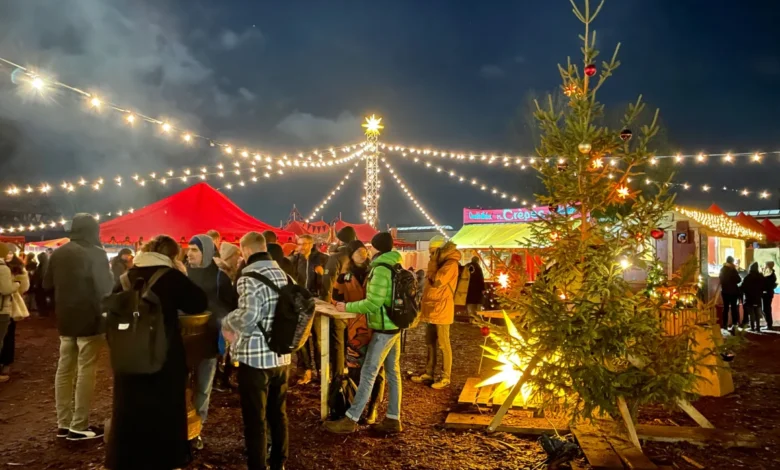
The holiday season in the German capital transforms the urban landscape into a vast network of festive celebrations. Unlike many European municipalities that center their winter festivities around a single municipal square, Berlin boasts an expansive roster of roughly 70 distinct Christmas markets, or Weihnachtsmärkte. Spanning from the historic baroque courtyards of Charlottenburg to the industrial brick complexes of Friedrichshain and the quiet residential squares of Neukölln, the city’s seasonal markets reflect its decentralized geography and diverse cultural identity.

For travelers and residents alike, navigating this labyrinth of winter markets requires strategic planning. These gatherings serve not merely as commercial retail spaces, but as vital community hubs where neighbors congregate during the shortest, darkest days of the year to consume traditional seasonal fare, converse over steaming mugs of spiced wine, and combat the onset of winter lethargy.

The Evolution and Cultural Significance of Berlin’s Holiday Markets
Historically, Berlin’s Christmas markets lacked the centuries-old international renown enjoyed by southern counterparts in Munich, Nuremberg, or Stuttgart. The city’s fragmented layout—a consequence of its complex history and absence of a single, unified historic town center—prevented the consolidation of one dominant market. Instead, Berlin developed a decentralized model. Over the past three decades, this structural quirk has evolved into the city’s primary advantage, allowing distinct neighborhoods to curate hyper-local celebrations tailored to specific architectural aesthetics and subcultures.

The timeline of the winter season typically commences in late November, aligning with the first Sunday of Advent. Markets generally open their gates around November 25 and continue operations through December 30, with a select few extending their schedules into the New Year. Because Berlin experiences early winter sunsets—often plunging the city into darkness before 4:00 PM throughout December—the markets capitalize heavily on ambient illumination, utilizing thousands of fairy lights, open bonfires, and glowing architectural facades to create an immersive seasonal atmosphere.

Landmark Markets: Tradition, History, and Architecture
For visitors seeking grandeur and architectural splendor, several large-scale markets anchor the city’s seasonal offerings:
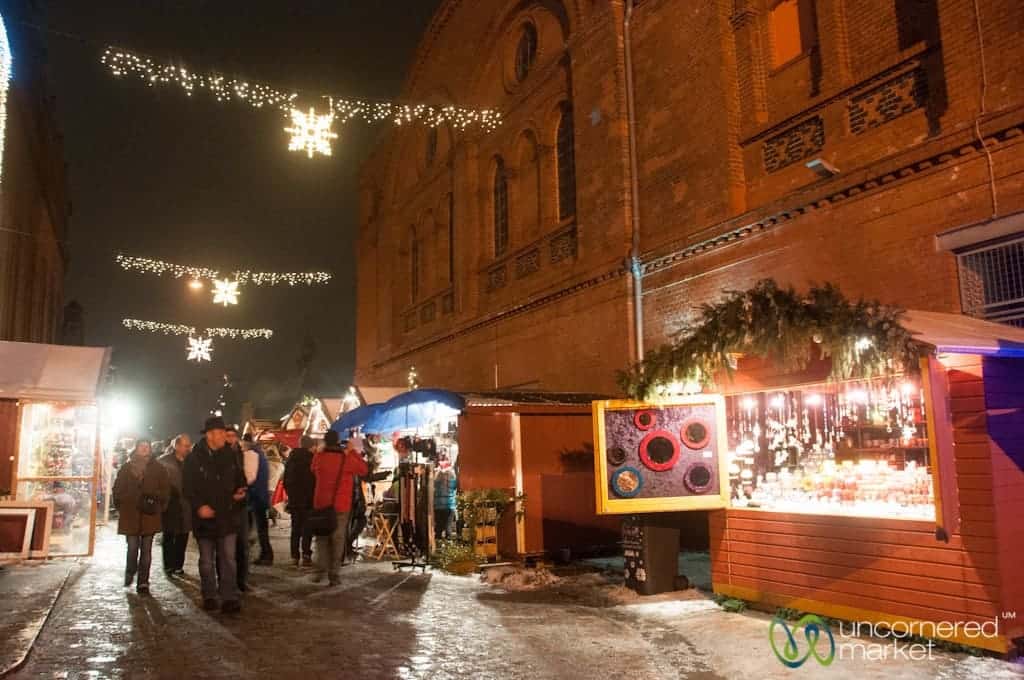
- WeihnachtsZauber Gendarmenmarkt: Set against the monumental backdrop of the Berlin Concert Hall (Konzerthaus) and the French and German Domes, this market emphasizes high-end handicrafts, luxury goods, and gourmet gastronomy. Visitors can sample traditional feuerzangenbowle—a punch made of red wine, rum, and burnt sugar—while exploring artisan woodcarvings and glasswork. A nominal admission fee of €1 regulates crowd flow in this tightly packed historic square.
- Schloss Charlottenburg Christmas Market: Situated directly in the shadow of Berlin’s largest surviving baroque palace, this market evokes traditional European fairytale aesthetics. Towering Christmas pyramids rotate continuously above rows of wooden chalets, complemented by elaborate evening light projections cast against the 300-year-old royal residence.
- Spandau Old Town and Citadel Markets: Located on the western periphery of the city, the Spandau market transforms a well-preserved medieval old town and a Renaissance fortress into a sprawling holiday village. It offers visitors a village-like respite from the bustling inner-city districts, featuring hundreds of domestic and international artisan stalls.
Niche, Alternative, and Neighborhood Celebrations
Beyond the monumental historic squares, Berlin’s distinct neighborhoods host specialized markets catering to diverse cultural niches:

- Lucia Christmas Market at Kulturbrauerei: Housed within the labyrinthine brick courtyards of a 19th-century industrial brewery in Prenzlauer Berg, this market focuses exclusively on Nordic and Scandinavian traditions. Visitors can sample Danish, Norwegian, and Swedish variants of mulled wine (glögg), purchase reindeer hides, and taste Scandinavian street food.
- Historical Christmas Market at RAW: Located in Friedrichshain on the grounds of an alternative cultural center, this market adopts a medieval theme. Featuring hand-operated wooden carousels, blacksmith demonstrations, axe-throwing competitions, and heavy ceramic mugs of hot mead and spiced cider, it caters heavily to families and fans of historical recreation.
- Alt-Rixdorfer Christmas Market: Operating exclusively during the second weekend of Advent in the historic Neukölln district, this market exemplifies community-driven philanthropy. Local non-profit organizations, schools, and charities operate the stalls, selling homemade goods and regional foods to raise funds for social initiatives. The centerpiece of the square, Richardplatz, features a historic blacksmith workshop and pony rides, preserving a village-like atmosphere within an urban setting.
- Heissa Holzmarkt: Positioned directly along the Spree River, this venue combines modern urban aesthetics with traditional winter customs. Operating on weekends throughout Advent, it features riverside bonfires, silent disco installations, international food vendors, and art studios, reflecting the creative ethos of its surrounding neighborhood.
- Schloss Britz and Domäne Dahlem: For travelers seeking quieter, agriculturally focused environments, these manor-house markets emphasize organic regional produce, artisan preserves, and historical craftsmanship, offering a deliberate departure from commercialized holiday retail.
Economic and Logistical Implications for Tourism
The proliferation of roughly 70 distinct markets exerts a significant economic impact on Berlin’s hospitality and retail sectors during the fourth quarter. Local municipal tourism boards emphasize that the decentralized nature of the markets disperses tourist traffic away from central transit hubs, alleviating congestion while driving economic activity into outer boroughs such as Spandau, Treptow-Köpenick, and Steglitz-Zehlendorf.

City planners and transit authorities coordinate closely during the Advent season to manage increased pedestrian flows around major market sites, deploying supplementary public transportation services on the U-Bahn and S-Bahn networks. Security measures and waste management protocols are similarly scaled up by district authorities to accommodate the millions of domestic and international visitors who frequent the markets annually.

Practical Guidelines for Travelers
Visitors planning a winter excursion to Berlin should note several logistical considerations:
- Payment Methods: While electronic payment has expanded significantly across Germany, many smaller craft and food stalls at Christmas markets still operate strictly on a cash basis (Nur Barzahlung).
- Deposit Systems (Pffand): Hot beverages such as Glühwein or Eierpunsch are typically served in ceramic mugs or decorative cups requiring a small deposit (usually €2 to €4). Patrons can either return the mug to the vendor to retrieve their cash or keep the cup as a branded souvenir.
- Dress Code: Berlin winters are characterized by damp, freezing temperatures and biting winds, particularly in open squares and riverfront locations. Layered thermal apparel, windproof outerwear, and insulated footwear are essential for sustained outdoor comfort.