Jasper National Park: A Comprehensive Guide to Canada’s Premier Dark Sky Winter Escape

When the sun retreats behind the rugged, snow-dusted peaks of the Canadian Rockies, Jasper National Park undergoes a profound transformation, shifting from a hub of alpine adventure into one of the world’s most significant astronomical sanctuaries. As Canada’s largest accessible Dark Sky Preserve—an area spanning over 11,000 square kilometers—Jasper offers a rare intersection of luxury hospitality, mountain culture, and celestial discovery. For the discerning traveler, the hours between dusk and dawn in this UNESCO World Heritage site are not merely a conclusion to the day, but the start of a sophisticated nocturnal experience.
The Evolution of Dark Sky Tourism in the Rockies
The designation of Jasper as a Dark Sky Preserve in 2011 by the Royal Astronomical Society of Canada (RASC) was a landmark event in Canadian conservation. The initiative was born out of a necessity to protect the local ecosystem from light pollution, which disrupts the migratory patterns of nocturnal wildlife and the biological rhythms of flora. By implementing strict lighting bylaws, the Municipality of Jasper and Parks Canada ensured that the night sky remains a primary attraction.
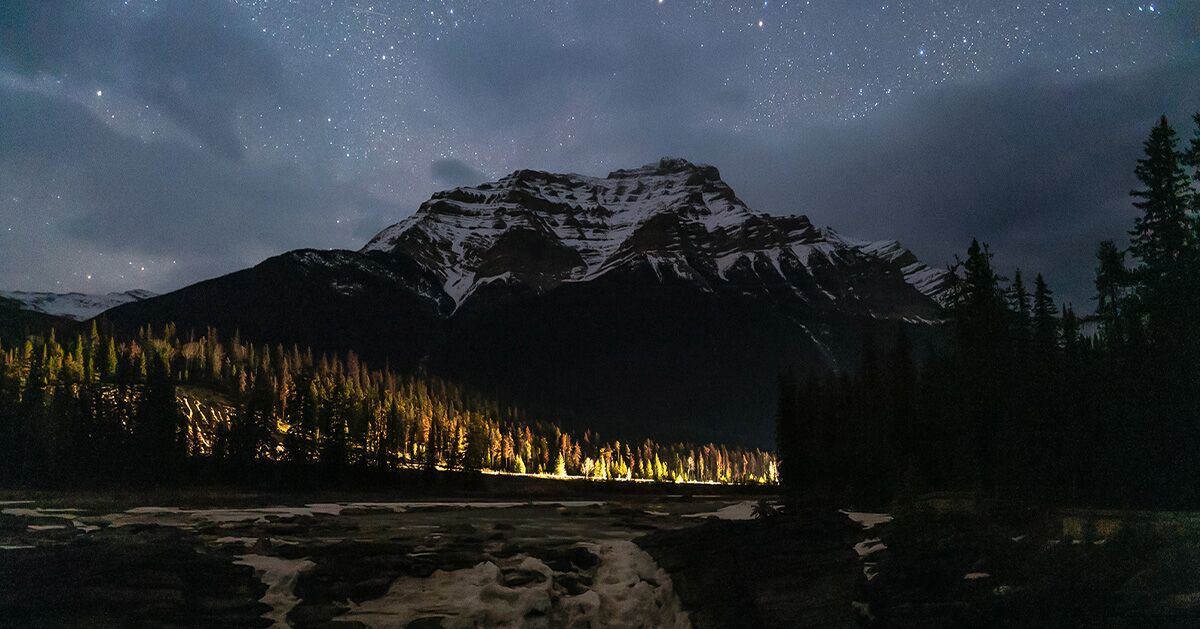
Today, "astro-tourism" has evolved into a cornerstone of the regional economy. Data from Tourism Jasper indicates that winter visitation has seen a consistent upward trend, as visitors increasingly seek the "Dark Sky Festival" experience outside of the peak summer months. With roughly 15 hours of darkness available daily between November and March, the park provides an unparalleled window for observing the Milky Way, the rings of Saturn, and the elusive Aurora Borealis.
Chronology of a Jasper Winter Evening
For the modern traveler, a typical itinerary in Jasper is structured to bridge the gap between high-adrenaline daytime activities and serene evening relaxation. The progression usually follows a standardized arc designed to maximize comfort:
- 16:00 – 17:30: The Après-Ski Transition: Following a day of technical runs at the Marmot Basin ski area, the focus shifts to the town’s vibrant lounge culture. This period serves as the transition from physical exertion to social decompression.
- 18:00 – 20:00: Culinary Immersion: Dinner in Jasper is defined by the "Mountain Cuisine" movement, which emphasizes locally sourced ingredients like Alberta beef, elk, and bison, prepared with traditional French culinary techniques.
- 20:00 – 22:00: Celestial Exploration: Guided by professional astronomers, visitors engage in formal stargazing tours, often situated away from the townsite to avoid residual light.
- 22:00 – 00:00: The Hygge Retreat: The evening concludes with the adoption of the Nordic hygge philosophy—a state of intentional coziness—within the heated, timber-framed environments of resorts like the Fairmont Jasper Park Lodge.
The Fairmont Jasper Park Lodge: A Case Study in Alpine Hospitality
The Fairmont Jasper Park Lodge, originally established as a series of rustic cabins in the early 20th century, has become a benchmark for sustainable mountain luxury. The resort’s approach to the "winter wellness" economy is evidenced by its integration of the natural landscape into its service offerings.
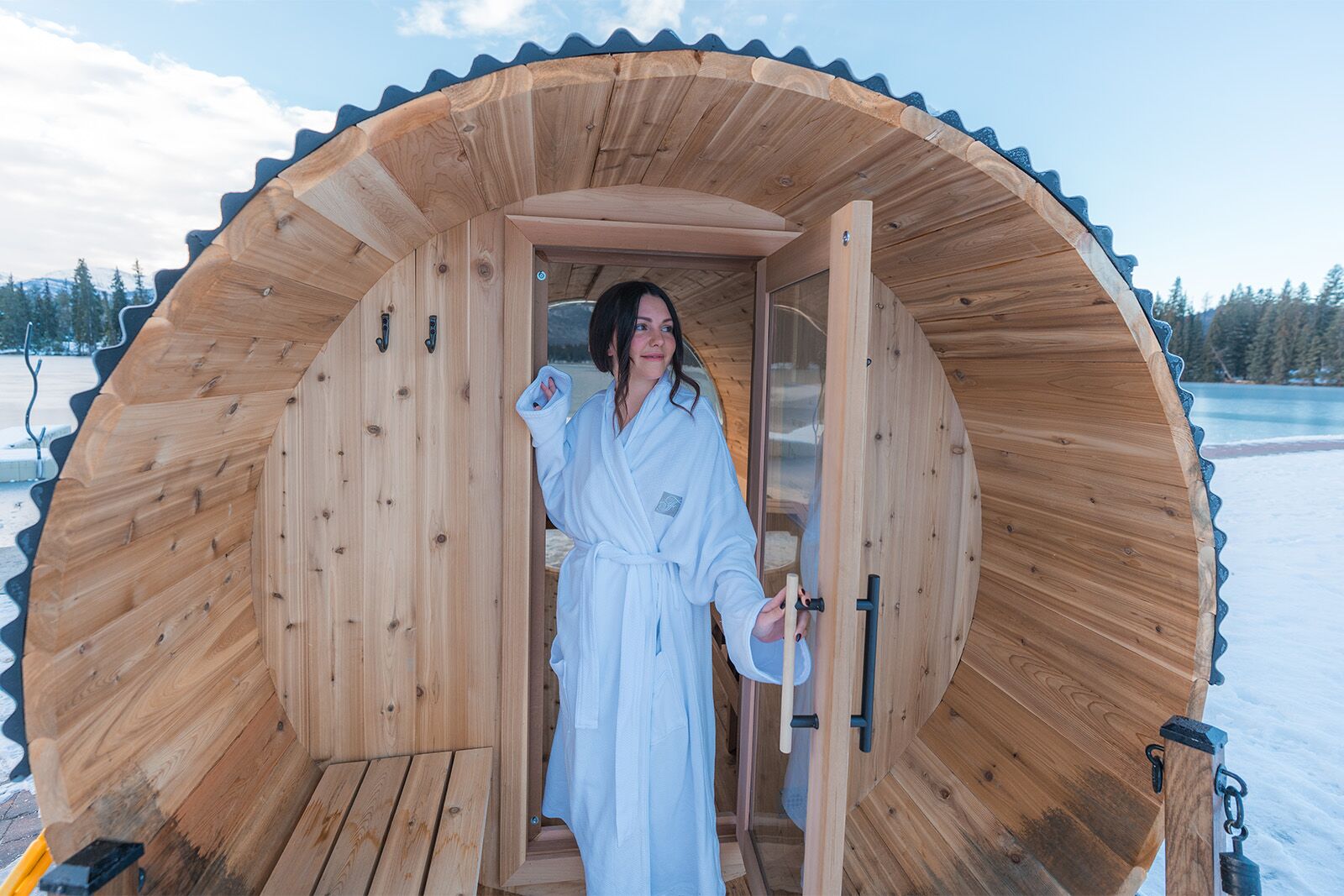
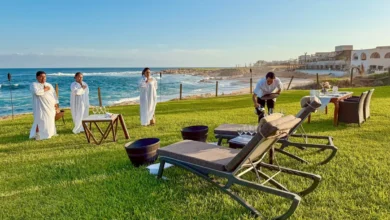
The introduction of the barrel sauna experience overlooking the frozen expanse of Lac Beauvert is a strategic response to the growing demand for "cold-plunge therapy," a wellness trend that has seen a 200% increase in interest among North American luxury travelers over the last five years. By combining the thermal shock of the barrel sauna with the frigid waters of the lake, the lodge provides a sensory-rich experience that is both physically invigorating and culturally immersive.
Culinary Landscape: Bridging Tradition and Innovation
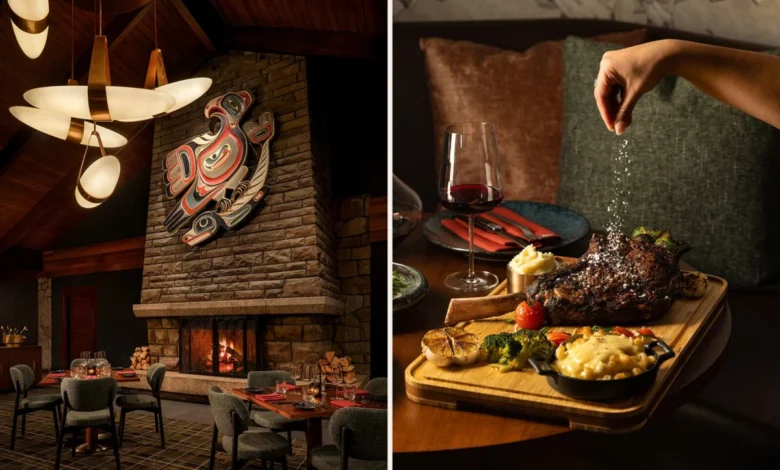
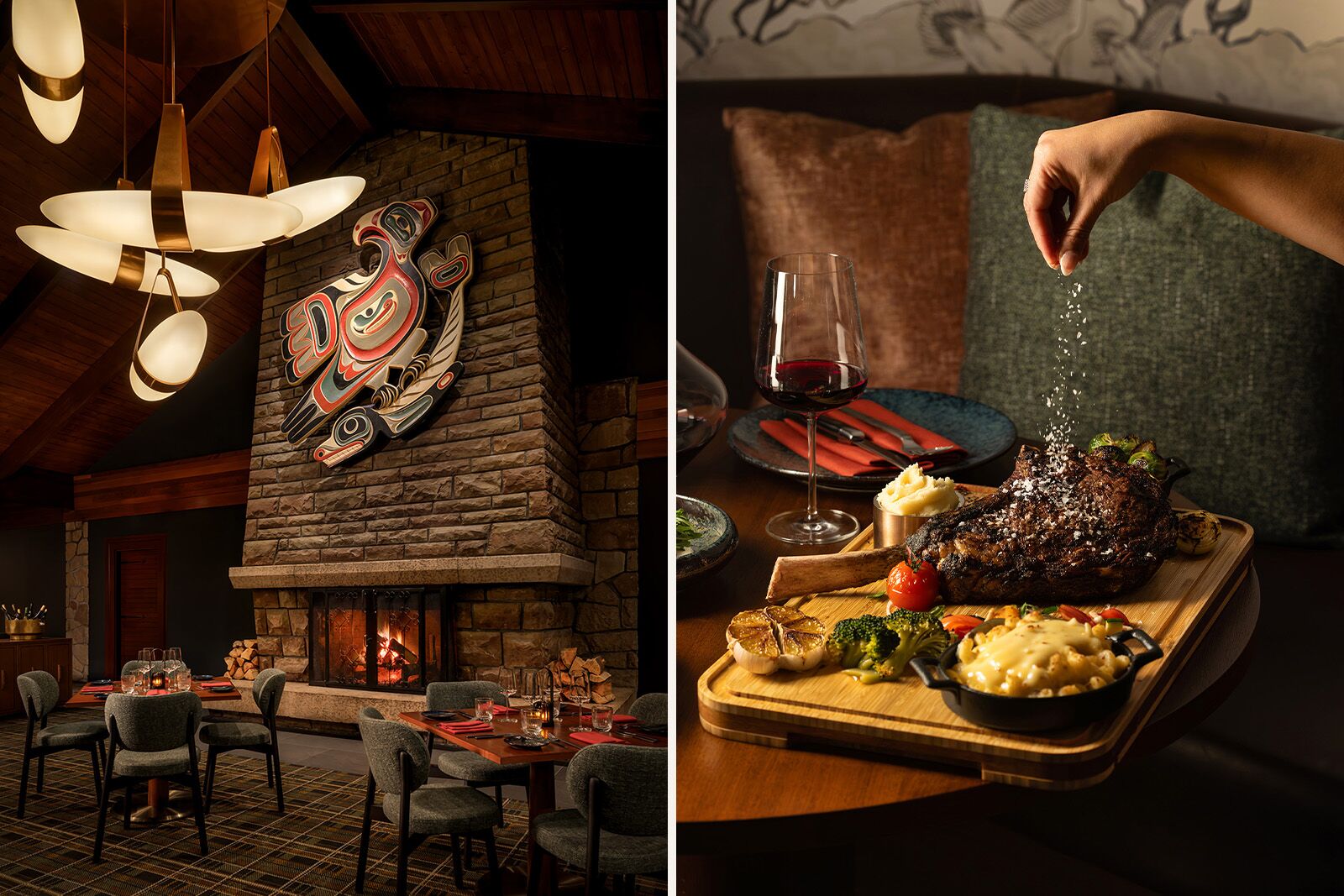
The dining scene in Jasper has undergone a marked shift toward elevated, provenance-based gastronomy. The opening of The Barbicon steakhouse at the Fairmont is a focal point of this evolution. By centering the dining experience around the resort’s original 1922 Tyndall stone fireplace, the establishment leans into the heritage of the park while offering a menu that appeals to contemporary tastes.
"The culinary identity of the Rockies is rooted in the harshness of the environment," notes a local hospitality analyst. "When you pair a high-quality Alberta beef cut with refined French preparations, you are not just providing a meal; you are telling the story of the region’s settlement and its modern-day luxury status."
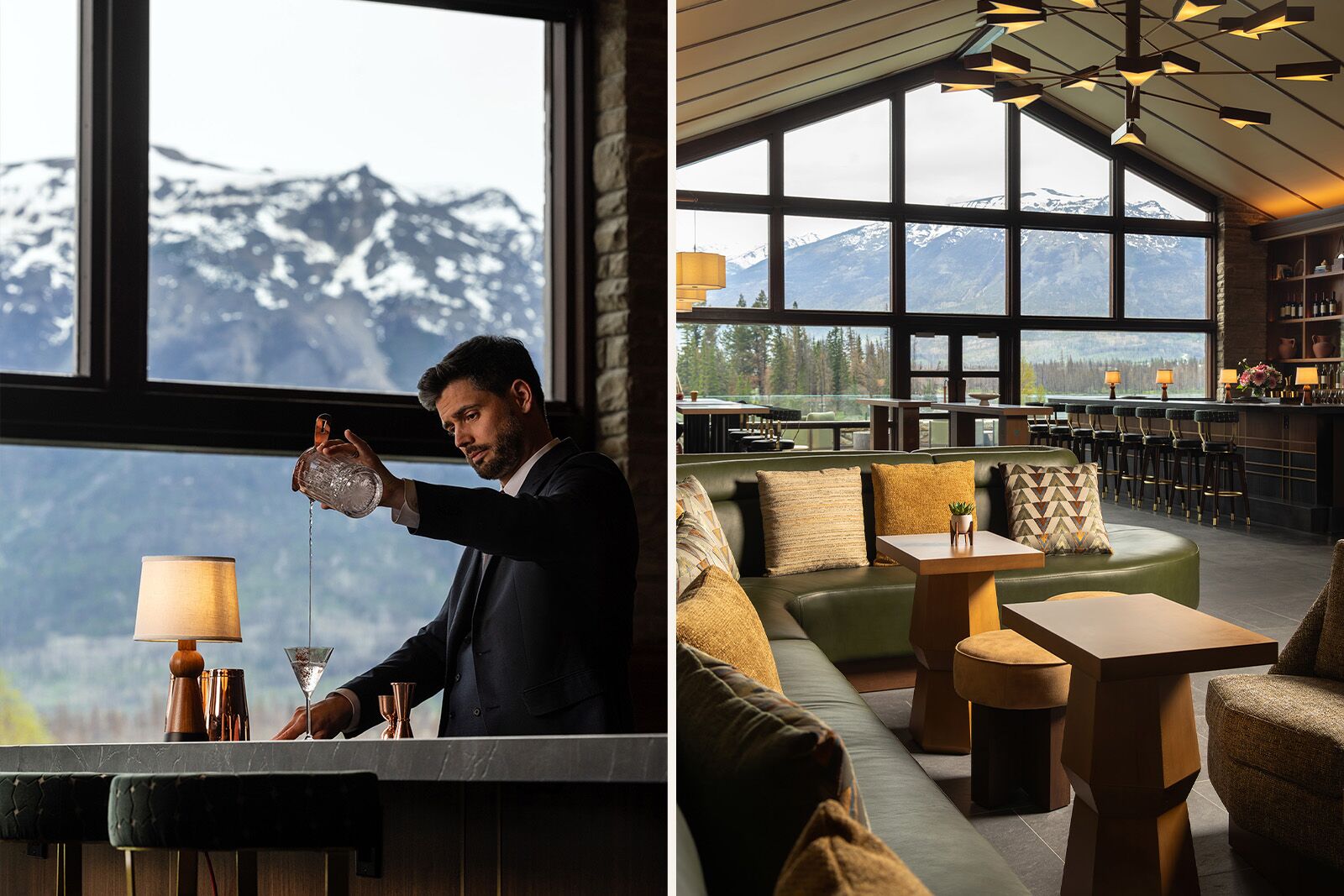
In the townsite, establishments like The Maligne Range are capitalizing on the "distillery-as-destination" trend. By distilling spirits on-site and utilizing local ingredients, such as maple and wild-foraged botanicals, these venues provide an authentic alternative to mass-produced beverage offerings. This movement is supported by the growing popularity of "craft-spirit tourism," where travelers specifically seek out local production facilities as part of their travel itinerary.
Astronomical Significance and Indigenous Connection
The Jasper Planetarium acts as an educational anchor for the Dark Sky Preserve. According to the facility’s management, the importance of the night sky extends beyond science; it is deeply tied to Indigenous history. Many First Nations groups have used the stars as navigational tools and oral history markers for millennia. Integrating these narratives into the visitor experience has provided a layer of depth that distinguishes Jasper from other international dark-sky destinations.
For those venturing into the wilderness, experts like Tyler Burgardt, the Planetarium manager, emphasize the importance of location selection. Areas like Medicine Lake and Pyramid Lake offer expansive, unobstructed horizons, which are essential for viewing the lower-altitude celestial phenomena that are often obscured in more developed mountainous regions.
Analysis of Broader Implications: Sustainability and Tourism
The shift toward nocturnal tourism has profound implications for environmental conservation. By incentivizing the protection of darkness, the tourism industry in Jasper creates a self-sustaining cycle: the more travelers value the night sky, the more pressure there is on local government to mitigate light pollution.
However, this growth brings challenges. Balancing increased human presence with the ecological requirements of sensitive species—such as the endangered woodland caribou—requires careful management. Parks Canada’s current strategy involves concentrated tourism nodes, such as the Fairmont and the townsite, to minimize the human footprint in the deeper reaches of the backcountry.
From a macroeconomic perspective, the "Dark Sky" designation has effectively lengthened the tourist season. By marketing the winter night as a primary attraction rather than a deterrent, Jasper has successfully diversified its income streams, reducing the economic volatility that historically plagued single-season mountain towns.
Looking Ahead: The Future of the Mountain Escape
As we look toward the 2026-2027 winter season, the trend toward "slow travel"—the intentional, unhurried exploration of a destination—appears to be the dominant preference for travelers visiting the Rockies. The combination of high-end, fireplace-warmed dining, immersive astronomical education, and the stark, quiet beauty of the snow-covered mountains provides a compelling value proposition.
Whether one is observing the rings of Saturn through a professional-grade telescope at Lake Annette or simply enjoying a craft Caesar by a roaring hearth at Lume, the experience of Jasper in winter is a reminder of the restorative power of nature. As global urbanization continues to reduce our connection to the cosmos, places like Jasper provide an essential service: the opportunity to look up, disconnect from the digital noise, and engage with the ancient, enduring stillness of the night.
With 15 hours of darkness as a canvas, the park is poised to remain a leader in the global movement toward dark-sky preservation and thoughtful, sustainable winter tourism. The planning for a visit to Jasper is, in effect, a commitment to a slower, more deliberate pace of life—a rare commodity in the modern world.