The Skift Creator Summit brings together the travel industry’s most influential operators to bridge the gap in creator-led demand

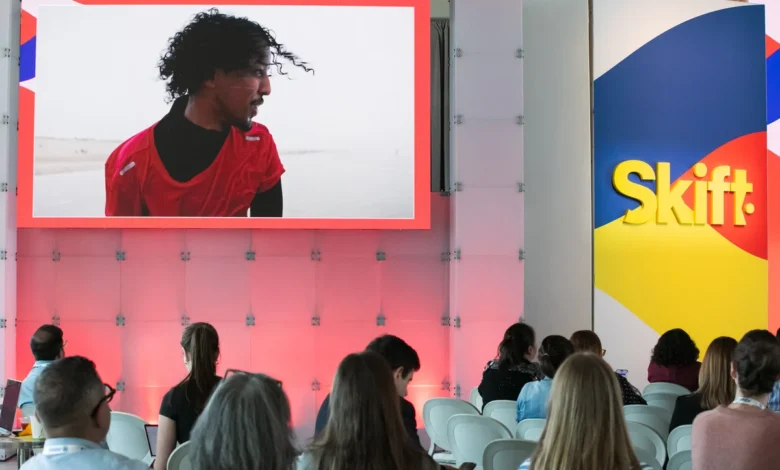
The travel industry is currently grappling with a structural paradox: creator-led demand is undeniably the most potent driver of modern consumer travel bookings, yet it remains functionally fragmented across the entire travel ecosystem. While travel brands observe the revenue impact, and social platforms capture the engagement metrics, the journey from an influencer’s viral video to a verified hotel or flight booking remains a disjointed path. On September 22, the Skift Creator Summit, presented by Meta, will attempt to reconcile this disconnect by bringing the architects of this ecosystem—the operators, strategists, and platform leaders—into a single, high-stakes, closed-door environment.
This initiative addresses a critical blind spot in current marketing structures. In the current landscape, the brand sees the marketing spend, the platform tracks the initial click, the affiliate network processes the payout, and the creator maintains the trust of the audience. No single seat at the executive table currently possesses the visibility to track this entire lifecycle. By concentrating these disparate stakeholders into one room, the summit aims to move beyond theoretical discussions and into the mechanics of performance-driven creator strategies.
The Evolution of Creator-Led Travel Marketing
To understand the necessity of this summit, one must look at the rapid evolution of the creator economy over the last five years. Historically, influencer marketing was categorized under public relations or brand awareness—a soft metric that was difficult to tie directly to bottom-line performance. That era has officially ended.
According to data from the Influencer Marketing Hub, the global creator economy reached an estimated market size of $250 billion in 2023, with projections suggesting it could double by 2027. Within the travel sector specifically, the shift has been even more pronounced. Travel has become one of the most visual and aspirational categories on platforms like TikTok and Instagram, turning creators into the primary search engines for Gen Z and Millennial travelers.
In 2021, the focus was on simple partnerships and sponsored posts. By 2023, the focus shifted toward "affiliate-led content," where creators were incentivized by performance-based payouts. Today, we are in the era of "full-funnel integration," where travel brands are looking to embed booking engines directly into social content, bypassing traditional third-party intermediaries. The Skift Creator Summit marks a turning point where these disparate, evolving pieces—platform technology, creator strategy, and brand execution—must finally align to optimize the conversion path.
A Chronology of the Creator Shift
The rise of this summit follows a clear timeline of market maturation within the travel industry:
- 2018–2019: The Awareness Era. Travel brands began allocating small percentages of their social budgets to Instagram influencers for "look and feel" campaigns, primarily measured by impressions and reach.
- 2020–2021: The Digital Pivot. During the pandemic, social media became the primary vehicle for virtual travel, accelerating the adoption of video-first creators as essential marketing assets.
- 2022: The Rise of the Creator-Affiliate Model. Travel brands began implementing deeper tracking pixels and affiliate links, allowing them to measure the return on investment (ROI) from specific influencers for the first time.
- 2023: The Platform Integration Phase. Meta, TikTok, and other platforms introduced native booking capabilities, reducing the "friction" between discovery and transaction.
- 2024: The Operational Integration. The industry realizes that silos between content teams, performance marketers, and affiliate managers are preventing scaling, leading to the necessity of events like the Skift Creator Summit to formalize cross-functional collaboration.
Why a Closed-Door, Operator-Focused Format Matters
The summit distinguishes itself from traditional industry conferences by restricting attendance to "operators who own an outcome." This is a strategic decision. Large-scale industry trade shows often cater to high-level networking and broad-based panels. In contrast, the Skift Creator Summit is designed for those responsible for P&L, budget allocation, and conversion strategy.
By vetting attendees for their specific roles—such as heads of paid social, influencer marketing managers at major OTAs (Online Travel Agencies), and strategic leads at airlines and cruise lines—the event creates a peer-to-peer environment. When an airline’s social lead discusses the challenges of attributing a booking to a specific video with an agency’s performance buyer, the value proposition moves from theory to tangible solutions.
The exclusionary nature of the event is intended to foster radical transparency. In an open environment, brand representatives might be hesitant to share the specific metrics, failure points, or conversion rates associated with their creator campaigns. By keeping the room closed, participants can discuss the "how" behind their successes and failures, creating a repository of institutional knowledge that is currently missing from the market.
Supporting Data and Industry Implications
Recent analysis of travel consumer behavior highlights why this level of coordination is urgent. A study by Google found that nearly 40% of Gen Z travelers prefer using TikTok and Instagram over Google Search or Maps for travel planning. This fundamental shift in discovery means that if a travel brand does not have a seamless path from a creator’s video to a booking confirmation, they are essentially losing a massive portion of their addressable market.
However, the conversion funnel remains broken. The industry average for conversion on social-driven traffic is significantly lower than that of traditional search-driven traffic. This is largely due to the "path-to-purchase" friction. A user sees a stunning video, clicks a link, and is often sent to a generic landing page where they must re-enter search parameters. The operators meeting at the summit are focused on fixing this: utilizing deep-linking, influencer-specific booking codes, and platform-integrated checkout flows.
Furthermore, the shift toward "creator-led demand" has forced travel brands to reconsider their agency partnerships. Agencies are no longer just buying media; they are now acting as talent agents, data analysts, and tech integrators. The summit will provide a platform for these agencies to explain how they are shifting their internal resources to meet these demands, ensuring that the brands they represent are not left behind in the race for social-driven bookings.
Official Responses and Industry Outlook
While specific internal details of the sessions remain confidential, industry leaders have signaled that the conversation is moving toward the formalization of "creator-led demand" as a core revenue channel. Representatives from Meta, the presenting partner, have emphasized the importance of high-intent content.
"The goal is not just to reach an audience, but to convert an intent," said a spokesperson close to the event planning. "We are moving away from the era where ‘influencer marketing’ was a line item in a PR budget. It is now a performance channel. The challenge for 2025 and beyond is not finding creators, but standardizing the attribution models so that brands can invest with the same confidence they have in traditional performance media like Google or Meta Ads."
Broader Impact on the Travel Economy
The broader implications of this summit are significant. As travel companies professionalize their creator strategies, we can expect to see a consolidation of influencer marketing technology. Currently, brands use dozens of different platforms to track creators, manage payouts, and analyze engagement. A more cohesive "path" would likely lead to the adoption of centralized management platforms that can provide a single view of the creator-led customer journey.
Additionally, this shift will likely influence the internal hiring profiles of travel companies. We are already seeing a rise in roles like "Director of Creator Operations" and "Social Commerce Strategist." These roles require a hybrid skill set: an understanding of creative storytelling combined with a deep, technical knowledge of affiliate tracking and data analytics.
Ultimately, the Skift Creator Summit serves as a microcosm of the wider digital transformation occurring in the travel sector. It is an acknowledgment that the traditional model—where brands dictate the narrative through top-down advertising—has been permanently supplanted by a decentralized model where the audience follows the creator, and the brand must follow the audience. By gathering the operators who are actually managing this transition, the summit aims to provide the framework for a more efficient, profitable, and cohesive future for travel marketing.
As the industry prepares for the September 22 gathering, the expectation is that the outcomes will not just be improved marketing tactics, but a fundamental rethinking of how travel companies engage with the digital ecosystem. For the operators in the room, the goal is simple: to transform the chaotic, fragmented world of social content into a disciplined, high-performing, and measurable revenue stream.