New CEO Tewolde Gebremariam Shifts Air India Focus from Rapid Expansion to Profitability and Operational Excellence

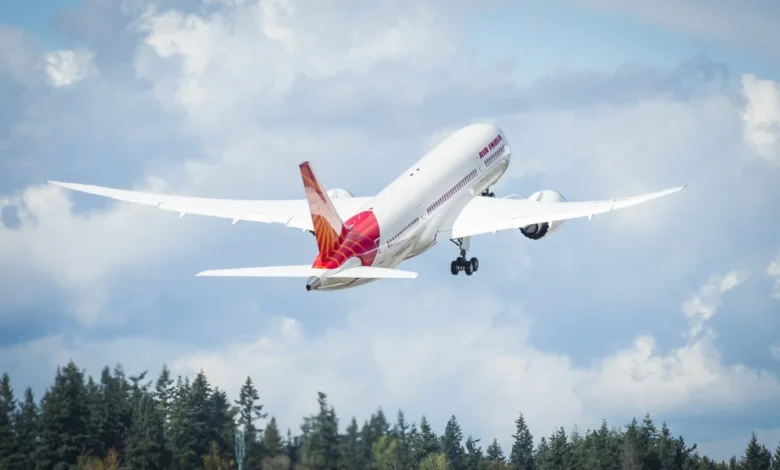
Air India has spent the past four years aggressively scaling its operations, but under the leadership of incoming CEO Tewolde Gebremariam, the airline is pivoting toward a mandate of operational refinement and long-term financial sustainability. Gebremariam, widely recognized for his transformative tenure at the helm of Ethiopian Airlines, addressed Air India’s workforce during a town hall meeting on Monday, signaling a strategic transition from the “growth at any cost” phase to a period of disciplined profitability and service quality improvement.
While Gebremariam has yet to formally assume the dual roles of CEO and managing director—a process currently stalled by standard regulatory review protocols for foreign nationals leading Indian carriers—his presence at the company-wide town hall marks the beginning of a new era for the Tata Group-owned carrier. This leadership transition follows the tenure of Campbell Wilson, who navigated the airline through the complex integration of the Vistara merger and a massive fleet overhaul.
A New Chapter for the Tata Group’s Flagship
The trajectory of Air India since its 2022 acquisition by the Tata Group has been nothing short of transformative. Following decades of state ownership, the airline was tasked with reclaiming its status as a global aviation powerhouse. This required a multi-pronged approach: the acquisition of a massive order for 470 aircraft from Boeing and Airbus, the total modernization of cabin interiors, a complete overhaul of IT infrastructure, and the consolidation of India’s aviation market through the absorption of Vistara and the restructuring of Air India Express.
As Gebremariam prepares to take the reins, he inherits an airline that is structurally larger but operationally burdened by the growing pains of rapid integration. The transition from growth to profitability is a standard, albeit difficult, progression in aviation history. For Gebremariam, the challenge will be to ensure that the massive capital expenditure invested in new wide-body and narrow-body aircraft translates into higher load factors and improved yield management.
The Ethiopian Airlines Blueprint
Gebremariam’s appointment is not accidental. During his tenure at Ethiopian Airlines from 2011 to 2022, he transformed the carrier into the most profitable and reliable airline in Africa. He utilized a strategy of hub-and-spoke connectivity that turned Addis Ababa into a global transit point for passengers moving between Asia, the Middle East, and the Americas.
Industry analysts suggest that Tata Group is seeking to replicate this “Ethiopian model” within the Indian context. By leveraging India’s geographic position as a natural bridge between East and West, Air India intends to capture a larger share of the lucrative long-haul transit market. However, unlike the environment he navigated in Addis Ababa, Gebremariam now faces intense competition from established Middle Eastern giants such as Emirates, Qatar Airways, and Etihad, all of which currently dominate the transit traffic originating from India.
Chronology of the Air India Transformation
To understand the gravity of the current shift, one must look at the timeline of the airline’s recovery:
- January 2022: The Tata Group officially completes the acquisition of Air India from the Government of India, ending 69 years of state control.
- May 2022: Campbell Wilson is appointed CEO and MD, tasked with the "Vihaan.AI" five-year transformation plan.
- February 2023: Air India announces the historic order of 470 aircraft, the largest single-order in commercial aviation history at the time.
- November 2023: The airline begins the process of retiring legacy aircraft and rolling out its new brand identity, including a new livery and logo.
- November 2024: The merger between Vistara and Air India is finalized, consolidating the full-service operations of the Tata aviation group under a single brand.
- June 2025: Tewolde Gebremariam is named the successor to Campbell Wilson, signaling a shift in focus toward profitability and efficiency.
Supporting Data: The Scale of the Challenge
The financial reality facing the new CEO is significant. According to the most recent financial disclosures, Air India has reported substantial losses as it continues to absorb the costs of fleet expansion and rebranding. While revenue per available seat kilometer (RASK) has shown steady improvement, the airline’s cost per available seat kilometer (CASK) remains elevated due to legacy debt and the sheer cost of integrating disparate workforces and systems.
Data from the Directorate General of Civil Aviation (DGCA) indicates that while Air India’s market share in the domestic sector has hovered around 25-28% post-merger, its international footprint is where the most significant potential lies. The airline currently accounts for approximately 18% of international traffic originating from India, a figure the Tata Group aims to double by 2030. Achieving this, however, requires not just more planes, but higher technical reliability and a premium customer experience that can compete with global tier-one carriers.
Official Responses and Internal Sentiment
While the airline has kept details of the town hall private, sources within the company suggest that employees are cautiously optimistic. The staff, which has undergone significant upheaval due to the Vistara integration, is looking for stability and a clear roadmap for career growth.
“The morale within the organization has been tested by the sheer pace of change,” says one industry consultant close to the matter. “Gebremariam’s reputation as a steady hand who understands the complexities of state-backed airlines transitioning to private management is exactly what the board feels is needed right now. The message at the town hall was clear: the heavy lifting of building the machine is done; now we must learn to fly it profitably.”
The regulatory process for Gebremariam’s appointment is expected to take several weeks. Under Indian law, the Ministry of Civil Aviation and the Ministry of Home Affairs must conduct security and background clearances for foreign nationals heading critical infrastructure sectors. Similar to the timeline experienced by Wilson, this delay is standard and not expected to impede the strategic direction already set by the board.
Broader Implications for the Indian Aviation Market
The shift toward profitability at Air India has massive implications for the broader Indian market. As the country’s aviation sector grows at double-digit rates, the presence of a strong, profitable flag carrier is seen as a national priority.
If Gebremariam succeeds, it will likely lead to a cooling of the aggressive price wars that have characterized the Indian market in recent years. Instead of prioritizing volume at the expense of margins, a profitable Air India will focus on premium services, loyalty program integration, and operational efficiency. This shift could force competitors like IndiGo—which currently dominates the domestic market—to adjust their own strategies, potentially leading to a more mature and consolidated aviation sector in India.
However, the risks remain high. Global supply chain disruptions continue to affect the delivery schedules of new aircraft, and the volatility of aviation turbine fuel (ATF) prices remains an unpredictable variable. Furthermore, the cultural integration of the various airline entities remains a sensitive task. Gebremariam will need to foster a unified corporate culture that bridges the gap between the legacy Air India workforce, the former Vistara employees, and the low-cost model of Air India Express.
Conclusion: A Measured Future
The appointment of Tewolde Gebremariam represents a strategic recalibration for the Tata Group. By bringing in a leader with a proven track record of operational efficiency, the company is demonstrating that it is no longer satisfied with simply being a large airline; it intends to be a high-performance one.
As the airline enters this new phase, the industry will be watching closely to see if the "Ethiopian model" can indeed be successfully transplanted to the Indian landscape. The challenge is immense, but the foundation—a modern fleet, a merged network, and the backing of one of the world’s most respected conglomerates—is in place. The success of the next four years will depend not on the number of new planes ordered, but on the ability to fill them at a profit and deliver a service standard that finally restores Air India to its former glory.
Related posts: