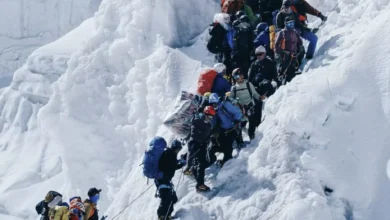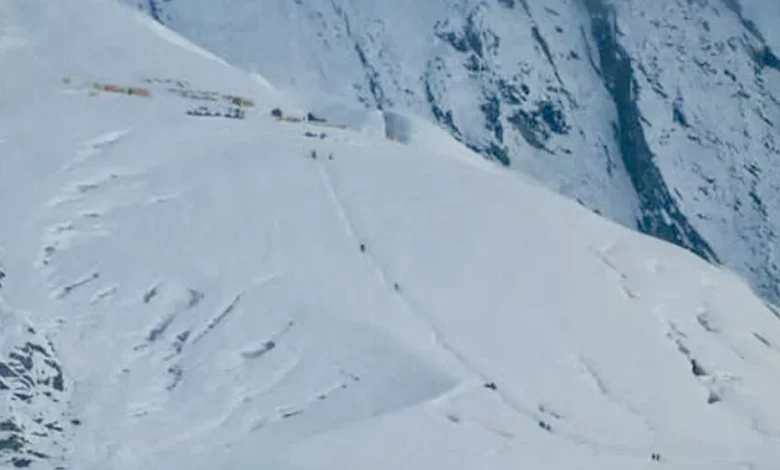
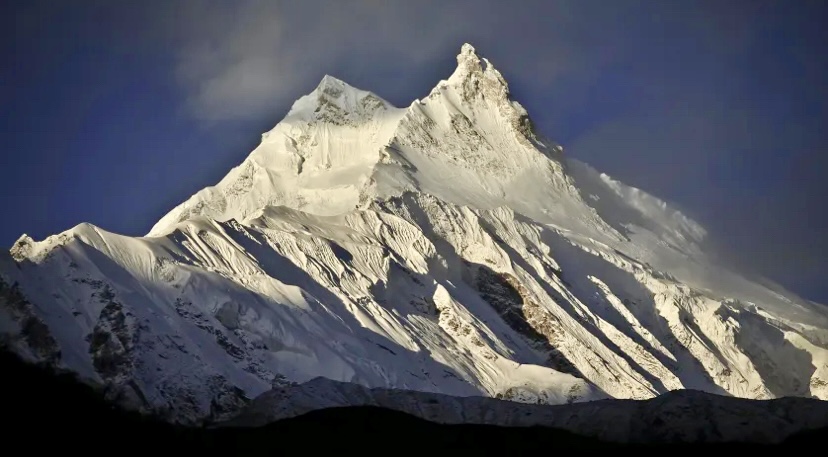
The high-altitude climbing season in the Himalayas has proven particularly lethal this year, punctuated by a series of cascading tragedies that have left the mountaineering community in a state of somber reflection. From the loss of ten lives on Broad Peak to the catastrophic glacial flooding on the Nepal-Tibet border and the suspected loss of 16 staff members at the Himlung Base Camp, the mountains have displayed an unforgiving volatility. Manaslu, the world’s eighth-highest peak at 8,163 meters, has been no exception. The autumn climbing season on the "Mountain of the Spirit" was brought to a sudden, forced conclusion as heavy snowfalls and persistent avalanche risks decimated high-altitude camps, echoing the grim history that has long defined this formidable peak.
Manaslu’s reputation for instability is not a modern development. Among its most harrowing chapters are two distinct mass-casualty events, separated by exactly four decades: the tragedies of 1972 and 2012. In both instances, the mountain’s geography—specifically the mid-mountain zones beneath hanging glaciers and wind-loaded slopes—served as the epicenter for disaster. These events remain the most significant reminders of the inherent risks faced by climbers who operate in the high-altitude death zone.
The Tragedy of 1972: A Family’s Devastation
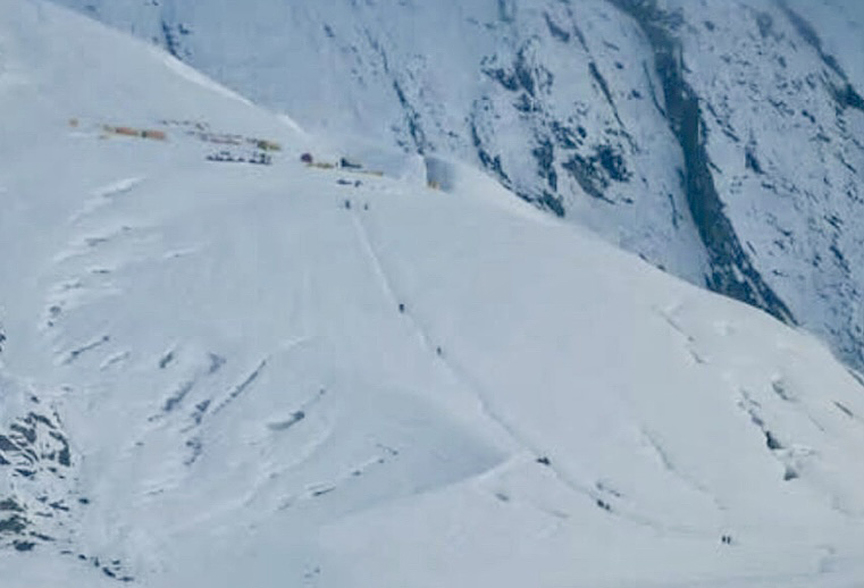
The 1972 spring season on Manaslu was marked by the presence of two distinct expeditions. A South Korean team, led by the Kim family, returned to the Northeast Face with a heavy psychological burden: they were attempting to recover the body of Kim Ki-Sup, who had perished in a crevasse fall at 7,600 meters during the previous year’s expedition. The mission was deeply personal, led by Kim Jung-Sup, with his brothers Kim Ho-Sup and Kim Yae-Sup among the core members.
The expedition, which included 12 climbers and 10 high-altitude Sherpas, faced immense logistical challenges. The team relied on fixed ropes established during their prior attempt, aiming to place five camps to facilitate a safer summit push. By early April, the team had established Camp 3 at 6,500 meters. However, the weather began to deteriorate rapidly. On the night of April 9, heavy, sustained snowfall began to load the steep slopes above the camp. Despite warnings from Sherpa staff regarding the accumulation of snow, the team remained in situ.
At approximately 3:15 a.m. on April 10, the mountain’s silence was broken by a massive roar. A massive avalanche struck the camp with little warning, carrying three climbers—Kim Yae-Sup, Park Chang-Hee, and Japanese photographer Kazunari Yasuhisa—nearly 800 meters down the mountainside. The initial slide was followed by a series of subsequent snow movements and high-velocity winds that buried the camp completely. The death toll was staggering: 15 people lost their lives, including the expedition leader, Kim Ho-Sup. It remains one of the deadliest single-day events in the history of 8,000-meter peak mountaineering.
The Austrian Experience and the Messner Legacy
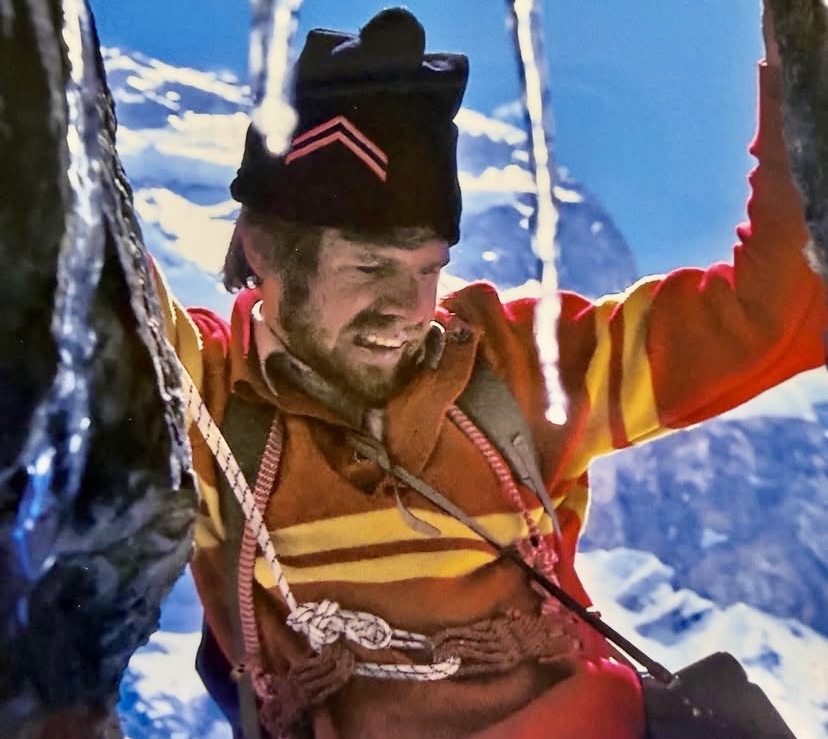
Parallel to the Korean tragedy, an Austrian expedition, led by Wolfgang Nairz and featuring a young Reinhold Messner, was operating on the more technical South Face. On April 25, while the mountain was still in a state of high alert, Messner and Franz Jaeger attempted a summit push from Camp 4 at 7,400 meters. Jaeger, struggling with the physical toll of the ascent, turned back. Messner reached the summit alone around 2:00 p.m. but was caught in a severe, rapidly developing storm during his descent.
The subsequent search for Jaeger proved futile. Horst Fankhauser and Andi Schlick, attempting to assist, were forced to retreat into a snow cave as the storm intensified. Schlick succumbed to exhaustion and hypothermia during the night. The combination of deep, unstable snow and the ferocity of the weather prevented any organized rescue, effectively sealing the fate of the climbers and forcing the expedition to abandon the mountain.
The 2012 Disaster: A Modern Reckoning
Forty years later, the climbing landscape on Manaslu had transformed from small, exploratory parties to large-scale, commercial expeditions. In the autumn of 2012, 67 teams were present on the mountain, creating a density of personnel that significantly increased the exposure to objective hazards.
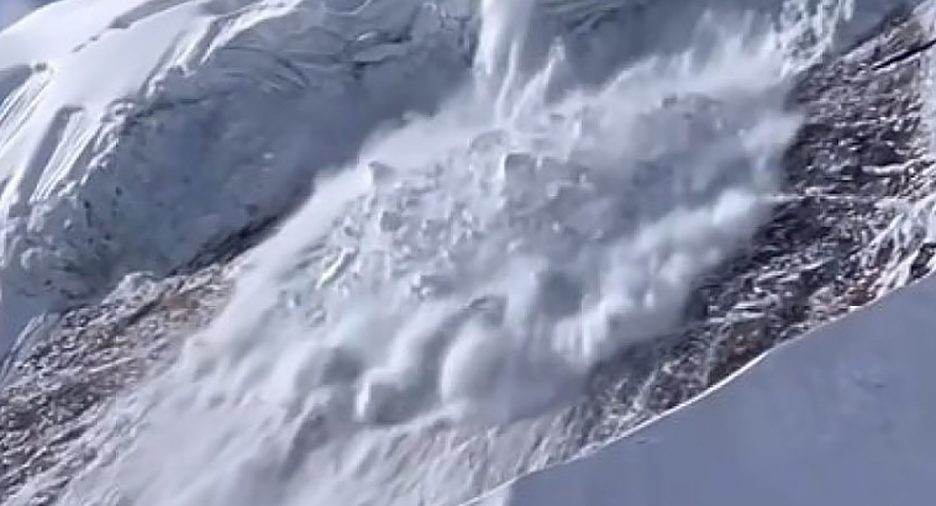
On the morning of September 23, 2012, a serac at approximately 7,500 meters collapsed, triggering a massive slab avalanche that swept directly through the standard Camp 3 location at 6,700–6,800 meters. The impact was devastating. Tents were shredded and buried, and in several instances, climbers were swept hundreds of meters into crevasses.
The casualties included an international cohort of mountaineers. A French-led team suffered the loss of five members, including expedition leader Fabrice Priez. An Italian team lost two climbers, Alberto Magliano and Dawa Dorje Sherpa, who were buried 1.5 meters deep under debris. The French-American ski team, featuring prominent figures such as Glen Plake and the late Remy Lecluse, was also caught in the blast. Plake survived being carried 400 meters down the slope into a crevasse, but Lecluse and teammate Greg Costa were among those lost. In total, 11 lives were extinguished in an event that mirrored the 1972 disaster in both location and outcome.
Analysis of Objective Hazards
The recurring nature of these disasters at the 6,500 to 6,800-meter mark highlights a fundamental challenge in Himalayan mountaineering: the "trap" of mid-mountain camps. Both the 1972 and 2012 tragedies demonstrate that even when climbers adhere to traditional route-finding practices, the susceptibility of the North and Northeast faces to serac fall and wind-loaded slab avalanches remains an unavoidable risk factor.
Data from the Himalayan Database indicates that avalanches account for approximately 48% of all fatalities on Manaslu. This statistic is particularly relevant when considering the increase in commercial activity. The decision-making process for expedition leaders has become more complex, as the pressure to summit—combined with the necessity of maintaining camps in high-traffic, high-risk areas—creates a precarious balance.
Implications for Future Climbing
The forced evacuations of the 2026 season underscore that, despite advancements in weather forecasting and satellite communication, the fundamental reality of high-altitude mountaineering remains unchanged. Modern equipment, including light-weight, high-performance gear, has allowed for faster ascents, but the speed of an avalanche far exceeds the reaction time of any climber.
In the wake of recent events, climbing outfitters and safety experts are renewing calls for stricter risk-assessment protocols. The trend of "crowding" at specific camps—driven by the need to acclimatize within the tight windows of the autumn season—has been identified as a critical vulnerability. When a large percentage of an expedition’s personnel is concentrated in a single, high-exposure camp, the potential for a catastrophic loss of life during a single weather event increases exponentially.
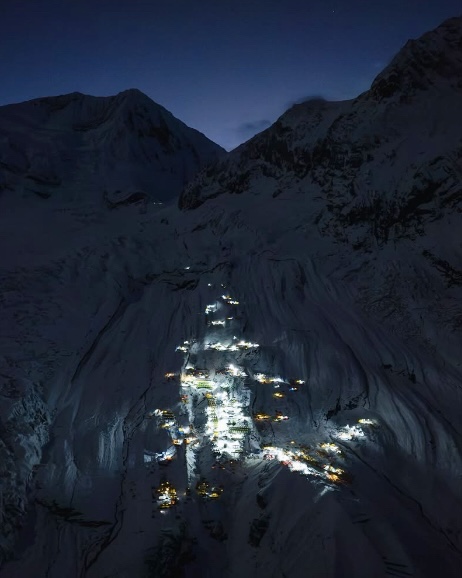
The history of Manaslu serves as a sobering reminder that the mountain’s geography is inherently volatile. While the allure of the 8,000-meter peaks continues to attract thousands of climbers, the lessons of 1972 and 2012 remain as relevant today as they were when they first occurred. Mountaineering, at its highest level, is an exercise in managing the unmanageable, and for many on Manaslu, the mountain has proven that it is the ultimate arbiter of human ambition. As the climbing community looks forward, the focus must shift toward mitigating the risks of fixed-location camps and improving the agility of expeditions to react to the shifting, often lethal, conditions of the high Himalayas.
Related posts: