Pedaling Through the Lowlands: A Comprehensive Guide to Family Cycling Vacations in the Netherlands

The Netherlands has long established itself as a global benchmark for bicycle-centric infrastructure, boasting an estimated 23,000 miles of dedicated bike paths. For families seeking an active vacation that blends outdoor exploration with cultural enrichment, traversing the Dutch landscape on two wheels offers a seamless and engaging travel model. Unlike destinations where cyclists must share narrow road shoulders with high-speed automotive traffic, the Dutch cycling network is largely separated from main vehicular routes. Complete with dedicated traffic signals, smooth asphalt, and clear signage, this vast infrastructure transforms transit between destinations into a primary highlight of the journey rather than a logistical hurdle.
Family cycling travel in this region is further supported by a robust rental market. Beyond standard adult bicycles equipped with child safety seats, local outfitters frequently supply traditional cargo bikes, known locally as bakfiets. These sturdy front-loading vehicles allow parents to transport younger children alongside luggage, picnic supplies, and souvenirs gathered along the route.
Strategic Hubs: Choosing Between The Hague and Amsterdam
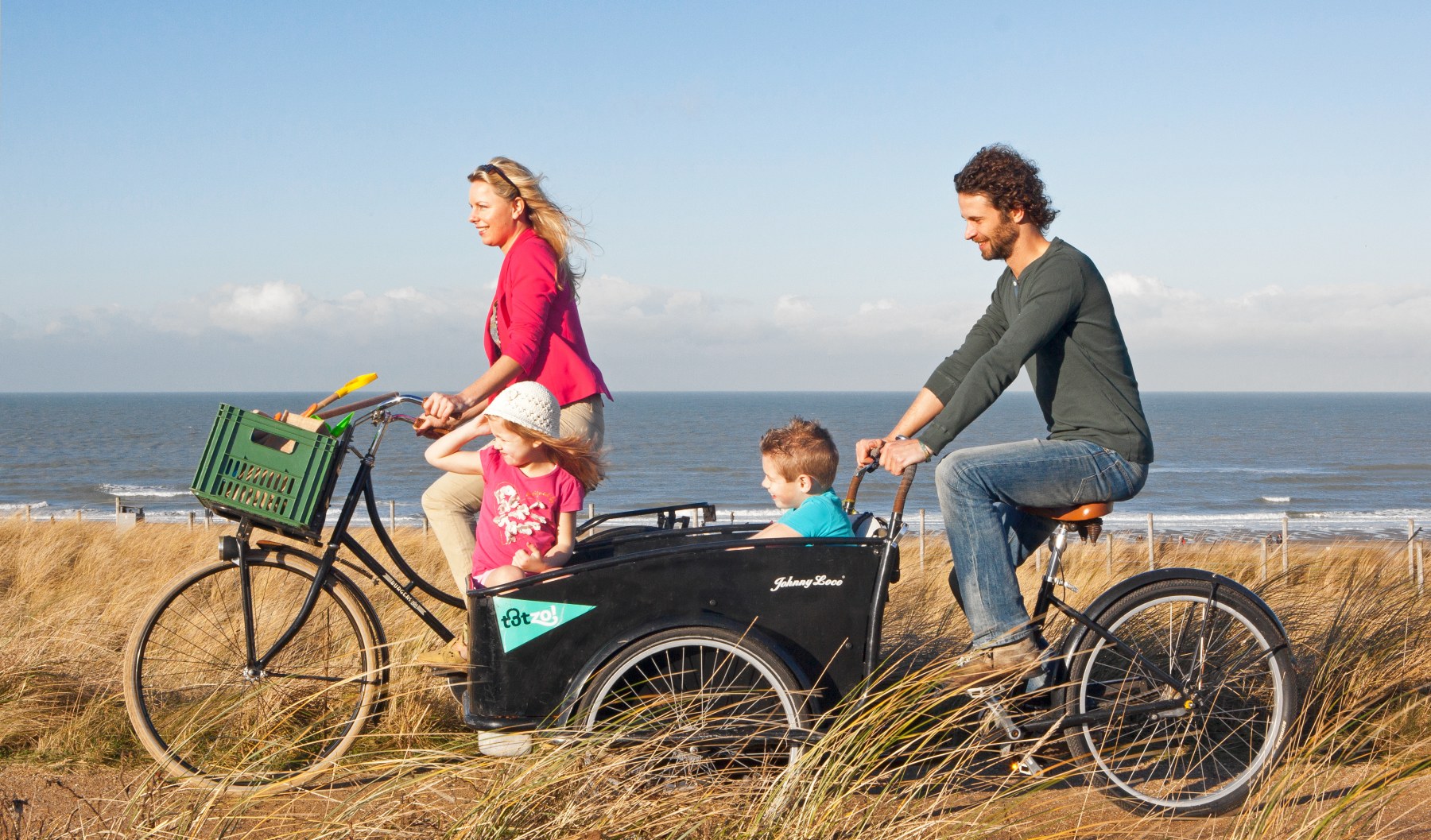
While first-time visitors frequently default to Amsterdam as a primary home base, regional transport planners and family travel experts increasingly recommend decentralized itineraries. Selecting a calmer launchpad, such as The Hague, significantly reduces the friction of navigating dense urban crowds while still granting immediate access to world-class cycling routes.
Operating from The Hague allows families to bypass the heaviest tourist concentrations of the capital while maintaining proximity to major cultural institutions, coastal dunes, and historic towns. For travelers committed to staying in Amsterdam, the city offers its own distinct advantages, including direct access to iconic urban parks and historical day-trip corridors, though urban navigation requires a higher level of vigilance when managing children in traffic.
Cultural Exploration and Youth-Centric Itineraries in The Hague
A successful family itinerary requires balancing adult-oriented cultural sites with high-engagement activities for younger travelers. In The Hague, this balance is readily achieved through a combination of interactive museums and outdoor excursions.
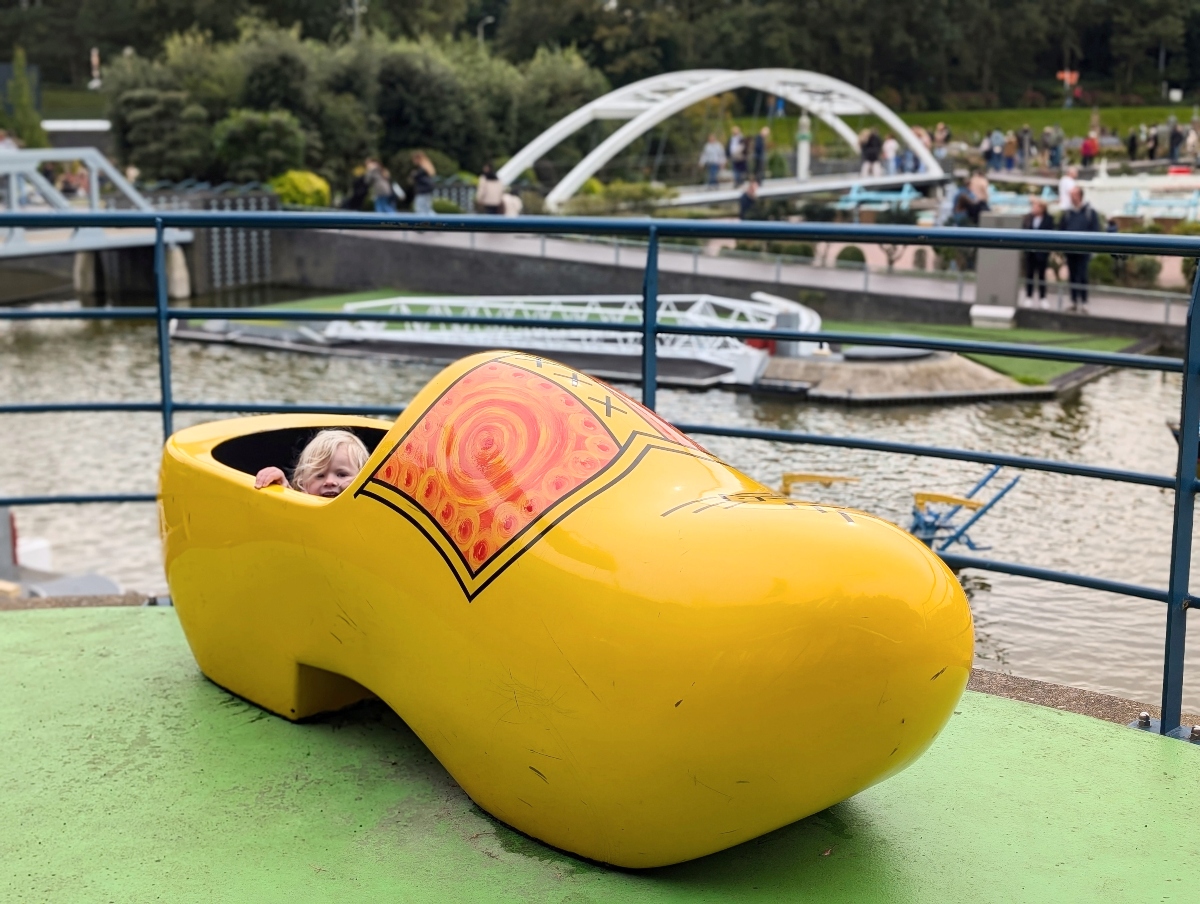
The city serves as the location for Madurodam, an interactive miniature park situated approximately ten minutes by bicycle from the urban center. Opened in 1952, the park features scale models of notable Dutch landmarks, architectural masterpieces, and industrial infrastructure. For children, the appeal lies in hands-on exhibits that allow visitors to operate miniature canal locks, control automated cargo ships, and observe scale-model locomotives traversing complex rail networks.
Art and architectural appreciation can be incorporated through strategic scheduling. The Mauritshuis art museum houses significant works by Dutch Golden Age painters, including Johannes Vermeer’s Girl with a Pearl Earring. While primarily suited for adults and older, art-inclined children, its central location allows for brief visits. Conversely, the Escher in Het Paleis museum—dedicated to the optical illusions and geometric tessellations of M.C. Escher—offers broad visual appeal across age groups, captivating young children and adults alike through impossible perspectives and dynamic patterns.
Culinary traditions also play a functional role in pacing a family bike tour. Traditional Dutch poffertjes—small, fluffy yeast-and-buckwheat pancakes dusted with powdered sugar and served with butter—provide an effective energy source during mid-ride stops. These are readily available at park pavilions such as the Malieveld Pavilion located within the Haagse Bos, one of the oldest protected forests in the country.
Literary Landmarks and Educational Play
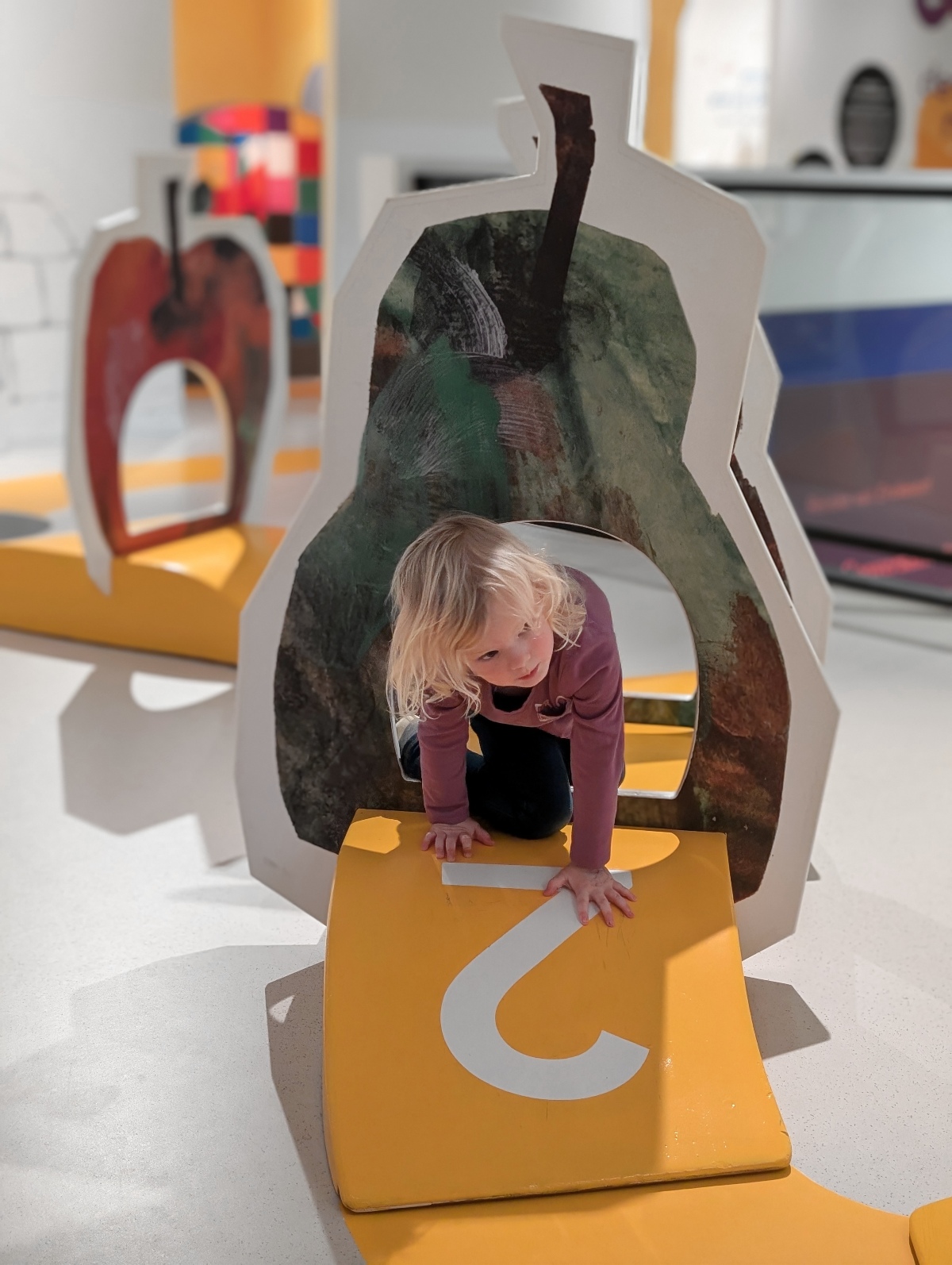
Among the regional highlights for families traveling with young children is the Children’s Book Museum (Kinderboekenmuseum), situated within the Royal Library complex in The Hague. Opened to foster early childhood literacy and imaginative play, the museum transforms classic literary works into physical environments.
Visitors can navigate through scaled-up illustrations inspired by Eric Carle’s The Very Hungry Caterpillar, explore polar habitats reflecting the imagery of Hans de Beer’s Little Polar Bear, and interact with design elements themed around Dick Bruna’s Miffy character. This immersive approach aligns with contemporary educational methodologies that prioritize tactile engagement over passive observation.
Coastal Extensions: The Route to Scheveningen
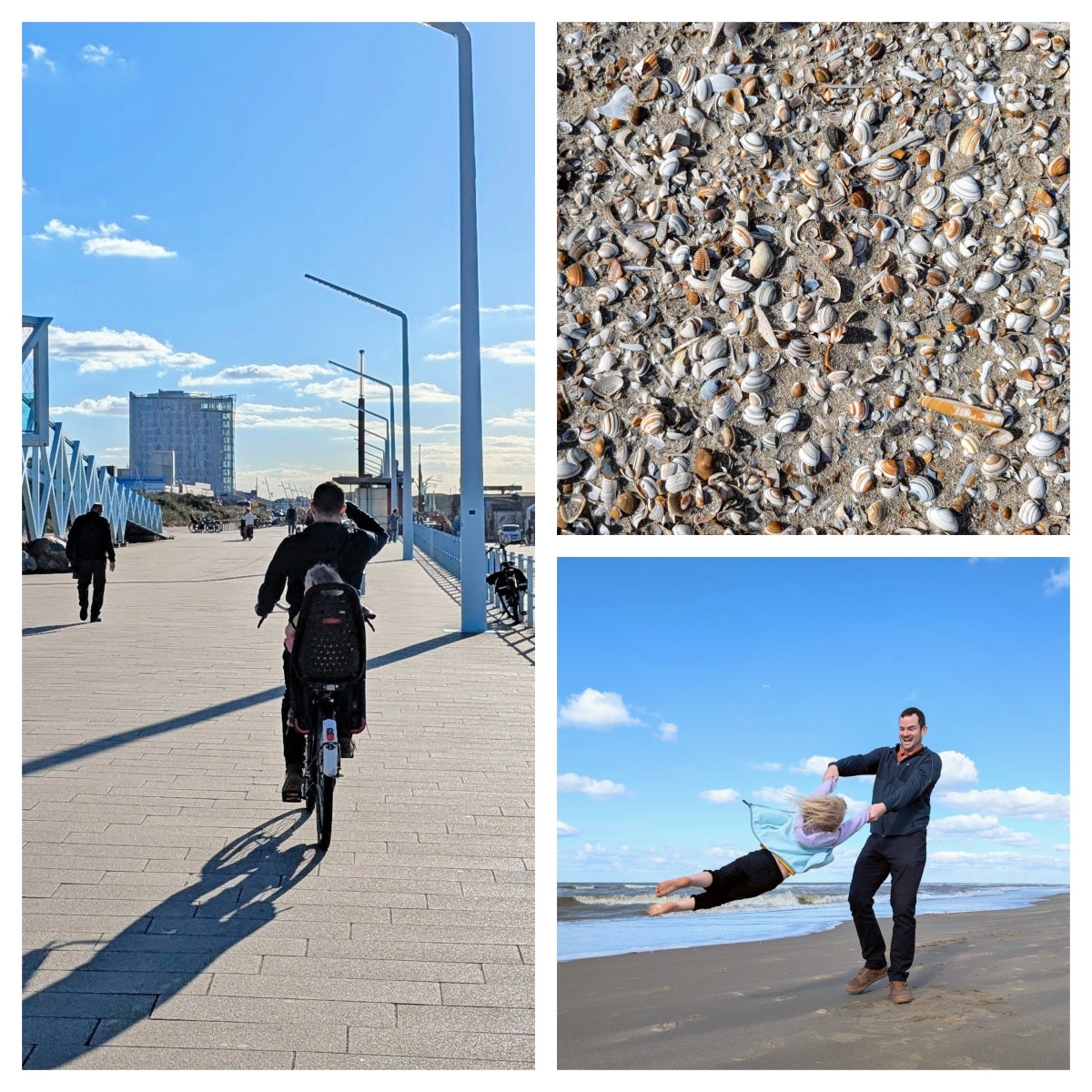
A comprehensive exploration of the Dutch coastal region necessitates venturing beyond urban borders. The seaside town of Scheveningen, located approximately a 25-minute bicycle ride from central The Hague, provides an accessible transition from urban landscapes to coastal dunes.
The route passes through protected dune conservation areas, which feature specialized cycling tracks designed to protect local flora and fauna while accommodating recreational traffic. Scheveningen’s shoreline offers ample opportunity for low-impact beach activities, such as shell collecting along the North Sea coast. The local pier features year-round infrastructure, including an enclosed Ferris wheel, alongside seasonal attractions such as bungee jumping platforms and ziplines, catering to families with older children and teenagers.
Historic Preservation in Delft
Continuing the southward trajectory from The Hague, a 35-minute bicycle ride brings travelers to Delft, a city internationally renowned for its 17th-century architecture and traditional blue-and-white pottery, known as Delftware.
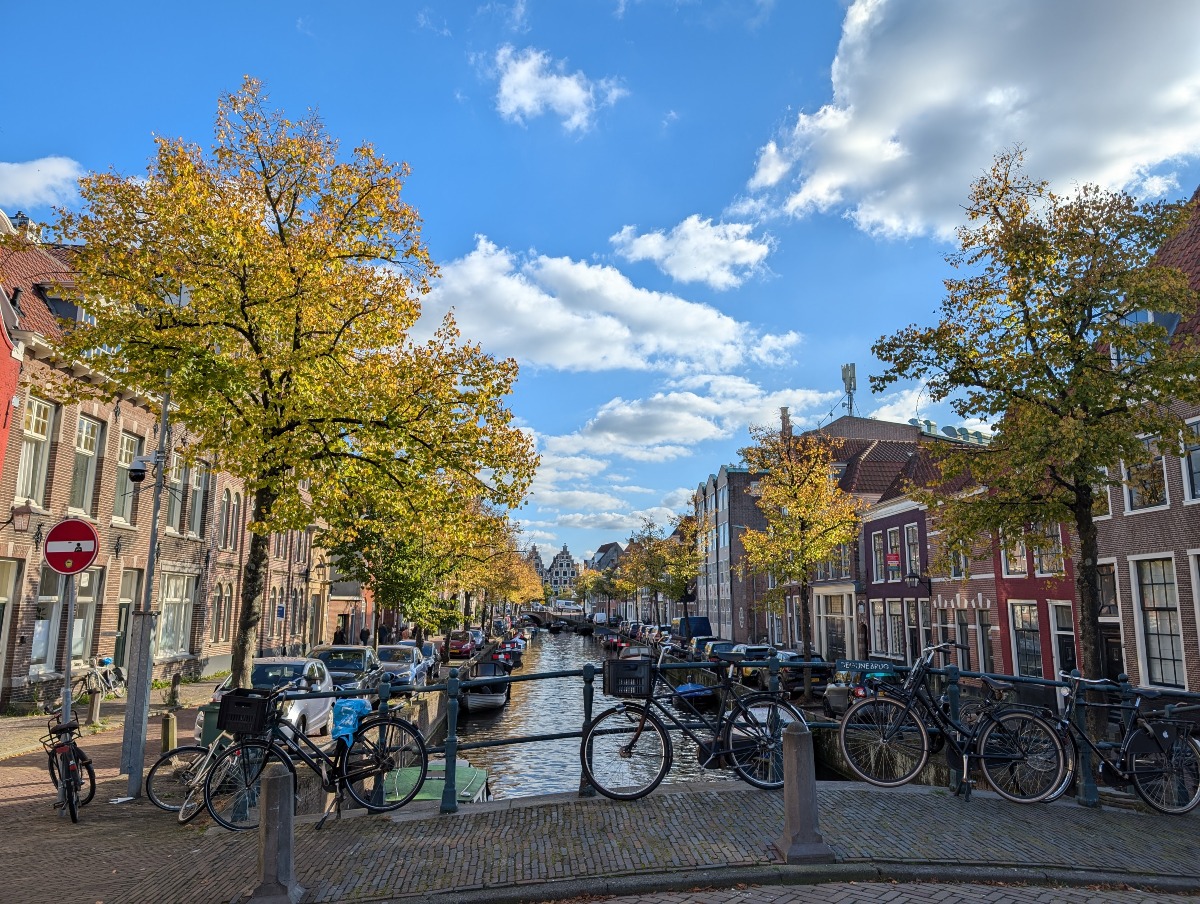
Delft’s urban layout preserves historical streetscapes, featuring pedestrian-friendly zones and brick-lined canals bordered by gabled townhouses. Cyclists can navigate directly to landmarks such as Molen de Roos, a fully operational 17th-century flour mill. The mill permits public access to its interior levels, offering educational insights into traditional wind-powered milling technology. Flour and baked goods produced on-site are available directly from the mill’s ground-floor retail space.
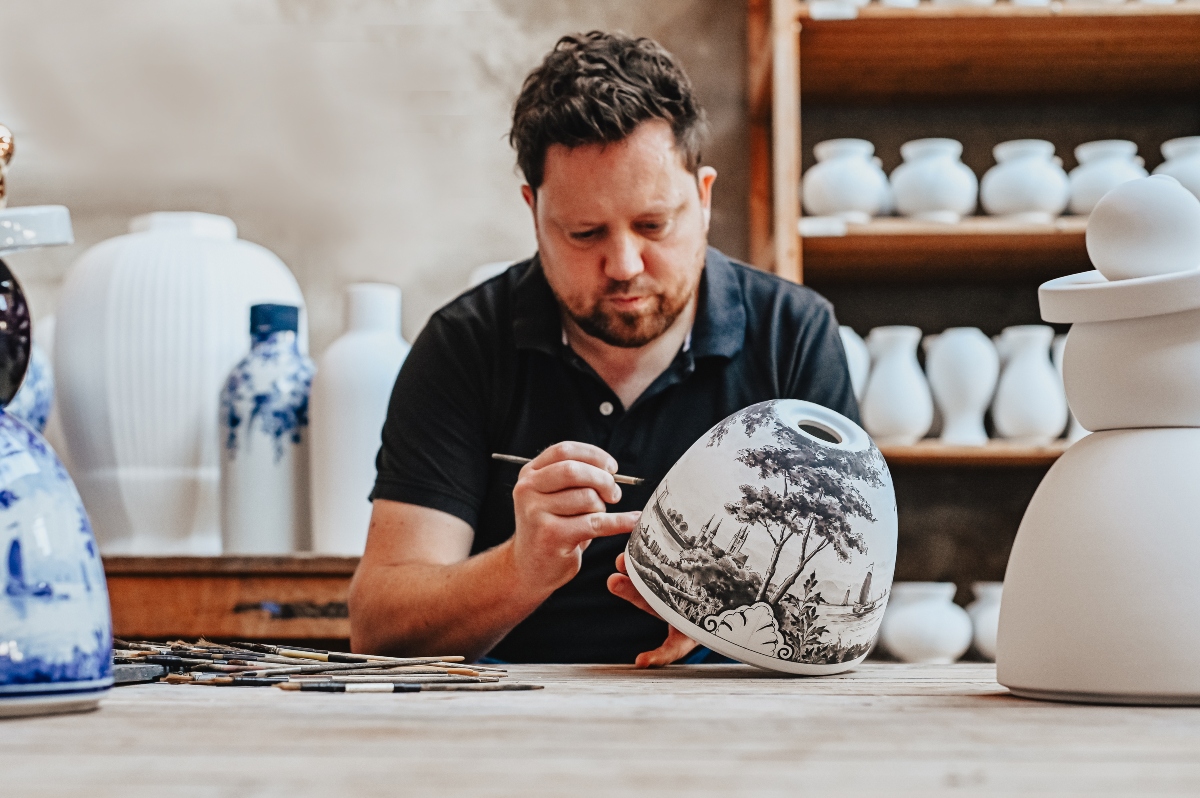
For those interested in industrial heritage, Royal Delft—the last remaining earthenware factory from the 17th century—operates guided tours and artisan demonstrations. Visitors can observe master painters applying traditional cobalt blue designs to white ceramic bodies by hand. Given the presence of fragile inventory, museum management and travel advisors generally recommend this stop for families with older children or adolescents.
Alternative Urban Base: Amsterdam and Surrounding Excursions
Travelers opting to base their itinerary in Amsterdam will find an equally dense network of cycling opportunities, supported by extensive municipal bike rental networks and established regional routes.
Zaanse Schans, located approximately one hour north of the Amsterdam city center by bike or connecting transit, functions as an open-air conservation area and industrial heritage site. The location preserves historical wooden houses, working windmills, and traditional craft workshops, illustrating the region’s commercial history during the Dutch Golden Age.
Within the city proper, urban green spaces provide essential respite from commercial density. Vondelpark, situated minutes from the central district, offers paved cycling lanes, children’s play areas, and open-air performance spaces. Similarly, Amstelpark in the southern sector of the city features botanical gardens, extensive playgrounds, and a scale-model railway system designed specifically for family recreation.
Hospitality Infrastructure and Family-Centric Lodging
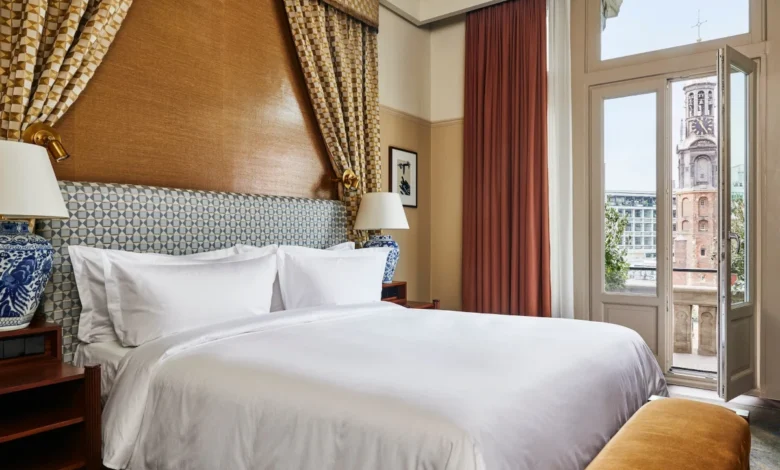
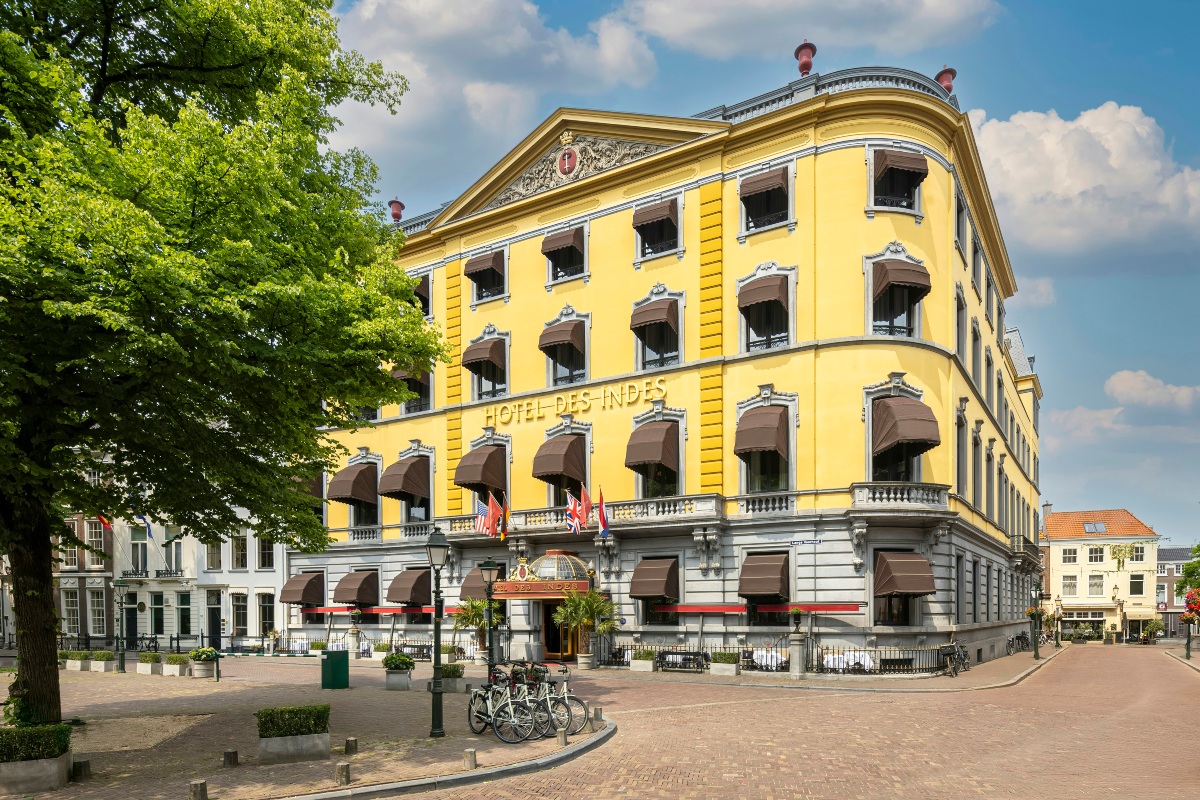
Accommodations throughout the Netherlands have increasingly adapted to the family cycling demographic. In The Hague, historic properties such as the Hotel des Indes—originally constructed in 1858 as a aristocratic reception palace—offer specialized family configurations, including connecting rooms and tailored concierge services for cyclists.
In Amsterdam, luxury properties situated along the Amstel River, such as De L’Europe Amsterdam, provide specialized family programming alongside on-site bicycle rental facilities. These properties bridge the gap between high-end hospitality and the practical demands of active family tourism, offering secure bicycle storage, customized local route planning, and children’s amenities designed to ease the logistical challenges of international travel.
Broader Implications for Active Tourism
The popularity of family cycling vacations in the Netherlands underscores a broader European shift toward sustainable, non-motorized transport models in tourism. By prioritizing dedicated infrastructure over automotive access, the region has demonstrated that active transit can be both safe and accessible for travelers of all ages.
Industry analysts note that destinations investing in segregated bike networks experience higher levels of visitor satisfaction among family demographics, as independent mobility reduces reliance on tightly scheduled tour groups and public transit timetables. As municipalities worldwide continue to evaluate urban mobility solutions, the Dutch model serves as both a functional blueprint for infrastructure development and a proven framework for experiential family travel.