Intrepid Travel Releases Annual Not Hot List 2027 Highlighting Undervsited Global Destinations Ready for Sustainable Tourism

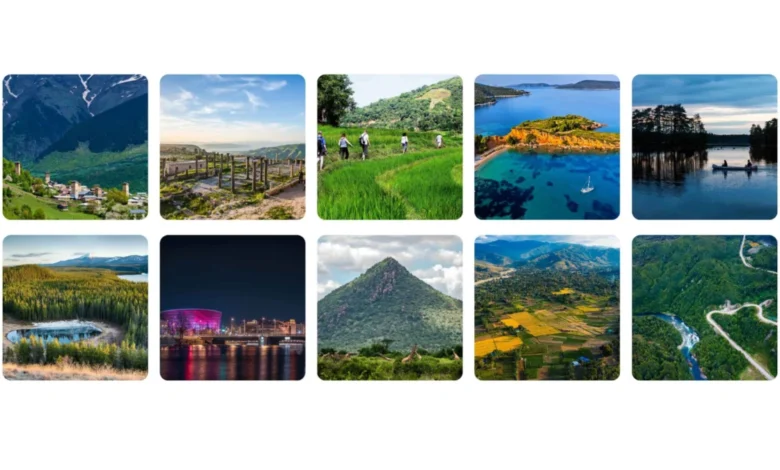
The modern travel landscape is increasingly defined by the paradox of overtourism, where iconic global landmarks buckle under the weight of surging visitor numbers. In direct response to this widespread industry challenge, adventure travel operator Intrepid Travel, in collaboration with trend-forecasting agency Globetrender, has officially released its annual Not Hot List for 2027. This carefully curated index spotlights ten distinct regions, islands, cities, and trails across the globe that remain undervisited, actively welcome tourism, offer compelling cultural or infrastructural reasons to visit in 2027, and possess the necessary capacity to absorb an influx of travelers responsibly.

The Criteria for Sustainable Untapped Travel
As popular tourism hubs across Europe, Asia, and the Americas grapple with anti-tourism protests and environmental degradation, the travel industry has shifted its focus toward dispersion models. The Not Hot List addresses this paradigm shift by applying a rigorous three-tier evaluation process designed to protect fragile ecosystems and local communities while encouraging economic development.
According to Globetrender founder, editor, and CEO Jenny Southan, distinguishing between a destination that is genuinely overlooked and one that is simply unequipped for tourism requires deep analytical precision. The selection committee evaluates whether prospective locations possess appropriate accommodation, transport networks, and tourism infrastructure. Furthermore, they assess whether local communities are prepared to welcome travelers and if regional growth can occur without placing undue pressure on local environments or cultural heritage.

A destination must balance under-appreciation with contemporary relevance. To achieve this, Intrepid Travel partnered with local experts, regional leaders, and resident journalists who provided firsthand insights into how these emerging hotspots are preparing for the future.
Exploring the 2027 Not Hot List Destinations
The 2027 index spans six continents, offering diverse landscapes ranging from the remote sub-polar wilderness to ancient Middle Eastern highlands and vibrant Southeast Asian capitals.
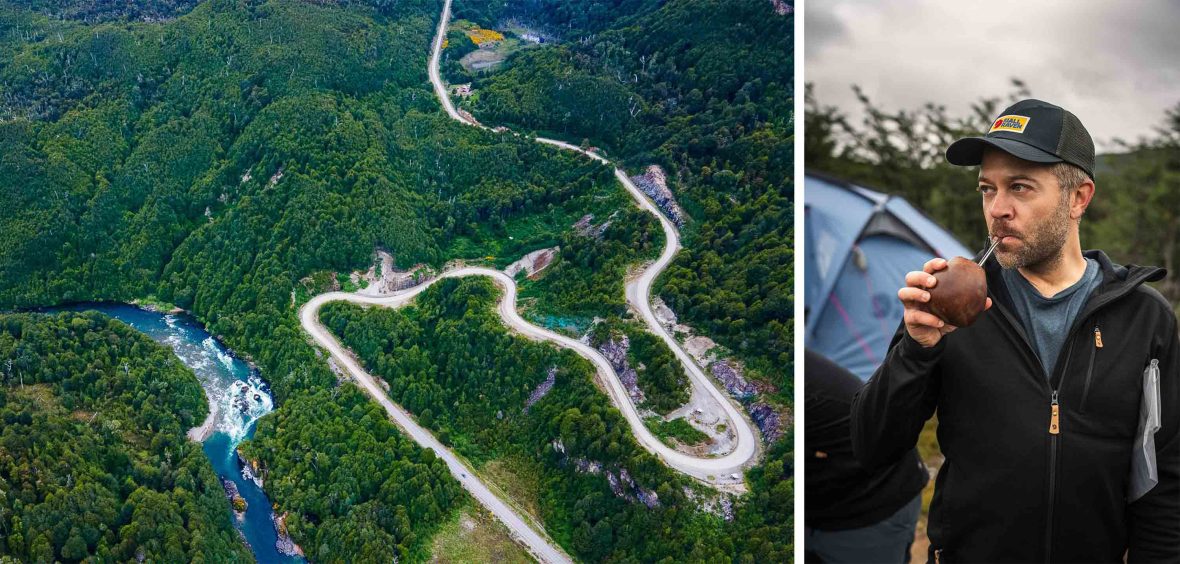
Carretera Austral, Chile
Backed by one of the largest infrastructure investment programs in Chile in decades, the Carretera Austral provides a remote road trip alternative to the heavily congested Torres del Paine national park further south. Spanning 770 miles through Northern Chilean Patagonia, the highway intersects temperate rainforests, jagged lava fields, and golden steppes. Over the past decade, conservation initiatives by NGOs like Rewilding Chile have facilitated the return of native species such as pumas, guanacos, and rheas, demonstrating how infrastructure development can align with ecological restoration.
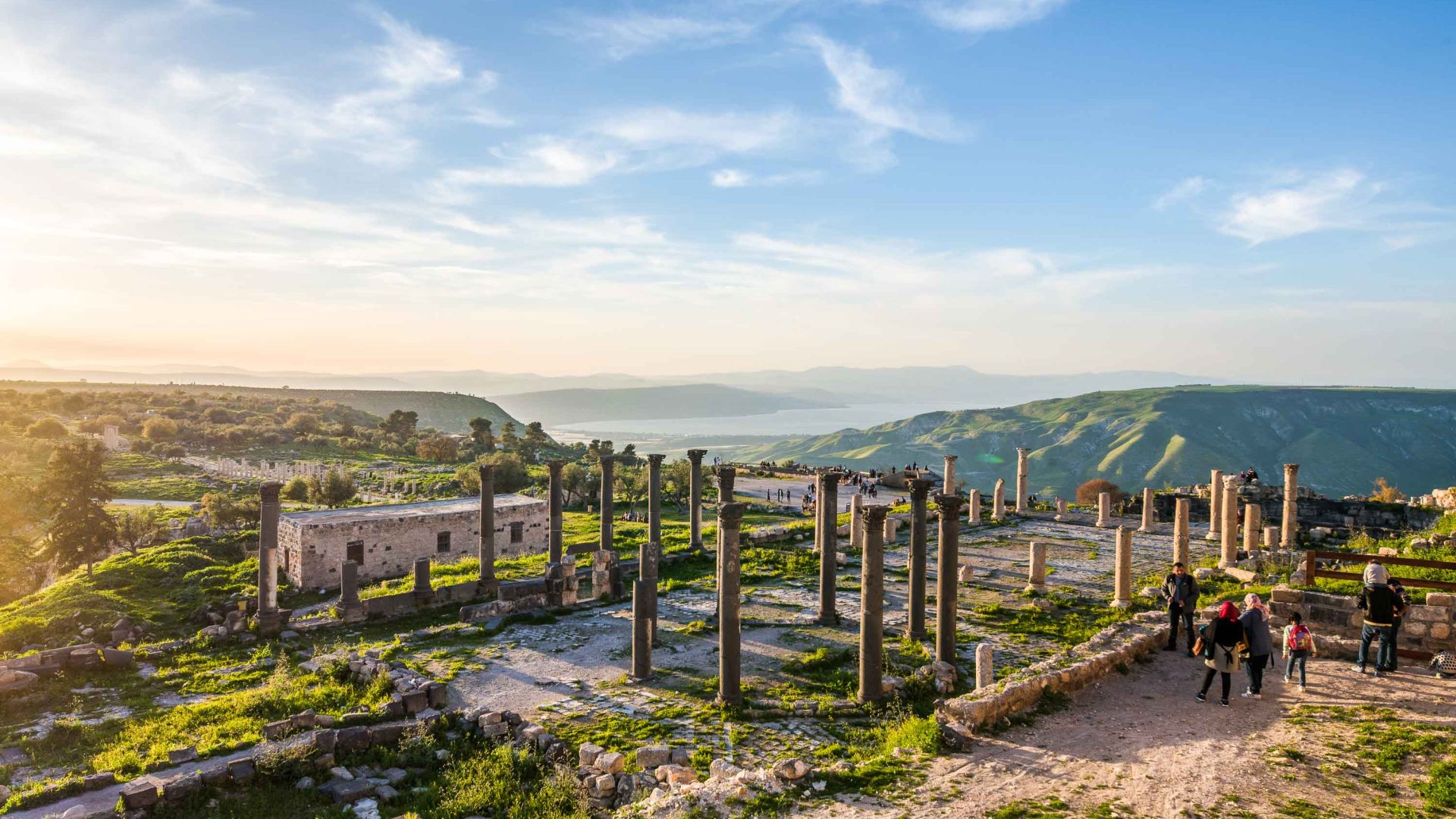
Northern Highlands, Jordan
In an effort to diversify tourism beyond the historic sites of Petra and Wadi Rum, Jordan continues to promote its greener, less-traveled Northern Highlands. Stretching from Amman to the town of Umm Qais—the site of the ancient Greco-Roman city of Gadara—this region offers forest reserves, Byzantine ruins, and community-based travel experiences. The area provides a stark contrast to the desert landscapes of southern Jordan, offering rolling hills reminiscent of the Mediterranean and sweeping views across the Jordan Valley.
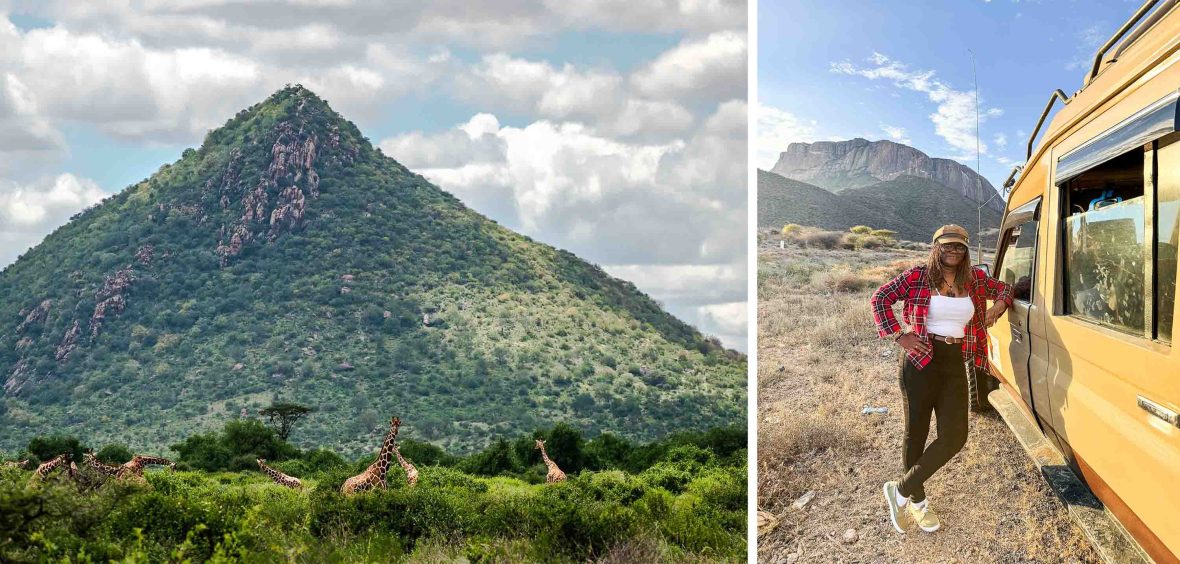
Samburu National Reserve, Kenya
Located approximately 220 miles from Nairobi, the Samburu National Reserve in northern Kenya offers an intimate wildlife viewing experience designed to distribute tourism revenue away from the country’s busier southern parks. Samburu is famous for its "Special Five" endemic species: the reticulated giraffe, Grevy’s zebra, the gerenuk, the Somali ostrich, and the Beisa oryx. Community-led conservation initiatives allow visitors to engage directly with local traditions, supporting sustainable livelihoods while safeguarding regional wildlife habitats.
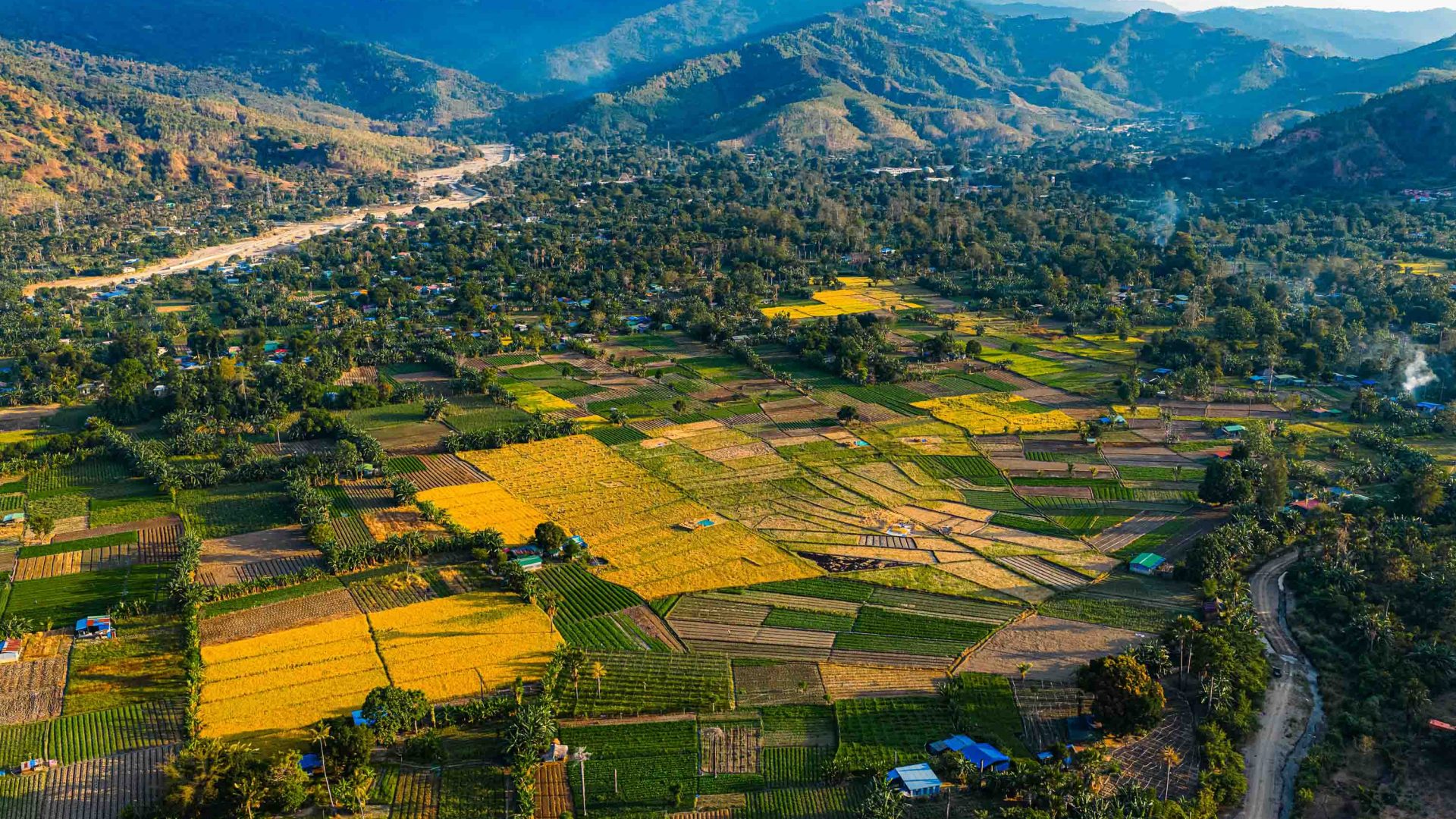
Dili, Timor-Leste
Following its formal admission to the Association of Southeast Asian Nations (ASEAN), Dili is entering a transformative era of tourism. As one of Southeast Asia’s least-visited capitals, Timor-Leste is upgrading its aviation links, municipal infrastructure, and community-led tourism programs. The city balances a complex post-conflict history with rapid development, housing modern financial institutions alongside historical landmarks such as the Timorese Resistance Museum and Arte Moris, the nation’s premier fine arts school.
Alonnisos, Sporades Archipelago, Greece
As Greece battles severe overtourism on islands like Santorini and Mykonos, Alonnisos has emerged as a low-impact Aegean alternative. As the home of Greece’s first marine park and a critical sanctuary for the endangered Mediterranean monk seal, the island combines stringent marine conservation protocols with infrastructural upgrades, including port improvements and enhanced ferry connections.
Whitehorse, Yukon, Canada
Positioned as the gateway to Arctic Canada through the newly launched Arctic Canada Tourism Network, Whitehorse offers the dramatic wilderness of the Canadian Rockies without the dense crowds of Banff. Known as the "Wilderness City," the Yukon capital provides access to pristine natural environments, First Nations cultural centers, Gold Rush history, and exceptional opportunities for viewing the aurora borealis during the winter months.
Pekoe Trail, Central Highlands, Sri Lanka
Spanning 200 miles across Sri Lanka’s central highlands from Hantana to Kandapola, the newly designated Pekoe Trail is the country’s first official long-distance walking route. Supported by eased visa regulations and national sustainable tourism strategies, the trail opens previously restricted tea estates to travelers, offering a slow-travel framework that highlights the cultural heritage of tea pickers and rural communities.
Mestia, Northwest Georgia
Nestled within the Greater Caucasus Mountains in the Svaneti region, Mestia is experiencing a surge in accessibility due to recent regional airport investments and Georgia’s national highland tourism strategy. Famed for its medieval defensive Svan towers and proximity to trekking routes along the Transcaucasian Trail, Mestia serves as an entry point to uncrowded Alpine landscapes and ancient mountain settlements like Ushguli.
Liepāja, Latvia
On Latvia’s western Baltic coast, the port city of Liepāja is preparing to assume the title of European Capital of Culture for 2027. By combining white-sand beaches, Art Nouveau architecture, and a thriving alternative music and arts scene, Liepāja serves as a primary vehicle for Latvia to diversify international tourism away from the capital city of Riga.
Dalsland, West Sweden
Positioned as "Europe’s Nearest Wilderness," the Dalsland province in western Sweden is expanding its rail links to improve accessibility for international visitors. Characterized by dense spruce forests, thousands of lakes, and the historic Dalsland Canal, the region champions sustainable outdoor living (friluftsliv), foraging laws (Allemansrätten), and slow gastronomy initiatives that prioritize environmental preservation over mass tourism.

Broader Implications for the Global Travel Industry
The release of the Not Hot List 2027 underscores a fundamental structural evolution within the global tourism sector. Analysts note that as traditional hotspots implement punitive tourist taxes, daily caps, and vessel restrictions, destinations featured on emerging lists must proactively balance economic growth with ecological and social carrying capacities.
By emphasizing infrastructure readiness, community alignment, and authentic regional storytelling, initiatives like the Not Hot List provide a strategic framework for travelers seeking meaningful experiences while mitigating the pressures of overtourism on fragile global ecosystems.