Fly Tot Review and the Evolution of In-Flight Comfort Solutions for Traveling Families

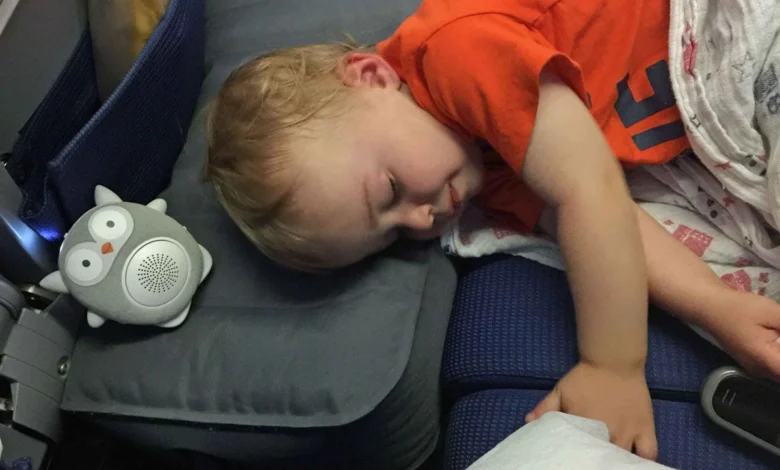
Flying with toddlers remains one of the most significant logistical hurdles for modern parents, particularly on long-haul international routes. The necessity of maintaining a child’s sleep schedule in a confined economy cabin often dictates the success of a family trip, influencing both the immediate comfort of the child and the eventual acclimation upon arrival. Among the various solutions developed to address this challenge, the Fly Tot inflatable airplane cushion has emerged as a prominent tool, transitioning from a niche travel hack to a refined product currently marketed as the Fly Tot Plus.

The Engineering of In-Flight Comfort
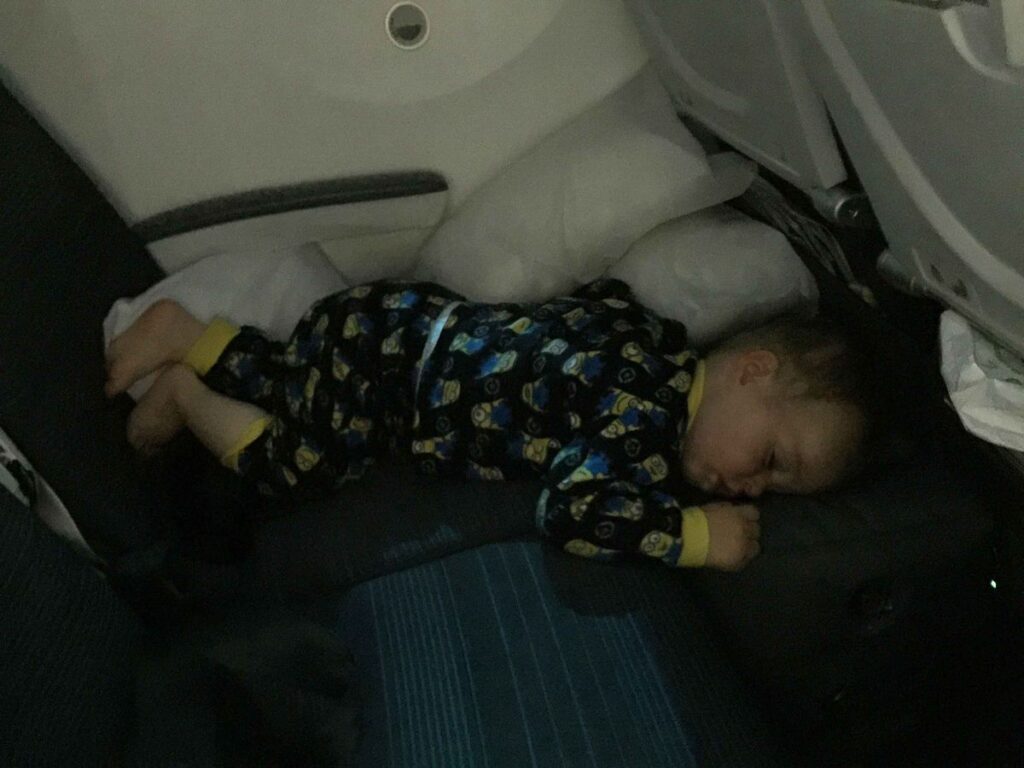
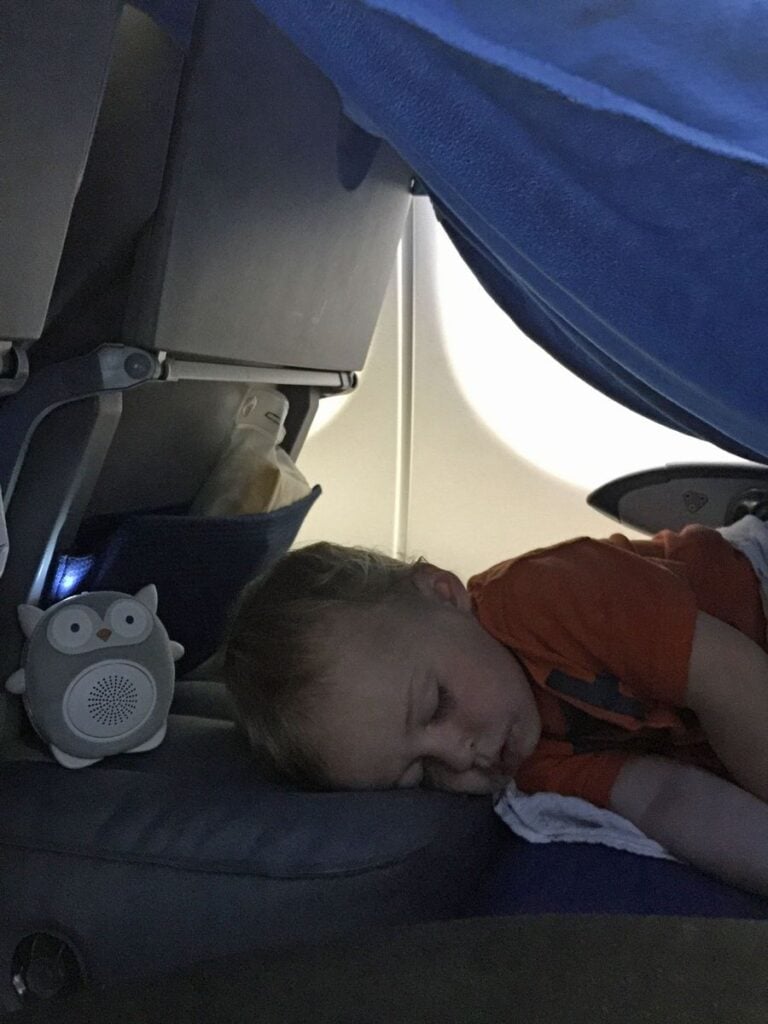
The fundamental concept behind the Fly Tot is to mitigate the physiological constraints of economy-class seating for younger passengers. In a standard aircraft configuration, the seat pitch—the distance between one point on a seat and the same point on the seat in front—is often insufficient for a toddler to lie down. By filling the gap between the seat and the bulkhead or the seat in front, the Fly Tot creates a flat, extended surface. This transition from a vertical sitting position to a horizontal lying position is designed to mimic a makeshift bed, allowing children between the ages of 2 and 8 to rest more naturally.
The evolution of the product, moving from the original iteration to the current "Plus" model, reflects a broader trend in travel accessory design: prioritizing ease of use and compliance with cabin safety standards. The Fly Tot Plus incorporates a two-width design, allowing the device to adapt to varying seat dimensions across different aircraft types. This versatility is critical, as airlines have become increasingly standardized in their cabin layouts while remaining stringent regarding safety protocols.

Technological Advancements and Safety Features
A critical component of the Fly Tot Plus is its integration of safety-focused engineering. Unlike earlier DIY methods or generic inflatable pillows, the current model features a patented emergency safety release valve. In the event of a rapid loss of cabin pressure, this valve is designed to trigger an automatic deflation. This feature addresses the primary concern of aviation regulators, who often prohibit items that could obstruct egress or interfere with oxygen mask deployment.

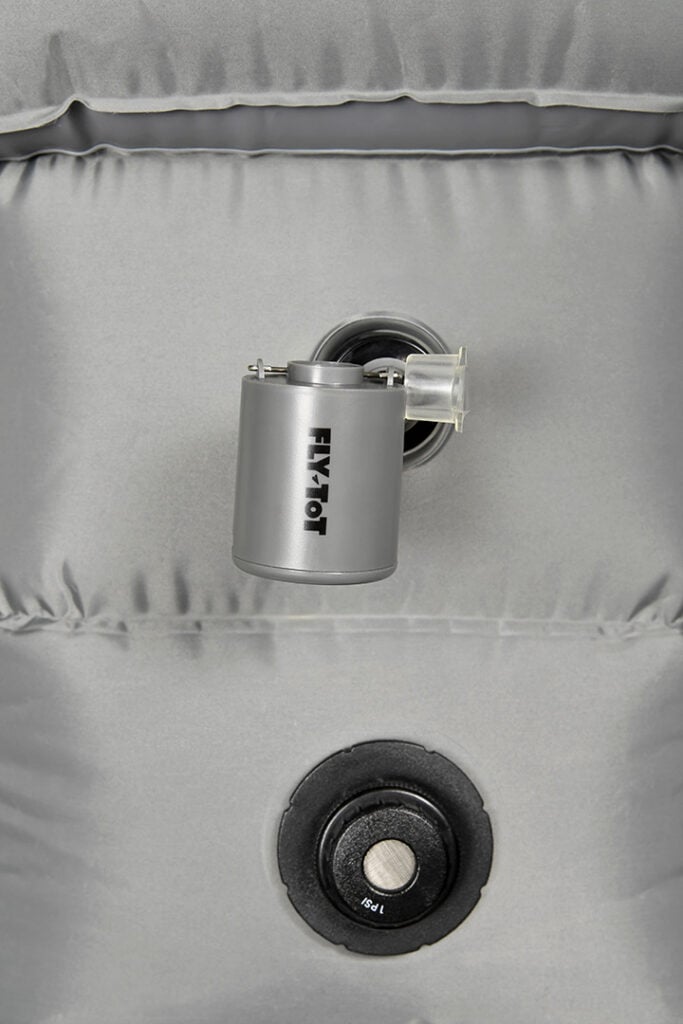
Furthermore, the integration of a rechargeable "Tiny Pump" signifies a shift toward ergonomic efficiency. Previously, the manual inflation process was cited by many travelers as cumbersome, potentially causing frustration during the boarding process. The modern, compact electric pump, capable of inflating the device in under one minute, reflects an industry-wide push to make family travel gear less burdensome for parents already managing multiple carry-on bags and child-related equipment.

The Regulatory Landscape and Airline Compliance
The adoption of inflatable airplane beds is not universally permitted, presenting a complex challenge for traveling families. While many major international carriers have historically permitted the use of such devices, policies are subject to individual airline discretion. A review of global aviation practices indicates that the final decision regarding the use of these cushions rests with the cabin crew, who must prioritize safety regulations over passenger convenience.
The inconsistency in global policy stems from the diversity of fleet configurations. For example, some airlines permit the use of such devices only in window seats or middle seats in center sections, specifically to ensure that the device does not impede access to aisles. This restriction is a safety mandate; in the event of an emergency evacuation, any object that prevents a passenger from reaching the aisle constitutes a significant hazard. Consequently, parents are advised to consult with their specific carrier’s "Conditions of Carriage" well in advance of their flight.

Economic and Practical Implications for Families
For frequent travelers, the investment in an inflatable travel cushion is often weighed against the cost of upgrading to premium economy or business class seating. For a family of four on a 10-hour flight, the total expenditure for seat upgrades can reach into the thousands, making the Fly Tot—priced at a fraction of that cost—an attractive alternative for extending usable seat space.
Data from parent travel forums and user feedback suggests that the efficacy of these devices is highest when paired with consistent sleep hygiene practices. However, the product is not a panacea. Industry experts note that the success of in-flight sleep is multifactorial, depending heavily on the child’s age, the timing of the flight relative to their natural circadian rhythm, and the ambient noise levels of the cabin.

Historical Context and Usage Trends
The rise of the Fly Tot aligns with a decade of increasing family travel frequency. As global connectivity improved prior to the pandemic, the demand for products that could make international transit with children more palatable surged. Historical use-cases, such as the experiences of early adopters traveling from North America to Asia or Europe, highlight that the primary benefit is not merely the child’s comfort, but the preservation of parental capacity. By allowing children to sleep independently, parents regain a degree of personal autonomy, which is often severely compromised during long-haul travel.

Comparative Analysis: The Market for Travel Beds
The market for child-specific aviation products has grown significantly, featuring competitors such as the Flyaway Kids Bed and Plane Pal. These products generally offer different structural approaches. While the Fly Tot is designed to fill the footwell, other products utilize straps to create a hammock-like extension from the seat cushion itself. The primary distinction lies in how they interact with the seat’s existing structure and their impact on under-seat storage.

A technical analysis of these alternatives reveals that while the Fly Tot offers stability through a floor-supported base, other models may provide more legroom by leaving the floor space open. Choosing between these options often comes down to the specific airline’s rules and the physical dimensions of the child.

Strategic Recommendations for Parents
For families considering the use of an inflatable travel bed, experts recommend a four-pillar strategy:

- Policy Verification: Always check the airline’s website specifically for "inflatable leg rests" or "seat extenders" rather than relying on general customer service anecdotes.
- Strategic Seat Selection: Prioritize window seats to ensure that the device remains contained within the passenger’s personal space.
- Timing the Setup: Only deploy the device once the aircraft has reached cruising altitude and the seatbelt sign has been extinguished.
- Cabin Crew Cooperation: Always comply with directives from flight attendants. If a crew member requests the item be stowed, the recommendation is to comply immediately without objection to maintain a positive relationship with the flight staff.
Broader Impact on Family Travel
The existence of products like the Fly Tot reflects an ongoing evolution in the aviation industry’s relationship with young passengers. As airlines compete for family bookings, there is a subtle shift toward accommodating the specific needs of parents, provided these needs do not conflict with safety protocols.

The Fly Tot’s transition from a novel solution to a refined, safety-conscious product illustrates the maturation of the travel-tech sector. As parents continue to prioritize comfort and efficiency in their travel planning, the demand for such innovations is likely to persist. While it is not a substitute for proper planning or the unpredictability inherent in traveling with children, the inflatable airplane bed represents a functional advancement in mitigating the physical and psychological stressors of modern air travel. The ongoing success of such products suggests that for many families, the ability to turn an economy seat into a resting space remains one of the most effective strategies for ensuring a successful, long-haul international journey.