Nichupté Bridge Transforms Connectivity in Cancún as the Mexican Caribbean Prioritizes Infrastructure for Modern Tourism

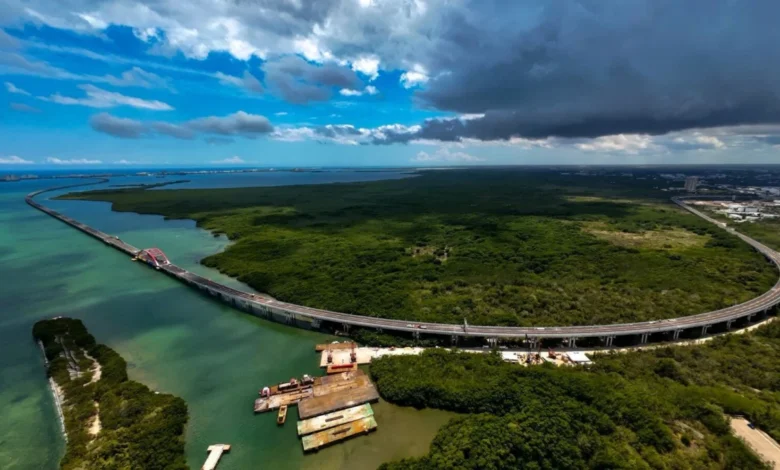
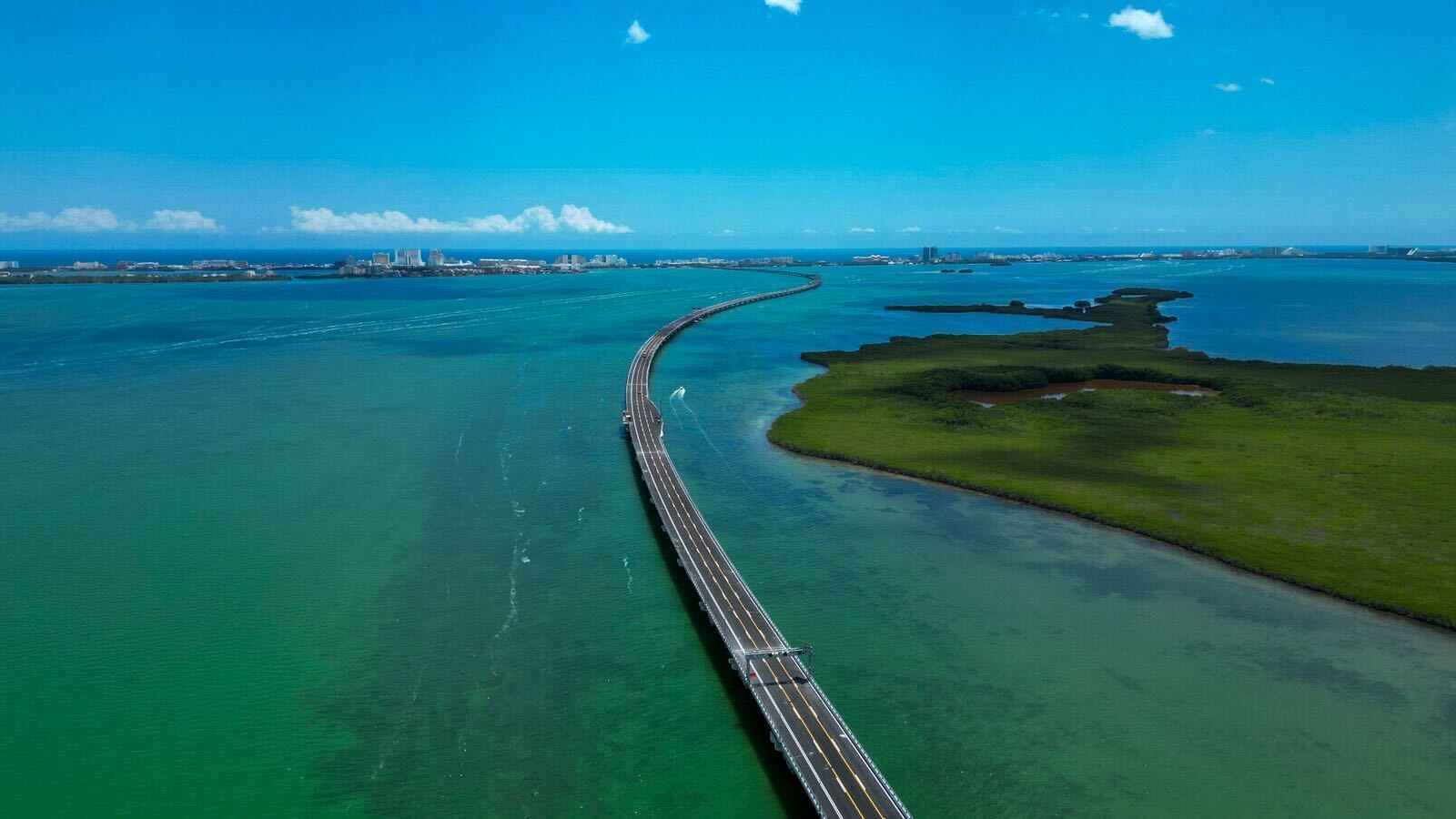
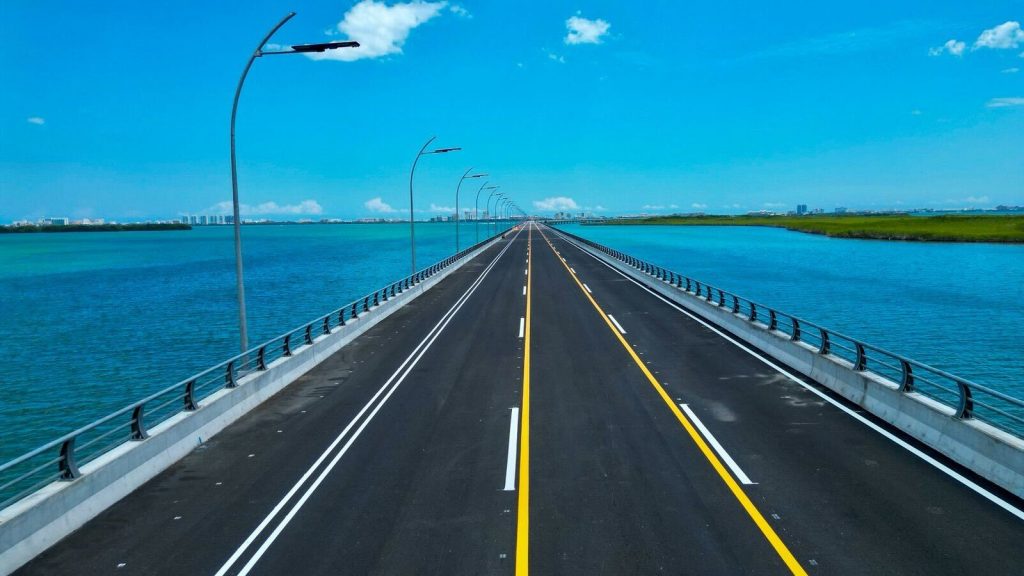
The completion and opening of the Nichupté Bridge represents a pivotal shift in the urban and touristic landscape of Cancún, effectively addressing one of the most persistent logistical challenges in Mexico’s premier vacation destination. Spanning the Nichupté Lagoon, this 8.8-kilometer (5.4-mile) elevated roadway serves as a vital artery, creating a direct link between the urban center of downtown Cancún and the world-renowned Hotel Zone. This infrastructure project is not merely a local improvement but a cornerstone of a broader federal and state initiative to modernize the Mexican Caribbean, ensuring that the region remains competitive in an increasingly demanding global travel market. The bridge was recently a focal point of discussion during the EDGE 2026 conference in San Diego, where the Mexican Caribbean Tourism Board officially announced that the prestigious EDGE 2027 summit will be hosted in the Cancún-Riviera Maya region, further solidifying the area’s status as a hub for international tourism and business.
For decades, the Hotel Zone of Cancún was accessible primarily via Kukulcan Boulevard, a scenic but often congested strip of land that struggled to accommodate the sheer volume of traffic generated by millions of annual visitors and thousands of local workers. The Nichupté Bridge addresses this bottleneck by providing a third access point, significantly reducing travel times between the Cancún International Airport and the northern sections of the hotel district. For the modern traveler, for whom time is an increasingly valuable luxury, the reduction of transit friction is a critical factor in destination selection. By easing the transition from the tarmac to the resort, the bridge enhances the overall visitor experience, allowing travelers to spend less time in transit and more time engaging with the local economy.
Technical Specifications and Engineering Milestone
The Nichupté Bridge is an engineering feat that balances high-capacity transportation needs with the delicate ecological requirements of the lagoon system. The project features three lanes—two for standard traffic and one reversible lane to accommodate peak-hour flow—along with a dedicated bicycle path and pedestrian walkways. The bridge originates at the intersection of Colosio Boulevard, Kabah Avenue, and Bonampak Avenue in downtown Cancún, extending across the water to connect with Kukulcan Boulevard at the 13th kilometer mark.
Construction of the bridge employed a "top-down" methodology, a specialized engineering approach designed to minimize the footprint on the lagoon’s seabed and the surrounding mangrove forests. This method involved using a launching gantry to place prefabricated sections of the bridge from above, rather than using heavy machinery on the water’s surface or the lagoon floor. This strategic choice was essential for securing environmental permits, as the Nichupté Lagoon is a protected natural area. By elevating the roadway, the project avoids the fragmentation of the local ecosystem while providing a modern solution to urban sprawl.
A Chronology of Development
The path to the Nichupté Bridge’s completion has been marked by years of planning and significant federal investment. The project was prioritized under a comprehensive infrastructure package for Quintana Roo, which included the renovation of Colosio Boulevard and the construction of the Cloverleaf interchange at the airport entrance.
- 2021–2022: Finalization of environmental impact assessments and the allocation of federal funds. The project was designated as a public work of social and economic necessity, aimed at benefiting both the tourism sector and the local workforce.
- 2023: Commencement of major construction works. The Secretariat of Infrastructure, Communications, and Transportation (SICT) oversaw the deployment of specialized crews to begin the foundational piling in the lagoon.
- 2024–2025: Progress continued despite seasonal weather challenges, including the management of logistics during the hurricane seasons. The integration of the bridge with the newly renovated Colosio Boulevard was completed.
- 2026: The bridge was officially inaugurated, coinciding with international tourism showcases like EDGE 2026. The announcement of EDGE 2027 in Cancún served as a global validation of the region’s readiness to handle large-scale international events supported by this new infrastructure.
Supporting Data and Economic Rationale
The economic necessity of the Nichupté Bridge is underscored by the rapid growth of Cancún International Airport, which has consistently seen record-breaking passenger numbers, often exceeding 30 million arrivals and departures annually. Prior to the bridge’s opening, peak-hour traffic on Kukulcan Boulevard could result in delays of over 60 minutes for a journey of only 10 kilometers. Preliminary data suggests that the new bridge will reduce this transit time by up to 60%, offering a more reliable schedule for airport transfers and emergency services.
Furthermore, the bridge serves a critical social function. An estimated 40,000 to 50,000 employees work in the Hotel Zone, most of whom reside in the mainland neighborhoods of Cancún. For these workers, the bridge represents a significant improvement in quality of life, reducing daily commute times and lowering the cost of public transportation. The bridge is expected to handle an average daily traffic volume of approximately 14,400 vehicles, distributing the load that previously fell entirely on the two ends of the Hotel Zone’s "Seven" shape.
Official Responses and Strategic Vision
The Mexican Caribbean Tourism Board has hailed the project as a "game-changer" for the region’s brand identity. Andrés Martínez Reynoso, CEO of the board, emphasized that the bridge is a symbol of a "transformational era" for Cancún. "This project reflects our commitment to evolving alongside the needs of the modern traveler," Martínez Reynoso stated. "We are no longer just a destination of beautiful beaches; we are a destination of world-class connectivity and efficiency."
Government officials, including Quintana Roo Governor Mara Lezama, have frequently referred to the bridge as a "work of social justice." By providing a free-to-use alternative to the congested boulevard, the government aims to democratize access to the coastal areas and ensure that the benefits of tourism development are shared more equitably between the visitors and the local population. The integration of the bridge with other major projects, such as the Maya Train (Tren Maya), further highlights a holistic approach to regional planning.
Broader Implications for the Mexican Caribbean
The Nichupté Bridge is part of a larger trend of infrastructure-led growth in the Mexican Caribbean. For years, the region relied on its natural beauty and luxury resorts to drive demand. However, as global tourism becomes more competitive, the "frictionless travel" model has become a priority. The bridge works in tandem with the new Tulum International Airport and the Maya Train network to create a seamless multimodal transport system.
This shift signals that Mexico is looking beyond the "resort gate" model of tourism. By making the downtown area of Cancún more accessible to those staying in the Hotel Zone, the bridge encourages "urban tourism," where visitors explore local restaurants, shops, and cultural sites outside of their all-inclusive properties. This diversification of the tourist experience is expected to stimulate small business growth and provide a more authentic cultural connection for international travelers.
As the region prepares to host EDGE 2027, the focus will likely remain on how infrastructure can drive sustainability. The Nichupté Bridge, with its pedestrian and cycling paths, encourages a move away from total car dependency, aligning with global trends toward greener urban environments. The bridge also serves as a critical evacuation route during tropical storms and hurricanes, providing a high-capacity exit point for the thousands of guests and staff in the Hotel Zone, thereby enhancing the safety and resilience of the destination.
In conclusion, the Nichupté Bridge is more than a road over water; it is a strategic asset that addresses the historical deficiencies of Cancún’s urban planning. By reducing congestion, improving the lives of local workers, and providing a sleek, efficient entry point for tourists, the bridge reinforces the Mexican Caribbean’s position as a leader in the global tourism industry. As the region looks forward to the EDGE 2027 summit, the Nichupté Bridge stands as a testament to the power of targeted infrastructure investment in creating a more sustainable and accessible future for one of the world’s most visited coastlines.