The Best Sedona Hikes with Kids: A Comprehensive Guide to Family-Friendly Red Rock Adventures

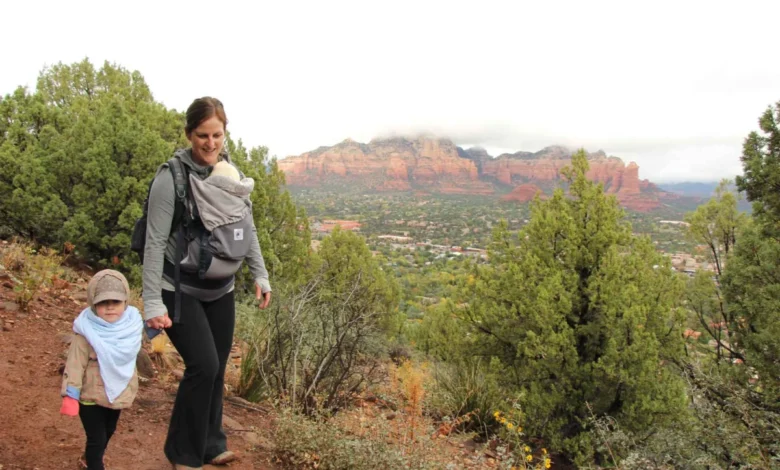
Sedona, Arizona, has solidified its reputation as a leading destination for family-oriented outdoor recreation, driven largely by its unique geological landscape and a trail system that caters to varying levels of physical ability. For families traveling with infants, toddlers, and young children, the region offers a rare combination of dramatic scenery and manageable terrain. While Sedona is known for its high-energy "vortex" sites and challenging technical climbs, a significant portion of the Coconino National Forest is accessible via short, low-elevation trails that accommodate strollers and baby carriers. This accessibility has made Sedona a focal point for the growing "adventure parenting" demographic, which emphasizes early exposure to nature.

The geological allure of Sedona is rooted in the Permian-age rocks of the Schnebly Hill Formation, a thick layer of red-orange sandstone found only in the Sedona area. These formations provide an educational backdrop for children, while the practical layout of the trails allows parents to experience the wilderness without the logistical strain of a full-day backcountry expedition. According to tourism data from the Sedona Chamber of Commerce and Tourism Bureau, outdoor recreation remains the primary draw for the region’s three million annual visitors, with a noted increase in multi-generational family groups seeking "soft adventure" opportunities.

Navigating the Logistics of Sedona Trail Systems
Before embarking on any trail, families must navigate the administrative requirements of the Coconino National Forest. Most popular trailheads require a Red Rock Pass for parking. As of 2024, the pass is priced at $5 per day or $15 per week, though many families utilize the "America the Beautiful" Interagency Pass, which is also accepted. Digital maps, specifically those provided by platforms like AllTrails, are considered essential by local rangers due to the intermittent cellular service within the deeper canyons.

Environmental conditions also dictate the success of a family hike. Sedona’s high-desert climate features significant temperature swings. During the summer months, temperatures frequently exceed 90°F (32°C) by mid-morning, leading to a surge in heat-related rescues. The City of Sedona and the U.S. Forest Service frequently issue advisories urging hikers to carry at least one gallon of water per person and to complete strenuous activities before 10:00 AM.

Top Rated Stroller-Friendly and Toddler-Accessible Trails
1. Bell Rock Pathway
The Bell Rock Pathway stands as a benchmark for accessibility in the region. Stretching approximately 3.6 miles in total, the most family-frequented section is a one-mile out-and-back stretch from the southern trailhead. This trail is characterized by a wide, relatively flat surface composed of crushed red shale.

While designated as stroller-friendly, outdoor experts recommend the use of "all-terrain" strollers with large, air-filled tires to navigate the occasional gravel patches and minor rock outcroppings. The path provides unobstructed views of Bell Rock and Courthouse Butte, two of Sedona’s most iconic landmarks. Because the trail is largely unsheltered, it serves as a primary example of where sun protection—including UV-rated clothing and wide-brimmed hats—is non-negotiable for young children.

2. West Fork Trail
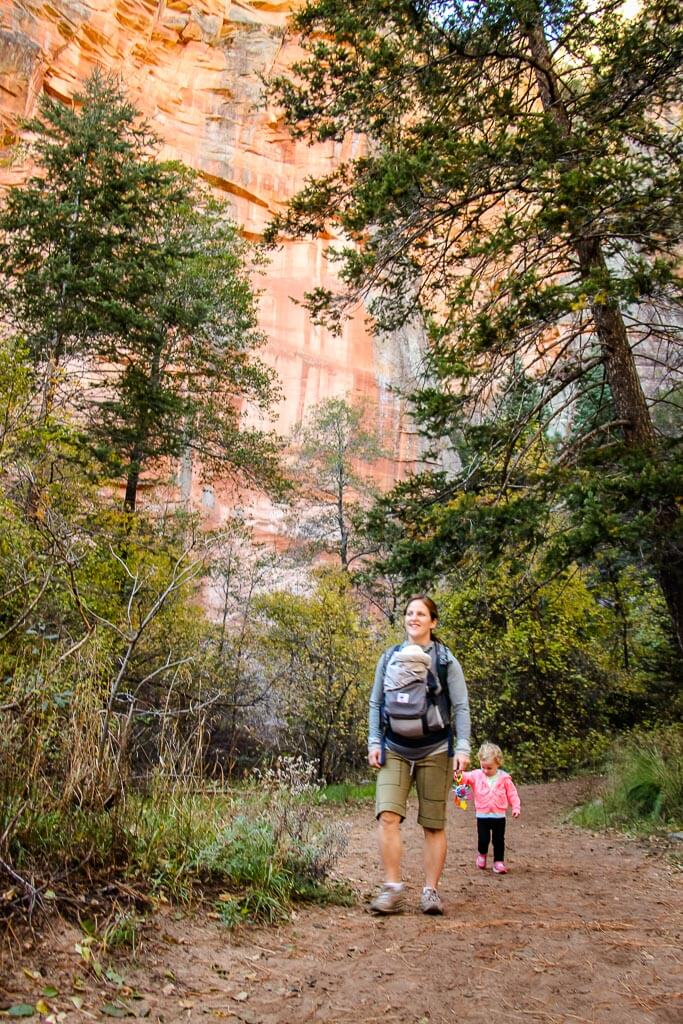
Located within the Oak Creek Canyon, the West Fork Trail offers a stark contrast to the exposed desert paths of southern Sedona. This trail follows the path of a perennial stream through a deep, forested canyon. The environment is dominated by evergreens and deciduous trees, providing a canopy that keeps the trail significantly cooler than the surrounding mesas.

The West Fork Trail is a favorite for older children due to the thirteen distinct creek crossings. These crossings typically involve stepping stones, which may be submerged depending on recent snowmelt or rainfall. For families with infants, a baby carrier is mandatory, as the uneven terrain and water crossings are impassable for strollers. This trail is one of the most popular in Arizona; the parking lot often reaches capacity by 8:00 AM, necessitating a strict "early start" strategy for families.
3. Fay Canyon Trail
For families seeking a "canyon experience" with fewer crowds than West Fork, Fay Canyon is the primary alternative. Located in the Red Rock Secret Mountain Wilderness, the trail is approximately 2.2 miles round-trip with an elevation gain of only 150 feet. The trail is well-shaded by oak and catclaw acacia trees, making it a viable option during the hotter parts of the day.

A unique feature of this hike is the Fay Canyon Arch. While the main trail remains flat and easy, a small, unmarked side trail leads up to a natural stone arch. This side excursion is steeper and more rugged, often serving as a transition point where parents must decide between continuing with a carrier or remaining on the flat valley floor.

Scenic Overlooks and Short-Distance Excursions
4. Baldwin Trail
The Baldwin Trail, situated near the Village of Oak Creek, offers a 2.7-mile loop that circumnavigates a small red rock butte. It is highly regarded for its sunset views of Cathedral Rock, often cited as the most photographed site in Arizona. The trail provides access to the banks of Oak Creek, where families often pause for "nature play" in the water. The terrain is rocky in sections, making it a "carrier-only" route for those with non-walking children.

5. Sedona Airport View Trail
The Airport View Trail provides one of the highest effort-to-reward ratios in the area. Starting from the airport parking lot, this short, 1.4-mile out-and-back trail follows the edge of the mesa. It offers a panoramic view of the entire town of Sedona and the "Mogollon Rim" in the distance. The trail is narrow and rocky, requiring close supervision of toddlers, but its proximity to the town center makes it an ideal "quick hike" for families with tight schedules.

6. Huckaby Trail
The Huckaby Trail is a 5.7-mile moderate hike, though families typically only traverse the first mile to reach scenic overlooks. It provides a unique perspective of the Midgley Bridge and the northern reaches of Oak Creek. The trail is characterized by its red rock stairs and sandy patches, providing a tactile experience for young children who enjoy exploring different ground textures.

Advanced Hiking: The Devil’s Bridge Challenge
Devil’s Bridge is the largest natural sandstone arch in the Sedona area and represents the "aspirational" hike for many visiting families. Unlike the previous trails mentioned, Devil’s Bridge involves a steep, natural rock staircase near the summit. While manageable for fit parents with babies in high-quality hiking carriers, it is generally recommended for families with older children who have previous hiking experience. The "bridge" itself is about five feet wide, and while it appears precarious in photographs, the surface is flat. However, the high drop-offs require absolute parental vigilance.

Analysis of Tourism Trends and Environmental Impact
The rise in family hiking in Sedona is part of a broader national trend toward "experiential travel." Data from the Outdoor Industry Association indicates that households with children are participating in outdoor activities at higher rates than in previous decades. This shift has significant economic implications for Sedona, supporting a robust ecosystem of gear rental shops, guided family tours, and child-friendly hospitality services.

However, the surge in popularity brings environmental challenges. The "social trail" phenomenon—where hikers veer off-path to take photos—has led to soil erosion and the destruction of cryptobiotic soil crusts, which are vital to the desert ecosystem. The Sedona Red Rock Trail Fund and other local non-profits have intensified their educational campaigns, teaching young hikers the "Leave No Trace" principles.

Local officials have also addressed the "overtourism" of specific trailheads by implementing shuttle systems. The Sedona Shuttle now services major trailheads like Cathedral Rock and Devil’s Bridge, a move that requires families to plan for stroller-loading and bus schedules, further complicating the logistics of a day on the trail.

Conclusion and Safety Summary
Hiking in Sedona with children is a viable and rewarding endeavor when approached with adequate preparation. The diversity of the trail system—ranging from the paved-like consistency of the Bell Rock Pathway to the rugged heights of Devil’s Bridge—ensures that families can find a route that matches their comfort level.

Key takeaways for a successful expedition include:

- Gear: Use a high-quality framed carrier for rugged trails and an all-terrain stroller for pathways.
- Timing: Arrive at trailheads before 8:00 AM to secure parking and avoid peak heat.
- Hydration: Follow the "one liter per hour" rule for active adults and ensure children drink frequently.
- Navigation: Download offline maps, as canyon walls frequently block GPS and cellular signals.
By respecting the desert environment and adhering to safety protocols, families can utilize Sedona’s red rock country as a natural classroom, fostering a lifelong appreciation for the outdoors in the next generation of travelers.
Related posts: