Mastering the Two-Part Photography Style Question: Photographer Chris Tellez Details How to Define Your Aesthetic and Approach

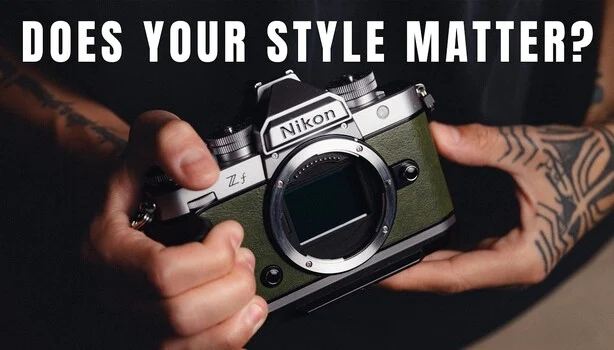
The modern photography landscape is saturated with accessible technology, high-end sensors, and a proliferation of digital assets that make capturing a technically competent image easier than ever before. Yet, for portrait, wedding, and event photographers, one of the most frequently asked questions from prospective clients remains the most difficult to answer accurately: "What is your style?" According to professional photographer Chris Tellez, clients posing this inquiry are almost invariably asking two distinct questions simultaneously without realizing it. Successfully parsing and answering both queries often spells the difference between securing a lucrative booking and receiving a polite decline.
In a comprehensive breakdown aimed at working professionals and aspiring image-makers alike, Tellez examines the critical division between visual aesthetics and interpersonal methodology. For years, photographers have treated style as a monolith—a singular buzzword or preset package designed to summarize their entire creative output. However, industry analysts and seasoned veterans note that this conflation is a primary driver of client disconnect. By separating the visual signature of an image from the manner in which the photographer interacts with their subjects on set, creators can craft a more transparent, compelling pitch that resonates deeply with the right clientele.
The Anatomy of the Visual Pitch
The first half of the client’s inquiry pertains strictly to the visual output—what the photographs actually look like. Tellez advises creators to develop an elevator pitch: a concise, jargon-free description that an average consumer can immediately visualize. Avoid hyper-technical vernacular that alienates clients, such as specific Kelvin color temperatures or obscure lens compression ratios. Instead, focus on evocative, conceptual descriptors.
For his own work, Tellez utilizes the analogy of a still frame captured from a motion picture: rich, dense, deep, and subtly idealized to look superior to reality itself. He deliberately avoids chasing hyperrealism, preferring a cinematic interpretation that elevates the mundane. Conversely, a photographer whose aesthetic leans toward bright, airy, and sun-drenched imagery might describe their work as resembling a high-end vacation postcard. Tellez emphasizes that if this lighter style defines a photographer’s portfolio, they should state it plainly, as a substantial segment of the wedding and portrait market actively seeks that specific visual language.
This clarity prevents mismatched expectations. When a client expects moody, high-contrast shadows and receives high-key pastel imagery, dissatisfaction is almost guaranteed. By defining the visual pitch early, photographers pre-qualify their leads, ensuring that those who reach out already appreciate the final product’s fundamental look and feel.
The Behavioral Approach: Beyond the Lens
The second question hidden within the style inquiry relates to the photographer’s interpersonal approach—how they behave in front of, and interact with, people during a shoot. Technical proficiency with lighting and composition accounts for only half of a professional portrait or event photographer’s responsibilities; the remainder relies entirely on social engineering, emotional intelligence, and client management.
For portrait sessions, Tellez prioritizes psychological comfort. The process begins before a single shutter clicks, starting with wardrobe consultations to ensure subjects wear garments that make them feel authentic and confident. During the shoot, Tellez adopts an inclusive, collaborative workflow: he routinely shows subjects the back of the camera so they can review progress and weigh in on framing or poses. Because the average person lacks experience standing in front of professional lighting and high-end glass, they are rarely aware of how their body position translates into the final frame. Guiding them through this unfamiliar territory is a core operational duty of the modern portrait photographer.
For weddings and large-scale events, the behavioral pitch shifts dramatically. Tellez notes that a wedding photographer spends more time in the direct company of the bride and groom than virtually any other vendor or guest throughout the entire event lifecycle. Consequently, interpersonal compatibility is paramount. A photographer who integrates seamlessly into the couple’s existing friend group, establishing genuine rapport and low-stress energy, invariably elicits more natural, relaxed expressions in their subjects. Treating technical execution and interpersonal engagement as a single entity is a widespread operational error that can derail even the most technically brilliant portfolios.
Diagnosing Your Style: The Print-and-Sort Methodology
For emerging photographers struggling to define their unique aesthetic, Tellez outlines a rigorous, tactile methodology to unearth their natural stylistic inclinations. Rather than browsing market trends or mimicking popular social media feeds, creators are instructed to compile their one hundred favorite photographs and systematically hunt for through-lines.
Rather than reviewing these images exclusively on high-resolution monitors, Tellez advocates printing them out for physical study. This tangible review process is how he discovered his own unwritten preferences: a strong structural bias toward horizontal framing over vertical compositions, a consistent tendency to position subjects off-center using the rule of thirds, and a heavy reliance on high contrast ratios.
To assist creators in quantifying their lighting choices, Tellez breaks down contrast ratios plainly, illustrating the spectrum from a clean, flat 4:1 commercial lighting setup up to a dramatic, moody 128:1 ratio. As a cinematic reference point for defying conventional lighting norms, he points to Ari Aster’s horror film Midsommar, which subverts traditional dark horror aesthetics by utilizing intensely bright, high-key lighting to create a uniquely unsettling atmosphere.
Regarding color theory, Tellez’s stylistic fingerprint relies on the extraction of pigments traditionally found in classical oil paintings—deep reds, burnt oranges, and rich blues—while actively subduing distracting greens and eliminating erratic purples. This deliberate color-grading strategy anchors his work in a timeless, painterly tradition rather than transient digital trends.
Technological Flattening and the Rise of the Algorithmic Look
The difficulty in answering "What is your style?" has intensified significantly within the contemporary photography market due to rapid technological democratization. Modern editing software, one-click preset packages, and advanced generative artificial intelligence tools have effectively flattened the visible differences between amateur and professional portfolios. High-dynamic-range imaging, smooth skin smoothing, and cinematic color grades can now be applied instantaneously by anyone with a smartphone and a subscription service.
Consequently, the surface-level qualities that historically signaled a distinct personal style—such as a specific matte fade, teal-and-orange grading, or heavy vignette—have become commoditized and ubiquitous. This technological leveling creates a crisis of differentiation for working professionals.
Tellez’s print-and-sort exercise offers a strategic countermeasure to algorithmic homogenization. By reverse-engineering a portfolio based on physical prints, photographers bypass borrowed preset aesthetics and uncover the subconscious decisions they execute automatically. These include framing instincts, spatial positioning, focal lengths, and even thematic omissions—what a photographer actively refuses to document. This rigorous self-audit produces a definitive advantage that no commercial preset can replicate: an authentic, verifiable description of the creator’s natural artistic instincts. Identifying these patterns allows photographers to lean into them intentionally, turning subconscious habits into a conscious, marketable brand identity.
Bridging the Gap Between Taste and Ability
In his concluding analysis, Tellez addresses a psychological hurdle familiar to virtually all creative professionals: the persistent chasm between a creator’s refined taste and their current execution ability. Citing a widely recognized industry adage, Tellez explains that early in a photographer’s career, their taste level far outstrips their technical skill. Creators recognize what a great image looks like, but they lack the physical and technical capacity to produce it consistently.
As practitioners log more hours behind the camera, execution ability improves, and the gap temporarily narrows. However, as the artist’s eye continues to mature, their taste expands further, widening the gap once more in an ongoing cycle of creative evolution. Tellez argues that understanding one’s own visual language is the primary mechanism that pulls taste and ability closer together over time, fostering continuous artistic growth without creative burnout.
By categorizing their work into visual aesthetics and interpersonal methodology, photographers can move beyond generic marketing language and offer prospective clients a clear, professional blueprint of what to expect. For industry professionals navigating a crowded, algorithm-driven marketplace, this granular self-awareness is no longer merely a creative exercise—it is a commercial necessity.
Related posts: