From Content Creator to Polar Expedition Leader: The Evolution of Arctic Tourism Careers

The landscape of travel content creation is undergoing a structural transformation, prompting prominent digital creators to pivot away from traditional social media monetization toward specialized, hands-on operational roles. A prominent example of this shift is the transition of established travel writers and photographers into certified polar expedition guides and specialized booking consultants, particularly within the high-latitude tourism sectors of Antarctica and the Arctic.
This professional evolution reflects a broader weariness among long-term digital creators regarding the relentless demands of the attention economy, post-pandemic algorithm shifts, and the saturated market of internet influence. Rather than relying solely on ad revenue, brand sponsorships, and digital campaigns, industry veterans are increasingly embedding themselves within the physical operations of niche travel. For the polar tourism sector, this influx of experienced communicators provides operators with skilled guides who possess advanced media literacy and deep audience engagement capabilities.
The Operational Realities of Modern Polar Exploration
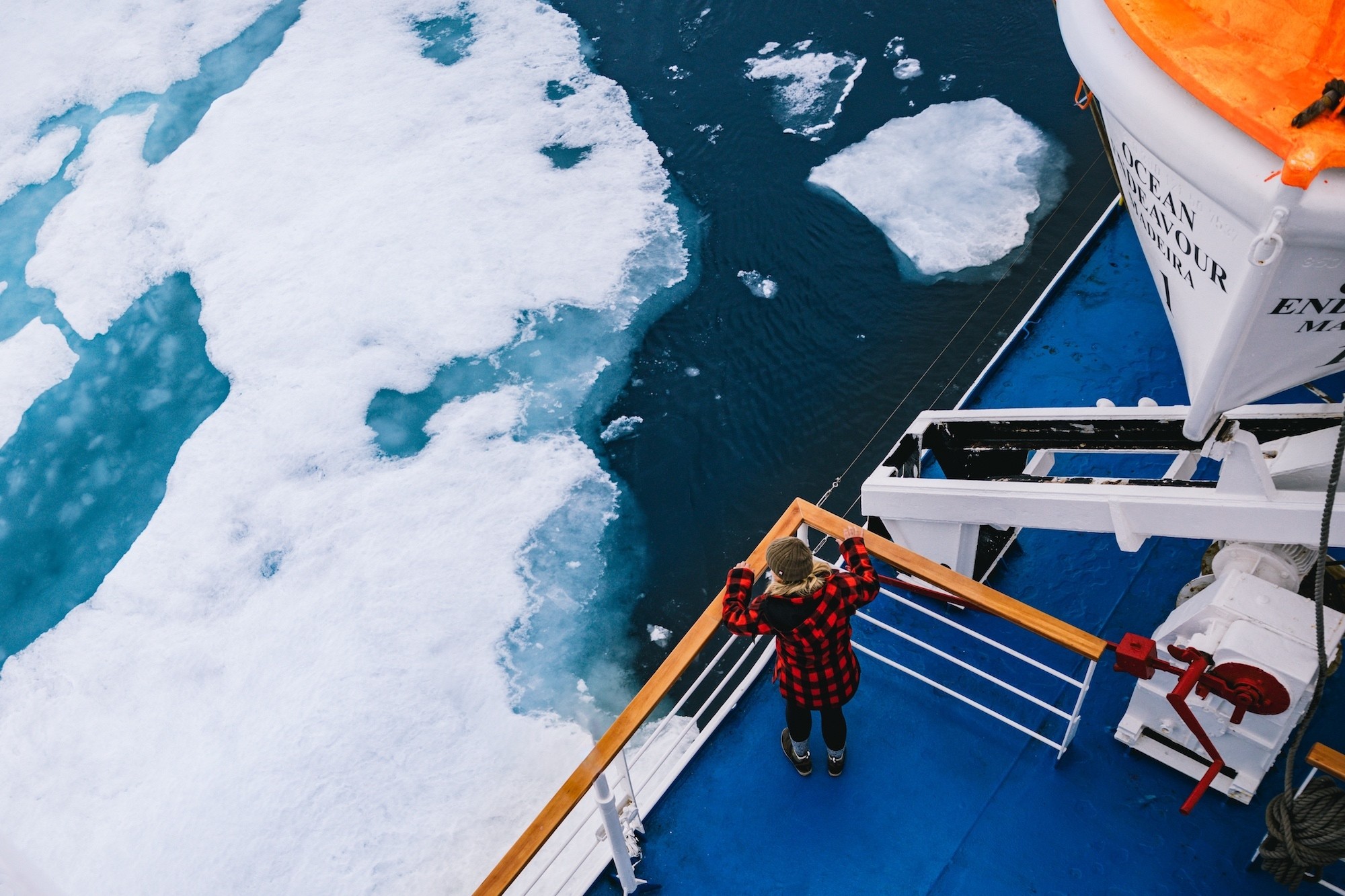
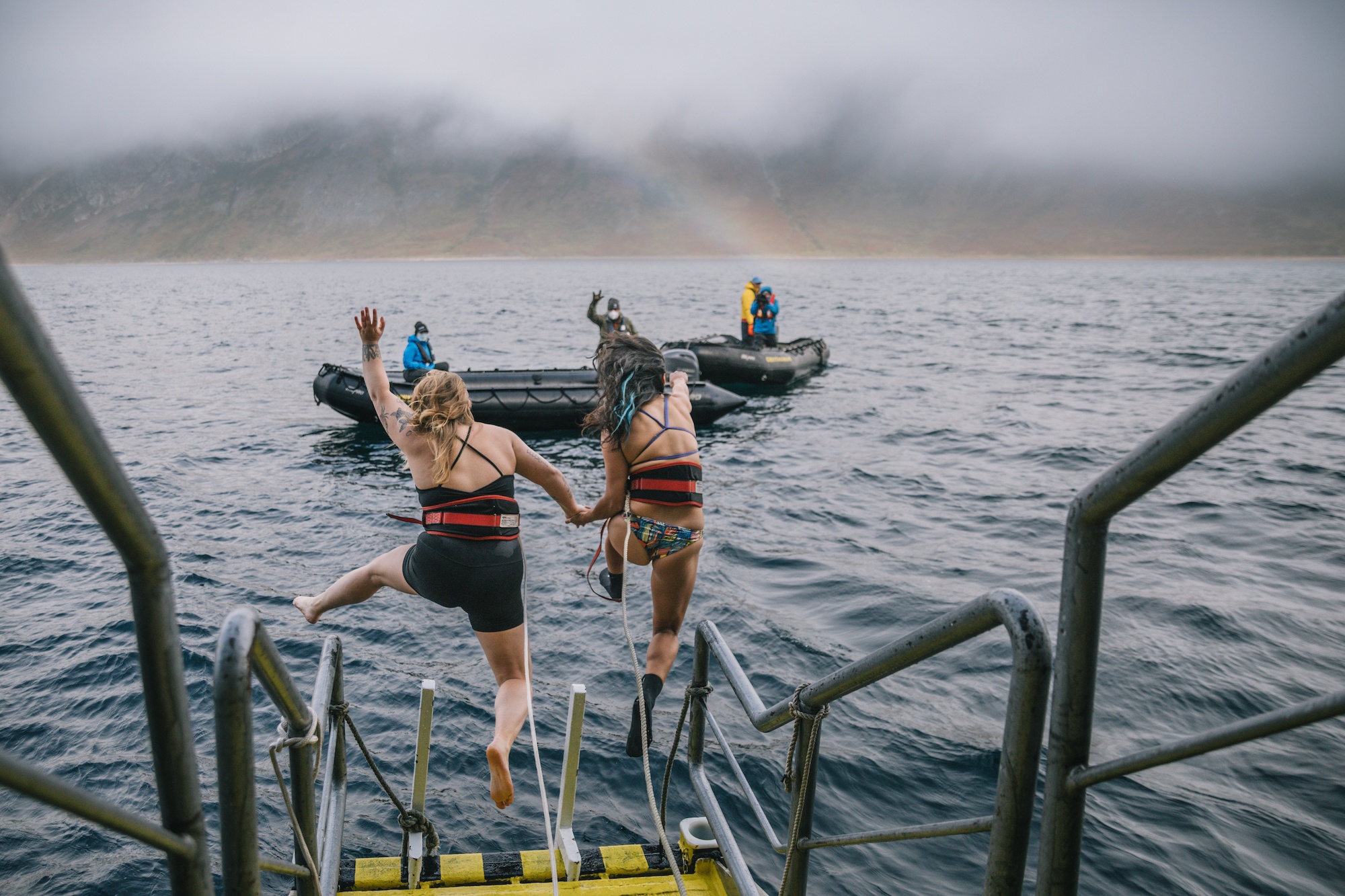
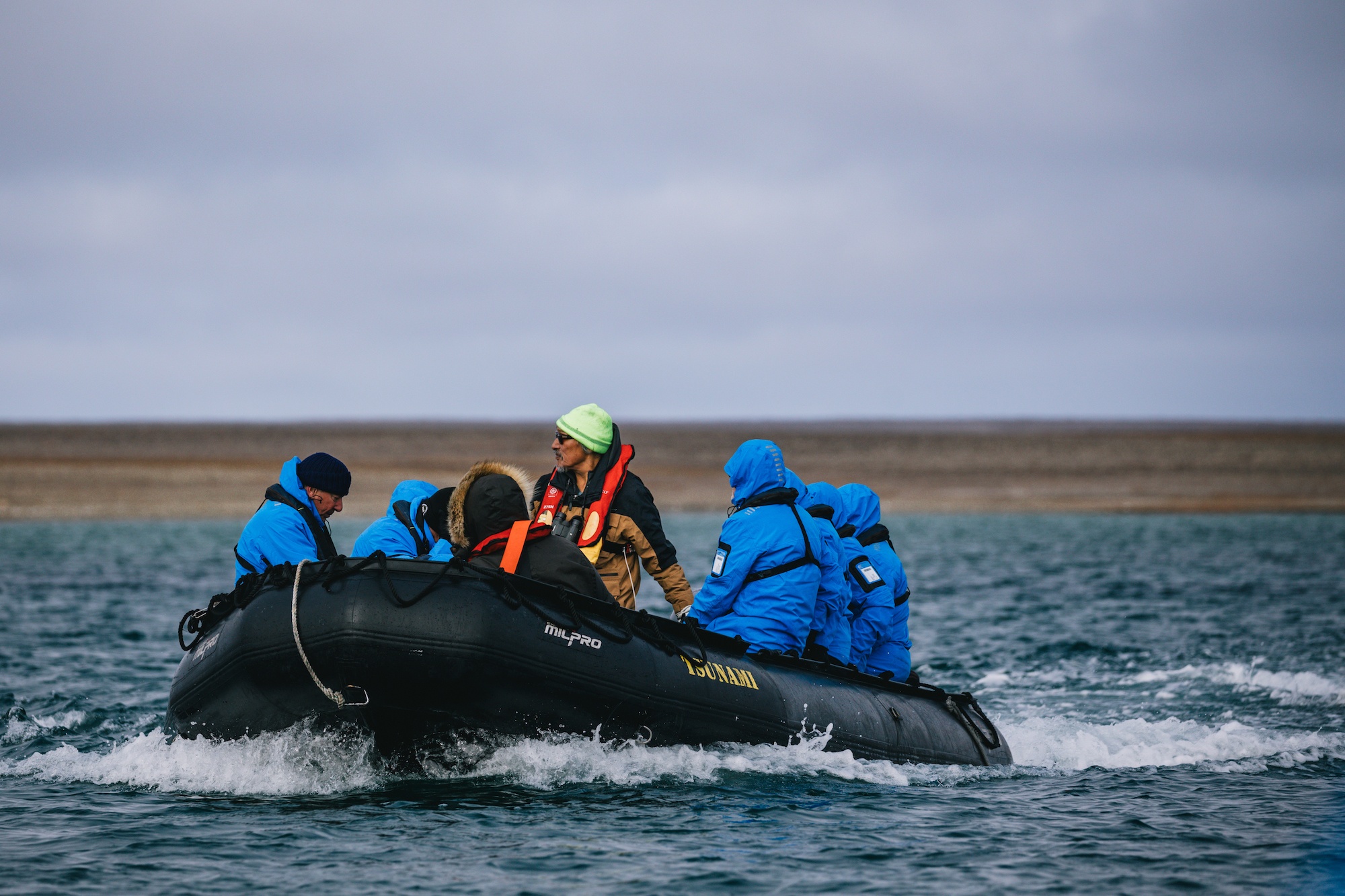
Accessing the earth’s polar regions remains an intricate and heavily restricted logistical challenge. For the vast majority of travelers, entry is restricted to a brief summer window when receding sea ice permits maritime navigation. During this limited season, expedition vessels serve as the primary mode of transit, supplemented by specialized aircraft, rigid-hull inflatable boats (Zodiacs), and winter snowmobiling infrastructure.
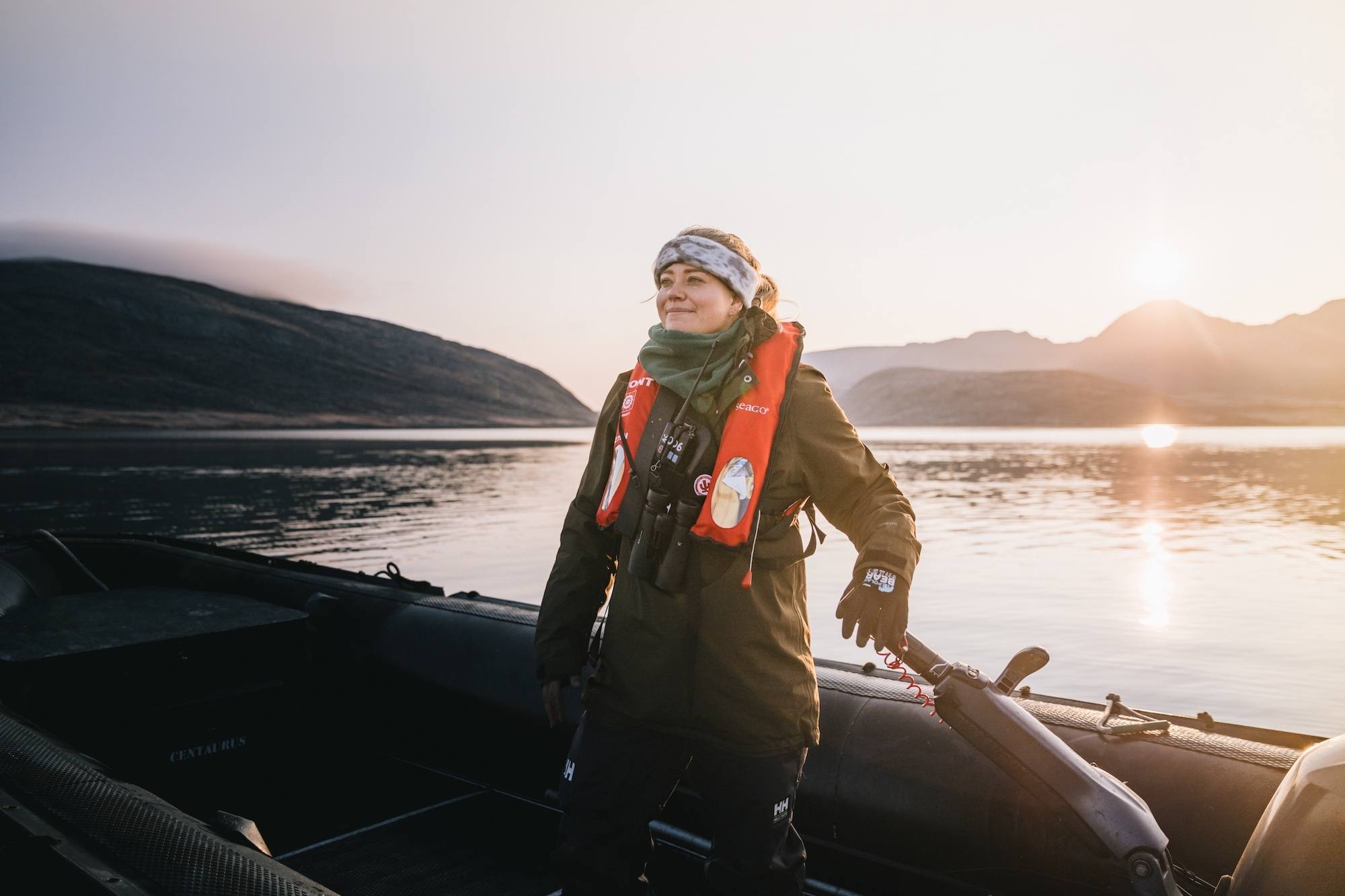
Operating within these remote latitudes requires rigorous safety protocols, environmental awareness, and specialized navigation skills. Modern expedition companies, such as Adventure Canada—a family-owned and operated polar travel provider established by industry pioneers—rely heavily on experienced crew members who can manage both wilderness logistics and guest relations. The ecosystem of these voyages depends on tight-knit, returning teams of naturalists, marine biologists, cultural historians, and expedition leaders who spend months at sea navigating unpredictable weather systems, shifting pack ice, and complex marine environments.

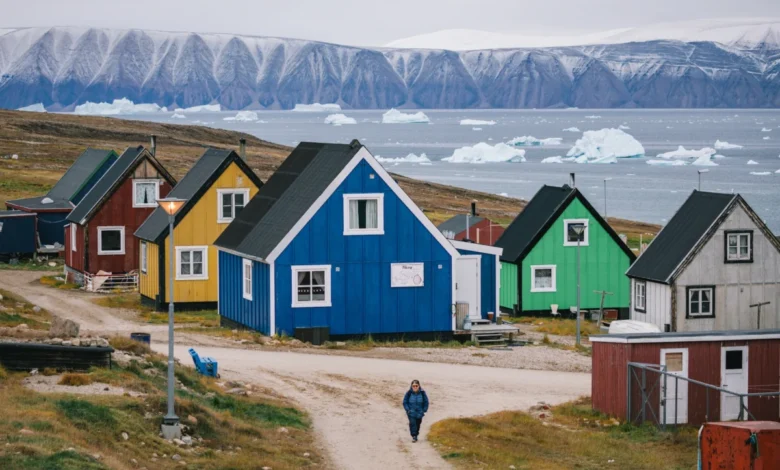
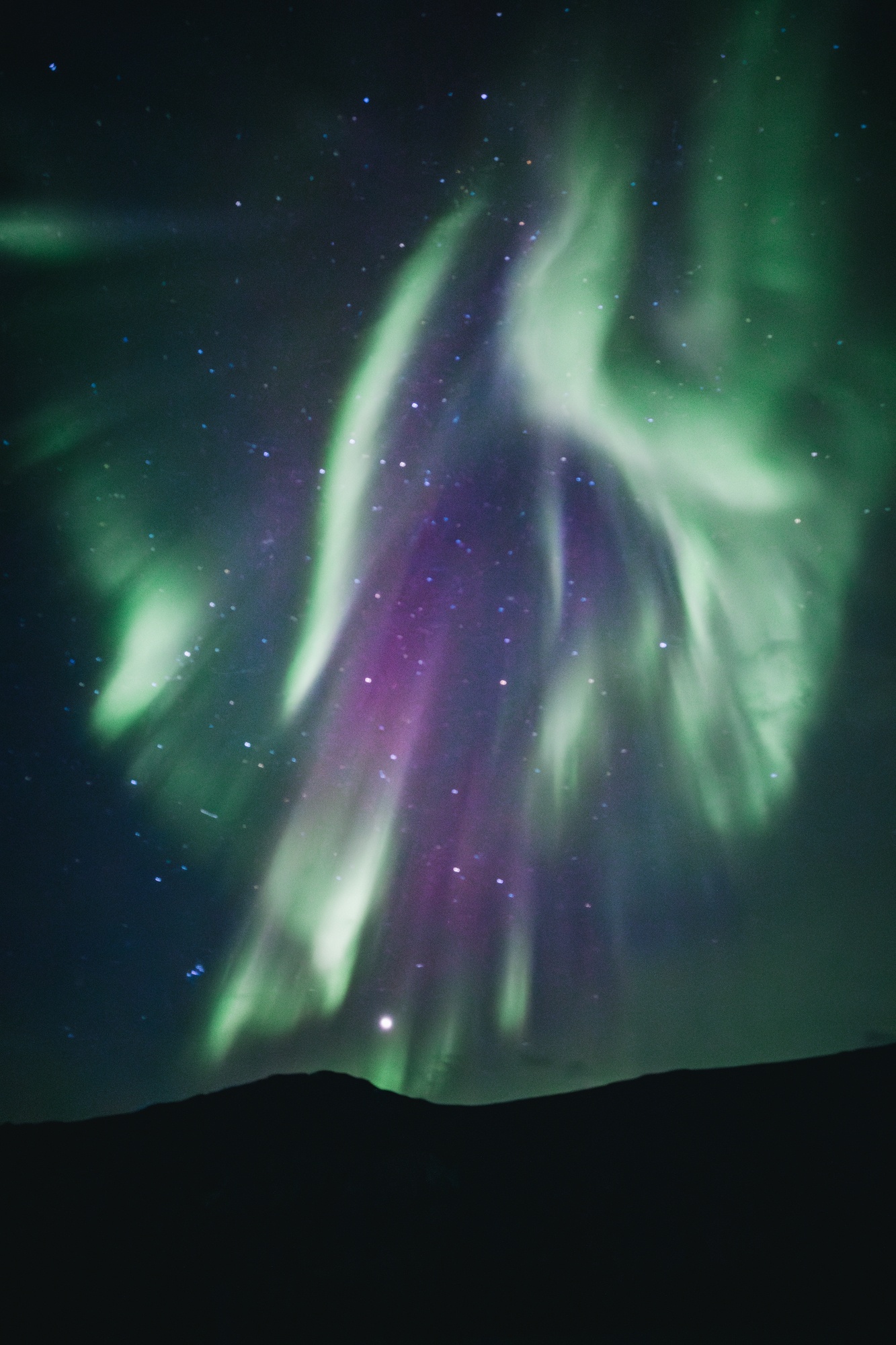
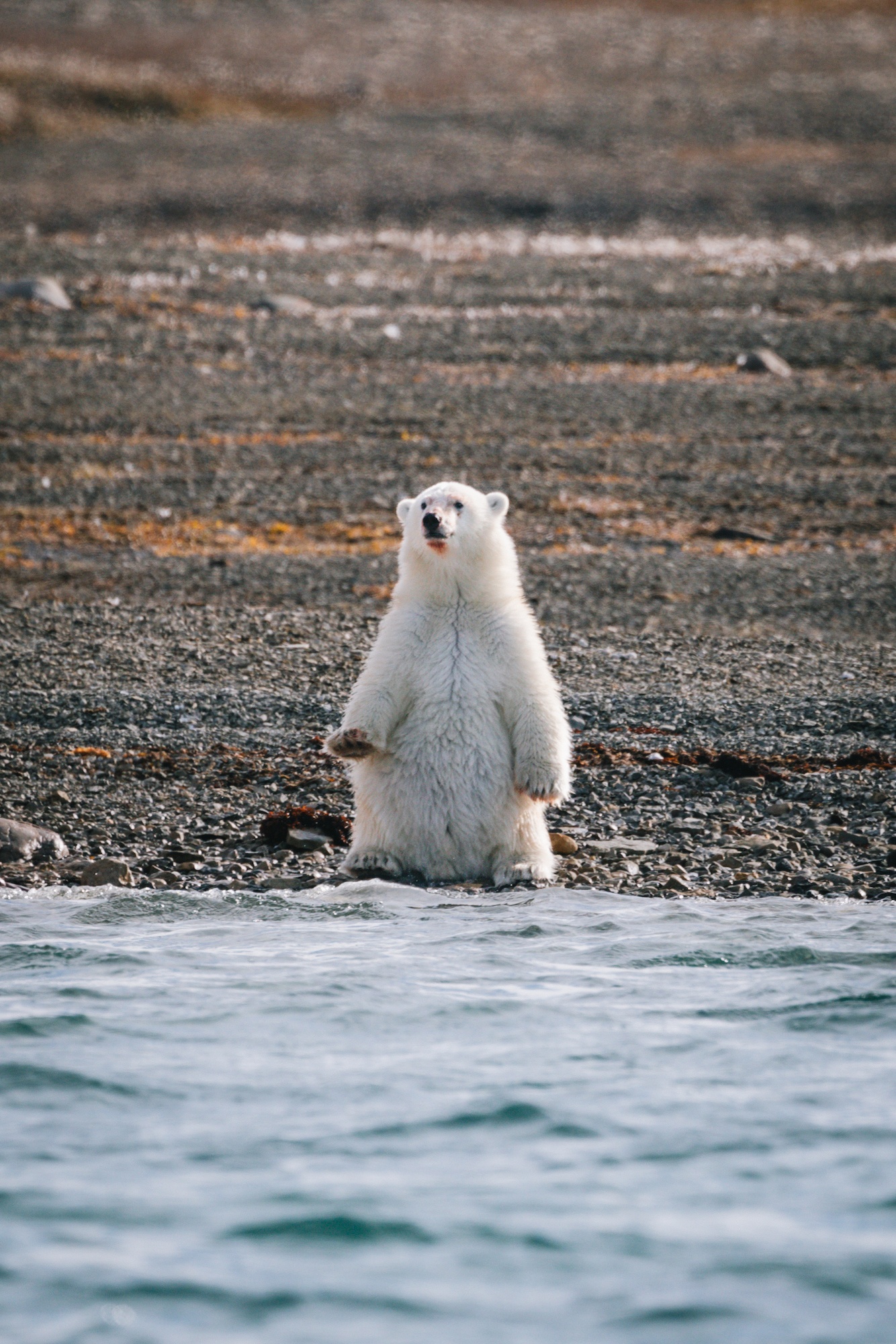
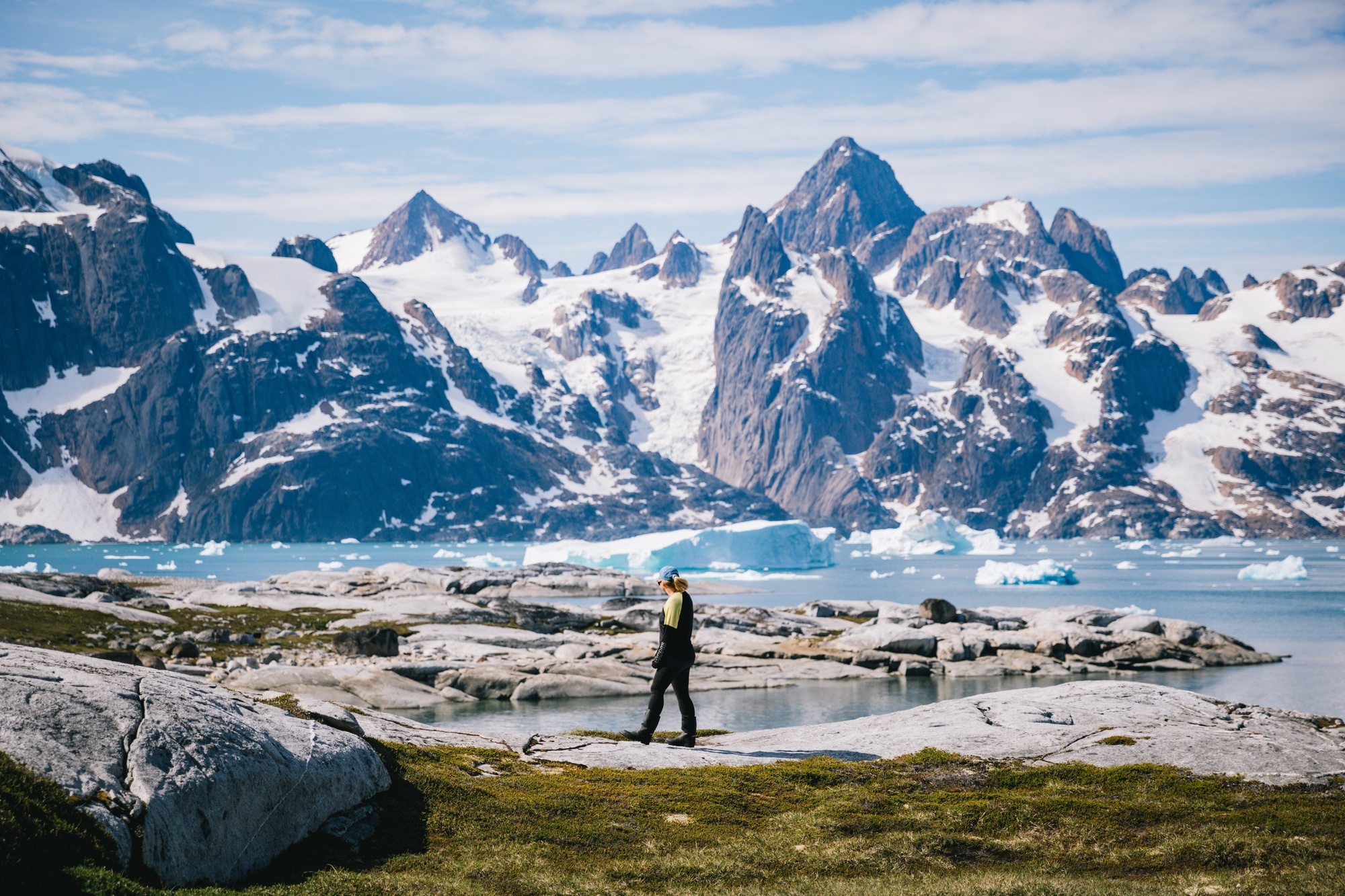
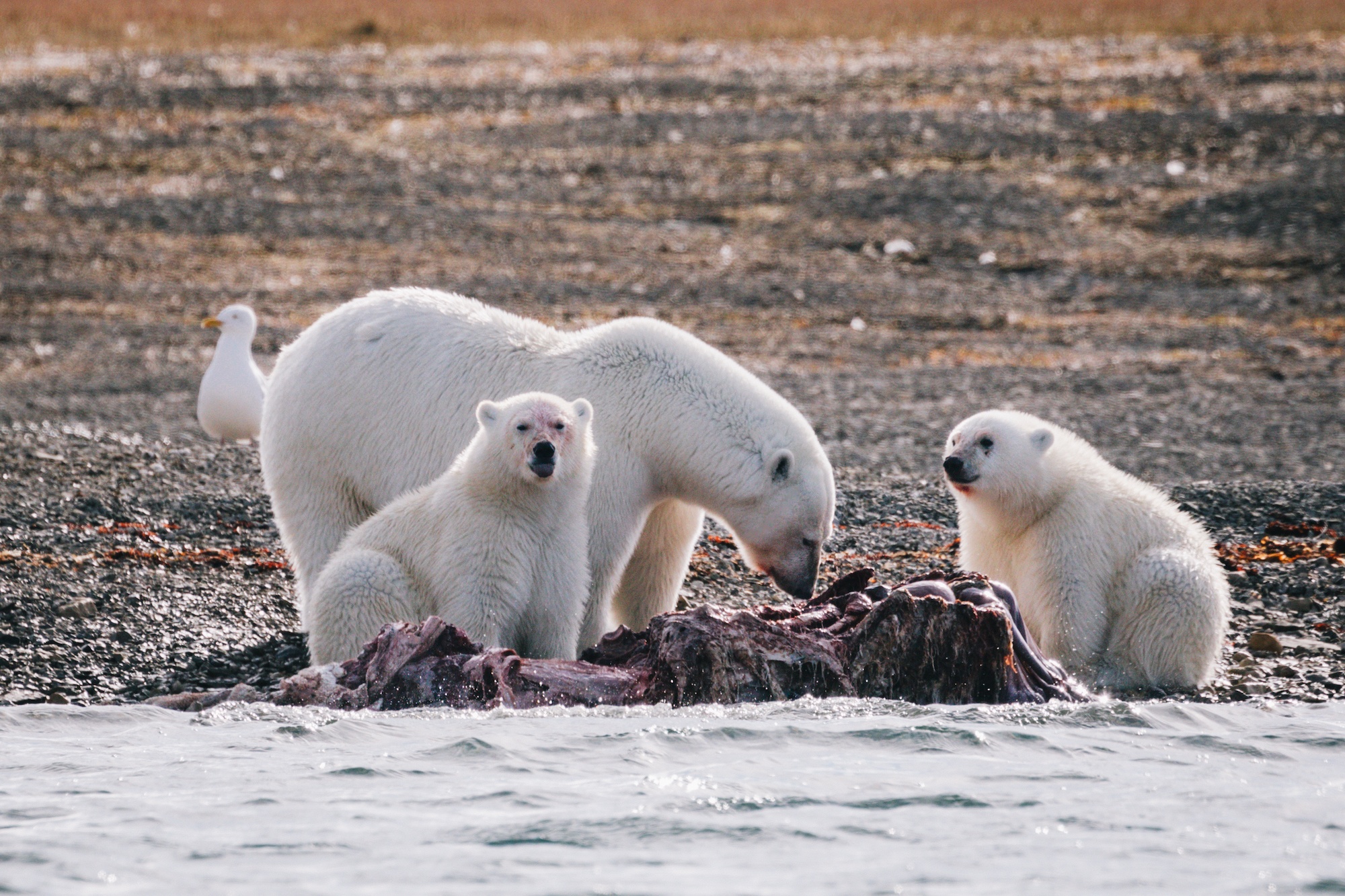
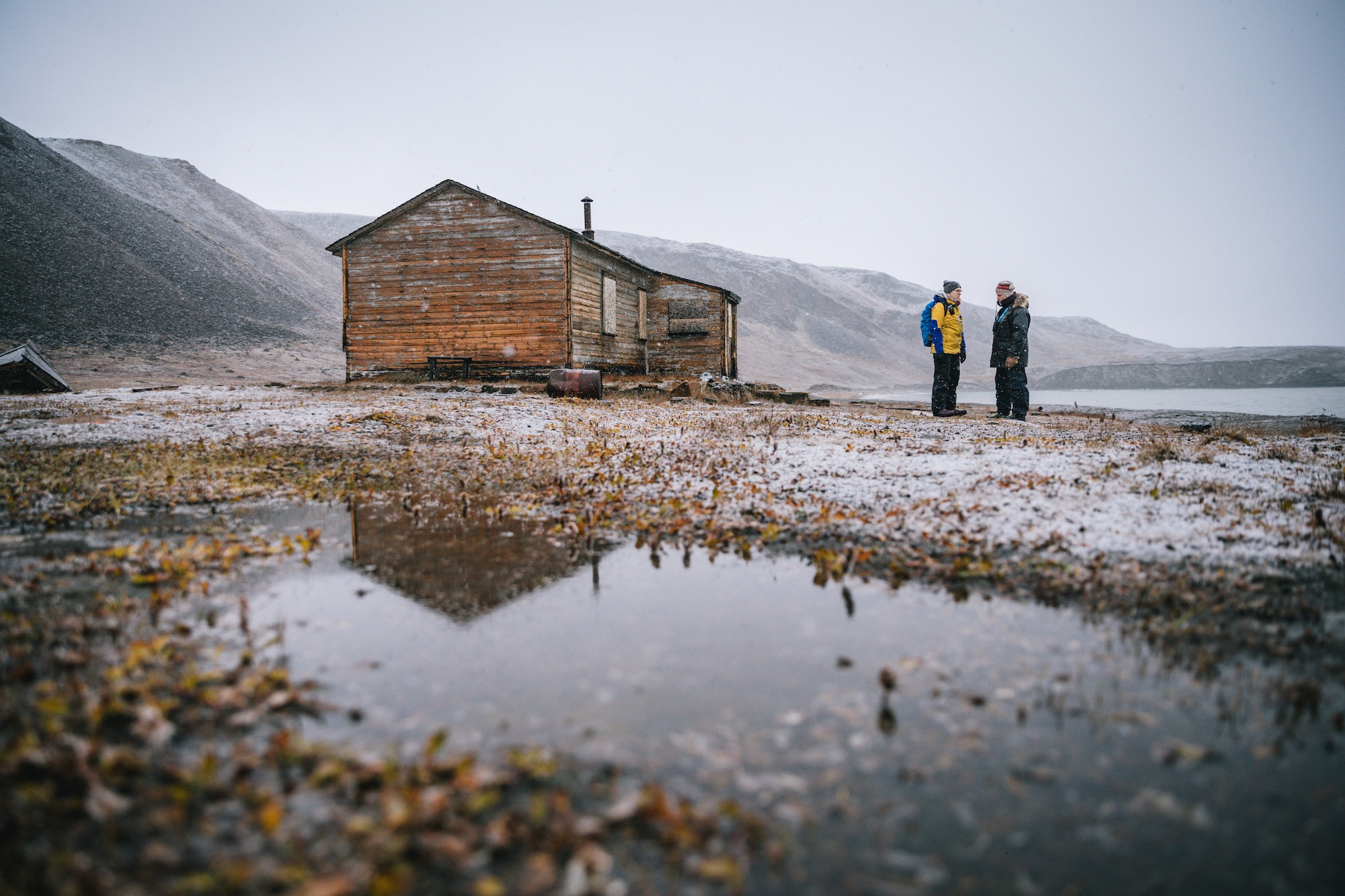
The appeal of the polar extremes lies precisely in their profound isolation and dynamic wildlife populations. Voyages through the Canadian High Arctic and Greenland routinely feature encounters with bowhead whales, narwhals, migrating seabirds, and apex predators such as polar bears. Furthermore, these expeditions frequently incorporate cultural exchanges with northern Indigenous communities, historical site visits—such as tracing historical Franklin expedition markers on Beechey Island—and educational programming focused on glaciology and marine conservation.
Industry Trends and the Pivot Toward Niche Travel Consulting
The decision by seasoned travel professionals to transition into expedition guiding and boutique travel brokerage highlights a growing disillusionment with traditional influencer culture. Following the global disruptions of the COVID-19 pandemic, many digital creators reported burnout resulting from continuous content production, metric-driven competition, and the ephemeral nature of social media engagement.
In response, a segment of the creator economy is migrating toward experiential B2C models, acting as specialized referral agents or commission-based consultants for high-end adventure travel. By leveraging years of firsthand regional expertise, established creators are redefining their business models to focus on curated, high-ticket expeditions rather than high-volume digital impressions.
This hands-on consultancy model operates similarly to boutique travel agency networks. Creators leverage their established platforms not for passive advertising, but to facilitate direct connections between prospective travelers and specialized expedition operators. Industry analysts note that this approach yields higher conversion trust, as consumers increasingly seek out recommendations from professionals with genuine, long-term field experience rather than transactional brand endorsements.
Economic and Environmental Implications of Polar Tourism Growth
The expansion of Arctic and Antarctic tourism brings significant economic benefits to remote northern communities, alongside mounting environmental responsibilities. According to data from the International Association of Antarctica Tour Operators (IAATO) and similar Arctic governance bodies, polar travel has experienced a steady resurgence following pandemic-era restrictions, driven by heightened traveler interest in bucket-list wilderness destinations.
However, this growth necessitates stringent environmental oversight. Operators in regions like Greenland and the Canadian Arctic operate under strict international and domestic guidelines, including the Polar Code established by the International Maritime Organization (IMO). These regulations govern vessel safety, fuel usage, waste management, and wildlife interaction distances to minimize ecological disruption in fragile tundra and marine ecosystems.
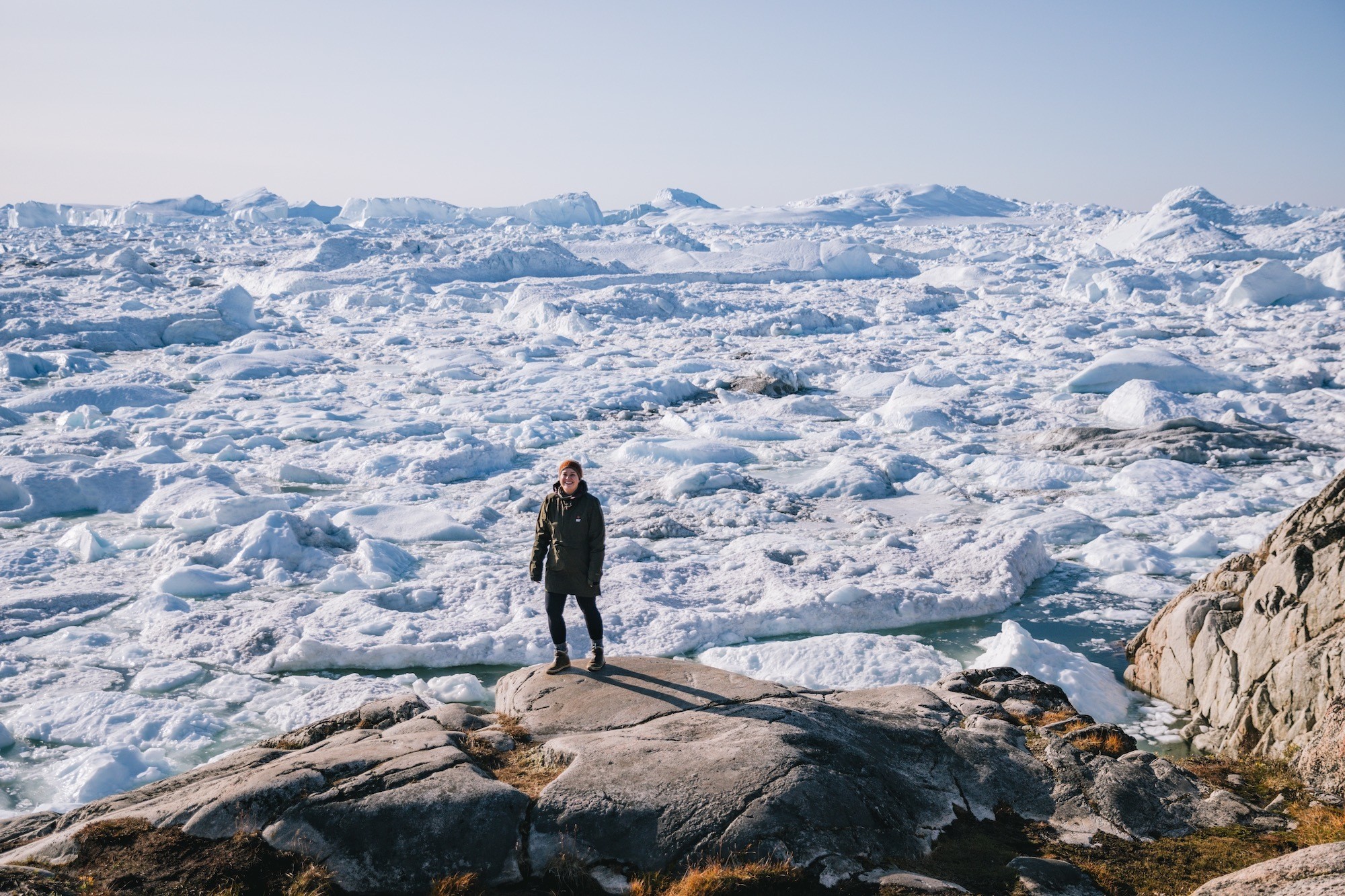
Industry stakeholders emphasize that travelers who visit polar regions often return as passionate environmental advocates. Firsthand observation of receding glaciers, diminishing sea ice, and climate-vulnerable northern ecosystems frequently transforms tourists into lifelong ambassadors for polar conservation. By integrating experienced guides who double as environmental communicators, expedition companies aim to foster a deeper educational impact among passengers, balancing the footprint of adventure travel with advocacy and scientific literacy.
Future Outlook for Expedition Tourism
As traditional digital advertising models face diminishing returns and increasing consumer skepticism, the integration of content creators into formal tourism operations is expected to grow. For the polar travel sector, this trend secures a steady influx of passionate, media-savvy personnel capable of articulating the complexities of high-latitude exploration to global audiences.
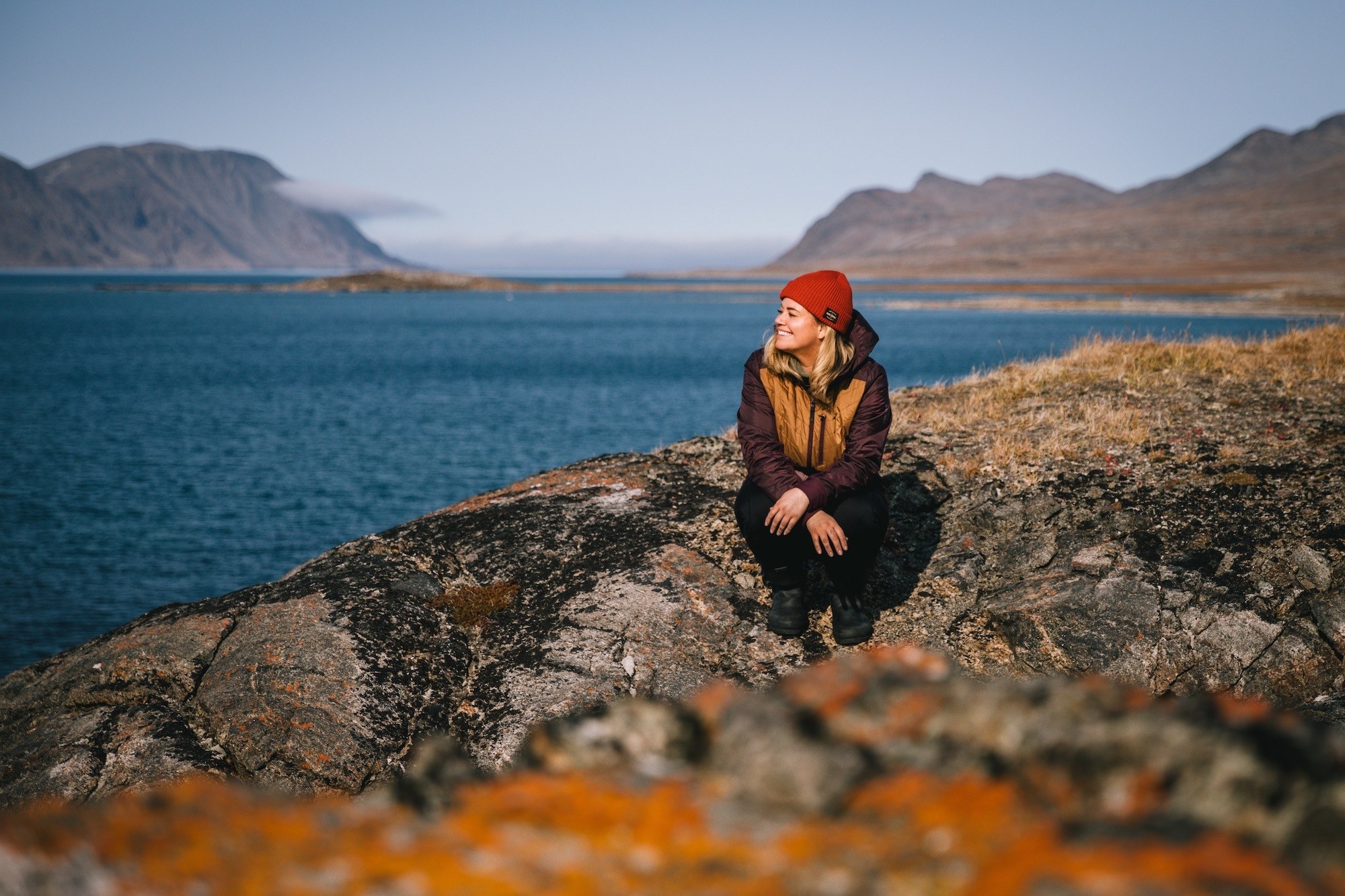
The shift underscores a broader realignment within the travel industry, where authenticity, field experience, and direct operational involvement are replacing superficial digital reach. For professionals choosing this path, the transition offers a sustainable, community-driven alternative to the digital hustle, anchoring their careers in the tangible, awe-inspiring reality of the world’s most remote frontiers.