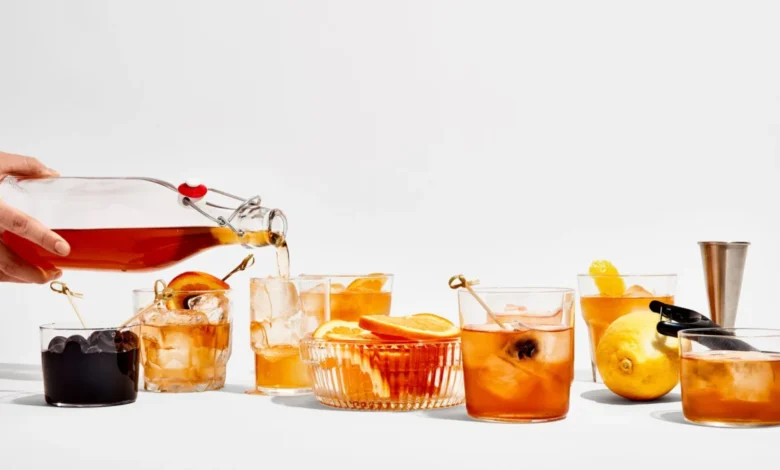
When faced with the ubiquitous party request to "bring something to drink," the default might be a bottle of wine. However, aspiring to be the undisputed hero of any gathering can be achieved by arriving with a pre-batched Old-Fashioned cocktail. This ingenious approach bypasses the need for on-the-spot mixing, shaking, or stirring, transforming you into the ultimate host or a remarkably prepared guest. The concept is simple: prepare a large batch of the classic cocktail, chill it, and then serve it over ice with a flourish. This allows for immediate enjoyment upon arrival and ensures a consistently balanced and perfectly diluted drink for every guest.
The foundation of this party-saver is a precisely formulated Old-Fashioned recipe designed for batching. It typically comprises rye whiskey (or bourbon), a rich simple syrup for sweetness, Angostura bitters for aromatic complexity, and a measured quantity of water. This water is crucial; it replicates the dilution that occurs naturally when a single cocktail is stirred with ice, ensuring that each serving from the batch is as smooth and well-integrated as its individually crafted counterpart. The result is a perfectly balanced, ready-to-pour libation that elevates any social occasion, from intimate dinner parties to lively backyard barbecues and festive holiday celebrations.
Beyond the Old-Fashioned, the principles of batching can be applied to a wide array of classic stirred cocktails. This versatile technique unlocks the potential to prepare Manhattans, Negronis, Martinis, Boulevardiers, and Rob Roys in advance. Imagine the convenience of having an entire pitcher or bottle of these sophisticated drinks chilling in the refrigerator, ready to be poured at a moment’s notice. This is not merely about convenience; it’s a strategic advantage for any host aiming to maximize guest interaction and minimize time spent behind the bar.

The Genesis of the Batched Old-Fashioned: A Nod to History
The concept of a "batched" Old-Fashioned is rooted in the very history of the cocktail itself. Originally known as the "Whiskey Cocktail," the Old-Fashioned is a testament to the enduring appeal of simplicity. Its origins trace back to the early 19th century, aligning perfectly with the 1806 definition of a cocktail: a harmonious blend of spirit, sugar, bitters, and water. This fundamental composition makes it exceptionally well-suited for preparation in larger quantities. By consolidating the ingredients for multiple servings into a single vessel, the need for individual preparation is eliminated, streamlining the serving process without compromising the integrity of the drink.
The Science Behind the Batch: Why Water is Essential
The inclusion of water in a batched cocktail recipe might initially seem counterintuitive. However, it plays a critical role in achieving the desired flavor profile and texture. When a cocktail is traditionally stirred or shaken with ice, the melting ice not only chills the drink but also introduces a controlled amount of dilution. This dilution is essential for balancing the potent flavors of the spirits and sweeteners, preventing the cocktail from tasting overly harsh or strong. In a batched cocktail, where the mixing process bypasses direct contact with ice, adding a pre-measured amount of water serves as a direct substitute for this crucial dilution. This ensures that each pour from the batch delivers the same smooth, balanced, and perfectly integrated taste as a freshly stirred drink. Skipping this step would result in a significantly more potent and less nuanced cocktail.
Preparing for Perfection: The Do-Ahead Advantage
The beauty of the batched Old-Fashioned lies in its long shelf life, owing to its primary reliance on shelf-stable ingredients. Ideally, the batch should be prepared at least one day in advance of a party to allow the flavors to meld and mature. For an even more nuanced and integrated sip, the drink can be aged for up to two weeks. Storage is flexible: up to three months in the refrigerator or, remarkably, at least six months in the freezer. While the high alcohol content prevents the liquid from freezing solid, it will thicken into a delightful, syrupy consistency that transforms into a perfectly chilled cocktail when poured over ice. This extended aging potential offers hosts unparalleled flexibility in their party preparations.
Variations on a Theme: Customizing Your Batch
Once the basic formula for a batched Old-Fashioned is mastered, the possibilities for customization are virtually endless. This adaptable technique allows for subtle adjustments to cater to diverse palates and preferences. For instance, a common variation involves altering the type of whiskey used. Opting for a robust rye whiskey tends to yield a drier, spicier profile, while a smooth bourbon contributes a richer, sweeter character to the finished cocktail. This choice alone can significantly alter the overall impression of the drink.

Further experimentation can involve infusing the simple syrup with additional flavors. A citrus peel, such as orange or lemon, can be steeped in the syrup to impart subtle aromatic notes. For those who enjoy a touch of spice, a cinnamon stick or a few cloves can be added during the syrup’s preparation. Some enthusiasts even explore the use of alternative sweeteners, such as maple syrup or agave nectar, though these will necessitate adjustments to the water and bitters components to maintain balance. The key lies in understanding the foundational ratios and then making incremental changes to discover personalized preferences.
The Art of Batching: Expanding Beyond the Old-Fashioned
The elegance and efficiency of batching extend far beyond the Old-Fashioned. This technique is a powerful tool for any cocktail enthusiast looking to simplify the hosting experience. The fundamental principle of multiplying ingredients and adding controlled dilution can be applied to a vast array of spirit-forward cocktails.
Consider the sophisticated Manhattan, a classic combination of whiskey, sweet vermouth, and bitters. By scaling up the recipe and adding the appropriate amount of water, a large batch can be prepared, ready to be served over ice with a cherry garnish. Similarly, the bitter complexity of a Negroni, typically made with gin, Campari, and sweet vermouth, lends itself perfectly to batching. The same applies to the clean, crisp profile of a Martini, though careful consideration must be given to the vermouth’s aging once mixed.
Even more complex cocktails with multiple modifiers can be batched, although this may require a slightly more nuanced approach to ingredient ratios. For example, a Boulevardier, which substitutes whiskey for gin in a Negroni, can be prepared in advance. The Rob Roy, a Scotch-based variation of the Manhattan, is another prime candidate for batching. The underlying philosophy remains consistent: understand the core components of the cocktail and apply the batching methodology to achieve a ready-to-serve product.

Tips for Crafting the Quintessential Batched Old-Fashioned
To ensure your batched Old-Fashioned reaches its full potential, several key considerations come into play:
- Whiskey Selection: The choice between rye and bourbon significantly impacts the final taste. Rye offers a spicier, more assertive profile, while bourbon provides a smoother, sweeter foundation. Both are excellent choices, and personal preference should guide the decision. For a reliable and budget-friendly rye, Old Overholt is a widely available option. For a more premium rye, Michter’s has garnered acclaim. Among bourbons, Bulleit and Knob Creek 9-Year are highly regarded options.
- Simple Syrup Quality: Use a rich simple syrup (a 2:1 sugar to water ratio) for optimal sweetness and texture. Ensure the sugar is fully dissolved.
- Bitters Measurement: While the general guideline is to scale bitters proportionally, it’s advisable to add them gradually and taste as you go. Bitters can be potent, and overdoing them can overpower the other ingredients.
- Dilution Accuracy: The amount of water added is crucial. It must accurately replicate the dilution from stirring. Too little water will result in a harsh, overly strong drink; too much will dilute the flavor excessively.
- Aging for Flavor: Allow the batched cocktail to rest in the refrigerator for at least 24 hours. This crucial aging period allows the ingredients to marry, resulting in a smoother, more harmonious flavor profile.
- Garnishing Strategy: Always wait to add garnishes until just before serving. Fresh citrus peels and cherries will provide the best aroma and visual appeal, and adding them too early can diminish their vibrancy.
The Broader Impact: Convenience and the Evolution of Entertaining
The trend towards batched cocktails signifies a broader shift in how we approach entertaining. In an era where time is a precious commodity, the ability to prepare complex elements of a party in advance offers significant advantages. This not only benefits the host by reducing stress and allowing for more genuine interaction with guests but also enhances the guest experience by ensuring consistent quality and prompt service.
The implications of this trend are far-reaching. For caterers and event planners, batched cocktails offer a scalable and efficient way to serve large numbers of people without compromising on quality. For home entertainers, it democratizes the art of cocktail making, making sophisticated drinks accessible to a wider audience. The ability to pre-batch also allows for greater exploration of diverse cocktail menus, enabling hosts to offer a range of options without the logistical challenges of individual preparation. This evolution in entertaining reflects a growing appreciation for both the craft of mixology and the desire for seamless, enjoyable social gatherings. The batched Old-Fashioned, in its elegant simplicity, stands as a testament to this progressive approach to hospitality.