Why Working Holidays and Structured Travel Are Redefining Modern International Mobility

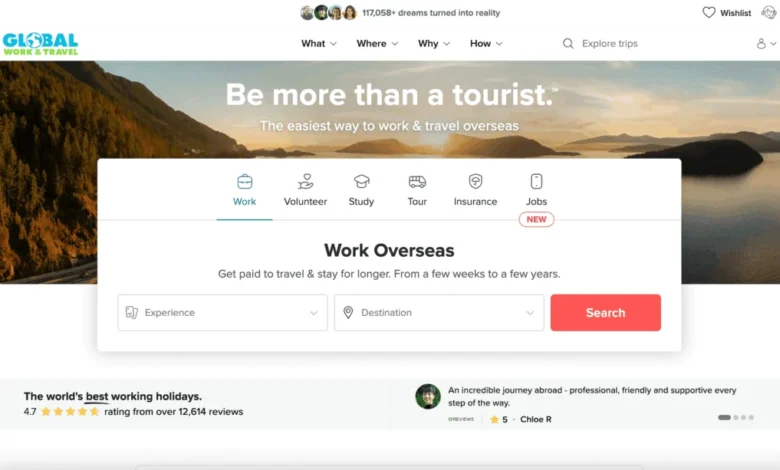
The contemporary landscape of international travel has long been dominated by extractive, passive tourism—a model wherein visitors arrive at a destination, capture digital imagery of standardized landmarks, patronize pre-recommended guidebooks establishments, and depart with minimal integration into the host community. While long-term travelers frequently attempt to distance themselves from the traditional "tourist" label by slowing their pace or reducing expenditures, the structural dynamic remains largely unchanged: individuals pass through foreign regions as temporary observers rather than active participants.
Sociological research into global tourism indicates that transient travelers rarely forge meaningful, reciprocal bonds with local populations. Economic and cultural barriers, coupled with the brief duration of standard vacations, inherently limit deep interpersonal engagement. Consequently, transformative travel experiences—those associated with long-term psychological enrichment and genuine cross-cultural understanding—tend to emerge only when individuals commit to extended stays and contribute directly to the communities they visit.
The Evolution of Extended International Mobility
Historically, transitioning from a passive tourist to an active participant required navigating a complex labyrinth of bureaucratic hurdles, unverified local organizations, and opaque employment markets. Finding legitimate, vetted opportunities to work or volunteer abroad often exposed travelers to unregulated entities, potential exploitation, or poorly structured programs that failed to deliver sustainable benefits to host nations.
Over the past two decades, the international travel sector has undergone a structural transformation. Organized gap year providers and specialized placement agencies have emerged to establish standardized frameworks for international mobility. Among these, industry data indicates that major sector participants, such as Global Work & Travel, have facilitated placements for more than 116,000 individuals across the United Kingdom, Europe, the Americas, Asia, Africa, and the Pacific. These organizations provide the critical logistical scaffolding—including visa guidance, pre-departure support, job matching, and ongoing localized assistance—required to make long-term international relocation viable for a broader demographic.
Logistical Challenges of Expatriation and Relocation
For even the most seasoned independent travelers, relocating abroad independently presents substantial friction. Securing legal employment while competing against domestic labor pools, navigating complex immigration laws, managing long-term accommodation contracts, and absorbing unpredictable foreign transport costs frequently deter potential applicants.
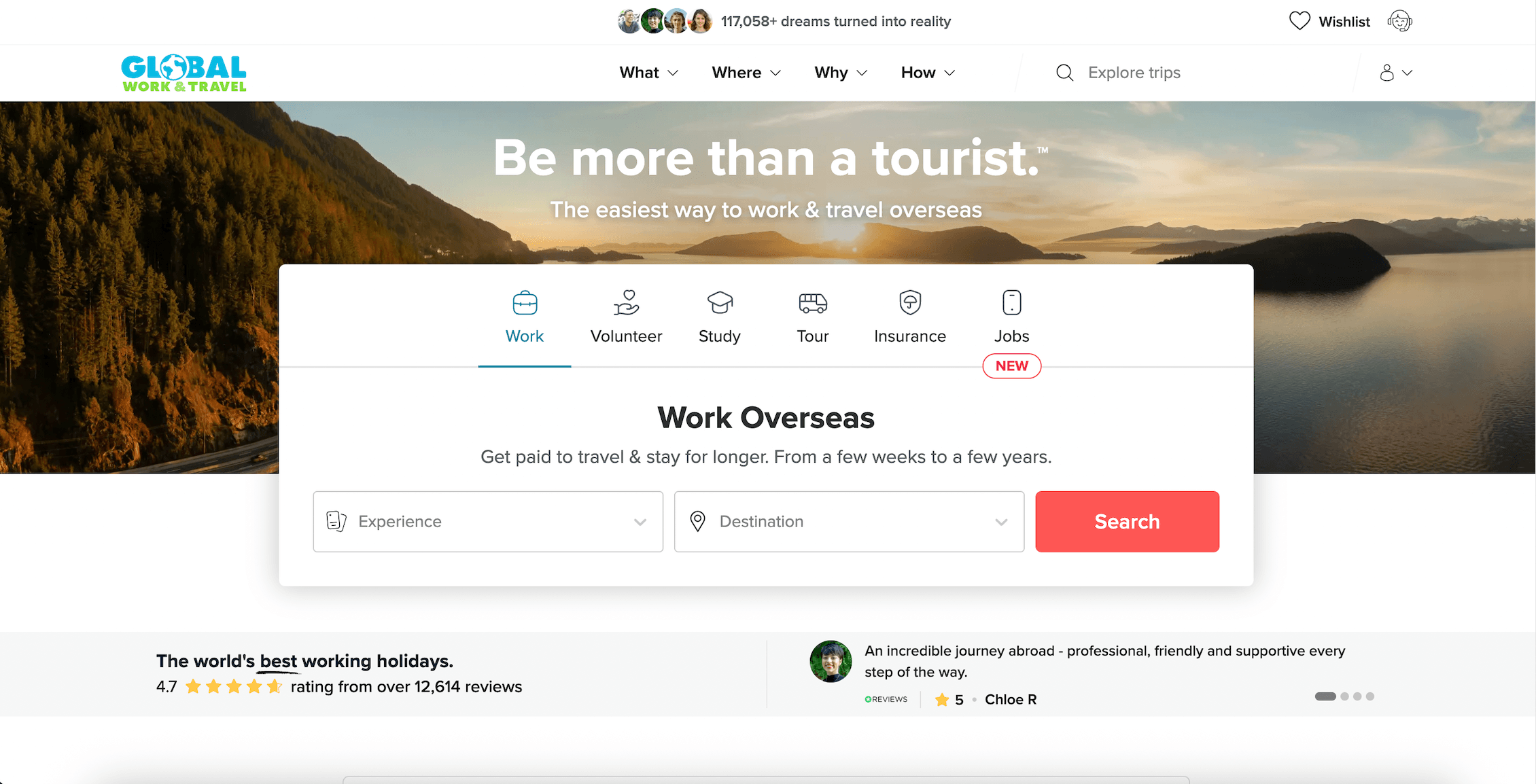
Structured mobility programs mitigate these friction points by offering centralized administrative support. Modern technological integrations, such as proprietary trip management applications (including the gWorld portal), allow participants to track documentation, monitor employment matches, and access emergency support systems in real time. This institutional safety net has altered the calculus for first-time international travelers, converting prolonged deliberation into actionable relocation strategies.
The Shift from Digital Nomadism to Working Holiday Makers
For much of the past decade, the "digital nomad" paradigm has served as the aspirational blueprint for remote international living: maintaining a remote income stream denominated in a strong currency while residing in a lower-cost-of-living jurisdiction. However, market analyses demonstrate that this model remains inaccessible to a vast demographic, primarily younger travelers or those lacking established remote careers, capital reserves, or professional stability.
In response, working holidays have experienced a surge in popularity, positioning working holiday makers as the new standard for immersive international mobility. Rather than importing external remote labor, working holiday participants integrate directly into local domestic economies. By securing localized employment upon arrival, individuals establish a structured routine, cultivate professional relationships with domestic colleagues, and embed themselves within the cultural fabric of their host cities.
This model offers a more grounded and accessible alternative to digital nomadism. It requires neither advanced entrepreneurial capital nor years of remote-work experience, demanding instead a willingness to engage locally and access to the appropriate administrative frameworks. Consequently, current industry trends reflect a measurable pivot away from purely remote-work inquiries toward comprehensive, year-long live-and-work abroad frameworks.
The Ethics and Impact of Structured Volunteering
Volunteering abroad has historically faced rigorous scrutiny regarding its ethical implications. A significant portion of the volunteer tourism market has faced criticism for operating on profit-driven models that prioritize the emotional gratification of the traveler over the genuine socioeconomic or ecological needs of the host community.
In light of these critiques, contemporary vetting standards have grown increasingly rigorous. Reputable international organizations now subject their partner programs to strict evaluations, ensuring alignment with community-defined priorities in sectors such as wildlife conservation, community development, formal education, and healthcare.

Academic and field studies indicate that ethical, well-structured volunteer interventions—such as community development initiatives in Zanzibar, wildlife conservation projects in South Africa, or elephant rehabilitation efforts in Thailand—yield measurable benefits when managed in direct consultation with local stakeholders. Furthermore, the integration of dedicated philanthropic mechanisms, such as corporate animal welfare funds, helps channel supplementary financial resources directly into regional conservation efforts, extending the positive impact well beyond individual placement cycles.
Economic and Professional Implications of Working Holidays
Beyond cultural immersion, working holiday programs offer distinct economic and professional advantages. Participants earn local wages that help offset the cost of living, thereby extending their duration abroad without depleting personal savings reserves. This financial sustainability enables travelers to explore regional nuances, discover non-commercialized locales, and develop a comprehensive understanding of domestic socioeconomic conditions.
Professionally, international work experience enhances resumes by demonstrating adaptability, cross-cultural competence, and problem-solving skills in unfamiliar environments. For young adults and career-transitioning professionals, these attributes are increasingly valued in an interconnected global economy.
Demographic Trends and Future Outlook
Current demographic data indicates that the demand for structured international work and volunteer programs remains robust among individuals aged 18 to 35, though select educational and volunteer initiatives accommodate participants up to age 80. The predictability provided by lifetime deposit policies and financial consumer protection memberships has further bolstered consumer confidence within the sector.
As traditional tourism models face increasing scrutiny regarding their environmental and cultural sustainability, the expansion of structured working holidays and verified volunteer programs represents a fundamental maturation of the international travel industry. By replacing extractive observation with active, integrated participation, these frameworks offer a viable blueprint for sustainable, long-term global engagement.