Navigating Crisis and Recovery: How Nepal Balances Urgent Infrastructure Needs with Its Economic Lifeline of Tourism

The catastrophic floods and landslides that tore through Nepal and neighboring Tibet in late August have left an indelible scar on the Himalayan nation, claiming at least 1,386 lives and leaving thousands more missing. In the weeks following the disaster, the immediate national focus has remained firmly anchored on rescue operations, emergency relief, and the grueling restoration of essential utilities, roads, and communication lines. Yet, even as emergency crews dig through mud and debris, the Nepalese government and tourism sector are grappling with a complex, high-stakes economic challenge: convincing international travelers not to abandon their travel itineraries.
With tourism serving as a crucial pillar of Nepal’s national economy, the country is walking a precarious tightrope. Stakeholders must encourage visitors to return to areas that are safe and operational, while simultaneously ensuring that local infrastructure is robust enough to handle them without detracting from ongoing recovery efforts. This delicate balancing act highlights the profound vulnerability of tourism-dependent economies in the wake of natural disasters, where a well-intentioned blanket cancellation can inadvertently trigger a secondary economic crisis.
A Chronology of Catastrophe and Immediate Aftermath
The disaster unfolded rapidly in late August, fueled by torrential monsoon rains that triggered unprecedented flooding and massive landslides across multiple districts in Nepal and Tibet. Rivers overflowed their banks, washing away bridges, severing major highways, and burying entire settlements under tons of silt and rock. The death toll steadily climbed past 1,386, making it one of the deadliest weather events in the region’s recent history.
In the immediate aftermath, national and international aid organizations mobilized search-and-rescue teams. Helicopters airlifted stranded trekkers and villagers from remote pockets, while medical teams deployed to prevent outbreaks of waterborne diseases. The government declared states of emergency in the hardest-hit zones, channeling all available state resources into saving lives and clearing critical transport corridors.
As the initial rescue phase shifted toward stabilization, tourism authorities realized they were facing an unfolding economic emergency alongside the humanitarian one. Realizing that sweeping global media coverage often paints entire countries with a single brush, the Nepalese government and industry leaders launched concerted public messaging campaigns—such as the viral social media initiative #NepalCalling—to clarify that much of the country remains open, accessible, and safe for international travelers.
Economic Stakes: Why Tourism Matters to Nepal
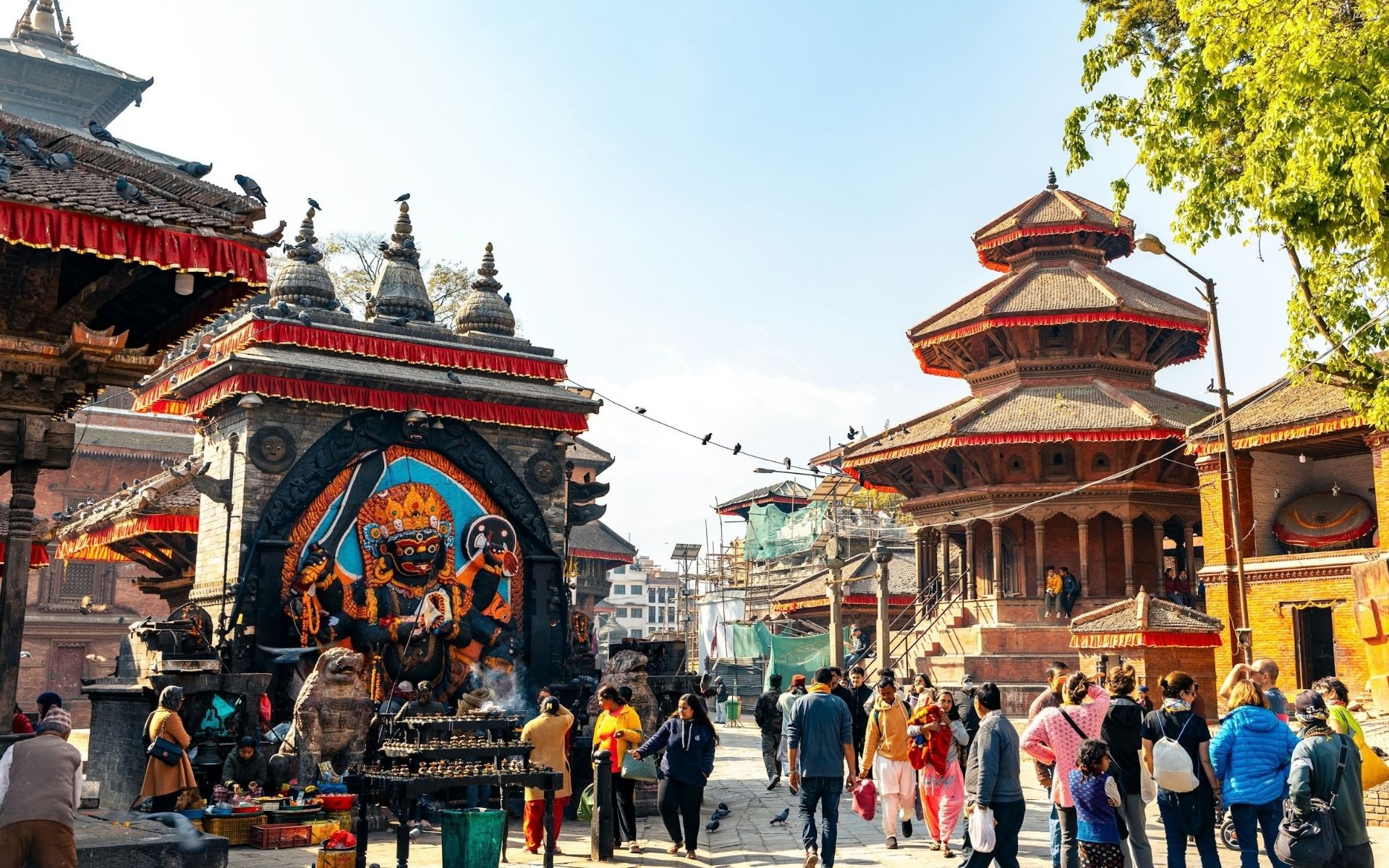
To understand why Nepal is urging tourists to maintain their travel plans, one must look closely at the sheer scale of the nation’s tourism industry. Last year, Nepal welcomed approximately 1.16 million foreign tourists, marking its strongest tourism performance since the devastation of the COVID-19 pandemic.
Tourism is not merely an auxiliary sector in Nepal; it is a foundational economic engine. According to recent economic and labor data, the tourism industry accounts for roughly 15 percent of total national employment—translating to nearly one in every seven jobs. The sector’s financial benefits cascade widely, supporting hotels, eco-lodges, trekking agencies, mountain guides, porters, local restaurants, transport operators, and remote mountain communities that have few alternative sources of income. Overall, tourism contributes between six and eight percent of Nepal’s gross estimated domestic product (GDP).
When international arrivals plummet, the financial shockwaves ripple far beyond urban centers like Kathmandu and Pokhara. A drop in visitor numbers instantly starves remote mountain tea houses, family-run lodges, and independent guides of their livelihoods. Consequently, tourism experts warn that the economic footprint of the late August floods could ultimately extend far beyond the physical boundaries of the disaster zones, harming communities nationwide if travelers unnecessarily stay away.
The Psychology of Risk and the "Perception Footprint"
The challenge facing Nepal is rooted in human psychology and media dynamics. Travelers tend to respond not only to actual, localized risks, but also to perceived risks heavily shaped by global headlines, sensationalized social media posts, and broad travel advisories.
When international news outlets broadcast images of destruction in specific districts, distant travelers often develop a false impression that the entire country is devastated and unsafe. This phenomenon creates what researchers term a "perception footprint"—a psychological radius of fear that is frequently much larger than the area physically affected by the disaster.

Nepal experienced this exact dynamic a decade ago following the catastrophic 2015 Gorkha earthquakes, which claimed more than 8,800 lives. Despite the immense tragedy, major tourist hubs such as Pokhara in the Himalayas and Chitwan National Park in the lowlands were not directly affected and remained structurally sound. Yet, international tourist arrivals plunged by 32 percent in 2015 compared to the previous year. Images of historic temples crumbling in Kathmandu Valley generated a global perception of total ruin, delaying the economic recovery of regions perfectly capable of welcoming guests.
It took sustained collaborative efforts by Nepalese tourism authorities—leveraging international media, marketing partnerships, and real-time social media updates from travelers on the ground—to demonstrate that normalcy had returned to unaffected regions. Those efforts eventually paid off, with visitor numbers rebounding strongly and climbing to a then-record 940,000 in 2017.
Lessons from Global Disasters and Academic Research
The dilemma facing Nepal is not unique. Similar patterns have been documented globally following major natural disasters. For instance, the devastating 2011 Queensland floods in Australia affected an area comparable to the combined sizes of France and Germany, claiming 33 lives and disrupting vast regional economies.
Academic studies examining the aftermath of the Queensland floods and Cyclone Marcia revealed a complex consumer mindset. While many potential travelers expressed a strong desire to visit a region to support its economic recovery, they were often paralyzed by uncertainty regarding whether their presence would burden local resources or place them in harm’s jurisdiction.
Research into crisis-era tourism management indicates that destinations seeking to accelerate visitor returns are most successful when they target repeat visitors. Individuals who have traveled to a region multiple times before possess a deeper understanding of local geography, stronger personal ties with residents, and a more realistic assessment of conditions, making them significantly more likely to return promptly than first-time visitors or tourists relying solely on distant news broadcasts. Friends and relatives of residents also form a core demographic that helps restart the visitor economy safely.
Timing, Transparency, and Infrastructure Readiness
Despite the urgent need for revenue, tourism experts and Nepalese officials emphasize that rushing the reopening process carries severe risks. Reopening prematurely can compromise traveler safety, strain emergency resources that rightfully belong to displaced residents, and overwhelm local infrastructure that is still undergoing critical repairs.
For tourism to resume successfully, traveler confidence must be earned through transparent, credible, and granular information. Rather than simply declaring the country "open," authorities must provide specific, verified updates regarding:
- Which trekking routes, national parks, and cultural heritage sites are fully restored and operational.
- The operational status of regional airports, domestic flights, and major highway links.
- The availability of medical clinics, clean water, and reliable accommodations in specific regions.
- Official safety clearances issued by government agencies and local municipal leaders.
Governments worldwide have a role to play in this information ecosystem. Travelers are continually advised to consult official government travel advisories—such as Australia’s Smartraveller, New Zealand’s Safetravel, and the United States State Department—to make informed, fact-based decisions rather than relying on generalized media impressions.
Broader Implications and the Path Forward
The situation in Nepal serves as a case study for destination risk management in an era of increasingly frequent climate-induced disasters. The primary challenge is no longer just managing the physical aftermath of a storm or earthquake, but actively managing information flows to prevent collateral economic damage.
For Nepal, the road ahead requires a nuanced, phased approach. By clearly delineating between areas requiring ongoing humanitarian aid and those fully prepared to host visitors, the nation can channel tourism as a tool for recovery rather than a complicating factor. If managed with precision and transparency, the return of travelers can provide the financial oxygen needed to rebuild communities, proving once again that Nepal’s spirit—and its tourism industry—remains remarkably resilient in the face of adversity.