Dublin, a city steeped in artistic heritage and vibrant tradition, faces a profound crisis as at least 52 arts venues have shuttered their doors over the past two decades, with numerous others currently under threat from aggressive redevelopment and escalating rents. This alarming trend is prompting a robust response from musicians, activists, and community members who are fiercely committed to preserving the capital’s invaluable cultural infrastructure. At the forefront of this movement is Eoghan Ó Ceannabháin, a 36-year-old musician and activist, whose unwavering resolve echoes through his declaration: "I don’t think there’s any option to give up." His fight, and that of countless others, highlights a broader struggle for the soul of a city grappling with the rapid pace of commercialization at the expense of its artistic identity.
The scale of this cultural erosion is stark. According to data released by Ireland’s Labour Party, the closure of 52 arts venues in Dublin since the early 2000s represents a significant loss, mirroring similar pressures experienced by creative hubs in major cities worldwide. Grassroots venues, often operating on precarious short-term leases, are particularly vulnerable to market shifts that prioritize profitable redevelopment over cultural continuity. These spaces are not merely bricks and mortar; they are the crucibles where new talent is forged, where communities gather, and where the unique spirit of Irish culture is kept alive.
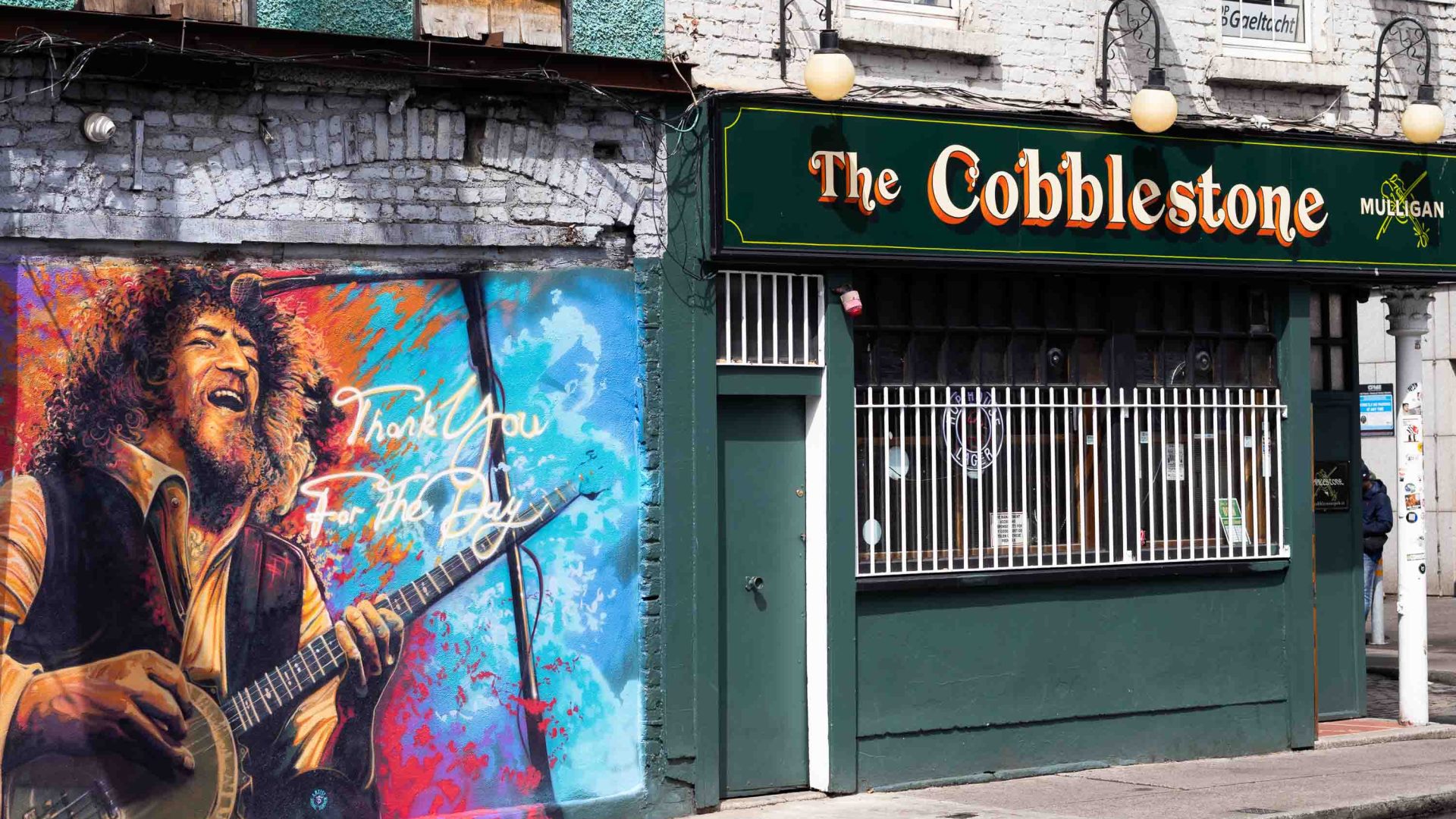
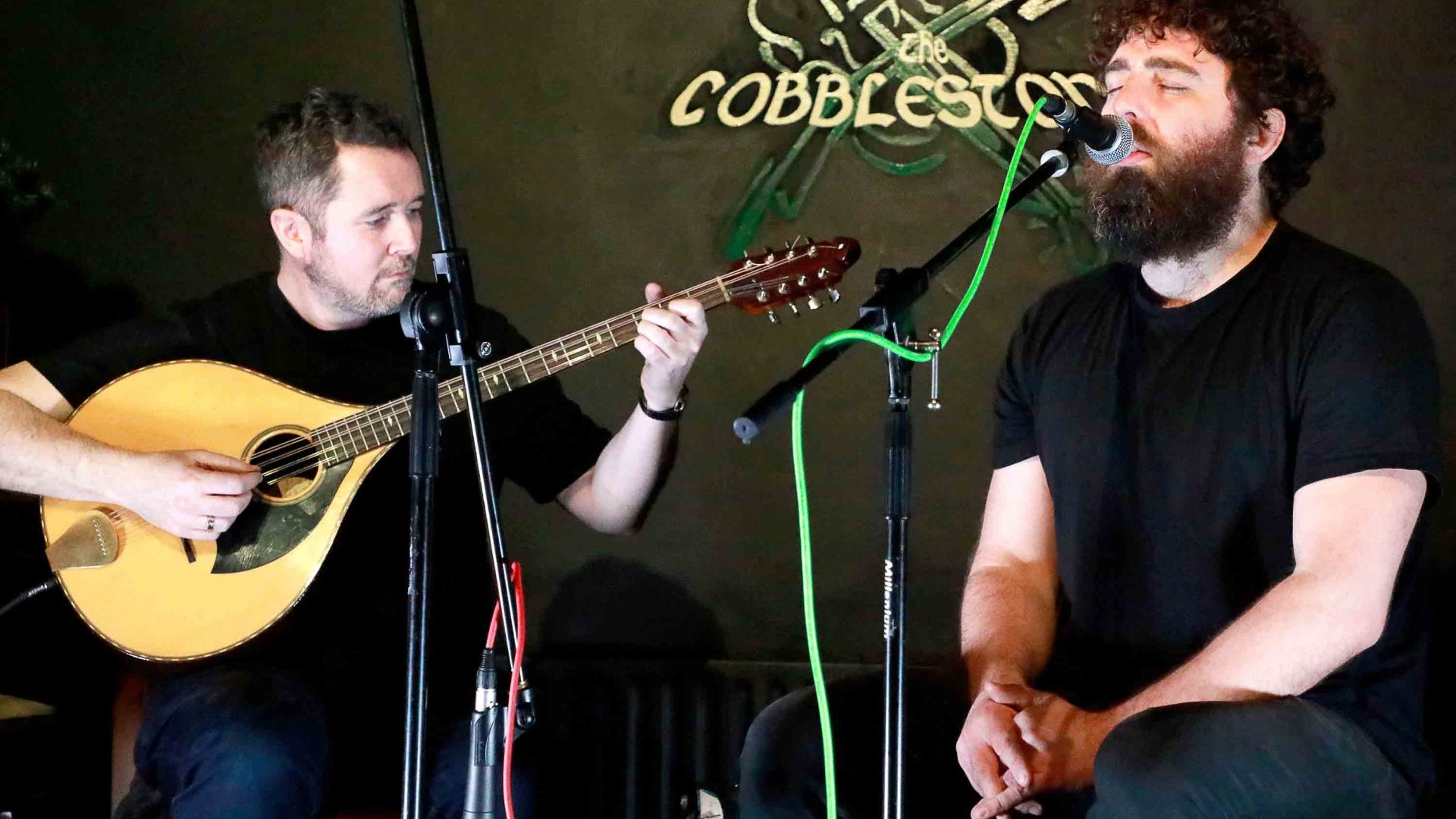
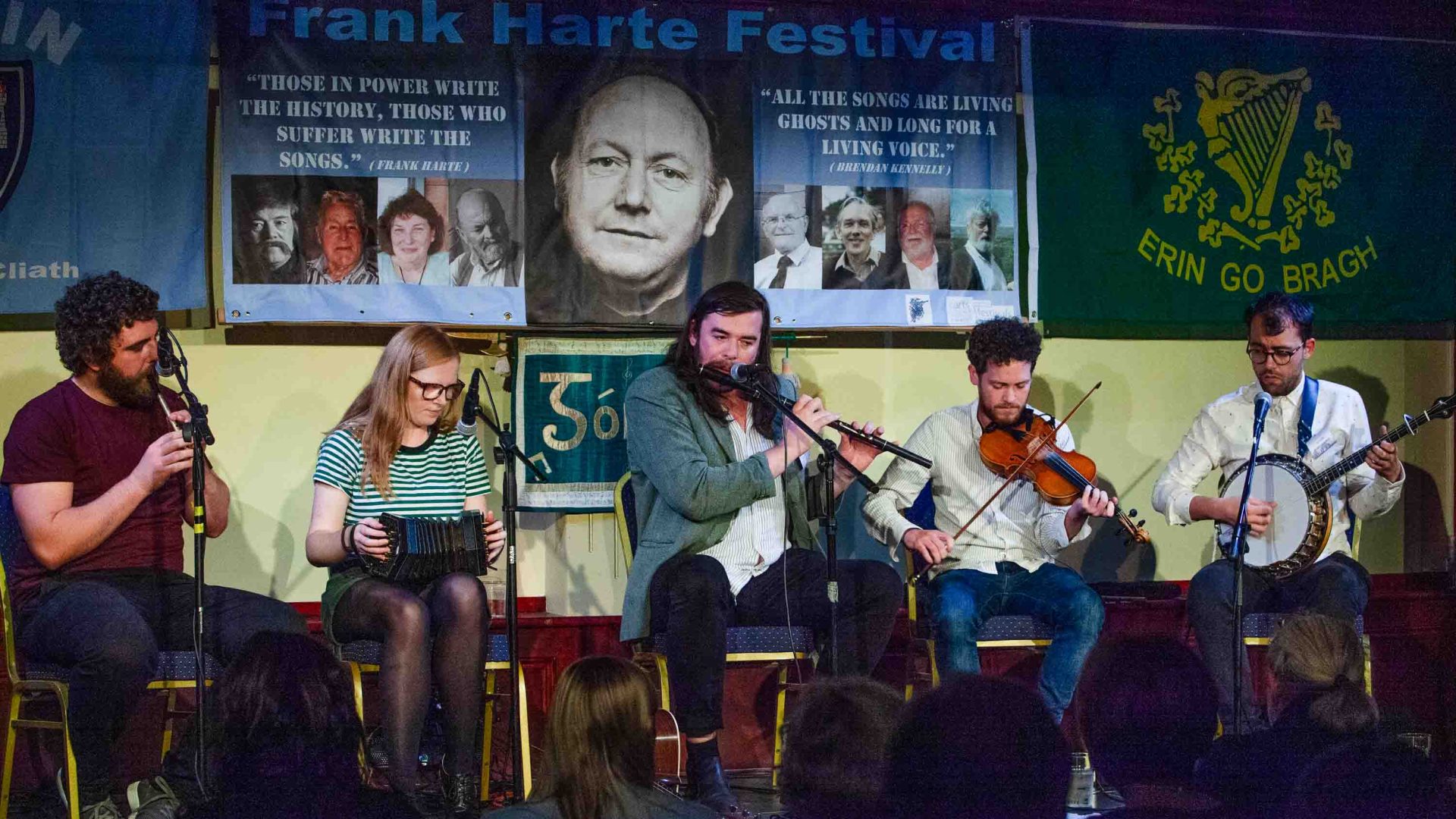
One potent symbol of this struggle, and indeed of successful community resistance, is The Cobblestone. Nestled in the historic Smithfield district, this iconic pub has been a bastion of traditional Irish music since the late 1980s, when Tom Mulligan took over to uphold his father’s legacy. Billed affectionately as a "drinking pub with a music problem," The Cobblestone eschews modern distractions like televisions and pool tables, instead offering multiple daily "trad" sessions that draw musicians and patrons from across the globe. Its back room serves as a vital community hub, hosting Irish language lessons, dance classes, and music meet-ups, making it far more than just a pub; it is a living repository of Irish heritage.
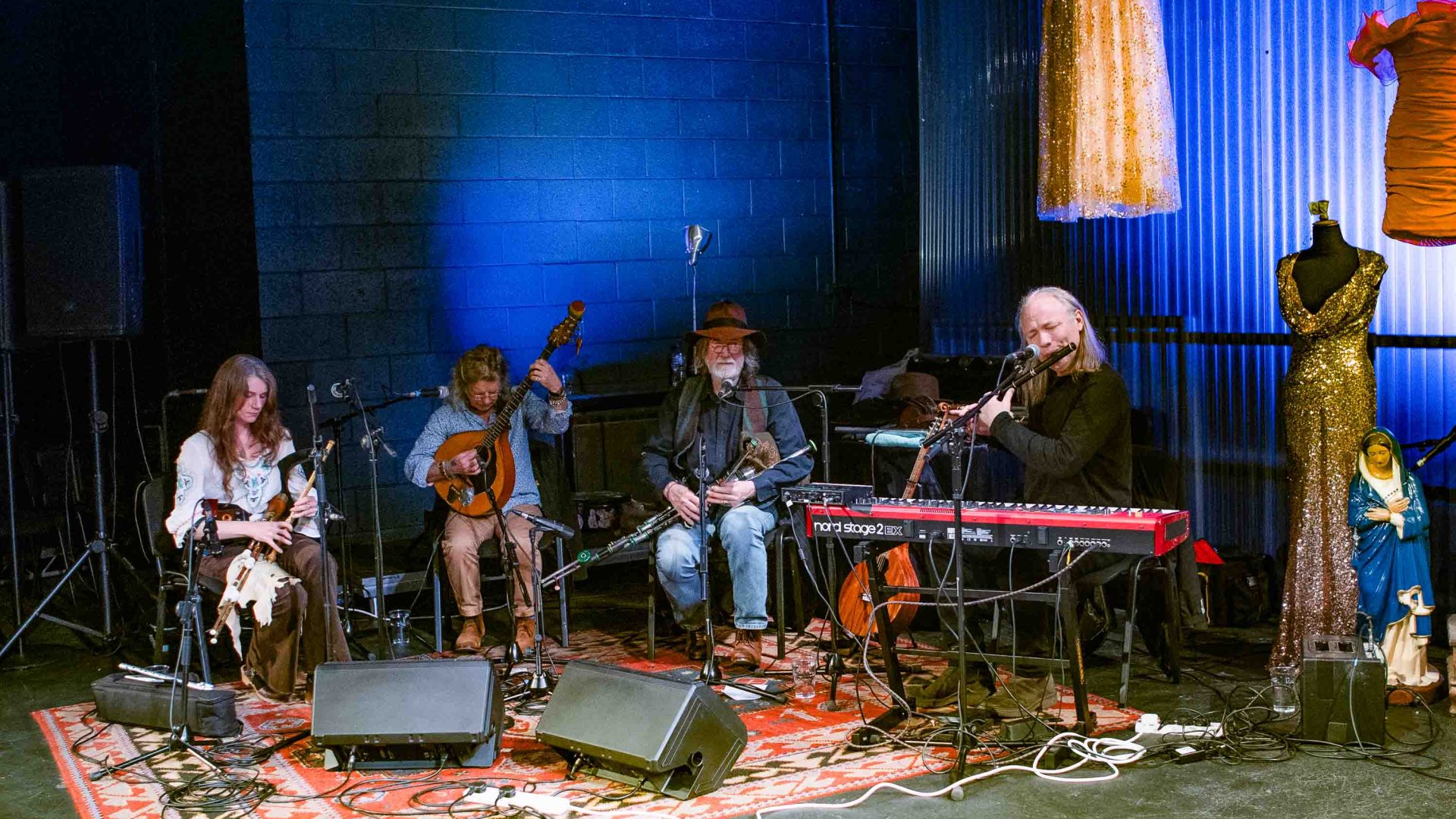
The pub’s future hung in the balance in October 2021 when a development proposal sought to demolish the majority of the building to make way for a nine-story hotel. The community’s response was swift and overwhelming. A petition garnered over 35,000 signatures, and hundreds marched along the River Liffey, united in their determination to save the cherished venue. Their efforts bore fruit when Dublin City Council, acknowledging the profound cultural significance of The Cobblestone, rejected the plan on the grounds that it would be detrimental to Irish culture. This victory underscored the power of collective action, demonstrating that local communities can, indeed, push back against the tide of commercial development.
However, The Cobblestone’s triumph remains an exception rather than the rule. Many other vital cultural spaces in Dublin have not been so fortunate, succumbing to the relentless pressures of rising rents, aggressive redevelopment, and a perceived lack of robust cultural infrastructure. This ongoing threat highlights a systemic issue where the economic value of property often overshadows the intrinsic cultural and social value of these spaces.
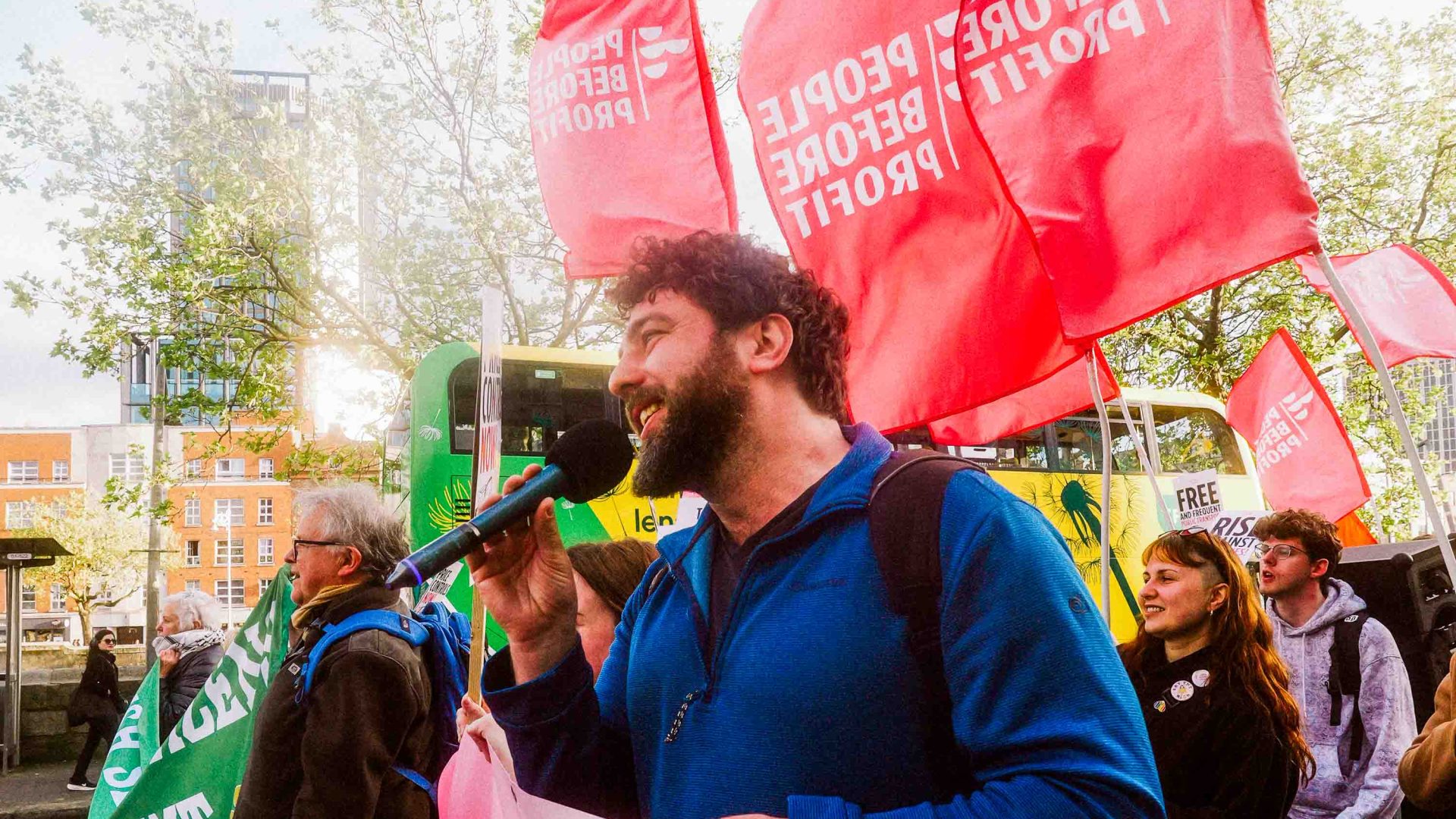
Eoghan Ó Ceannabháin has emerged as a prominent voice in this critical fight. A talented musician and a candidate for the eco-socialist People Before Profit party in a recent local election (which was ultimately won by the Social Democrats), Ó Ceannabháin’s activism is rooted in a belief that human beings are inherently creative and that society, particularly under the prevailing capitalist model, often stifles this potential. He began his journey into politics around 2015, driven by a desire to foster a society where not only basic needs are met, but where individuals are empowered to lead richer, more expressive lives.
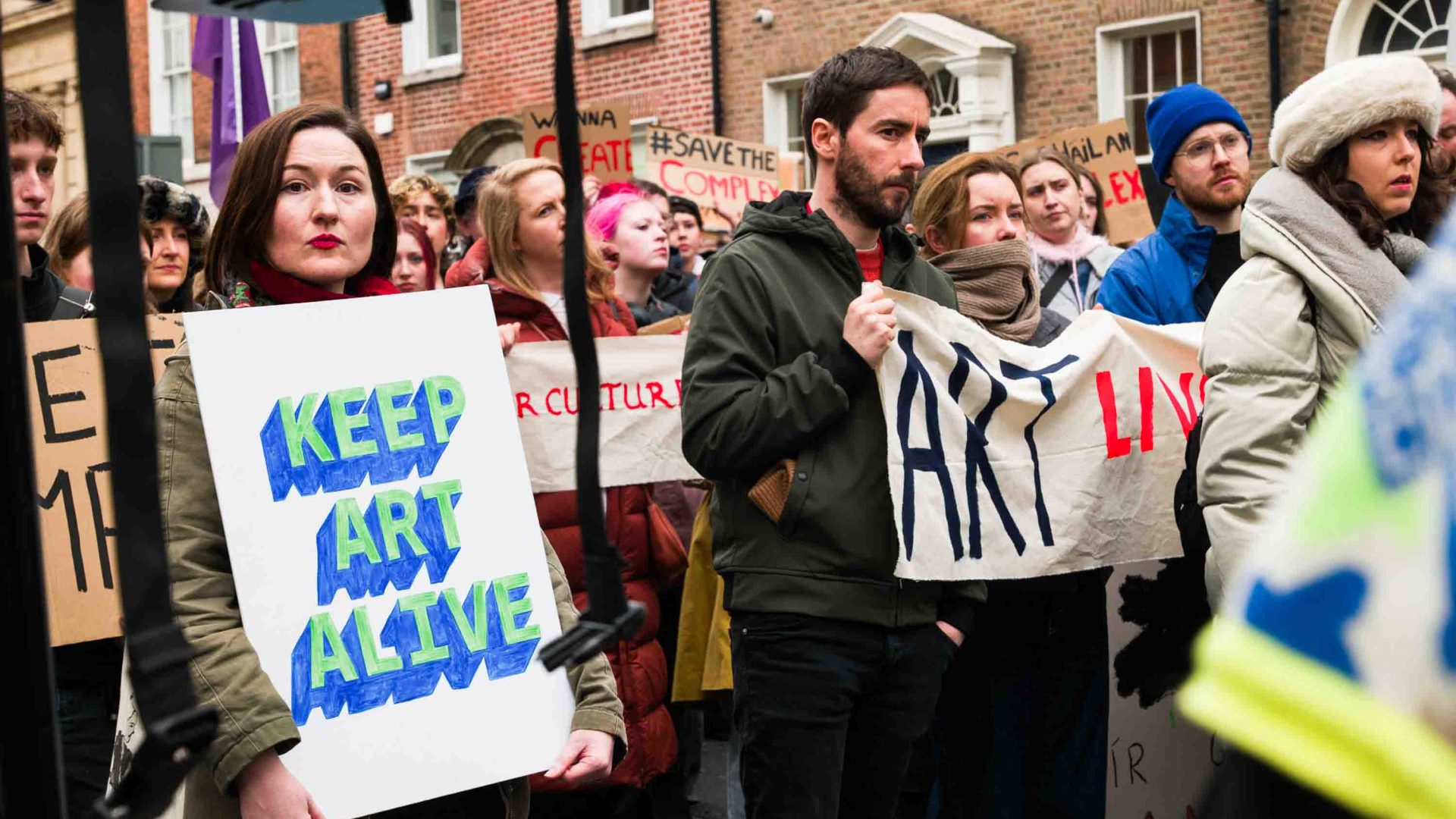
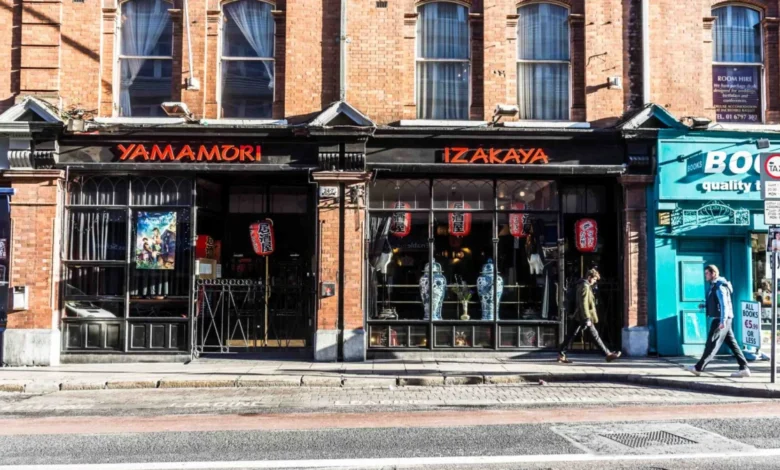
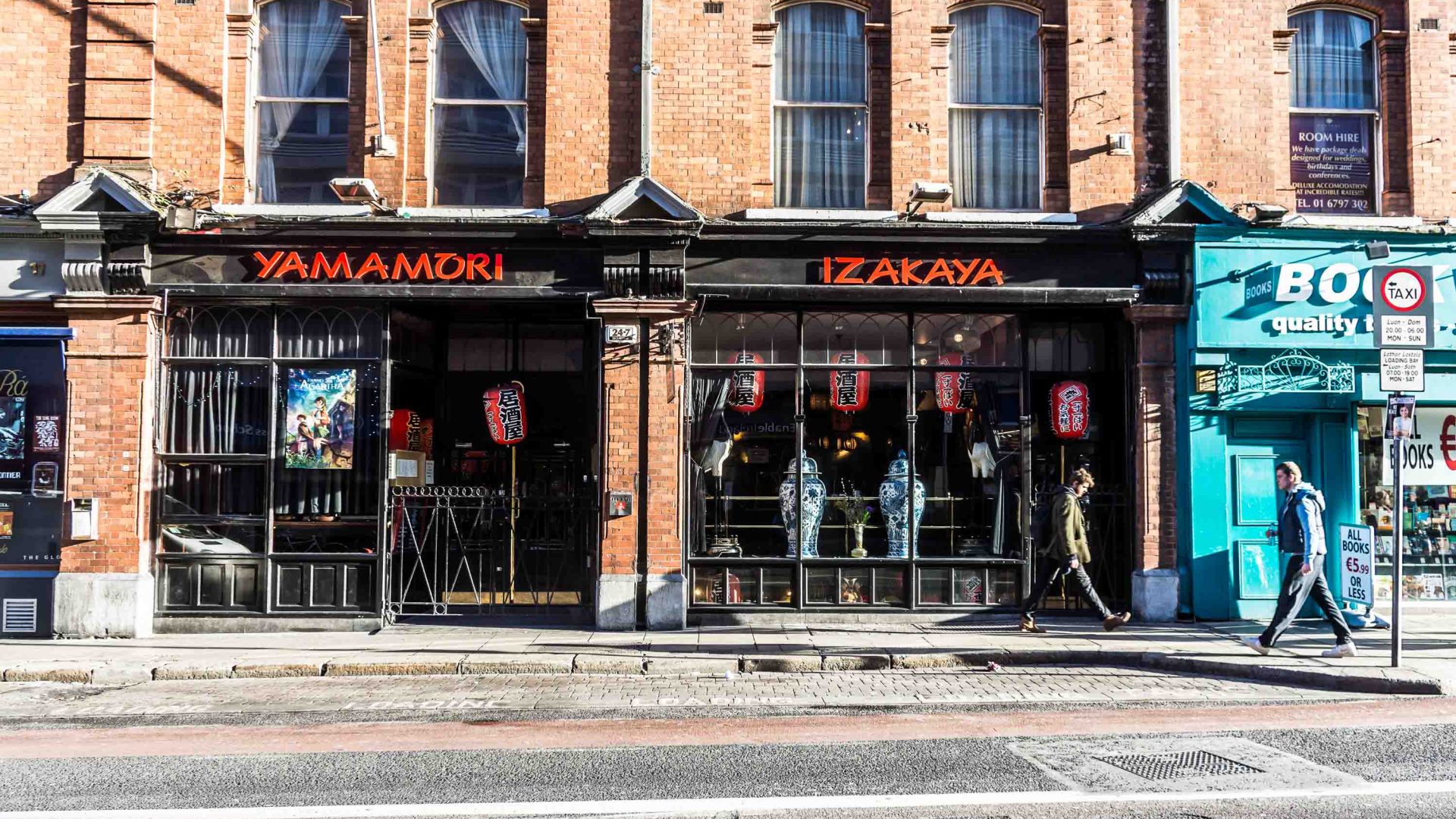
His passion is palpable, whether he is addressing a crowd or performing. During a protest at Dame Court one February evening, Ó Ceannabháin rallied a crowd of protesters, their winter coats glistening with drizzle. The demonstration, organized by Dublin’s grassroots DJ community, targeted The Hoxton hotel, whose noise complaint had led to a High Court injunction against Yamamori Izakaya, an independent restaurant and nightclub in Dublin’s lively Creative Quarter. "We need a city we can live in! We need a city we can sing in! We need a city we can dance in!" he proclaimed, his words igniting cheers from the crowd. He articulated the core issue: "So many of us are paying exorbitant rents and are stuck at home while [the government] are prioritizing the profits of corporate landlords and big vulture funds. The same model for developing the city is impacting on our cultural space and the things we need to breathe."
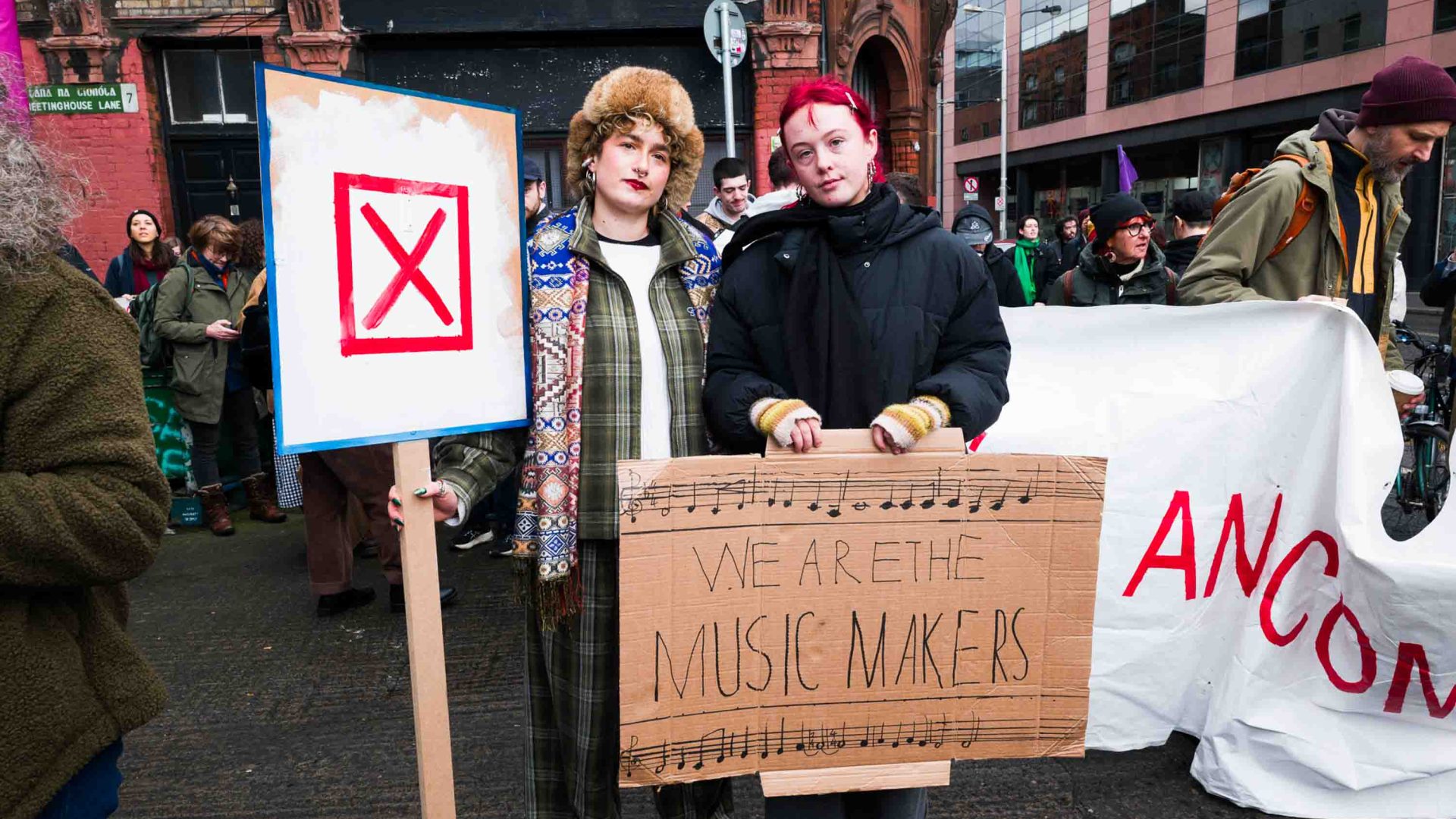
Months later, at a campaign céilí—a traditional Irish gathering of music, dancing, and singing—at The Cobblestone, Ó Ceannabháin demonstrated another facet of his advocacy. With his eyes closed, concertina resting in his palms, he sang "Where Oh Where Is Our James Connolly?", a rebel ballad honoring the Dublin trade union leader who championed a fairer city for its ordinary inhabitants. This seamless blend of artistic expression and political message underscores his holistic approach to cultural preservation.
Dublin’s illustrious history as a birthplace for literary giants like James Joyce and Oscar Wilde, and musical legends such as The Dubliners and Sinéad O’Connor, is a testament to its profound creative spirit. The creative industries continue to be a significant economic driver for Ireland, accounting for 8.9 percent of national employment—the second highest in the European Union. However, this vibrant sector relies heavily on a robust ecosystem of grassroots venues and studios where artists can develop their craft, rehearse, and perform before reaching larger stages. The vulnerability of these spaces, often operating on "meanwhile" leases, poses a critical threat to this cultural pipeline.
The implications of losing these venues extend far beyond the artistic community. As founder Vanessa Fielding of The Complex articulated, the frustration is profound: "I suppose in the end, it will become a place of no destination." The continuous disappearance of such spaces risks hollowing out the very culture that attracts visitors and provides a sense of community for locals. Without these foundational venues, the talent pool feeding larger institutions will diminish, and the unique character that defines Dublin will erode.
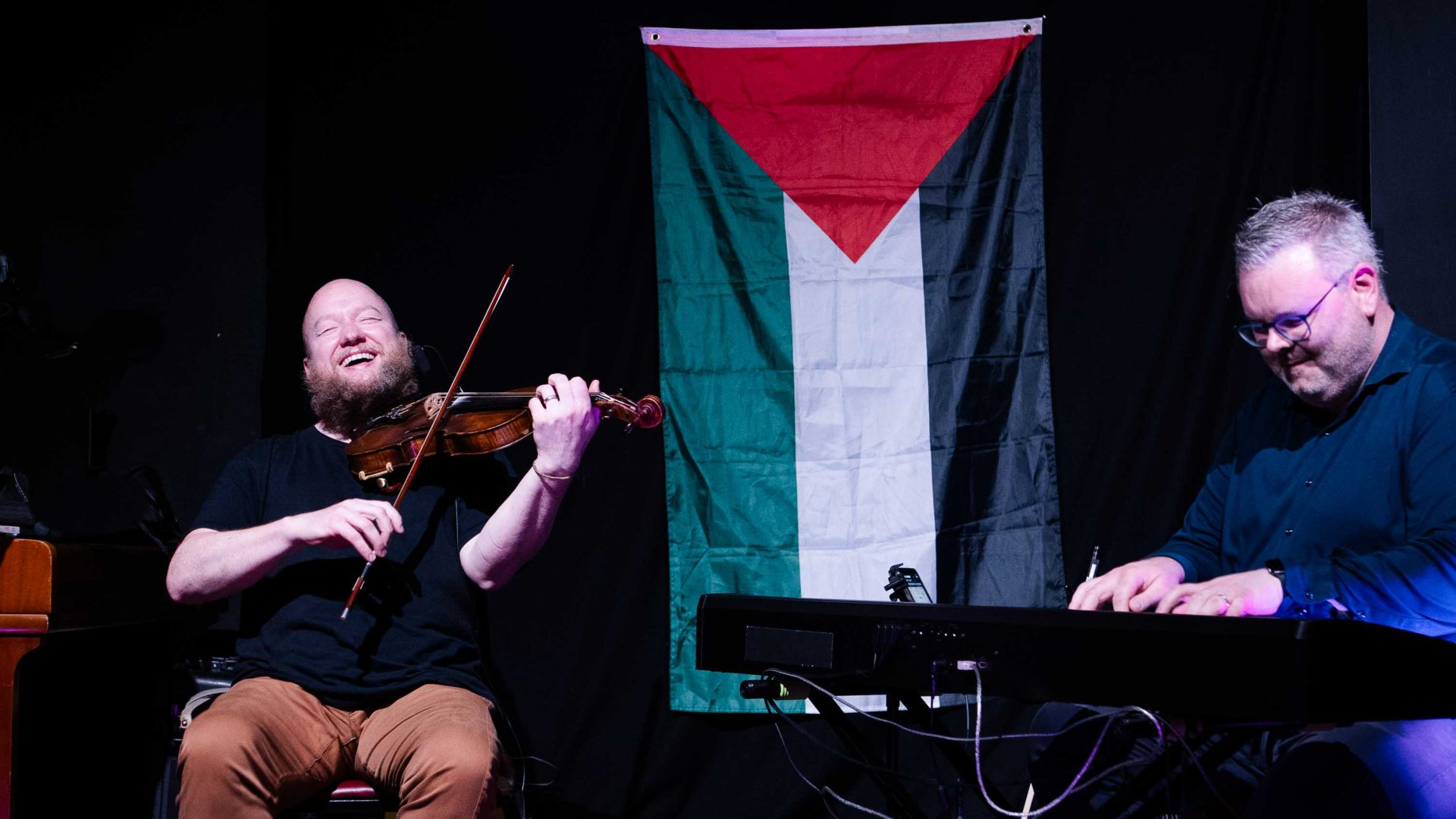
BAFTA-winning Irish actor Paul Mescal has also voiced his dismay, recalling his drama school days and the anger he felt over institutions being demolished. In an interview with lovedublin, he stated, "We have such brilliant artists in this country, and I don’t feel like we can cultivate the kind of talent that’s here that’s beneficial to the industry." Ó Ceannabháin echoes this sentiment, observing that politicians often "love jumping into photos at events with artists," but if art isn’t directly producing profit, it’s not "deemed valuable and they’re just not going to fund it."
Despite the challenges, there have been glimmers of progress and significant grassroots victories. Ó Ceannabháin emphasizes the power of ordinary people in this fight, encouraging both tourists to support local culture with their money and locals to build networks and communities to advocate for change. He points to Ireland’s Basic Income for the Arts (BIA) as tangible proof that sustained pressure can force governmental action. Launched as a pilot in 2022 and made permanent in 2026, the BIA provides €325 (approximately USD$370) per week to 2,000 eligible artists, making it the world’s first scheme of its kind. While Ó Ceannabháin views it as a crucial victory, he believes its reach should be expanded to all eligible artists.
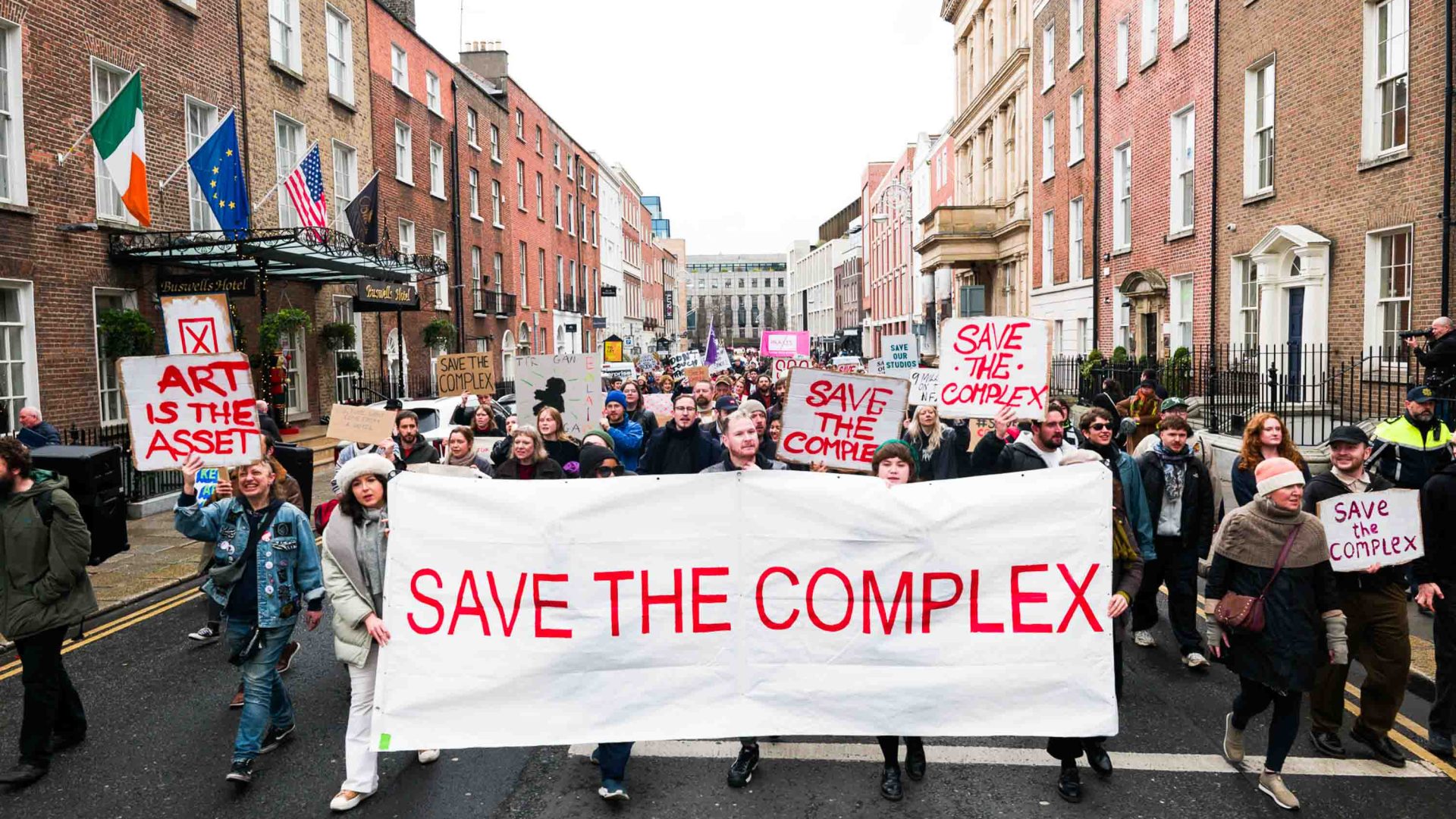
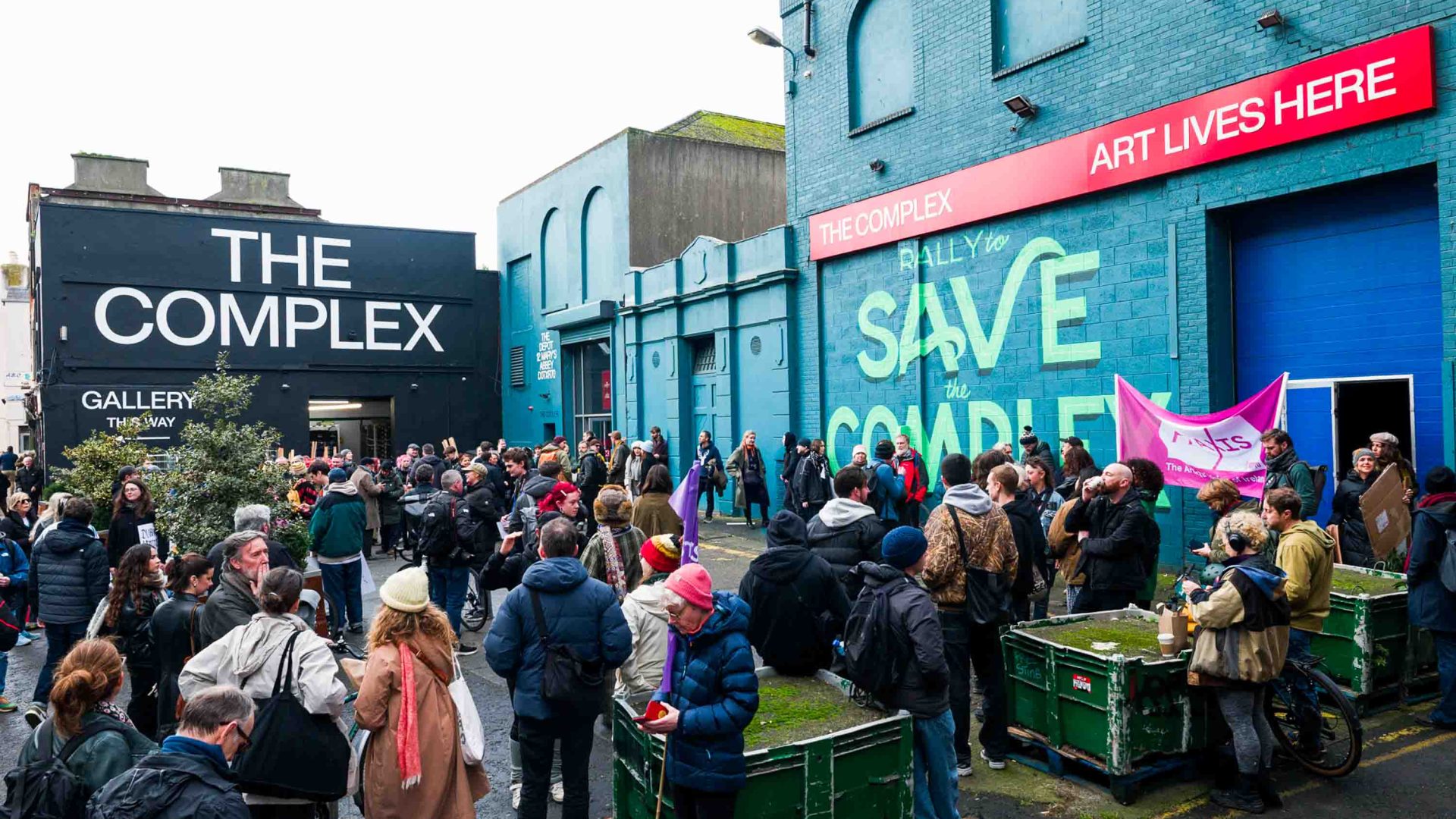
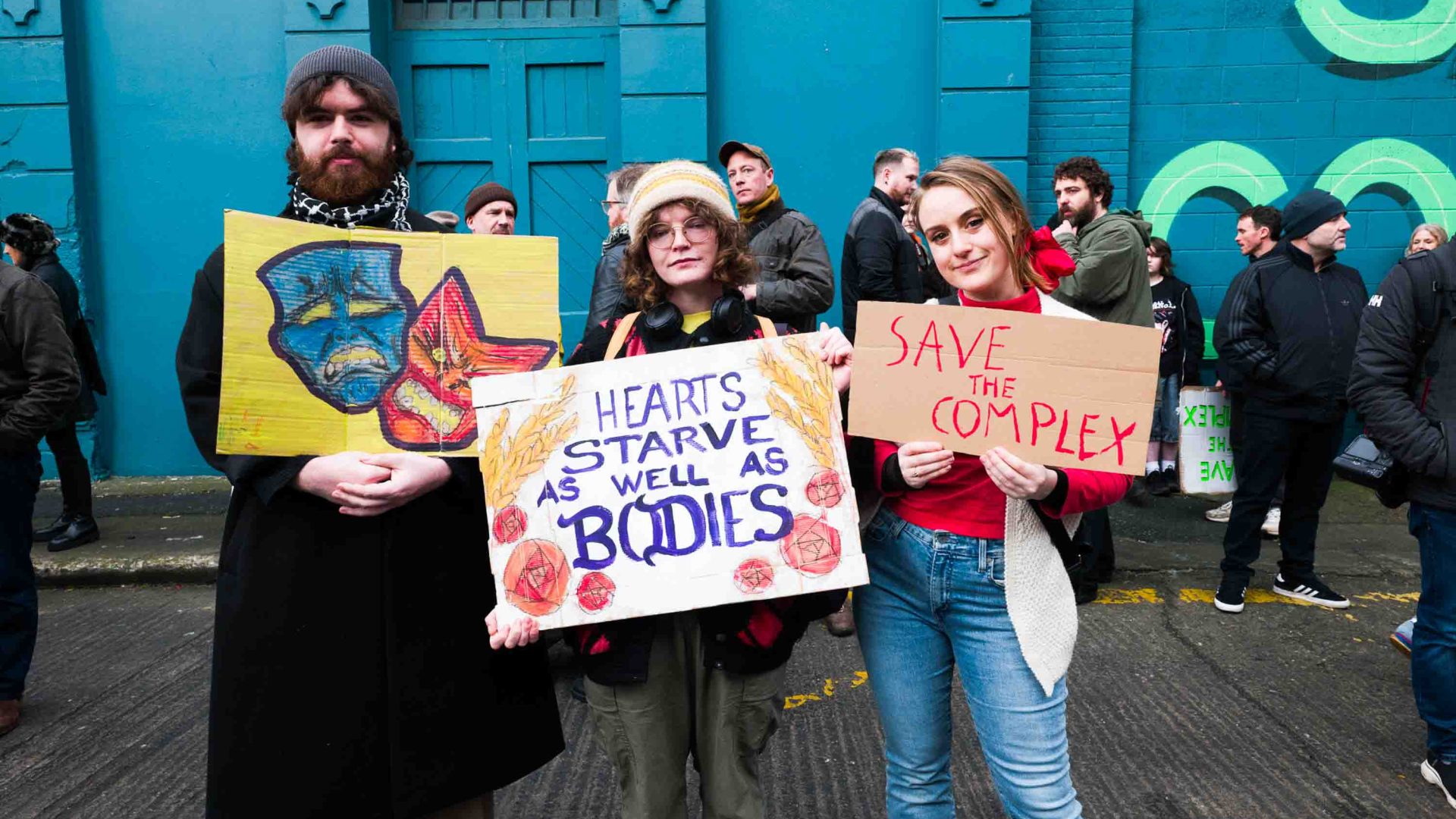
Dublin City Council has also initiated efforts to restore some buildings for artist studios, and new developments are now required to allocate five percent of their space for cultural use. However, the recent closure of The Complex starkly illustrates how much further there is to go. The Complex, a multidisciplinary arts center in Dublin’s north inner city, housed 18 studios, a performance space, a gallery, and a 50-seat jazz club, repurposed from a former banana-ripening unit. It was lauded as a rare space where a project could be conceived, rehearsed, and performed under one roof. Despite Dublin City Council backing a plan for The Complex to be integrated into a redevelopment, and over 16,500 people signing a petition, the venue ultimately closed in January 2026 when its landlord decided to sell. The State lacked a mechanism to acquire the building for cultural use, as it did not qualify as national heritage.
The Government of Ireland’s Department of Culture, Communications and Sport asserts that "support for artists is at record levels" and anticipates the announcement of a new "capital support scheme which will support wider participation in the arts" in the coming weeks. However, a report from the Arts Council of Ireland (An Chomhairle Ealaíon) provides a more nuanced view, stating that "despite significant recent increases, it is not in line with EU averages or able to keep pace with rising costs." This suggests a continuing gap between current funding levels and the actual needs of the creative sector.
Back at The Cobblestone, the céilí continues in full swing, a testament to the enduring spirit of community and culture. Even as the pub’s owner, Tom Mulligan, acknowledges the venue’s continued vulnerability due to renting from a private landlord, he maintains an optimistic outlook. "I don’t know where it’s going to end up," he admits, "but one thing that has always kept me going is optimism." This sentiment is profoundly shared by Ó Ceannabháin, who, when asked if he would ever give up, responds without hesitation: "I don’t think there’s any option to give up. The fact that people all over the world are making art and music and beautiful things under these difficult circumstances is a demonstration of what it is to be human. We have to fight for that, and fight for more space for it."
The battle for Dublin’s cultural spaces is more than a localized issue; it is a microcosm of a global challenge where rapid urbanization and commercial interests often clash with the preservation of cultural heritage and community identity. The resilience of Dublin’s artists and activists, their unwavering commitment to safeguarding the city’s creative soul, serves as an inspiring example of how grassroots movements can stand firm against formidable odds, ensuring that Dublin remains a vibrant destination for art, music, and human expression.