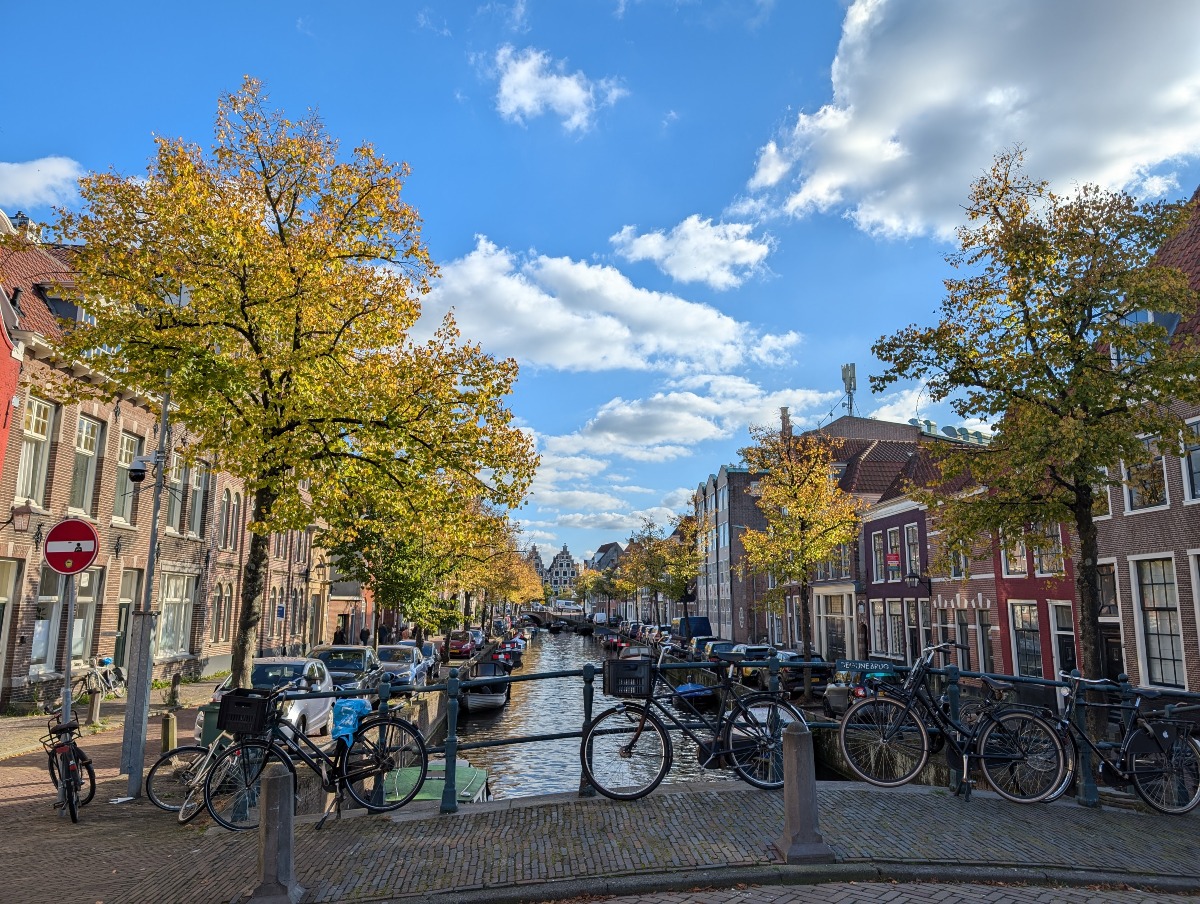
The Netherlands has long held a reputation as a global leader in urban planning, sustainability, and cycling infrastructure, boasting an estimated 23,000 miles of dedicated bike paths. For families seeking an active, immersive, and culturally rich vacation, this dense network of separated cycling lanes, complete with specialized traffic signals, offers a uniquely safe and accessible way to experience the country. Rather than viewing transit as a logistical hurdle, cycling through the Dutch landscape turns the journey itself into the destination, punctuated by scenic canals, world-class museums, historic windmills, and endless stops for local delicacies such as stroopwafels, artisanal cheeses, and poffertjes.
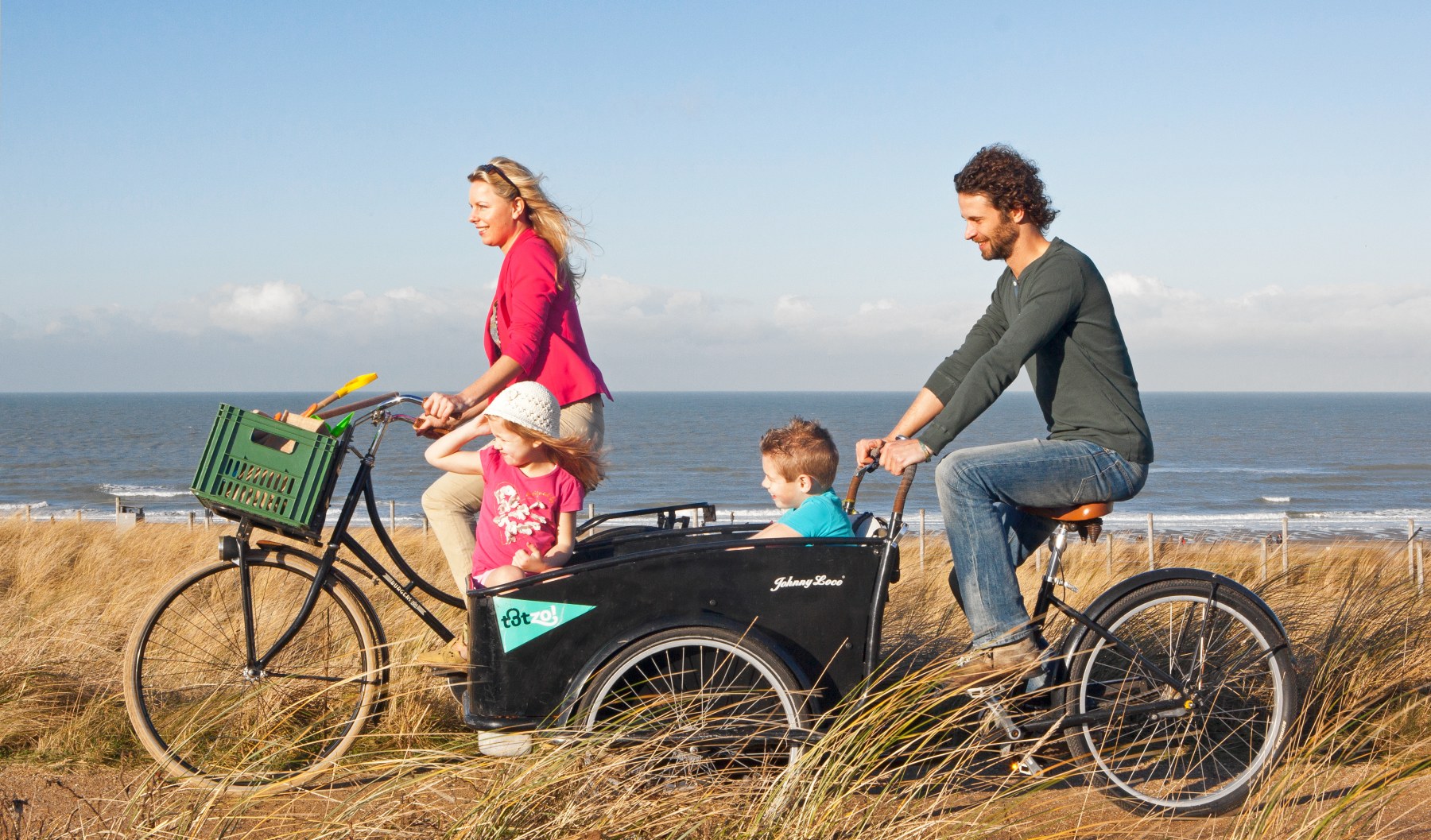
Historically, Dutch cycling culture evolved out of a concerted political and social movement in the 1970s. Confronted by rising traffic fatalities—particularly among children—and widespread urban congestion, citizens and advocacy groups successfully pushed the government to prioritize non-motorized transport. Decades of sustained infrastructure investment have since transformed the nation into a blueprint for active mobility. Today, visitors can easily replicate the local lifestyle by renting standard city bikes or traditional cargo bikes, known as bakfiets, which allow parents to comfortably transport young children and gear through both bustling urban centers and tranquil coastal dunes.
Strategic Itinerary Planning: The Hague Versus Amsterdam
While the capital city of Amsterdam remains the primary entry point for international travelers, many families are discovering the tactical advantages of establishing a home base in alternative hubs like The Hague (Den Haag). Located just a short train ride from Amsterdam Schiphol Airport, The Hague provides a slightly calmer urban environment while remaining exceptionally well-connected to major cycling routes.
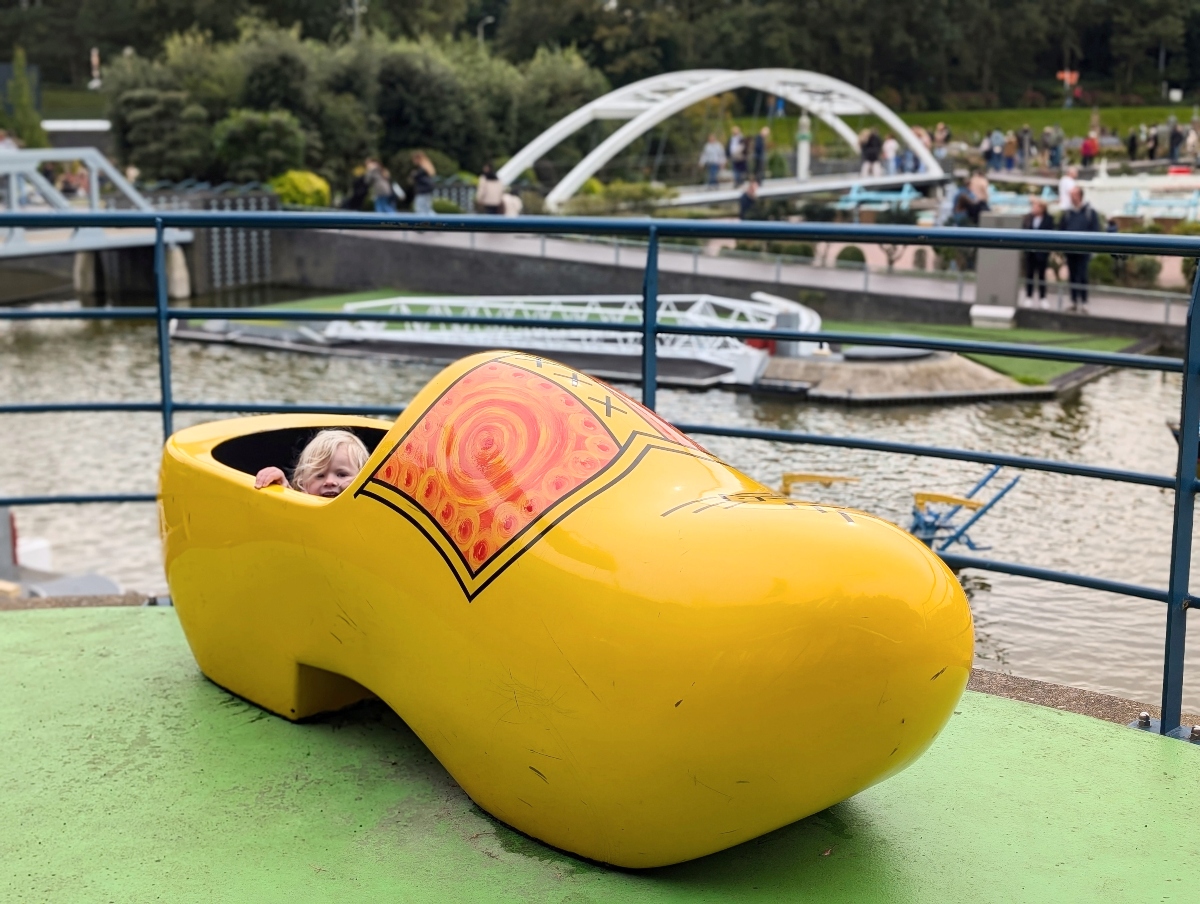
For travelers making The Hague their operational hub, the city acts as an ideal launchpad for excursions to nearby cultural landmarks, coastal beaches, and neighboring historic towns. Upon arrival, families can seamlessly shake off jet lag with a short ten-minute bike ride to Madurodam, an interactive miniature park that introduces children to the country’s architectural and infrastructural highlights on a 1:25 scale. Young visitors can actively operate miniature canal boats, control dynamic dike systems, and observe scale-model locomotives navigating elaborate landscapes.
Cultural Immersion and Culinary Discoveries
Balancing adult-oriented cultural pursuits with child-friendly activities is a core consideration for multi-generational travel planning. The Hague accommodates this balance effortlessly. Art enthusiasts can visit the Mauritshuis museum to inspect masterpieces by Dutch Golden Age painters, including Johannes Vermeer’s iconic Girl with a Pearl Earring, an experience best suited for older, art-appreciating children. Simultaneously, younger travelers can engage with the mind-bending optical illusions and impossible geometries at Escher in Het Paleis, dedicated to the graphic artist M.C. Escher.
Culinary exploration forms an integral component of any Dutch itinerary. Following museum visits, families frequently gravitate toward local parks, such as the Haagse Bos, to sample traditional Dutch treats. Among the most popular are poffertjes—small, fluffy yeast pancakes traditionally served warm with a dusting of powdered sugar and a pat of butter.
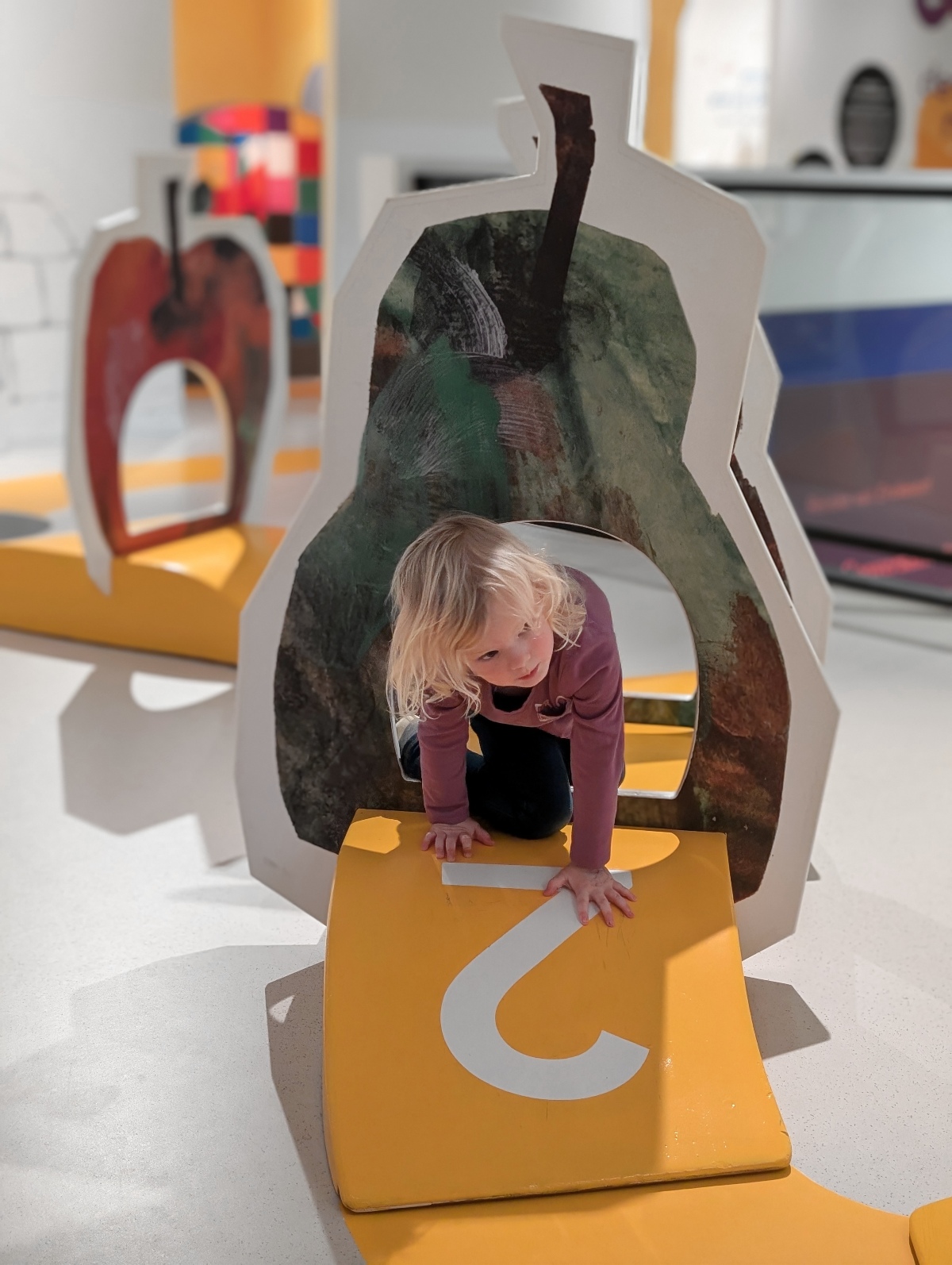
Further enriching the family travel sector, the Children’s Book Museum (Kinderboekenmuseum), situated within the Royal Library complex, has emerged as a premier educational attraction. The institution employs interactive, narrative-driven exhibit spaces that allow children to physically step into the pages of beloved literature, crawling through oversized fruit inspired by Eric Carle’s The Very Hungry Caterpillar or exploring immersive literary worlds alongside characters like Miffy and Little Polar Bear.
Accommodations Tailored for Family Travelers
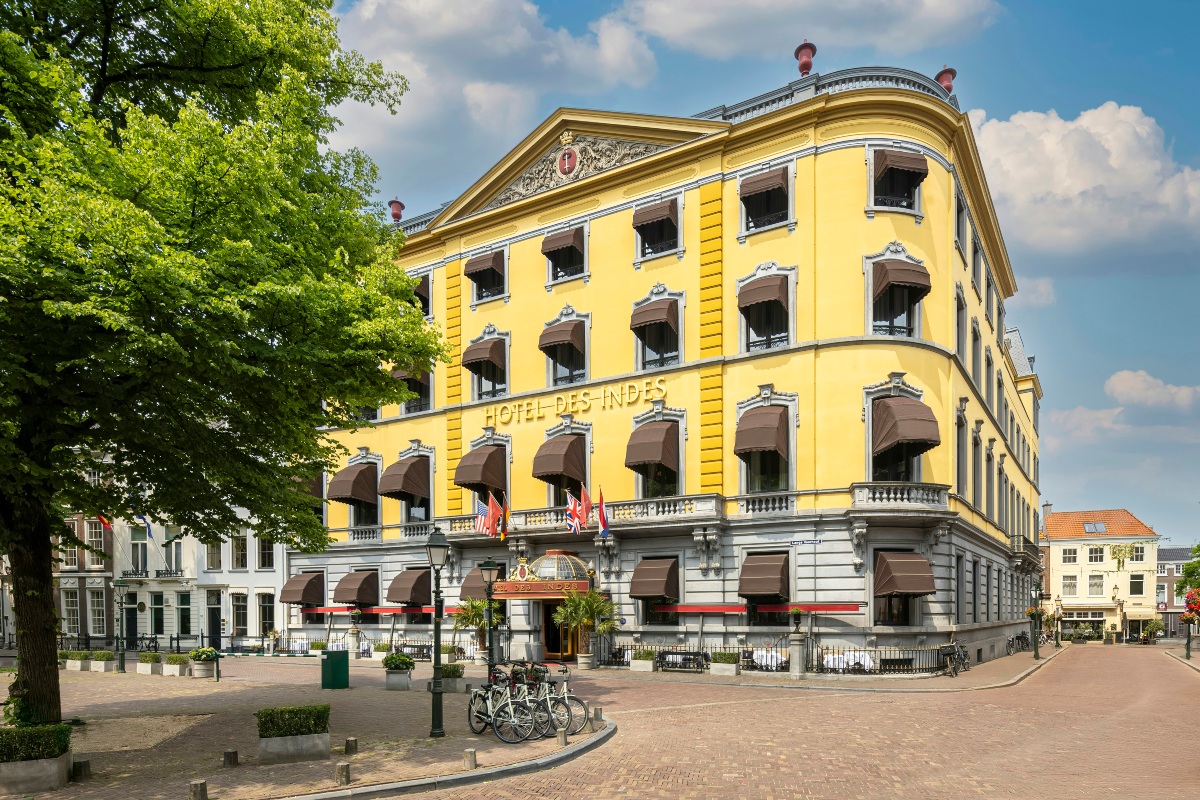
Selecting appropriate lodging is critical for maintaining comfort during an active, multi-stop vacation. In The Hague, the historic Hotel des Indes—originally constructed in 1858 as a aristocratic residence—offers luxury accommodations in the heart of the city. Featuring preserved architectural details, such as gilded doorknobs monogrammed with the original owner’s initials, the hotel provides connecting room configurations tailored to families, alongside specialized amenities including afternoon tea and the Anna Pavlova Champagne Lounge.
For travelers prioritizing Amsterdam as their primary destination, grand historic properties like De L’Europe Amsterdam offer similarly high standards of service. Located directly on the Amstel River, the hotel features specialized family programming and direct on-site bicycle rentals, simplifying the transition from luxury quarters to urban exploration.
Coastal Excursions: Scheveningen and Delft
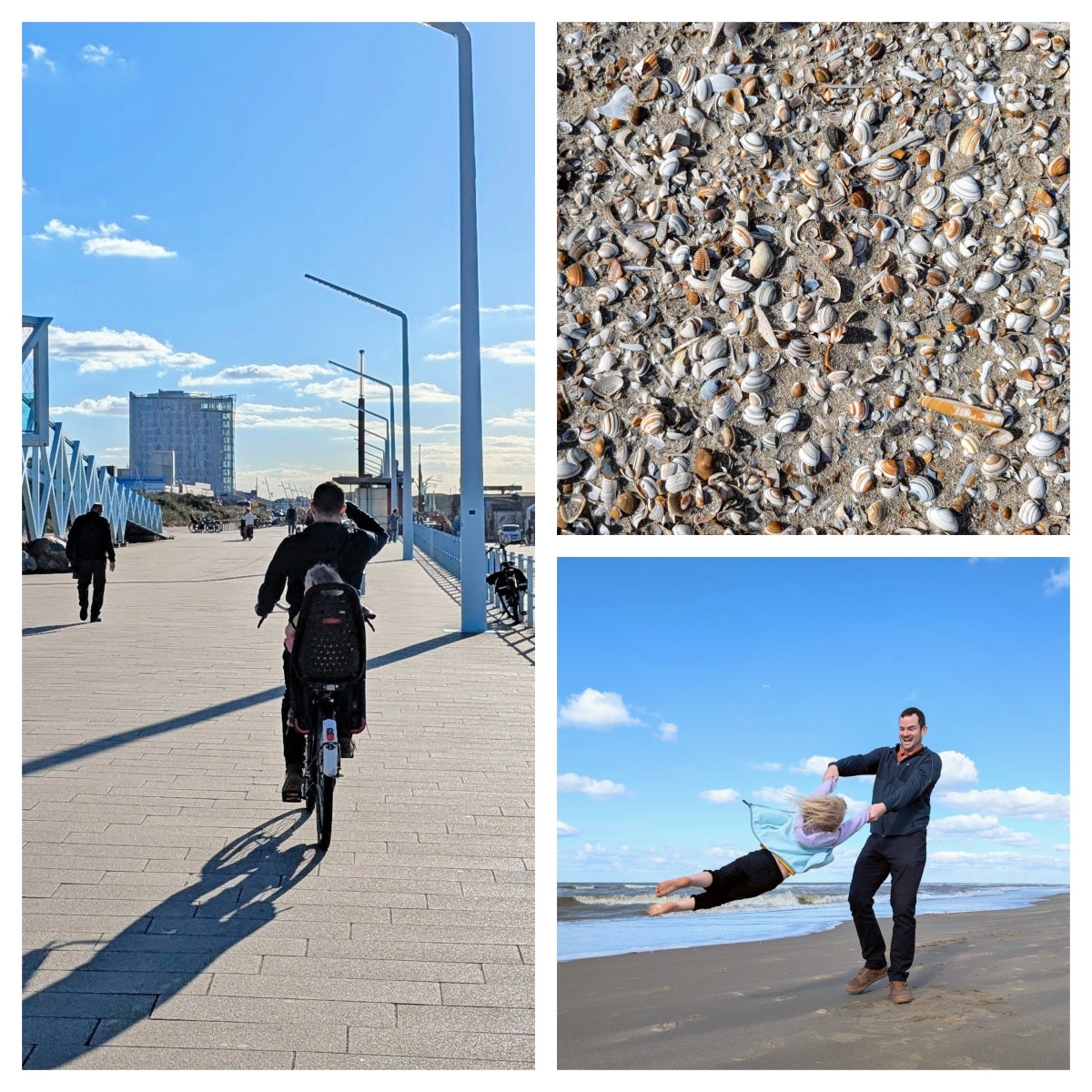
Beyond the urban core of The Hague, well-maintained cycling infrastructure facilitates effortless day trips to the North Sea coast and neighboring historic municipalities. A direct 25-minute pedal westward brings families to Scheveningen, a prominent seaside resort town characterized by wide sandy beaches, extensive shell-collecting grounds, and a historic pier featuring seasonal ziplining, bungee jumping, and a year-round enclosed observation wheel.
Similarly, a 35-minute southward ride along flat, protected paths leads to Delft, a city internationally renowned for its blue-and-white pottery (Delftware). Visitors arriving in Delft can park their bicycles at Molen de Roos, a fully operational 17th-century windmill that permits public access to its interior gears and stone-grinding floors. The adjacent townscape offers classic Dutch streetscapes, characterized by gabled rooflines, historic canals, and traditional artisanal workshops such as Royal Delft, where master painters continue centuries-old ceramic traditions.
Economic and Tourism Implications
The steady growth of cycling tourism in the Netherlands reflects broader European trends toward sustainable, low-impact travel. According to national tourism boards, active tourism sectors contribute significantly to regional economies, distributing visitor spending beyond primary metropolitan areas like Amsterdam into smaller municipalities such as Delft and coastal regions along The Hague. By encouraging visitors to utilize public transit and rental bicycles, regional authorities successfully mitigate urban traffic congestion while supporting small-scale hospitality and culinary businesses.
Travel Industry Recommendations and Expert Advisory Services
Given the logistical complexities of coordinating international travel with young children, industry analysts recommend early planning and consultation with specialized travel advisors. Organizations such as Ciao Bambino provide curated multi-sport and family biking itineraries designed to match specific age groups with appropriate daily mileage limits, verified family-friendly accommodations, and private local guides.
As international interest in sustainable tourism continues to accelerate, destinations like the Netherlands demonstrate that infrastructure designed for local daily commuting can double as a world-class recreational asset. By integrating safety, culture, and recreation into a cohesive transit network, the Dutch cycling model offers a compelling framework for the future of family-oriented global travel.