Cape Cod remains one of the premier maritime destinations in the United States, offering a complex tapestry of historical significance, ecological diversity, and high-intensity seasonal tourism. As a 65-mile peninsula extending into the Atlantic Ocean, the region serves as a vital economic engine for the Commonwealth of Massachusetts. While many visitors commit to week-long stays, the rise of "micro-vacations" and day-trip excursions has reshaped the local hospitality landscape. This shift necessitates a strategic approach to navigation, particularly concerning the region’s limited points of entry and the infrastructure challenges posed by peak-season congestion. Understanding the logistical nuances and the specific offerings of the Cape’s various sub-regions—the Upper, Mid, Lower, and Outer Cape—is essential for families seeking to maximize the utility of a single-day visit.
Regional Infrastructure and Seasonal Traffic Patterns
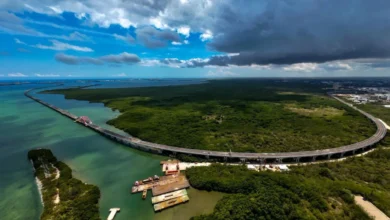
The accessibility of Cape Cod is fundamentally dictated by two steel-arch bridges: the Sagamore and the Bourne. Managed by the U.S. Army Corps of Engineers, these structures were completed in 1935 and now represent a significant bottleneck for regional travel. During the peak summer season, which traditionally runs from Memorial Day in late May through Labor Day in early September, traffic volume increases exponentially. Data from the Massachusetts Department of Transportation (MassDOT) indicates that vehicle counts often exceed the designed capacity of the bridges on Fridays and Sundays, as weekend travelers converge with local commuters.
For families planning day trips, travel experts and regional authorities recommend mid-week excursions—Tuesday through Thursday—to avoid the multi-mile backups that characterize weekend transitions. The Sagamore Bridge, which connects Route 3 to Route 6, serves as the primary artery for travelers originating from the Boston metropolitan area, while the Bourne Bridge facilitates traffic from Providence and points south. Recent federal initiatives have secured over $1.72 billion in grant funding for the eventual replacement of these aging structures, a project cited by local officials as critical for the long-term viability of the Cape’s $1.3 billion tourism industry.
The Upper Cape: Sandwich, Falmouth, and Woods Hole
Located closest to the mainland, the Upper Cape offers the most logistically feasible options for day-trippers. Sandwich, incorporated in 1639, holds the distinction of being the oldest town on the Cape. Its historical footprint is anchored by the Heritage Museums & Gardens, which spans 100 acres of landscaped grounds and features a significant collection of American automobiles and folk art. The Sandwich Glass Museum provides a deep dive into the town’s industrial past, specifically its 19th-century reputation as a global leader in glass production.
Further south, the village of Woods Hole in Falmouth serves as a global hub for marine science. Home to the Woods Hole Oceanographic Institution (WHOI) and the Marine Biological Laboratory, the area offers an intellectual depth rarely found in beach destinations. Families often utilize Woods Hole as a transit point for the Steamship Authority ferries, which provide the only year-round freight and passenger service to Martha’s Vineyard and Nantucket. For those remaining on the mainland, the Shining Sea Bikeway offers a 10.7-mile paved path following a former rail corridor, providing scenic vistas of Vineyard Sound and the Great Sippewissett Marsh.

The Outer Cape and the Provincetown Fast Ferry
At the northernmost tip of the peninsula lies Provincetown, a town defined by its vibrant arts scene and maritime history. While the drive from the Sagamore Bridge to Provincetown can take upwards of two hours during peak traffic, the introduction of "fast ferry" services from Boston has revolutionized day-trip accessibility. Departing from Long Wharf and the World Trade Center, these high-speed catamarans reduce travel time to approximately 95 minutes, bypassing the bridge traffic entirely.
Provincetown’s significance is rooted in the 1620 landing of the Mayflower, an event commemorated by the 252-foot-tall Pilgrim Monument. Beyond historical tourism, the town serves as a gateway to the Cape Cod National Seashore. Established by President John F. Kennedy in 1961, the National Seashore protects 43,000 acres of ponds, dunes, and beachfront. Provincetown is also a primary hub for whale-watching excursions, with vessels heading to the Stellwagen Bank National Marine Sanctuary, one of the world’s premier sites for observing humpback and finback whales.
Mid-Cape Attractions: Yarmouth and the Maritime Economy
The Mid-Cape region, centered around the town of Yarmouth, is frequently cited by the Cape Cod Chamber of Commerce as the most family-centric corridor. This area features a high density of traditional seaside attractions, including miniature golf courses, water parks, and inflatable parks. However, it also hosts significant cultural assets like the Whydah Pirate Museum. This facility houses artifacts from the Whydah Gally, a galley-turned-pirate ship that sank off the coast of Wellfleet in 1717. It remains the only authenticated pirate shipwreck ever discovered in U.S. waters.

Yarmouth’s location also provides access to the Bass River, a major waterway that offers opportunities for kayaking and paddleboarding. The town’s south-facing beaches on Nantucket Sound generally offer warmer water temperatures and calmer surf compared to the Atlantic-facing beaches of the Outer Cape, making them a preferred choice for families with younger children.
The Lower Cape: Brewster, Chatham, and Conservation
The Lower Cape is characterized by a slower pace and a focus on environmental conservation. Brewster is home to Nickerson State Park, a 1,900-acre preserve that is unique for its "kettle ponds"—freshwater bodies formed by retreating glaciers over 10,000 years ago. These ponds offer a clear, calm alternative to ocean swimming. The park also serves as a major trailhead for the Cape Cod Rail Trail, a 25-mile paved route that passes through six towns.
Chatham, located at the "elbow" of the Cape, remains an active fishing port. The Chatham Fish Pier provides a public observation deck where visitors can watch the commercial fleet unload its daily catch, an activity that frequently attracts large populations of gray and harbor seals. This interaction between the fishing industry and local wildlife has become a significant draw for ecological tourism, though local officials monitor these areas closely to ensure public safety and the protection of marine mammals.
Offshore Excursions: Martha’s Vineyard and Nantucket
While Martha’s Vineyard and Nantucket are often viewed as distinct destinations, they are integral to the Cape Cod tourism ecosystem. For families attempting to visit the islands as a day trip, the Steamship Authority and private carriers like Hy-Line Cruises offer high-speed passenger ferries from Hyannis and Woods Hole.
Martha’s Vineyard, the larger of the two, typically requires the use of a public bus system (VTA) or bicycle rentals to navigate its six towns. Nantucket, being more compact, is more conducive to pedestrian exploration, particularly within its historic downtown district. Both islands maintain strict architectural preservation standards and offer a glimpse into the 18th and 19th-century whaling industry that once dominated the regional economy.
Historical Context: Plymouth as a Regional Gateway
Although located on the mainland, the town of Plymouth functions as a historical gateway for visitors traveling to the Cape. The Plimoth Patuxet Museums offer a "living history" experience, recreating a 17th-century English village and a Patuxet homesite. In 2020, the region marked the 400th anniversary of the Mayflower’s arrival, an event that spurred significant investment in historical assets, including the multi-year restoration of the Mayflower II. For families, Plymouth provides a dense concentration of educational sites that can be visited in a single morning before continuing across the bridges to the Cape.

Economic Impact and Future Outlook
The tourism industry on Cape Cod is currently navigating a period of transition. According to the Cape Cod Commission, the region is seeing a shift toward sustainable tourism and a greater emphasis on the "shoulder seasons" of spring and autumn. This evolution is partly a response to the environmental pressures of peak-season overcrowding and the rising costs of seasonal labor and housing.
The broader impact of family day trips is significant; while day-trippers do not contribute to the local rooms tax, they provide vital revenue for restaurants, retail shops, and municipal parking programs. Local business owners emphasize that the diversification of attractions—from high-end galleries in Provincetown to the rugged trails of Nickerson State Park—is essential for maintaining the Cape’s status as a top-tier destination in an increasingly competitive global travel market.
In conclusion, a successful family day trip to Cape Cod requires a balance of logistical planning and geographic focus. By leveraging off-peak travel times, utilizing ferry alternatives, and selecting destinations that align with specific interests—whether historical, ecological, or recreational—visitors can experience the unique character of the peninsula within the constraints of a single day. As the region moves toward major infrastructure upgrades and continued environmental stewardship, its role as a cornerstone of New England’s cultural and economic identity remains secure.