A Slow Weekend Itinerary for Couples in Milan: Finding Equilibrium in Italy’s Metropolis

Milan is often characterized as a city of perpetual motion, an industrial and financial powerhouse where the pace is dictated by the opening bell of the stock exchange and the rapid-fire transitions of the fashion calendar. For the casual visitor, this intensity can be overwhelming, leading to a "check-list" style of tourism that leaves little room for authentic engagement. However, beneath the frantic surface of the Lombard capital lies a secondary, more deliberate rhythm. By intentionally balancing the city’s historic grandeur with periods of restorative stillness, couples can experience a nuanced version of Milan that remains inaccessible to the hurried traveler. This guide outlines a structured, two-day itinerary designed to harmonize high-energy sightseeing with restorative wellness, centered on the strategic inclusion of the recently revitalized Terme De Montel in the San Siro district.
The Dual-Rhythm Approach to Urban Travel
Travelers frequently mistake density of activities for the quality of an experience. In Milan, this often manifests as a race between the Duomo’s spires and the boutique windows of the Quadrilatero della Moda. From a sociological perspective, the "slow travel" movement suggests that by inserting a "liminal" space—a pause that is neither sightseeing nor resting—the quality of memory retention and emotional connection increases significantly.
The strategy proposed here is simple: Day One is dedicated to the city’s vertical and historical intensity, while Day Two is structured around a deliberate deceleration. This contrast is not merely a stylistic choice; it serves to prevent the "sensory fatigue" often reported by weekend tourists, ensuring that the final hours of the trip are as impactful as the first.
Day One: Engaging the Vertical City
The first day should focus on the architectural and cultural landmarks that define Milan’s historical identity. Statistics from the Veneranda Fabbrica del Duomo indicate that the cathedral complex hosts approximately six million visitors annually. To avoid the peak-hour congestion, the itinerary begins at the Duomo at 9:00 a.m.
The Duomo, a masterpiece of Gothic architecture that took nearly six centuries to complete, is best experienced from its rooftop. Reaching the terraces—via the traditional 250-step climb or the modern elevator—provides a unique vantage point of the city’s urban planning. By viewing the city from this height early in the morning, visitors gain a spatial understanding of the layout of the old city center, which facilitates easier navigation throughout the remainder of the day.
By late morning, the transition from the monumental to the intimate is required. The Pinacoteca di Brera, located in the Palazzo Brera, serves as the ideal counterpoint. Since 1776, this gallery has been the custodian of Italy’s artistic heritage, featuring works by Raphael, Caravaggio, and Mantegna. The gallery’s layout, designed to encourage contemplation, necessitates a minimum of 90 minutes. It is critical for travelers to note that the museum is closed on Mondays, requiring careful scheduling for those arriving on weekend trips.
The late afternoon is reserved for the ritual of aperitivo. In Milan, this is not merely a pre-dinner drink; it is a cultural institution that functions as a social buffer. Moving from the high-intensity environment of the city center to a relaxed, stationary position at a neighborhood bar allows the traveler to observe the transition of the city from its workday state to its nocturnal social phase.
Day Two: The Strategic Pause at San Siro
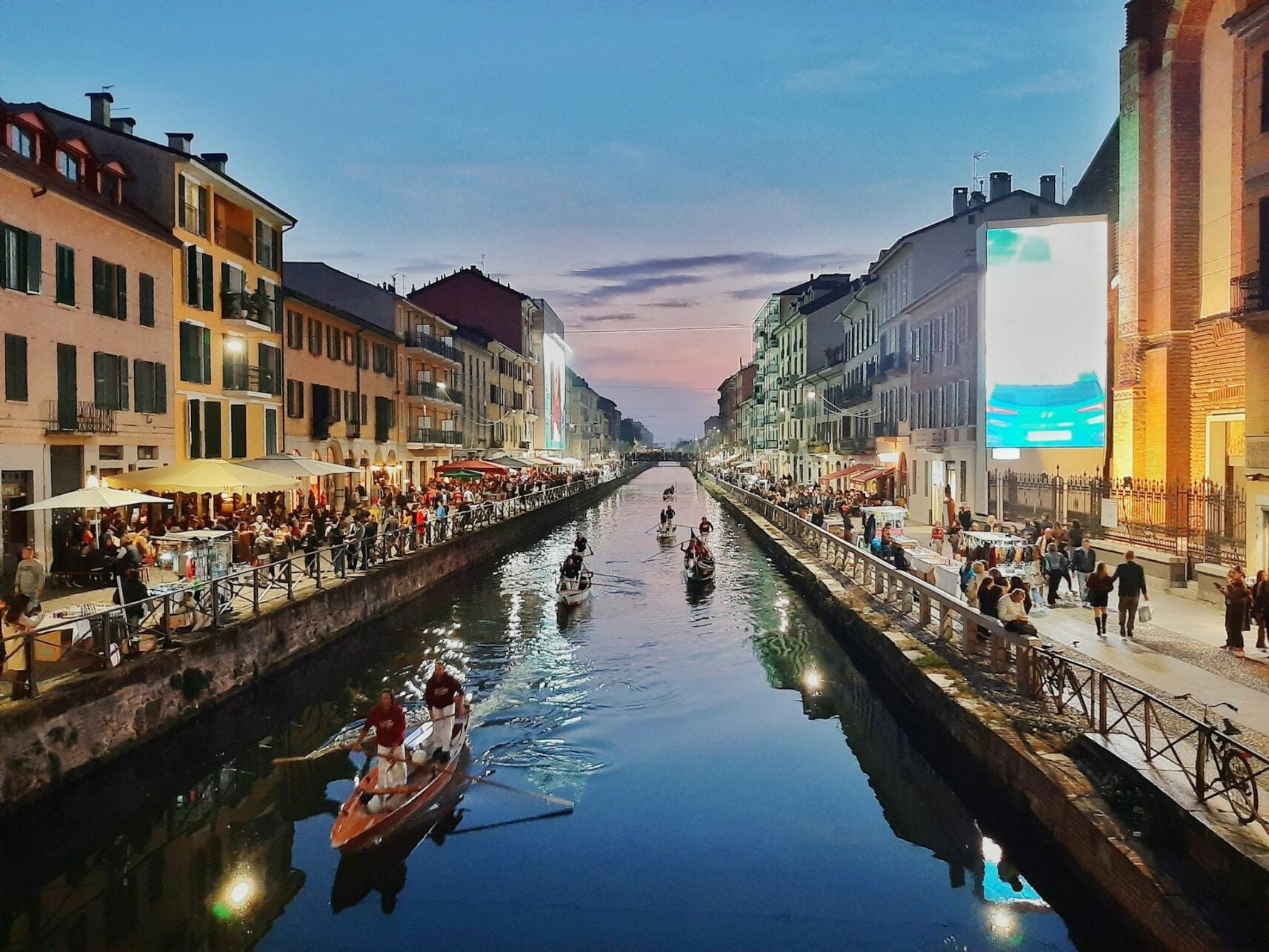
The second day represents a departure from the traditional tourist trail. By moving the focus to the San Siro district, travelers escape the hyper-commercialized center. The morning begins with a walk along the Navigli canals. Historically, these waterways were engineered by Leonardo da Vinci to facilitate the transport of marble for the construction of the Duomo. Today, the area—specifically the Vicolo dei Lavandai—serves as a living museum of Milanese labor history, where the architectural remnants of the city’s industrial past remain visible.
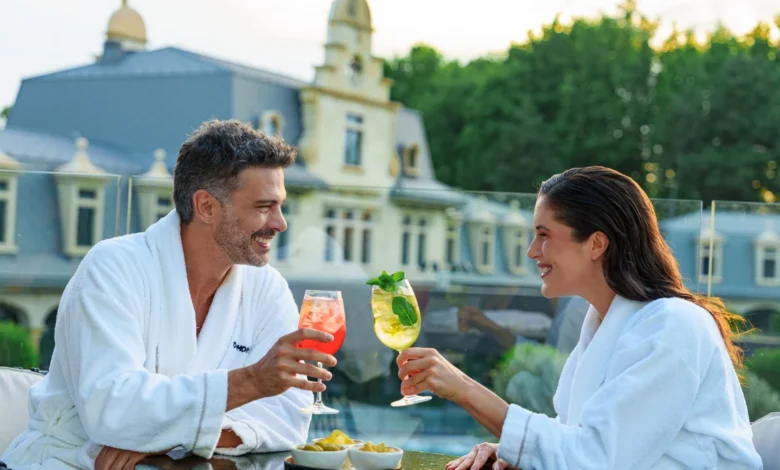
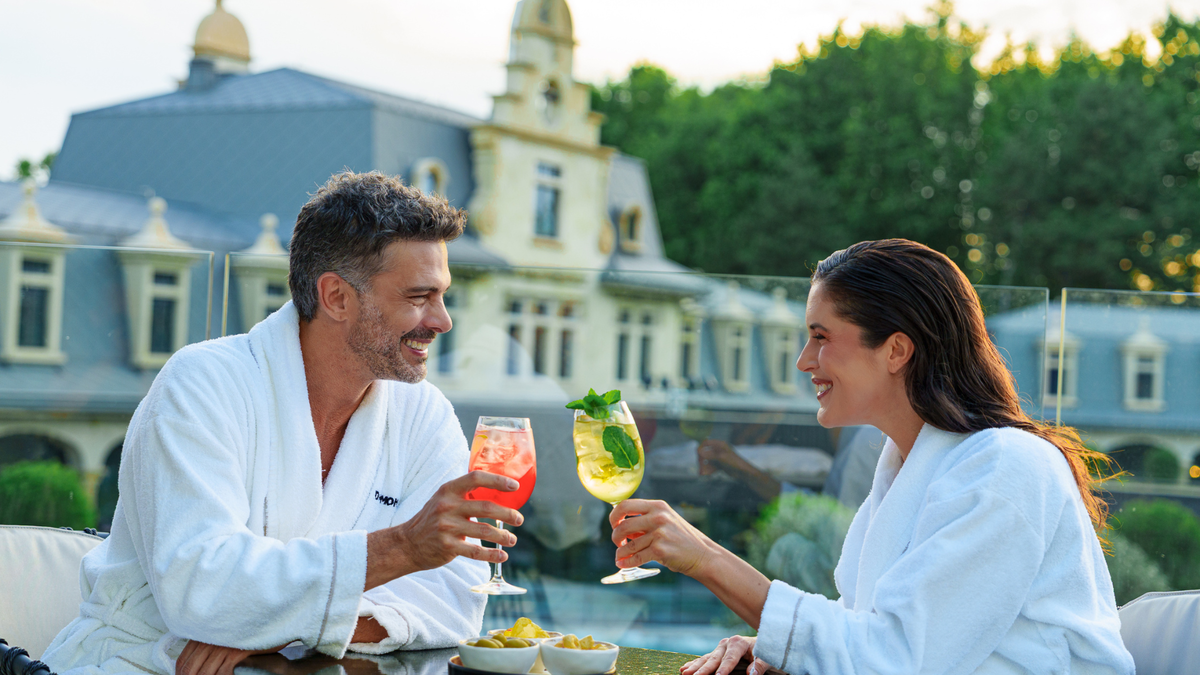
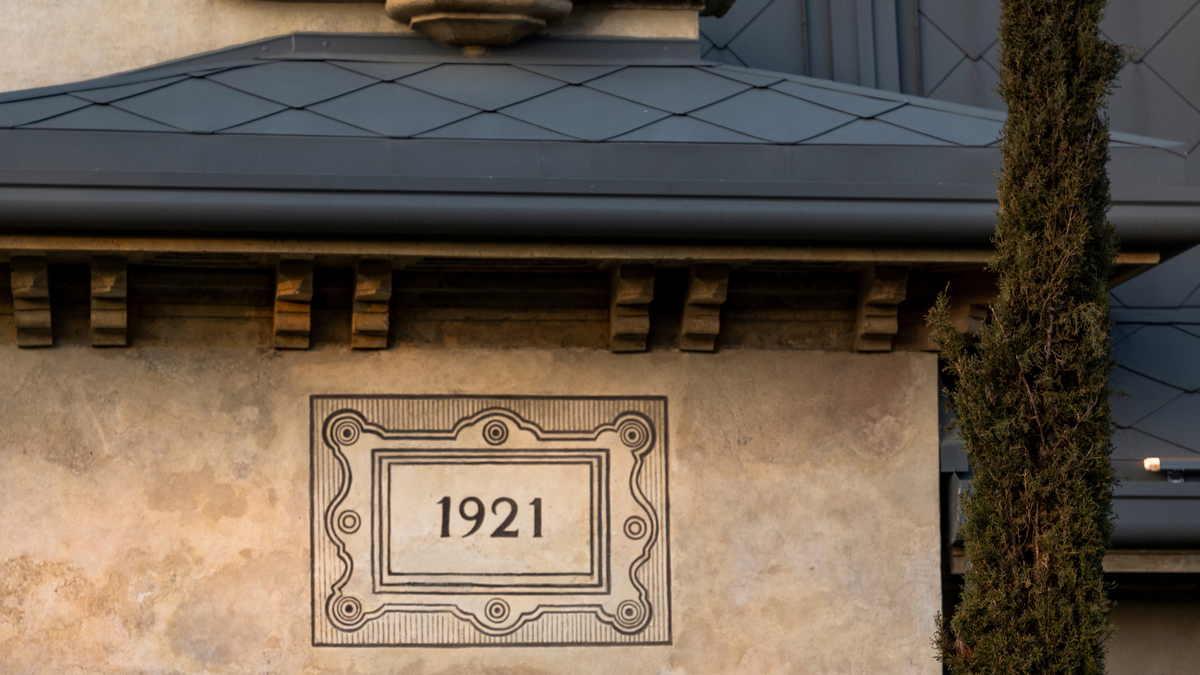
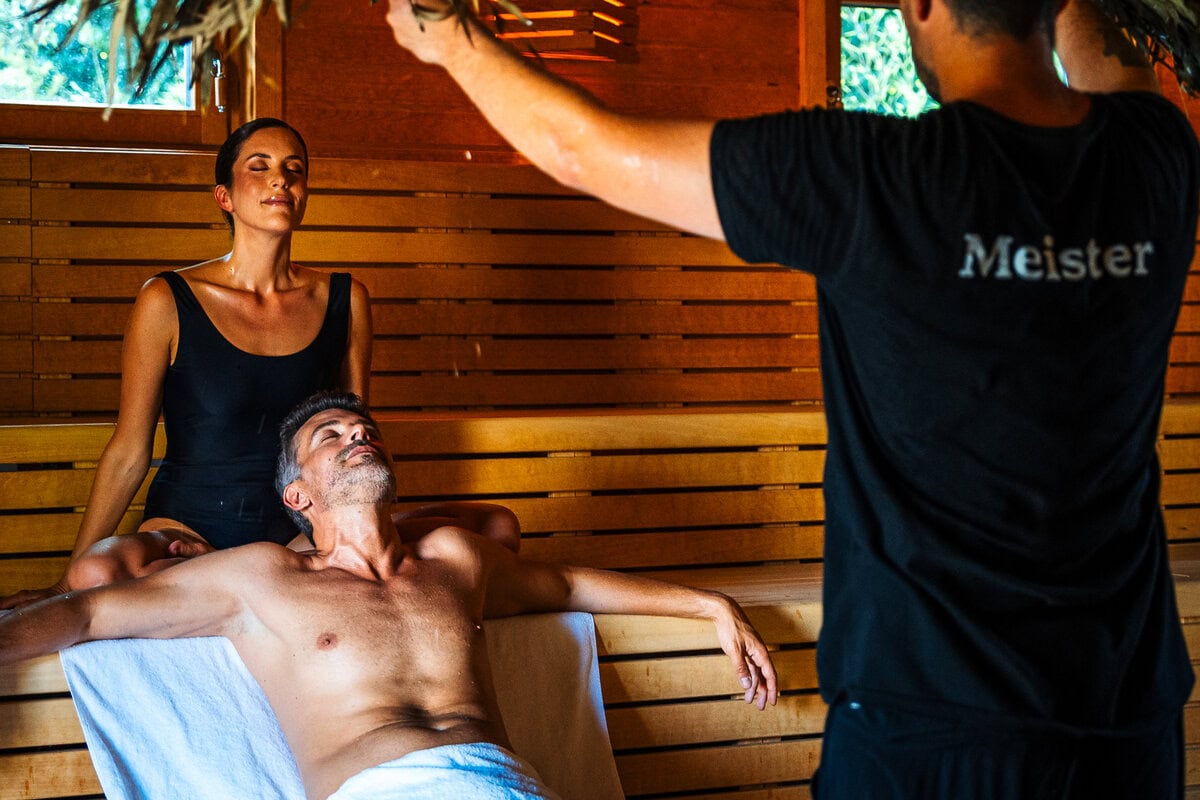
The core of the "slow" weekend occurs at midday at the Terme De Montel. Located within the historic Scuderie De Montel, which dates back to 1921, this facility represents a significant example of adaptive reuse in contemporary urban development. The site, once a series of stables, has been transformed into a thermal spa complex that utilizes the city’s underground mineral water resources.
The psychological impact of such a facility is well-documented in wellness tourism research. By immersing in thermal pools, the central nervous system is signaled to shift from an alert, sympathetic state to a parasympathetic state. The 5-hour duration is intentionally recommended to allow for a full cycle of thermal exposure, hydromassage, and meditative rest. This duration is long enough to break the "itinerary-driven" mindset that typically dominates short-term travel. Guests who engage with this facility often report that the absence of external stimuli, combined with the historical weight of the architecture, facilitates a deeper connection between travel companions.
Data and Context: The Value of the Pause
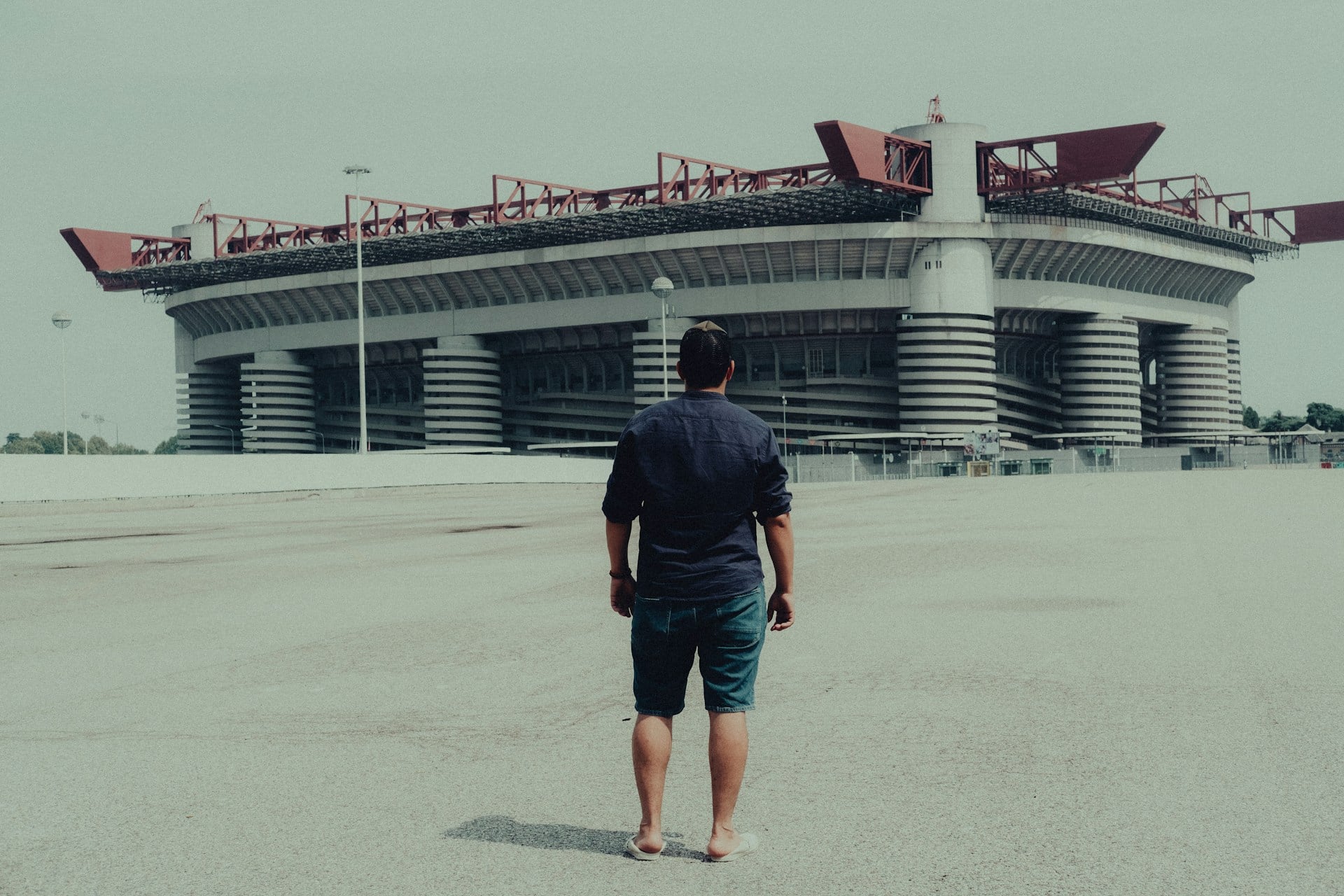
The decision to include the San Siro district in a primary travel itinerary is supported by the changing demographics of urban tourism in Milan. With the city’s ongoing urban renewal projects, neighborhoods like San Siro—previously known almost exclusively for the Giuseppe Meazza Stadium—are gaining recognition for their architectural heritage.
According to regional tourism reports, the integration of wellness-based activities has seen an uptick in visitor satisfaction scores in the Lombardy region. By spending five hours at the Terme De Montel, visitors are not just "resting"; they are participating in the city’s evolving approach to public space, which emphasizes the preservation of 20th-century heritage alongside modern health initiatives.
Practical Logistics and Implementation
To execute this itinerary, precision in planning is required. The following points should be noted for logistical efficiency:
- Bookings: The Duomo rooftop and the Terme De Montel both require advance reservations. The Duomo’s ticketing system is highly automated and time-sensitive; arriving outside of the reserved slot can lead to significant delays.
- Transport: Milan possesses an extensive metro network (ATM). The M1 line (Red Line) provides direct access to the San Siro area, making the transition from the city center to the baths seamless.
- The "Slow" Mindset: The primary challenge for most travelers is the psychological transition to inactivity. It is recommended that no evening reservations be made for a specific time until after the thermal session has concluded. This ensures that the relaxation period is not truncated by an impending obligation.
Broader Implications for Urban Tourism
The shift toward "slow travel" in Milan reflects a broader global trend in the post-pandemic era. Travelers are increasingly prioritizing "well-being" over "sight-seeing density." By choosing to spend half a day in a thermal facility, the visitor effectively reclaims their weekend from the exhausting pressure of constant movement.
This approach serves as a blueprint for other European metropolises facing over-tourism. By encouraging the distribution of visitors to peripheral districts like San Siro and emphasizing experiential, rather than purely visual, tourism, the city can maintain its cultural integrity while offering a higher quality of life to its guests.
The success of a weekend in Milan, therefore, is not measured by the number of sites visited, but by the intentionality of the experience. By balancing the vertical climb of the Duomo with the horizontal, fluid stillness of the thermal baths, couples can achieve a sense of equilibrium that mirrors the city’s own ability to blend the historic with the hyper-modern. It is a reminder that in a city as fast as Milan, the most significant discovery is often found in the deliberate decision to stop.