Europe Tourism Surges Past Pre-Pandemic Levels With Over 793 Million International Arrivals

The European tourism sector has achieved a remarkable and historic milestone, recording more than 793 million international arrivals and officially eclipsing pre-pandemic travel volumes. Driven by robust pent-up demand, enhanced digital connectivity, and the expansion of affordable cross-border transit, travelers have returned to the continent in unprecedented numbers. This resurgence, heavily documented by recent research from Euromonitor International alongside individual municipal tourism boards, highlights a fundamental shift in global travel patterns as cities across the continent navigate both the economic windfalls and the complex logistical challenges of modern mass tourism.
A Post-Pandemic Chronology of Recovery
The trajectory of European tourism over the past half-decade has been defined by rapid adaptation and resilience. Following the severe disruptions of the early 2020s, the travel industry entered a phased recovery beginning in 2022. By 2024, comprehensive studies released by Euromonitor International indicated that major urban destinations had not only recovered lost ground but were setting new benchmarks for visitor volume. Throughout 2025, this momentum accelerated further, culminating in the 793 million arrivals milestone. Industry analysts note that this recovery was significantly bolstered by the widespread adoption of eSIM data plans, streamlined digital visa processes, and the aggressive expansion of low-cost carrier routes connecting secondary and primary European hubs.
The Heavyweights: Paris, London, and Rome Lead the Rankings
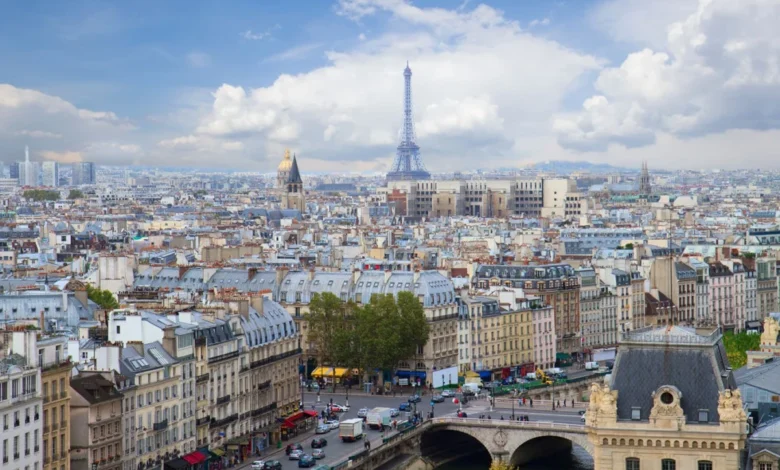
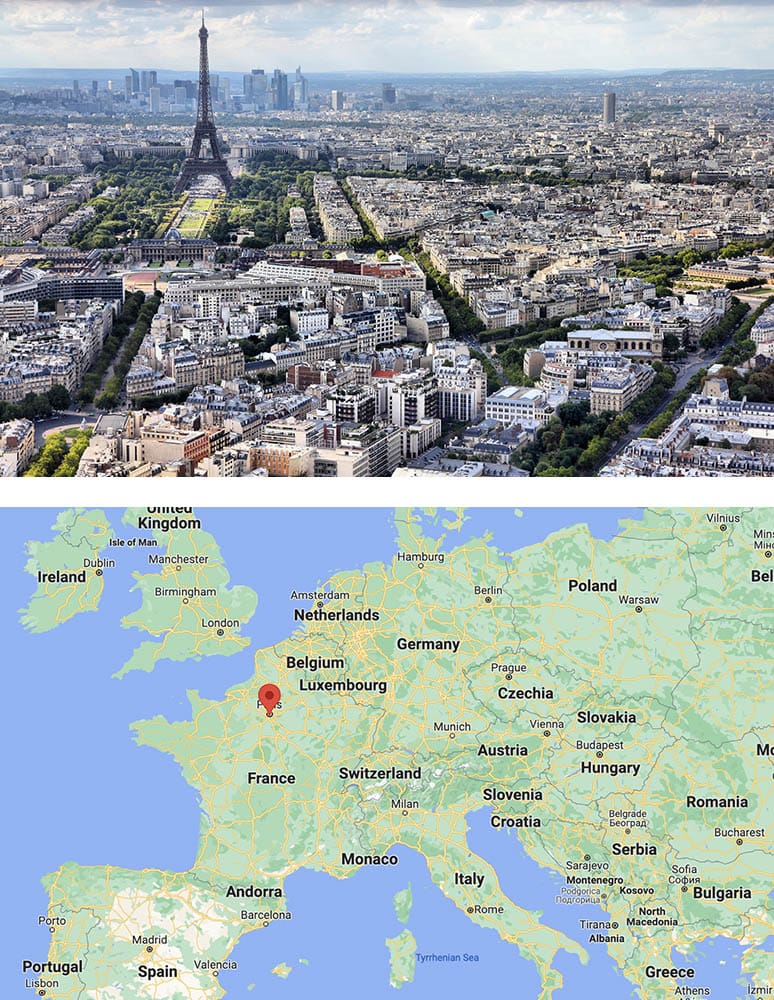
At the apex of the continent’s tourism hierarchy, Paris has firmly established itself as the most visited city in Europe, drawing an estimated 50 million annual visitors. Narrowly outpacing London in recent years, the French capital continues to anchor France’s status as the most visited nation globally. Paris owes its enduring appeal to an unmatched concentration of cultural institutions, historic landmarks, and a robust hospitality infrastructure that includes the continent’s highest inventory of vacation rental apartments alongside traditional hotels and hostels.
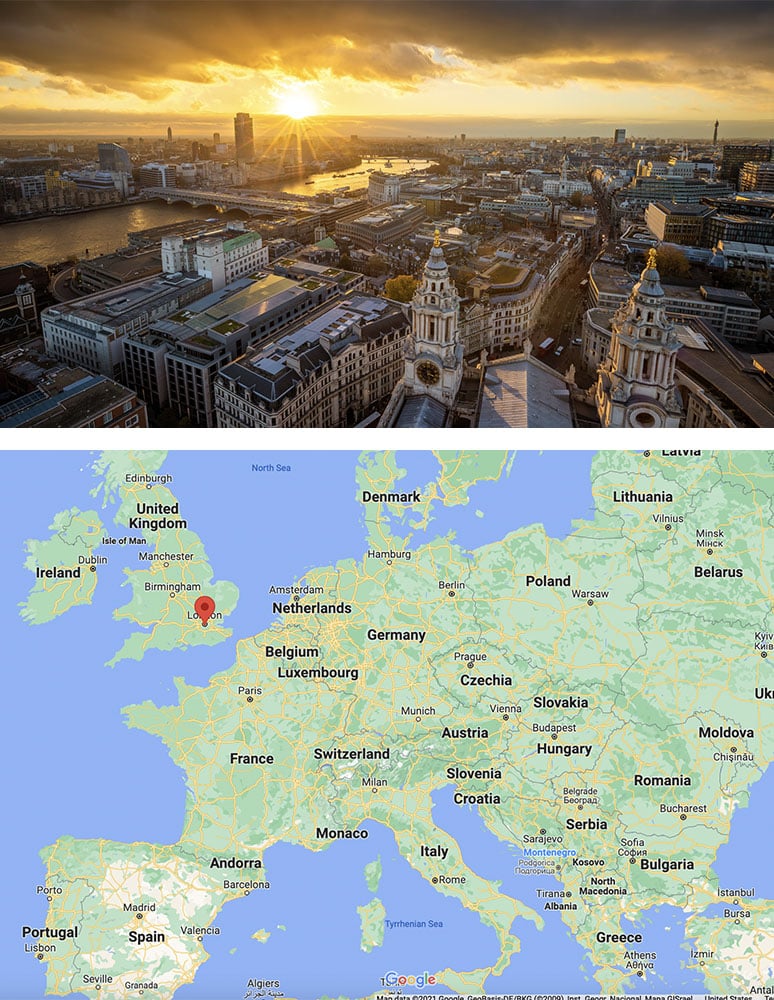
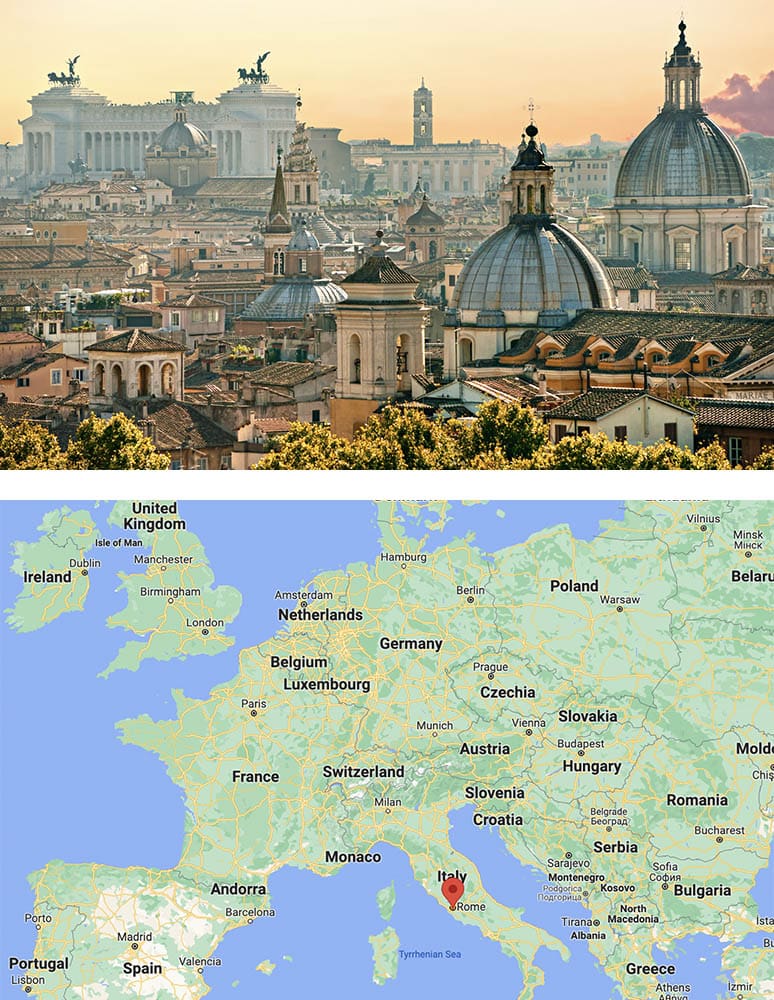
London follows closely as the second most visited urban destination, welcoming approximately 40 million annual visitors. For decades, the British metropolis has served as the primary gateway for transatlantic travelers, aided by multiple major international airports, highly competitive airfares, and the absence of a language barrier for English-speaking tourists. Meanwhile, Rome secures the third position with 35 million annual visitors. Revered as a global center of historical, architectural, and educational significance, the Italian capital functions as the ultimate baseline for multi-city Mediterranean itineraries.

Emerging Markets and Mediterranean Hotspots
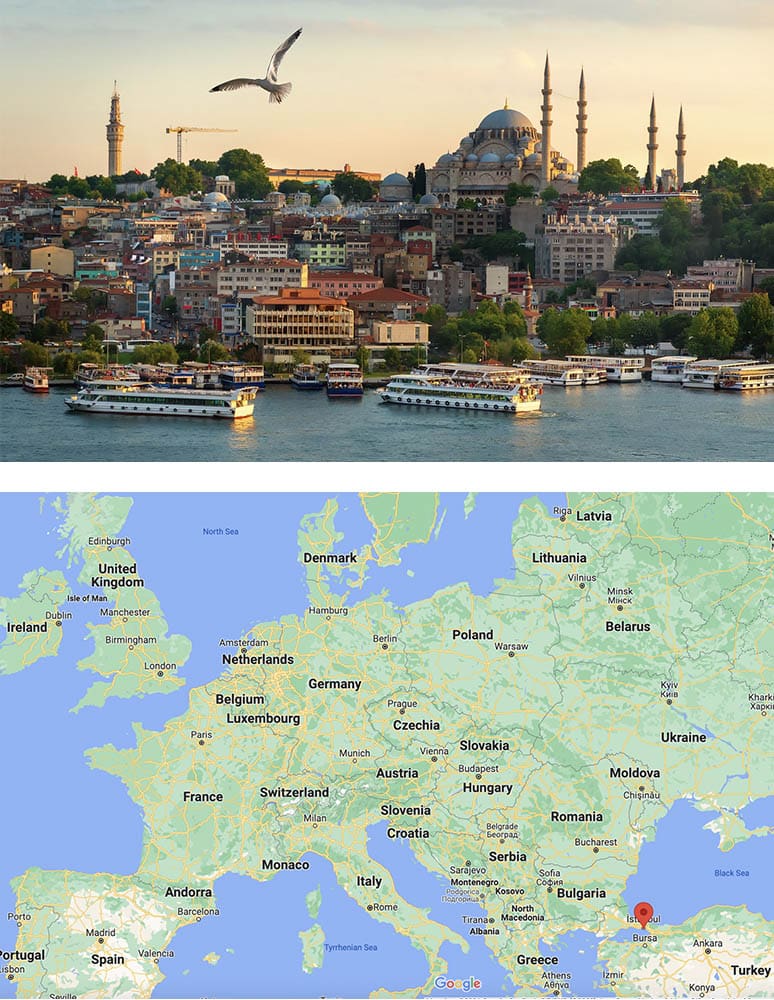
Beyond the traditional Western European powerhouses, tourism trends indicate a diversification of traveler interest toward Eastern Europe, the Balkans, and transcontinental crossroads. Istanbul, Turkey, has surged to fourth place globally with 20 million annual visitors. Having moved past previous periods of regional security concerns, the city acts as a vital bridge between Eastern and Western cultures, attracting millions seeking its unique geopolitical and architectural fusion.
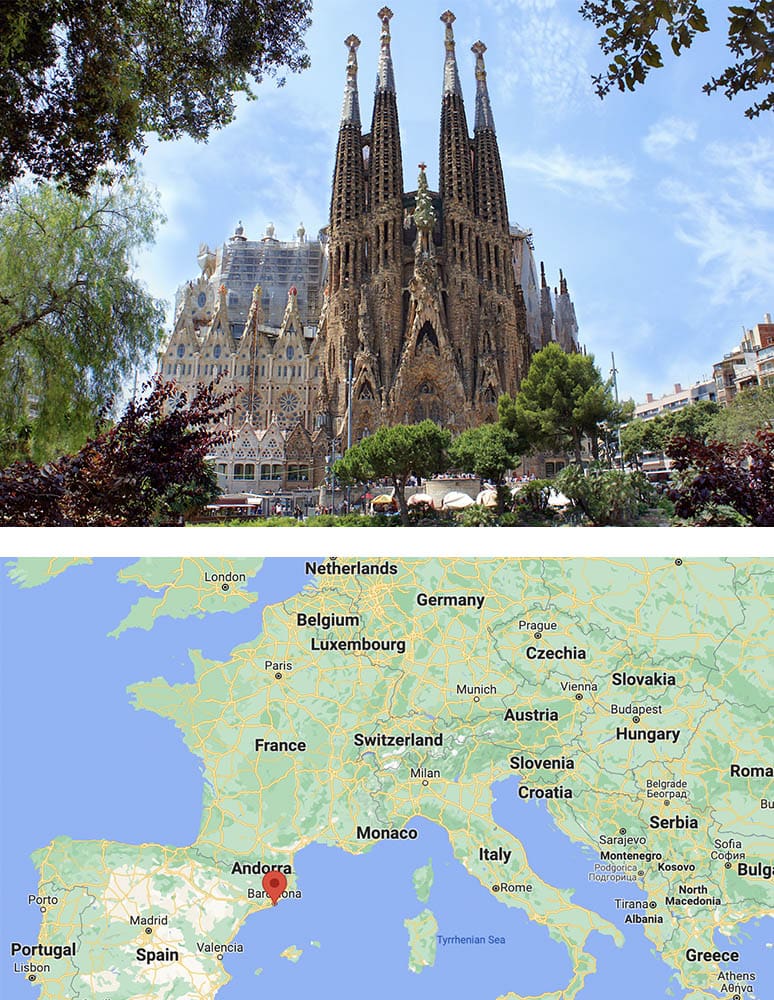
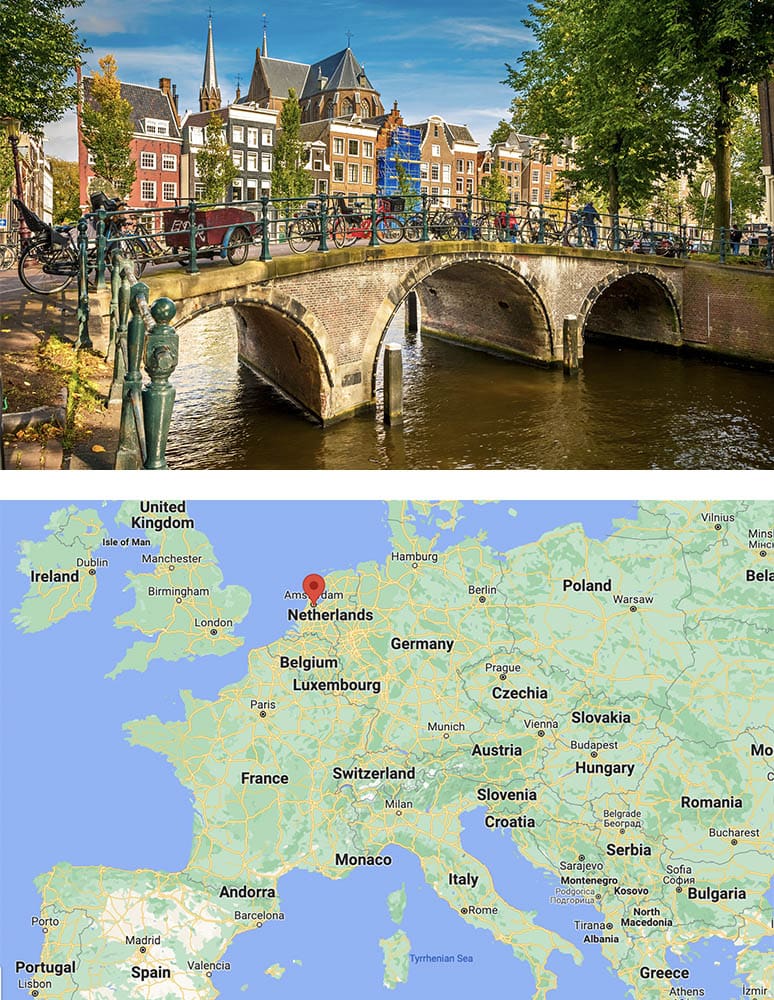
In Western and Southern Europe, destinations like Barcelona (16 million visitors), Lisbon (14 million visitors), and Amsterdam (8.9 million visitors) continue to draw massive crowds. However, these cities are increasingly grappling with the pressures of over-tourism. Municipal leaders in Amsterdam and Barcelona, for instance, have implemented stricter regulations on short-term rentals and tourist taxes to manage the ecological and social strain placed on local infrastructure. Similarly, lesser-known or secondary destinations—such as Tallinn, Estonia; Krakow, Poland; and Porto, Portugal—are seeing steady growth as travelers seek alternatives to saturated primary hubs.
Economic Implications and Industry Analysis
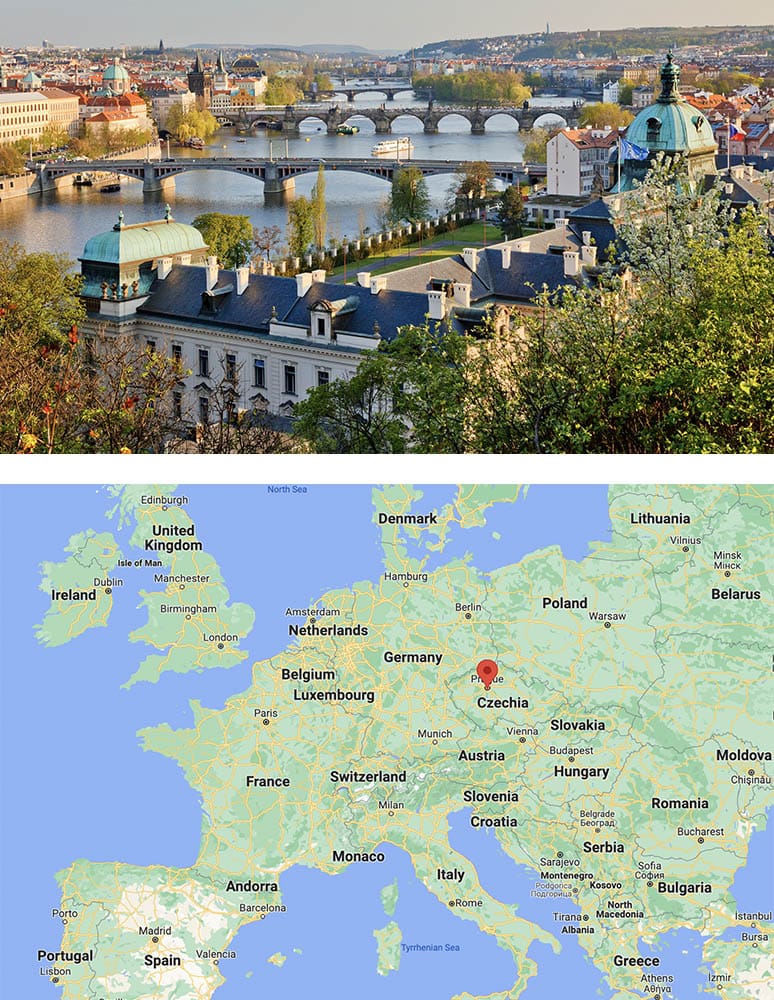
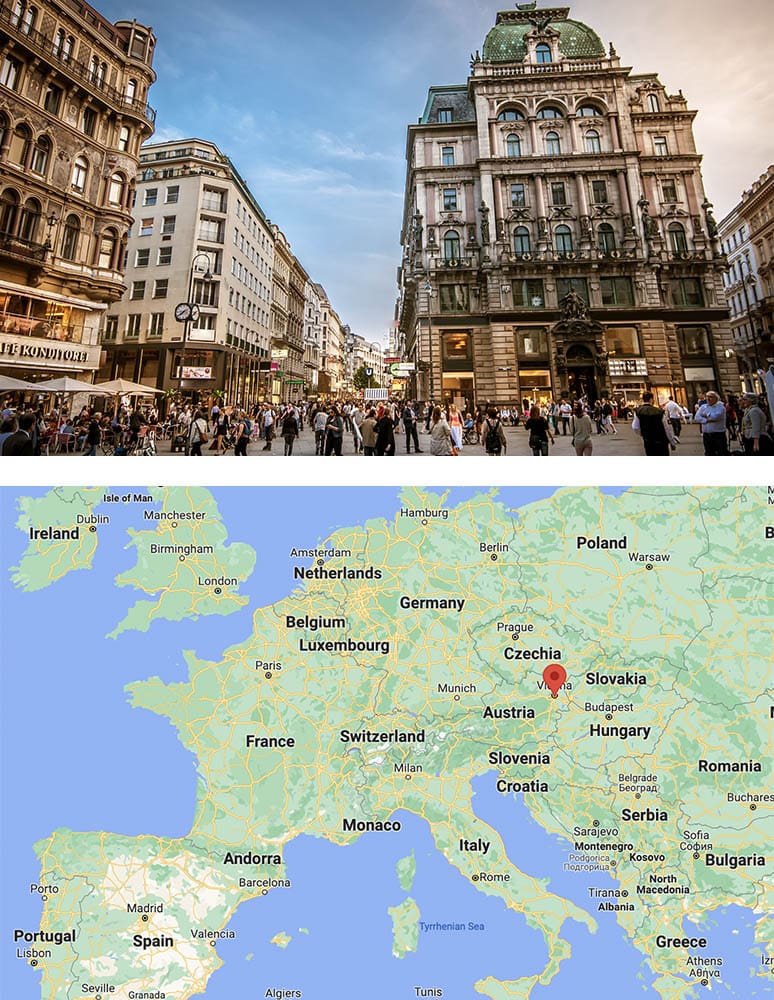
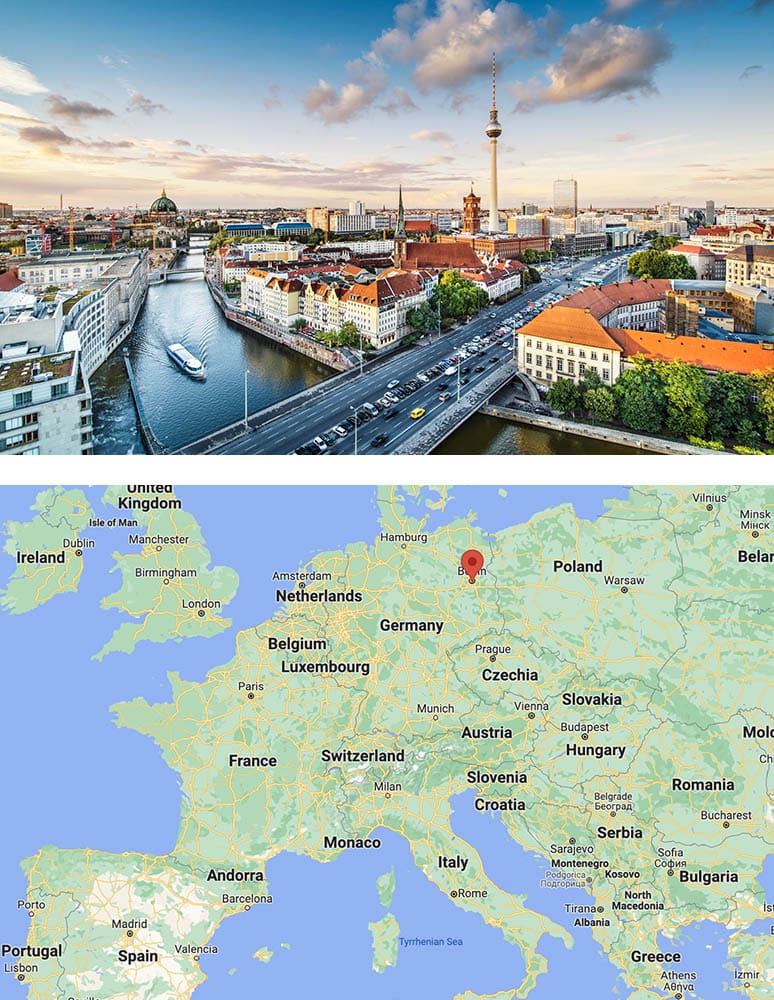
The massive influx of 793 million international arrivals carries profound economic implications for the European Union and its neighbors. Tourism serves as a primary economic engine, supporting millions of jobs in hospitality, aviation, retail, and gastronomy. Cities such as Vienna, Berlin, and Prague rely heavily on the cultural economy stimulated by both business and leisure travelers.
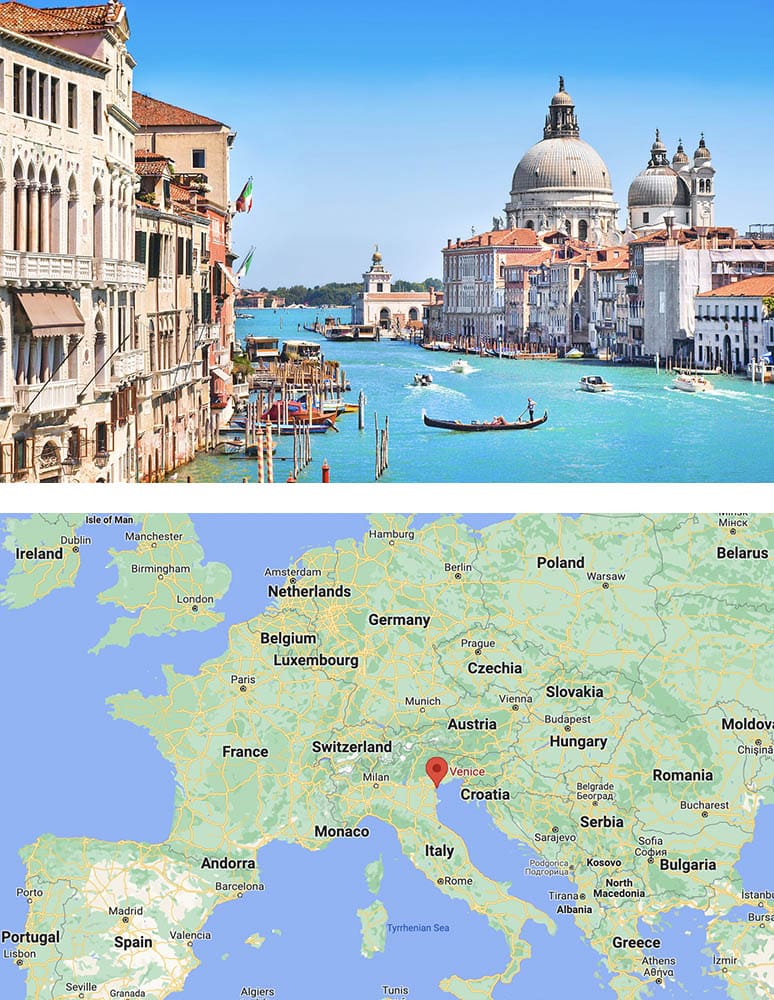
However, economists and urban planners point out significant structural challenges accompanying this growth. The rapid rise in short-term holiday rentals has placed immense upward pressure on residential housing markets, pricing out local residents in cities like Lisbon, Dublin, and Reykjavik. Furthermore, infrastructural wear and tear on historical sites—exemplified by Venice’s ongoing battle with land subsidence and cruise ship congestion—have forced local governments to rethink long-term destination management strategies. Initiatives such as daily tourist entry fees in Venice and promotional campaigns encouraging off-season travel reflect a growing industry consensus that sustainable tourism must prioritize quality of life for residents alongside visitor satisfaction.
Outlook and Future Travel Dynamics
As the European tourism market stabilizes into its post-recovery era, industry stakeholders anticipate continued growth tempered by regulatory interventions aimed at sustainable management. Travelers are increasingly encouraged to look beyond the top ten most visited cities, distributing economic benefits more evenly across the continent. With enhanced digital infrastructure—including widespread access to affordable mobile data—navigating secondary markets has never been more accessible for independent explorers. Ultimately, while the allure of Europe’s historic capitals remains undiminished, the future of the continent’s tourism sector will depend on balancing economic prosperity with the preservation of local communities and cultural heritage.