Global Travel Trends and European Climate Challenges A Review of June 2026 and Outlook for Mid-Summer Tourism

The mid-point of 2026 has been defined by a complex intersection of infrastructure improvements in North American urban centers and the escalating challenges of climate-driven heatwaves across the European continent. As summer travel enters its peak season, the logistics of movement and the necessity for climate-adaptive accommodations have become primary concerns for international travelers. This report examines the shifting landscape of global tourism through the lens of recent transit developments in New York City, the impact of extreme weather on Central European residency, and the projected economic surge in regional European tourism throughout July.
Infrastructure and Transit Optimization in Upper Manhattan
A significant development in the efficiency of North American regional transit was highlighted this June with the increased utilization of the George Washington Bridge (GWB) Bus Station. Located at 178th Street and Broadway, the facility has emerged as a critical alternative to the Port Authority Bus Terminal in Midtown Manhattan. For travelers arriving from northern corridors, such as the Boston-New York route, the GWB Bus Station offers a strategic advantage by reducing transit times for those destined for Upper Manhattan, including Harlem, Washington Heights, and the Upper West Side.
Historically, the necessity of traveling over 100 blocks south to Midtown, only to backtrack north via local transit, represented a significant inefficiency in the New York City transportation grid. The revitalization of the GWB Bus Station—a project overseen by the Port Authority of New York and New Jersey (PANYNJ)—has successfully addressed this "last-mile" friction. By providing a modern terminal with direct access to the A, C, and 1 subway lines, the station facilitates a more decentralized and logical flow of human capital into the city’s northern residential and academic districts.
The European Heatwave of June 2026: Impacts on Domestic Life and Hospitality
While North American transit saw gains in efficiency, Central and Western Europe faced a severe environmental crisis. June 2026 recorded record-high temperatures across the continent, continuing a multi-year trend of intensifying summer heatwaves. In cities like Prague, where historical residential architecture often lacks integrated air conditioning (AC), the prolonged period of extreme heat created significant challenges for both residents and domestic animals.
The inability of standard European housing to mitigate sustained high temperatures has led to a noticeable shift in consumer behavior. During the peak of the June heatwave, a surge in "staycation" bookings was observed, as residents sought refuge in climate-controlled environments. High-end hospitality providers, such as the Hilton Atrium Prague, have become essential infrastructure during these climate events. The facility reported increased demand not only for its cooling systems but also for its pet-inclusive policies.
The integration of pets into the luxury travel sector is a growing trend. With a standard fee structure—approximately 1000 CZK ($50 USD) for up to two small animals—the Hilton Atrium Prague exemplifies the industry’s adaptation to the needs of the modern traveler. Data suggests that as heatwaves become more frequent, the demand for pet-friendly, climate-controlled temporary housing will likely become a permanent fixture of the urban European hospitality market.
Disruptions in the Entertainment and Live Event Sector
The extreme weather conditions of June also necessitated the cancellation of high-profile cultural events. Most notably, the scheduled performance by international recording artist Ricky Martin was canceled shortly before its start time. Official statements from the production teams clarified that the cancellation was not due to artist illness or technical failure, but rather external environmental factors.
Despite the event being scheduled for an indoor venue, the logistical strain and safety risks associated with the regional heatwave made the gathering untenable. This incident underscores a broader trend in the live entertainment industry: the "weather-proofing" of tours. Promoters are increasingly forced to consider the thermal limits of both the audience and the technical equipment, leading to higher insurance premiums and more frequent last-minute scheduling changes.
July 2026 Outlook: The Resurgence of the European Road Trip
Following a relatively subdued summer in 2025, July 2026 is projected to be one of the busiest periods for regional European travel in the post-pandemic era. A primary driver of this activity is the "destination wedding" economy and the resurgence of multi-country road trips.

A significant corridor of travel this month spans from Central Europe to the South of France. The route from Prague to Provence is approximately 1,200 kilometers, necessitating multi-day itineraries that benefit the hospitality sectors of Germany, Switzerland, and Liechtenstein. Liechtenstein, one of Europe’s microstates, continues to draw high-yield travelers seeking niche destinations within the broader Alpine region.
The Provence Tourism Peak
The Provence-Alpes-Côte d’Azur region of France remains the focal point of July tourism. Several key factors contribute to this seasonal concentration:
- Lavender Bloom Cycles: The Plateau de Valensole is expected to reach peak bloom in mid-July. This phenomenon is a major draw for international photographers and eco-tourists, significantly impacting local agricultural and hospitality revenue.
- UNESCO Heritage Sites: The cities of Arles and Nîmes are seeing a revitalization of interest in their Roman antiquities. The integration of historical site-seeing with modern luxury stays at regional chateaus is a cornerstone of the 2026 "Grand Tour" revival.
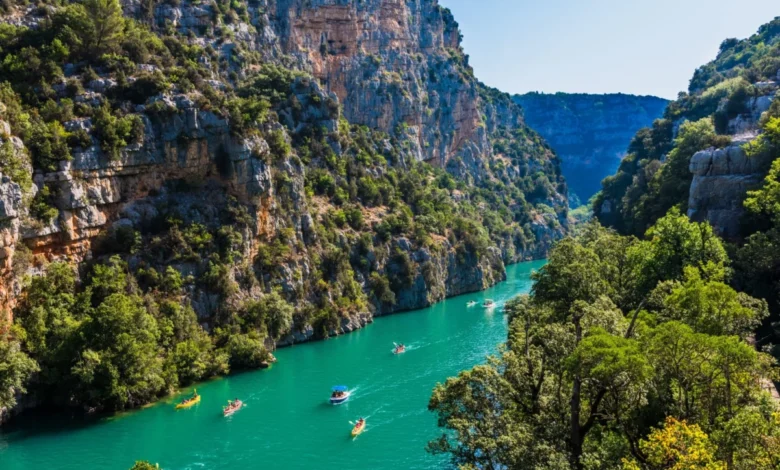
- Nature-Based Tourism: The Gorge du Verdon and Lac Sainte-Croix have reported high booking rates for kayaking and water-based activities as travelers seek natural cooling options during the summer months.
Group Travel and Milestone Tourism in Ireland and Italy
The latter half of July 2026 is characterized by a surge in "milestone tourism"—travel specifically designed around birthdays, anniversaries, and significant life events. Dublin, Ireland, is currently experiencing a high volume of group bookings related to 40th-birthday celebrations and multi-generational gatherings. While Dublin has historically struggled with a reputation for high costs, local tourism boards have successfully pivoted toward experiential travel, focusing on curated group activities and high-end culinary tours.
Simultaneously, the Italian island of Ischia is maintaining its status as a premier "slow travel" destination. Unlike its neighbor Capri, which often faces over-tourism, Ischia offers a more expansive landscape that accommodates summer crowds with greater ease. The island’s thermal spas and volcanic beaches remain a primary draw for travelers seeking wellness-oriented vacations toward the end of the summer season.
Broader Implications and Analysis
The events of June and the projections for July 2026 reveal three critical shifts in the global travel industry:
1. Climate Adaptability as a Luxury Tier
The ability to guarantee a climate-controlled environment is no longer a standard amenity but a competitive advantage in the European market. Hotels that invest in sustainable cooling technologies are seeing higher occupancy rates during heatwaves, as residential infrastructure fails to keep pace with rising temperatures.
2. The Decentralization of Urban Hubs
The success of the George Washington Bridge Bus Station in New York suggests that travelers are increasingly prioritizing "point-to-point" efficiency over traditional "central hub" logic. Urban planners may look to this model to alleviate congestion in primary city centers by bolstering peripheral transit nodes.
3. The "Experience-First" Entertainment Economy
Despite the cancellation of events like the Ricky Martin concert, the demand for live entertainment remains high. The upcoming Pitbull concert in Prague, characterized by high-concept fan participation (such as the "bald cap" trend), indicates that audiences are looking for immersive, community-driven experiences rather than passive observation.
Conclusion
The summer of 2026 is proving to be a period of significant logistical adaptation. From the streets of Upper Manhattan to the lavender fields of Provence, the travel industry is navigating a dual reality of increased demand and environmental volatility. As the month of July progresses, the success of the tourism sector will depend on its ability to provide safety, comfort, and efficient movement in an increasingly unpredictable climate. Travelers are advised to remain flexible, prioritize climate-controlled accommodations, and utilize secondary transit hubs to navigate the complexities of modern international movement.