Ultimate Guide to Tulips in Holland – Keukenhof, Tulip Fields, and More in The Netherlands

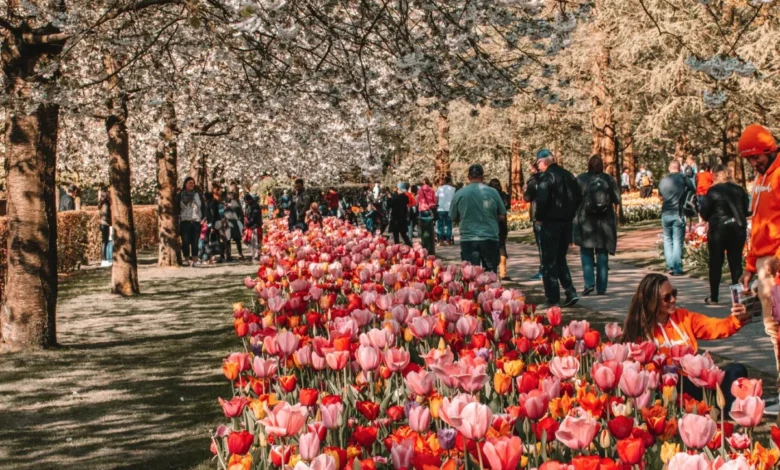
The Netherlands serves as the epicenter of the global floriculture industry, transforming into a vast, multi-colored tapestry every spring as billions of tulips reach peak bloom. This annual phenomenon is not merely a seasonal attraction but a cornerstone of the Dutch economy and cultural identity. From the meticulously manicured displays at Keukenhof Gardens to the industrial-scale fields of Flevoland and the Noordoostpolder, the tulip season represents a complex intersection of history, agriculture, and international tourism. As the world’s leading exporter of flower bulbs, the Netherlands produces approximately 2 billion tulip bulbs annually, with the spring window between mid-March and mid-May drawing millions of international visitors to the provinces of North and South Holland.

Historical Context: From the Ottoman Empire to Tulip Mania
The presence of tulips in the Netherlands dates back to the late 16th century. Though often associated exclusively with Dutch heritage, the tulip originated in the Ottoman Empire (modern-day Turkey). It was Carolus Clusius, a botanist at Leiden University, who planted the first tulip bulbs in Dutch soil in 1593. He discovered that the plant could withstand the harsh North Sea climate, leading to a surge in popularity among the Dutch elite.

By the 1630s, the country experienced "Tulip Mania," frequently cited by economists as the first recorded speculative asset bubble. At the height of the craze, a single bulb of a rare variety, such as the Semper Augustus, could cost more than a canal house in Amsterdam. While the market eventually collapsed in February 1637, the infrastructure for bulb cultivation remained. Over the subsequent centuries, the Dutch refined their land reclamation techniques, using the fertile, sandy soils behind the coastal dunes—known as the Geestgronden—to perfect the art of bulb growing. Today, the Netherlands remains the undisputed leader in the field, accounting for nearly 90% of the world’s total tulip production area.

The Epicenter of Floriculture: Keukenhof Gardens
Located in the town of Lisse, Keukenhof Gardens is widely regarded as the "Garden of Europe." Spanning approximately 32 hectares, the park serves as a living catalog for the Dutch floriculture industry. Unlike natural fields, Keukenhof is a designed landscape where more than 7 million flower bulbs are planted by hand each autumn.

The gardens provide a platform for approximately 100 royal suppliers to showcase their best products. While tulips are the primary draw, the park also features extensive collections of hyacinths, daffodils, lilies, and orchids across several themed pavilions. For the 2026 season and beyond, park officials have emphasized a commitment to "biodiversity and heritage," integrating more perennial plants and sustainable growing methods to support local pollinator populations.

Keukenhof’s operational window is limited to approximately eight weeks per year. Data from recent seasons indicates that the park attracts roughly 1.5 million visitors during this short period, making it one of the most densely visited tourist sites in the world. To manage this influx, the park has implemented a timed-entry ticket system, requiring visitors to book well in advance, particularly for peak dates such as the Easter weekend or the annual Flower Parade.

Regional Analysis: Bollenstreek, Flevoland, and Noordoostpolder
While Keukenhof offers a concentrated floral experience, the vast commercial fields are spread across several distinct regions, each offering a different perspective on Dutch agriculture.

The Bollenstreek (Bulb Region)
The Bollenstreek is the most traditional flower-growing area, situated between the cities of Haarlem and Leiden. Its proximity to Amsterdam and Schiphol Airport makes it the most accessible region for tourists. The landscape here is characterized by narrow strips of land separated by small canals, where farmers cultivate tulips, hyacinths, and narcissi. This region also hosts the Bloemencorso Bollenstreek, a 42-kilometer flower parade featuring floats decorated with thousands of blooms, traveling from Noordwijk to Haarlem.

Flevoland and the Tulip Route
For those seeking a more expansive, industrial view of the industry, Flevoland offers the "Tulpenroute." As the Netherlands’ youngest province, much of Flevoland consists of reclaimed polder land located below sea level. The soil here is exceptionally fertile, allowing for massive, uninterrupted rows of tulips that stretch toward the horizon. The Tulpenroute Flevoland often spans over 100 kilometers of driving and cycling paths, designed to distribute tourist traffic away from the more congested Bollenstreek.

Noordoostpolder
The Noordoostpolder claims the title of the largest tulip field area in the Netherlands. Because it is further from the major urban centers, it offers a more serene experience. The region holds an annual Tulip Festival featuring farm tours, photography workshops, and "picking gardens" (Pluktuinen), where visitors can legally harvest their own bouquets—a practice strictly forbidden in commercial production fields.

The Economic Impact of the Tulip Industry
The floriculture sector is a vital engine of the Dutch economy. According to data from Royal FloraHolland, the world’s largest flower auction house located in Aalsmeer, the international trade in flowers and plants contributes billions of euros to the national GDP. In a typical year, the auction processes over 12 billion flowers and plants.

Tulips specifically represent a significant portion of the export market. The Netherlands exports bulbs to over 100 countries, with the United States, Germany, and the United Kingdom being the primary importers. The industry supports tens of thousands of jobs, ranging from high-tech greenhouse management and genetic research to logistics and seasonal tourism hospitality.

Environmental Initiatives and Sustainable Farming
In recent years, the Dutch government and agricultural unions have introduced several initiatives to modernize the industry in the face of climate change and environmental concerns. The "Nature Friendly Farming" initiative encourages bulb growers to reduce the use of chemical pesticides and fertilizers.

One notable project is the "Pollinator Paths" program, which involves planting wildflower borders around tulip fields to provide habitats for bees and hoverflies. These insects are essential for the health of the local ecosystem, even though tulips themselves are primarily grown from bulbs rather than seeds in commercial settings. Furthermore, research into "circular bulb cultivation" aims to minimize water waste and soil depletion, ensuring that the polders remain productive for future generations.

Tourism Ethics and Field Etiquette
The rise of social media tourism has created a unique challenge for Dutch tulip farmers. In recent years, thousands of visitors have been documented entering private fields to take photographs, inadvertently trampling delicate blooms and spreading soil-borne diseases that can ruin an entire season’s crop.

In response, the industry has launched "Enjoy Among the Flowers" awareness campaigns. Farmers have increasingly installed fencing and signage in multiple languages (Dutch, English, and Chinese) to educate the public. Official statements from the Lisse Tourism Board emphasize that while photography from the edge of the field is welcomed, entering the rows is considered trespassing. To accommodate the demand for "immersive" photography, specialized venues like The Tulip Barn and Tulip Experience Amsterdam have opened, offering designated photo zones and educational exhibits where visitors can interact with the flowers without damaging commercial stock.

Chronology of a Typical Tulip Season
The progression of the Dutch spring follows a predictable biological timeline, though exact dates shift annually based on winter temperatures and rainfall:

- Late March: The season begins with the blooming of early crocuses and daffodils. Keukenhof typically opens its gates during the third week of March.
- Early April: Hyacinths begin to bloom, filling the air in the Bollenstreek with a heavy, sweet fragrance. The first early-season tulips start to show color.
- Mid-April: This is traditionally the peak of the tulip season. The majority of fields in both the Bollenstreek and Flevoland reach full saturation. The Bloemencorso Bollenstreek (Flower Parade) usually takes place during the third or fourth weekend of April.
- Late April to Early May: Late-blooming tulip varieties emerge. This is also when "topping" begins—a process where farmers remove the flower heads to redirect the plant’s energy into the bulb, which is the actual product for sale.
- Mid-May: The season concludes. Keukenhof closes, and the fields are transitioned for the summer harvest of the bulbs.
Logistics and Infrastructure Analysis
The Netherlands boasts a highly integrated transport network designed to handle the seasonal surge in visitors. The "Keukenhof Express" bus service operates direct routes from Schiphol Airport, Amsterdam RAI, and Leiden Central Station, moving tens of thousands of passengers daily.

For more flexible exploration, the Dutch "slow travel" model—cycling—is the preferred method for many. Bike rental stations at Keukenhof and local railway stations allow tourists to navigate the "Tulperij" (tulip areas) via a well-mapped network of dedicated cycle paths. This infrastructure not only reduces the carbon footprint of tourism but also mitigates the severe traffic congestion that often plagues the narrow roads of the Bollenstreek during peak bloom.

Implications for Global Tourism and Agriculture
The Dutch tulip season serves as a global case study in successful seasonal branding. By combining a historical narrative with cutting-edge agricultural technology and a robust tourism infrastructure, the Netherlands has maintained its status as the world’s premier floral destination for over four centuries.

However, the industry faces ongoing challenges. Rising land prices, stricter environmental regulations, and the unpredictable nature of climate change—which can cause "blind" bulbs or premature blooming—require constant innovation. The shift toward digital auctions and automated greenhouse technology indicates that while the sight of the fields remains a romanticized link to the past, the underlying industry is firmly rooted in the future of global agritech. For the millions who travel to see the "rainbow rows" each year, the experience remains a testament to the enduring appeal of the natural world and the Dutch mastery over their unique, water-bound landscape.