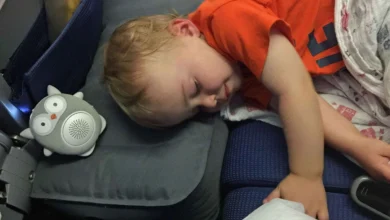
Fly Tot Inflatable Airplane Bed Review: An Analytical Look at Toddler Travel Comfort and Airline Compliance

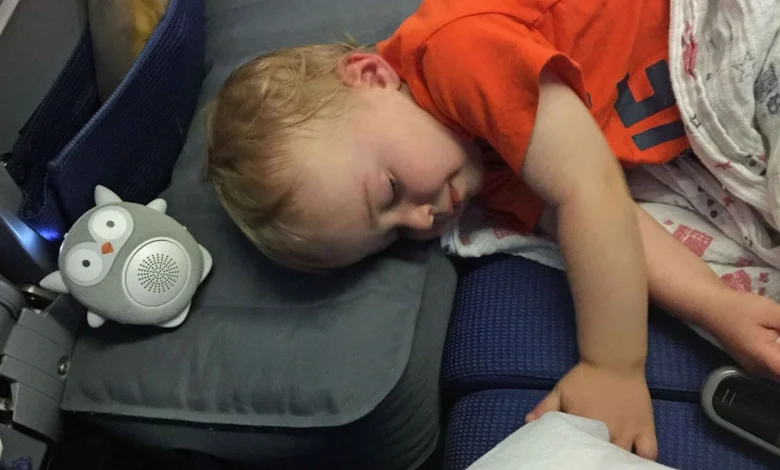
Long-haul air travel with toddlers remains one of the most significant logistical challenges for modern families. The physical limitations of economy-class seating—characterized by cramped legroom and restricted movement—frequently result in sleep deprivation for both the child and the accompanying parent. In response to this recurring pain point, the aviation travel accessory market has seen the emergence of inflatable seat extenders, with the Fly Tot brand serving as a prominent fixture in the sector for nearly a decade. As global travel patterns return to pre-pandemic volumes, the utility of these devices is being re-examined through the lens of changing airline safety regulations and evolving product design.

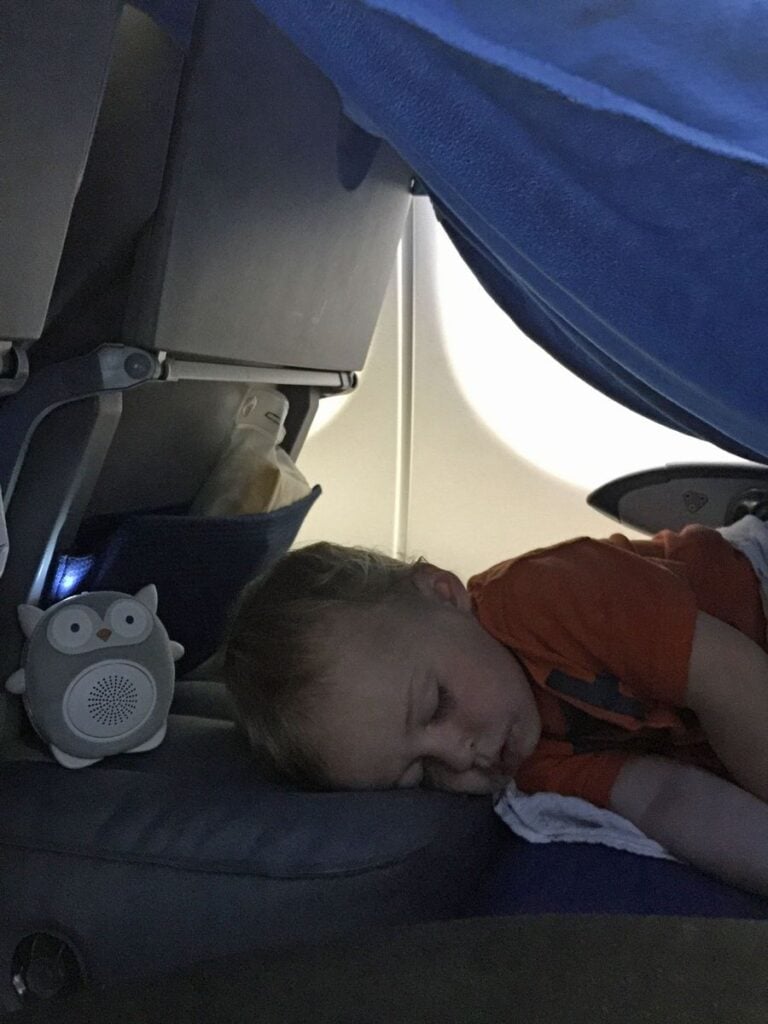
The concept behind the Fly Tot is straightforward: an inflatable cushion, constructed to fit the floor space between a child’s seat and the seat back in front of them, effectively creates a flat, bed-like surface. This transformation allows younger passengers to lie horizontally, mimicking a bassinet or a lie-flat seat. Historically, the Original Fly Tot was marketed to a wide demographic of parents. However, current iterations, such as the Fly Tot Plus, have refined their target audience to children aged two to eight, reflecting a shift toward safety-conscious design and standardized usage guidelines.
Chronological Development and Product Evolution
The development of the Fly Tot reflects the broader maturation of the toddler travel gear industry. When the product was first introduced, the primary hurdle was the lack of awareness among both passengers and cabin crews regarding the legitimacy of seat-extender devices. Over the last ten years, the manufacturer has iteratively improved the design to address feedback from aviation authorities and users.

The transition from the Original Fly Tot to the current Plus model marks a significant shift in design philosophy. Key technical updates include a dual-width geometry, which allows the cushion to adapt to varying legroom dimensions across different aircraft types—from standard economy to premium economy configurations. Furthermore, the inclusion of a patented emergency safety release valve addresses one of the primary concerns of airline regulators: the potential for rapid pressure changes in the cabin. By ensuring the cushion can deflate rapidly in the event of an emergency, the product attempts to align more closely with strict international aviation safety protocols.

Technical Upgrades and Safety Considerations
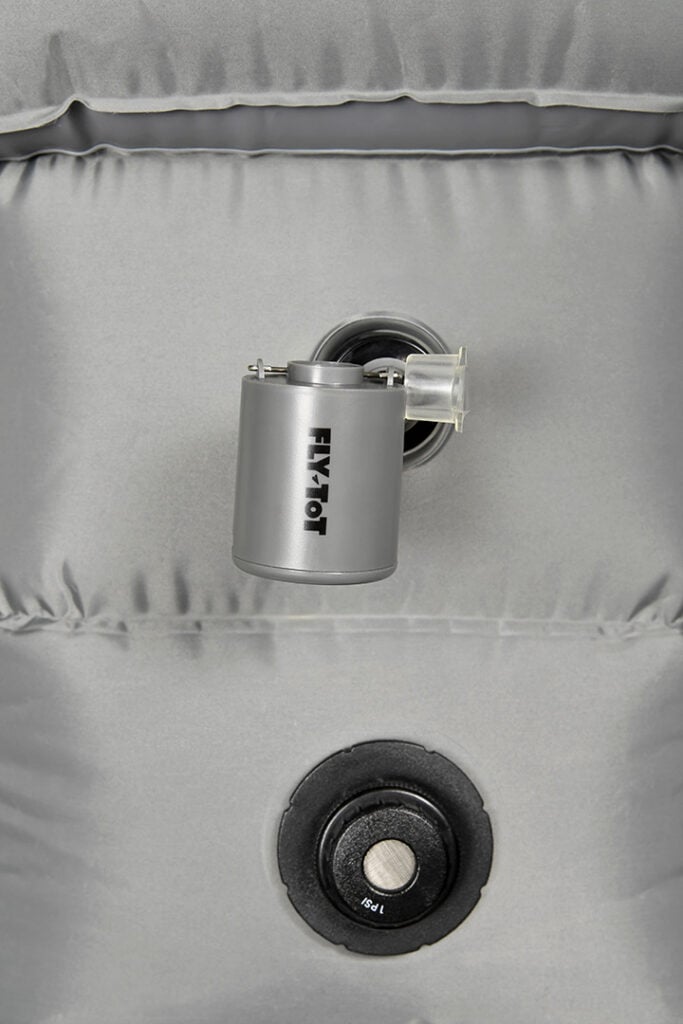
A critical component of the modern travel experience is the speed and ease of setup. The earlier iterations of the device required manual inflation, a time-consuming process that could prove difficult in the confined space of a commercial aircraft. The current Fly Tot Plus kit integrates a rechargeable "Tiny Pump," capable of inflating the device in under 60 seconds. This reduction in setup time serves to minimize the disruption to neighboring passengers and ensures that the device is ready for use as soon as the seatbelt sign is extinguished.

However, the proliferation of such devices has led to a fragmented regulatory landscape. There is no singular, global mandate from the International Air Transport Association (IATA) regarding the use of inflatable footrests. Instead, individual carriers retain the final authority to permit or prohibit their use. This has created a complex environment where passengers must verify airline-specific policies before each flight. A recurring theme in the history of the product is the necessity of operator discretion; cabin crews often evaluate the placement of the device to ensure it does not impede egress in the event of an emergency or obstruct the use of life vests located under the seats.
Impact on Family Travel Dynamics
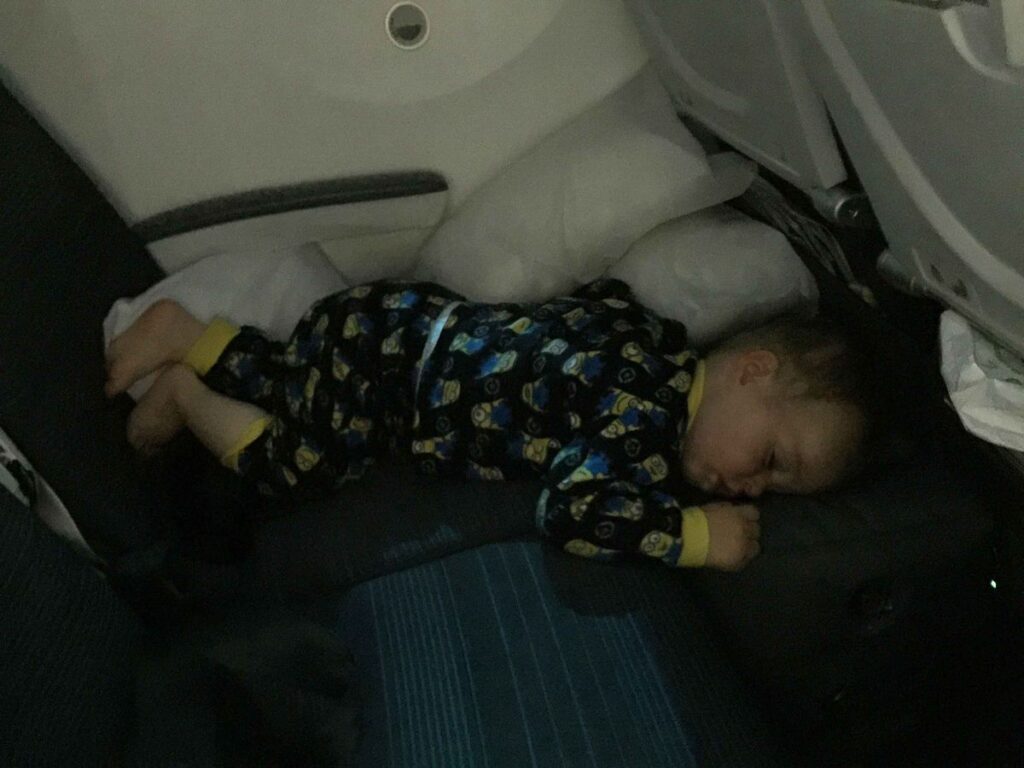
Data and anecdotal evidence from long-haul flights consistently suggest that enabling a child to sleep horizontally significantly reduces the stress levels of the entire cabin. When a toddler is able to achieve several hours of continuous sleep, the need for parents to physically hold the child—a position that often precludes the parent from resting or using a tray table—is removed.

For many parents, the device serves as a strategic investment. While the upfront cost may appear prohibitive for a single flight, families who undertake multiple international trips annually often report a high return on investment in terms of the child’s improved behavior upon arrival. The ability to create a dedicated, contained "play zone" during waking hours further enhances the utility of the product, as it provides a surface for tablets, coloring books, and toys, thereby preventing items from falling into the difficult-to-reach areas of the aircraft floor.
Navigating Airline Policies and Operational Reality
The primary challenge facing the use of inflatable airplane beds is the discrepancy between manufacturer claims and airline enforcement. Passengers are frequently advised to consult with their airline’s customer service department well in advance of departure. Even with written confirmation, the final decision remains with the captain and the cabin crew on the day of the flight.

Industry analysts note that airlines typically enforce a set of "best practice" rules for the use of these cushions:

- Window or Middle Seat Only: The device must never block access to the aisle for other passengers.
- Cruising Altitude Only: The device must be fully stowed during takeoff, landing, and any period of turbulence when the seatbelt sign is illuminated.
- Belt Compliance: The child must remain buckled in at all times while sitting or lying on the cushion, ensuring that the safety restraint is functional regardless of the sleeping position.
Broader Implications and Future Outlook
The rise of the inflatable airplane bed represents a broader trend in the aviation industry: the personalization of economy-class comfort. As airlines continue to densify seating configurations to maximize revenue, the responsibility for creating a comfortable environment has increasingly shifted to the passenger. Devices like the Fly Tot act as a bridge between the limitations of the seat and the needs of the passenger.

Looking forward, the integration of safety features like the automatic pressure-release valve and the tapered design for equipment access suggests that the industry is moving toward a more harmonious relationship between aftermarket comfort products and airline safety standards. As long as these devices are used in strict accordance with crew instructions, they remain a vital tool for families navigating the challenges of modern air travel.

For the average family, the decision to purchase such an item should be predicated on the frequency of long-haul travel, the age of the child, and a thorough review of the specific carrier’s policies. While no travel aid can guarantee a seamless experience, the reduction of physical discomfort is a measurable benefit that continues to drive the demand for portable, inflatable solutions. As the aviation sector continues to recover and expand, the role of these specialized products will likely remain a topic of significant interest for parents and airline operators alike, emphasizing the ongoing necessity for clear communication and adherence to evolving safety guidelines.
Related posts: