The Cultural Significance and Etiquette of Communal Bathing in Icelandic Geothermal Spas

Icelandic geothermal culture represents a unique intersection of public health, social tradition, and body neutrality that stands in stark contrast to many Western norms. For travelers visiting Iceland, the mandatory pre-soak shower—performed in the nude—is not merely a suggestion but a strictly enforced hygienic protocol. Understanding the origins, necessity, and societal implications of this ritual is essential for anyone intending to visit the island’s myriad geothermal spas and municipal pools.
The Foundation of Icelandic Pool Hygiene
The requirement to shower thoroughly without a swimsuit before entering a public pool is rooted in Iceland’s stringent approach to water quality. Unlike many commercial spas in Europe or North America, which rely heavily on high concentrations of chlorine to sanitize shared water, Icelandic geothermal facilities often utilize a more natural circulation process.
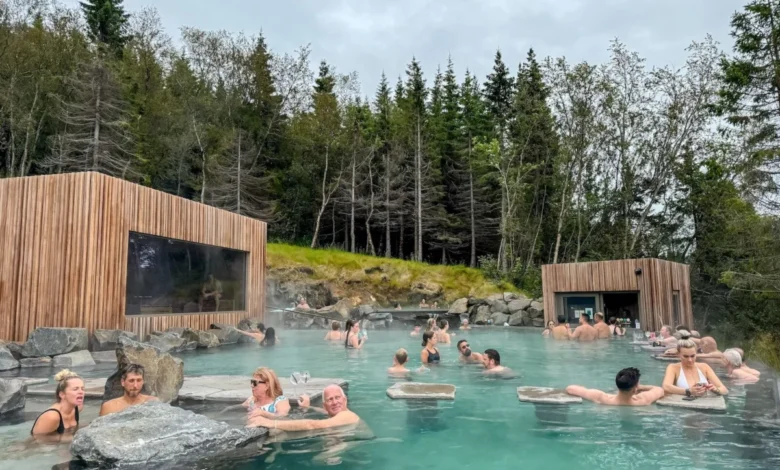
Public health officials in Iceland emphasize that the primary defense against bacteria in these pools is the individual responsibility of the patron. By requiring a full-body wash—using soap and water, sans swimsuit—the facilities significantly reduce the introduction of organic matter, oils, and bacteria into the shared geothermal water. This protocol is universal across the country, from the remote, naturally occurring hot springs of the Westfjords to modern luxury facilities like the Forest Lagoon in Akureyri or the Blue Lagoon near Reykjavík.
Historical Context and Social Evolution
The practice of communal bathing in Iceland dates back to the settlement era. Snorri Sturluson, the 13th-century historian and poet, famously maintained a geothermal pool, Snorralaug, which remains one of the oldest preserved sites of its kind. Historically, these pools served as the social heart of a community, functioning as an egalitarian space where neighbors would gather to discuss local politics, share news, and maintain personal hygiene during the harsh winter months.
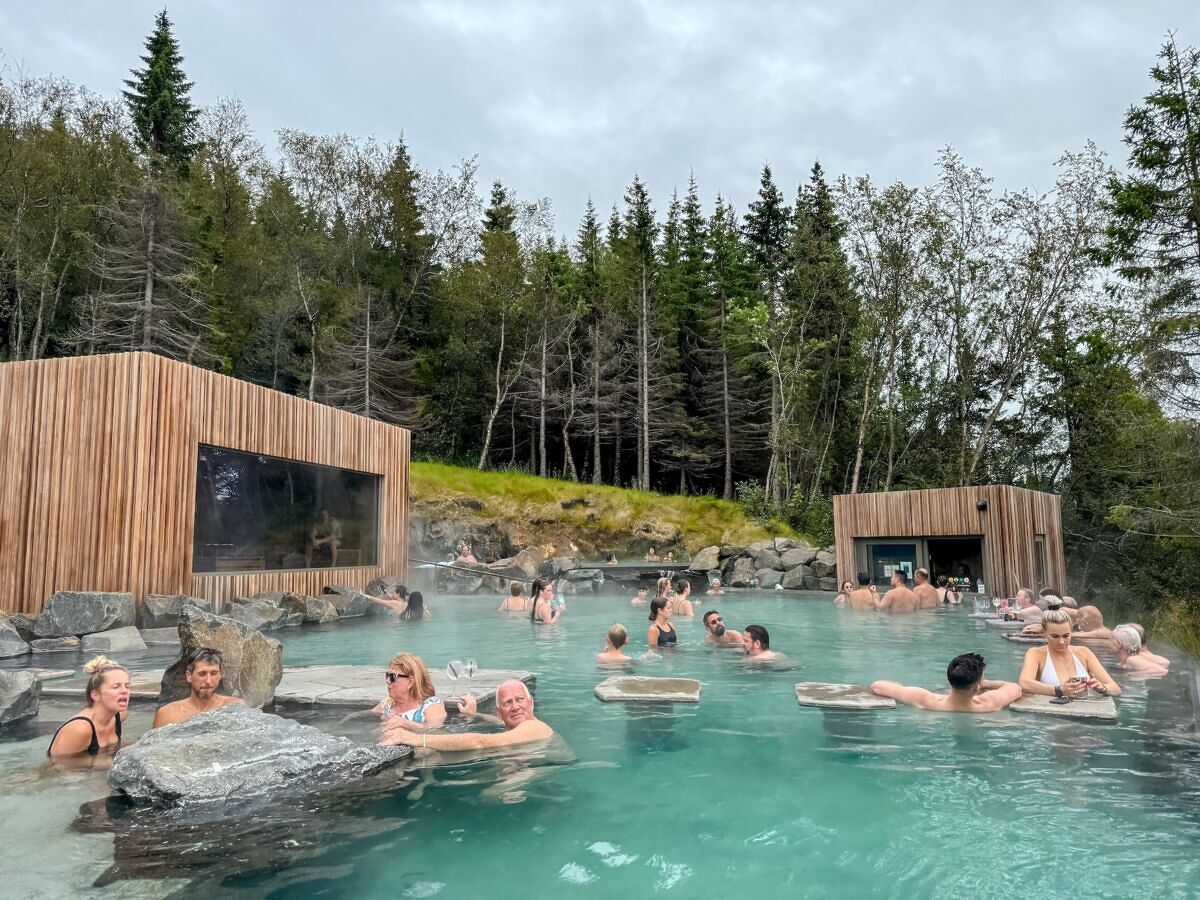
In contemporary Iceland, this tradition has evolved into a modern social pillar. The local municipal pool, or sundlaug, is where Icelanders of all ages, socioeconomic backgrounds, and body types congregate. This environment creates a culture of body neutrality. Because nudity is normalized from childhood, the focus shifts from aesthetic evaluation to communal well-being. Observations from local tourism boards and sociologists suggest that this exposure to diverse body types—ranging from the elderly to the developing adolescent—promotes a healthier psychological relationship with the human form, effectively deconstructing the hyper-filtered beauty standards prevalent in digital media.
Protocol for International Travelers
For many visitors arriving from cultures where body shame or hyper-privacy regarding the human form is common, the Icelandic shower experience can be jarring. The absence of privacy partitions in many communal locker room showers requires a shift in perspective.
The standard protocol involves the following steps:
- Entry and Undressing: Patrons remove all clothing in the locker room.
- The Mandatory Shower: Before donning swimwear, individuals must use soap to scrub the entire body, paying particular attention to areas where bacteria congregate.
- The Rinse: Ensuring all soap is removed before entering the geothermal pool area.
- Pool Etiquette: While swimwear is required in mixed-gender pools, the atmosphere remains focused on relaxation and socialization.
The emphasis on "thoroughness" in the shower area is often enforced by staff and other patrons, who view the health of the pool as a collective responsibility. It is not uncommon for visitors to receive gentle reminders from locals to ensure they have washed effectively, a practice intended to maintain public safety rather than to criticize the individual.
Addressing Aesthetic Anxiety and Modern Beauty Trends
A point of contention for many modern travelers involves hair removal and body grooming. In the context of the Icelandic bathing experience, these concerns are largely misplaced. Because the primary goal of the pre-swim ritual is hygiene rather than aesthetic presentation, the presence or absence of body hair is irrelevant to the experience.
Recent trends in personal care, such as at-home laser hair removal or frequent waxing, often leave the skin in a state of transition—sometimes described as "patchy" or shedding. Travelers often express anxiety regarding how these temporary cosmetic states will be perceived in a public setting. However, field reports from Icelandic tourism officials confirm that the communal bathing environment is characterized by a lack of judgment. The collective experience of nudity among peers—even in professional or business-travel settings—tends to foster a sense of vulnerability that breaks down social barriers, leading to increased rapport among the group.
Economic and Public Health Impact
The integration of geothermal spas into the daily life of Icelanders provides substantial benefits to the local economy and public mental health. According to data from local municipal councils, pool attendance remains consistent throughout the year, even during the coldest winter months, due to the therapeutic nature of the water and the social interaction it facilitates.
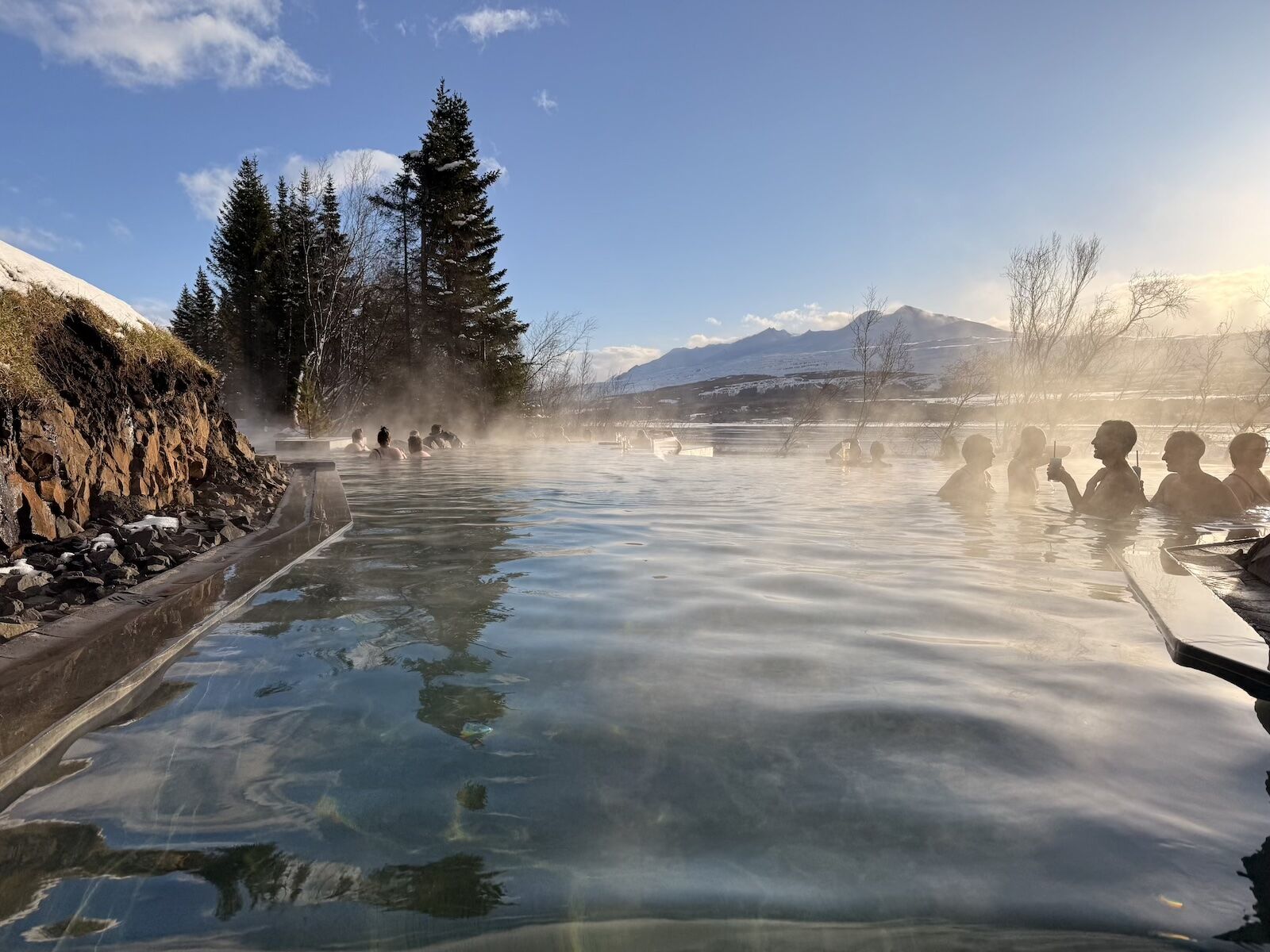
For the tourism sector, these facilities represent a significant revenue stream. However, the preservation of the "authentic" experience—which includes the nudity requirement—is critical. If facilities were to implement private shower stalls to accommodate the insecurities of international visitors, it would require significant architectural redesign and could potentially undermine the communal atmosphere that makes these spaces unique.
The Broader Societal Implications
The practice of communal bathing in Iceland serves as a mirror to the country’s broader social values, which prioritize transparency, health, and equality. By removing the barriers of clothing in a shared space, the society inherently levels the playing field.
For the international traveler, the experience offers more than just a dip in warm water. It provides an opportunity to participate in a centuries-old tradition that prioritizes the health of the community over the vanity of the individual. As visitors adapt to these customs, they often find that the initial anxiety regarding public nudity dissipates, replaced by a realization that the human body, in its natural state, is a standard feature of the Icelandic landscape.
Ultimately, the etiquette of the Icelandic hot spring is simple: hygiene is mandatory, privacy is secondary to public health, and the societal expectation is one of acceptance. Whether one chooses to groom or not is entirely a matter of personal preference, as the geothermal waters are indifferent to aesthetic trends. For those willing to embrace the discomfort of the initial transition, the reward is an authentic connection to a culture that values the human experience in its most honest and unfiltered form. As the country continues to navigate the balance between global tourism and local tradition, the mandate for clean, communal bathing remains the bedrock of Icelandic identity.