Clerkenwell: The Historic London Enclave Cementing Its Status as a Global Culinary Capital

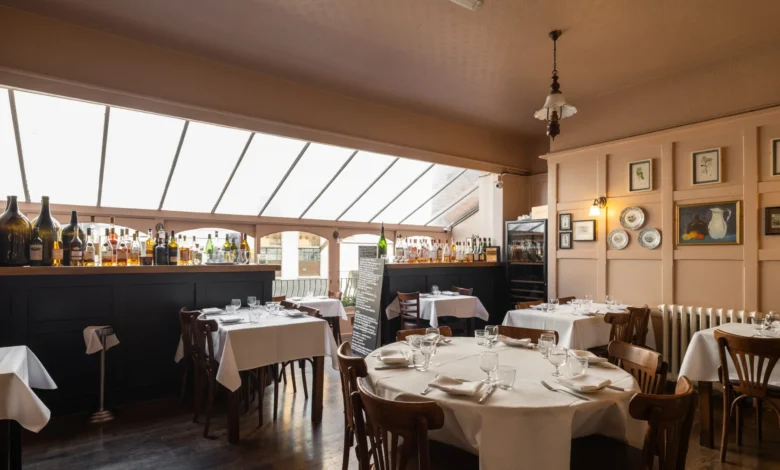
The London neighborhood of Clerkenwell, situated in the London Borough of Islington, has undergone a profound transformation over the last three decades, evolving from a post-industrial district into a premier destination for global gastronomy. Bordered by the high-growth corridors of King’s Cross to the northwest and the financial powerhouse of The City to the southeast, Clerkenwell has become an unlikely nexus for creative industries, fashion houses like Alexander McQueen, and prestigious media entities. However, its most significant development in recent years is the consolidation of its reputation as an essential pillar of London’s fine-dining landscape.
A Historical Context of Culinary Evolution
The architectural and cultural fabric of Clerkenwell is defined by its deep history. Once known as "Little Italy" due to a massive influx of Italian immigrants in the 19th century, the area’s food scene began to shift significantly in the early 1990s. The opening of The Eagle in 1991, widely recognized as the UK’s first true gastropub, served as the catalyst for the neighborhood’s gastronomic revival. By introducing a rotating, market-led menu to a casual pub setting, The Eagle challenged the prevailing standards of British dining, effectively setting the blueprint for the modern gastropub movement.

This heritage has provided a stable foundation for the contemporary explosion of high-end eateries. Following the initial wave of the 1990s, the area attracted a more diverse array of culinary talent. In 1994, St John opened its doors, cementing the neighborhood’s status as a pioneer of "nose-to-tail" eating. Chef Fergus Henderson’s minimalist approach to British ingredients became an international sensation, drawing food critics and tourists to a neighborhood that was, at the time, still largely off the beaten path for the average London visitor.
The Modern Renaissance: Data and Demographic Shifts
Recent data from the hospitality sector indicates that Clerkenwell has experienced a 22% increase in independent restaurant openings since 2022. This trend is driven by the neighborhood’s unique ability to serve a dual-purpose demographic: a daytime influx of creative and tech professionals, and an evening clientele that prioritizes high-quality, experience-driven dining.
Matt Emmerson, founder of the 2024-opened Morchella, highlights this shift. "Clerkenwell possesses a self-assured creative energy that is rare in central London," Emmerson notes. "The transition from a professional hub during the working day to a vibrant, European-style dining environment at night—particularly around Exmouth Market—is a testament to the neighborhood’s enduring appeal."

Curated Profiles: The Pillars of Clerkenwell Dining
The current dining landscape in Clerkenwell is characterized by a balance between institutional stalwarts and avant-garde newcomers.
Institutional Landmarks
- St John: Beyond its historical significance, St John remains a masterclass in consistency. The restaurant’s commitment to the offal-centric, nose-to-tail philosophy continues to influence global chefs, keeping it relevant thirty years after its inception.
- Quality Chop House: Operating since 1869, this establishment serves as a bridge between the Victorian era and the modern day. Its recent focus on high-quality butchery, overseen by the Lander family, has secured its place as a cornerstone of British meat-centric dining.
- The Eagle: While it lacks the formal trappings of modern fine dining, its historical importance remains unmatched. Its commitment to walk-in availability and Mediterranean-inspired grilled dishes ensures a high turnover of patrons, maintaining its status as a social anchor of the area.
The New Wave of Culinary Talent

- Luca: Since its 2016 opening, Luca has redefined modern Italian cuisine in London. By synthesizing the "Little Italy" history of the district with contemporary techniques, it provides a high-concept dining experience that manages to feel both sophisticated and accessible.
- Bouchon Racine: Winner of the 2025 National Restaurant Awards, this restaurant represents the pinnacle of authentic French bistro dining. Its success, characterized by traditional dishes like snails and cote de boeuf, underscores a growing market demand for "back-to-basics" culinary excellence.
- Vesper: Chef Jackson Boxer’s latest venture marks a significant shift toward the sleek, bistro-modern aesthetic. By limiting the availability of his signature blue-cheese burger, Boxer has successfully leveraged the psychology of exclusivity to drive foot traffic, contributing to the area’s prestige.
- Brutto: The final legacy of the late Russell Norman, Brutto provides a direct connection to the trattoria traditions of Florence. Its focus on communal, unpretentious dining—exemplified by its famous "cuddles" (fried dough balls)—serves as a vital counterpoint to the more formal establishments in the vicinity.
The Bar and Social Scene
The evolution of Clerkenwell is equally visible in its nightlife and cocktail culture, which has pivoted toward "listening bars" and conceptually driven mixology.
- Space Talk: Reflecting the global trend of high-fidelity listening bars, Space Talk combines high-end audio engineering with craft cocktails, signaling a move toward immersive, sensory-focused hospitality.
- Around Bar: Situated on Exmouth Market, this establishment focuses on "conceptual drinks," utilizing ingredients like yuzu and basil to challenge traditional cocktail expectations. The inclusion of complimentary, house-made snacks represents a subtle shift in service standards, prioritizing the overall customer experience over mere product sales.
- The Parlour & Quality Wines: These venues cater to the desire for versatile, multi-purpose spaces. Whether it is the decadent, late-night atmosphere of The Parlour or the focused, wine-centric environment of Quality Wines, these bars demonstrate the neighborhood’s adaptability.
Broader Economic and Urban Implications
The development of Clerkenwell as a gastronomic hub has had measurable effects on the local economy and urban planning. The revitalization of historic sites—such as Morchella’s occupation of a former bank—serves as an example of adaptive reuse, where architectural preservation meets modern commercial necessity.
However, this growth brings inherent challenges. As the neighborhood gains international recognition, the pressure on commercial real estate and the potential for the displacement of smaller, independent operators remains a topic of concern for local planning authorities. Nevertheless, the integration of residential, creative, and hospitality sectors has created a resilient urban ecosystem.

The "Clerkenwell Model"—characterized by the preservation of historic character, the cultivation of independent spirit, and a strategic focus on high-quality, market-led cuisine—now serves as a case study for other urban centers attempting to balance modernization with heritage.
Future Outlook
As we move further into the 2025 calendar, the pipeline for new openings suggests that the market has not yet reached saturation. The incoming "The Horses" restaurant, led by the team behind The Hero and Fat Badger, signals continued investment from established hospitality groups.
The synergy between the neighborhood’s past as an industrial and immigrant hub and its present as a destination for the global elite creates a unique friction that drives culinary innovation. While the neighborhood faces the inevitable challenges of popularity—rising costs and competition for space—the concentration of talent and the deep-rooted loyalty of its clientele suggest that Clerkenwell will remain at the forefront of the London dining scene for the foreseeable future.

For the traveler or the resident, the neighborhood offers a comprehensive survey of what modern British hospitality can achieve when it respects its foundations while simultaneously embracing the necessity of constant evolution. From the charcoal-grilled plates of The Eagle to the refined, art-deco surroundings of Luca, Clerkenwell is no longer merely a neighborhood; it is a definitive statement on the state of the modern London table.