Beyond the Shore: Uncovering the Diverse Cultural and Recreational Landscape of St. Maarten and St. Martin


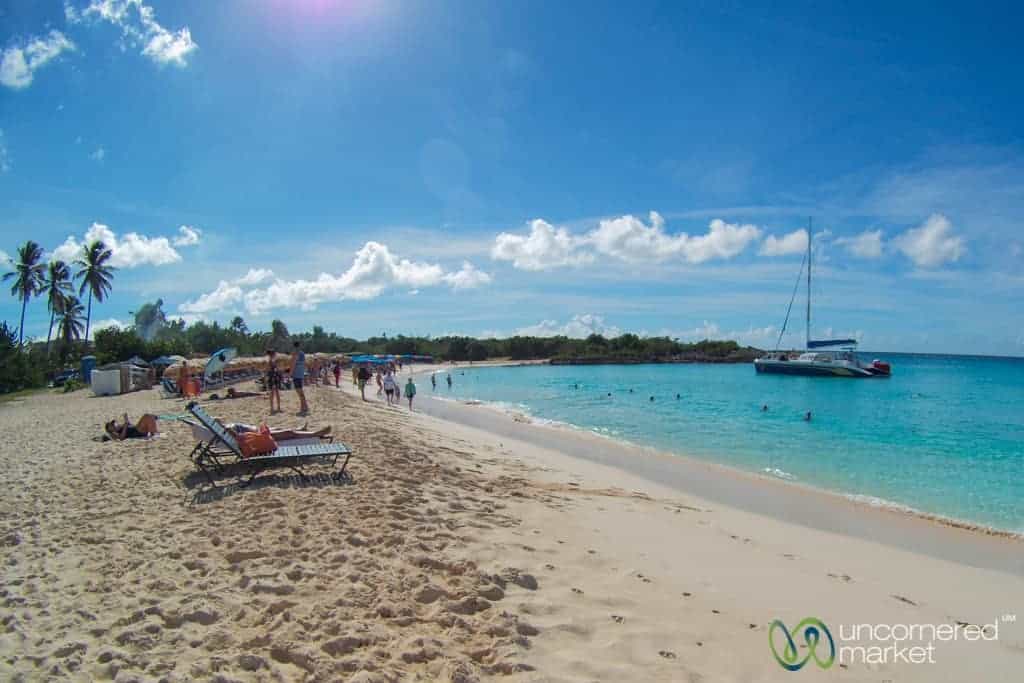
While the island of St. Maarten and St. Martin is globally recognized for its pristine white-sand beaches and turquoise Caribbean waters, a comprehensive analysis of the territory reveals a complex, multi-faceted destination that extends far beyond coastal tourism. Divided for over 350 years between the Dutch (St. Maarten) and the French (St. Martin), the 34-square-mile island serves as a unique case study in colonial history, geopolitical dualism, and modern tourism development. With a local population of approximately 80,000 residents and an annual influx of roughly 3.7 million visitors—many arriving via cruise ships—the island offers a range of experiences that balance high-traffic tourism with rugged, off-the-beaten-path exploration.

Historical Context and Geopolitical Structure
The dual-governance model of the island originated in 1648 with the Treaty of Concordia. This agreement partitioned the land, creating a geopolitical anomaly that persists today. St. Maarten, the southern portion, functions as an autonomous country within the Kingdom of the Netherlands. Conversely, the northern territory of St. Martin operates as a Collectivity of France, meaning it is an integral part of the European Union.

This administrative split has resulted in distinct architectural, culinary, and social infrastructures. Travelers often observe that the Dutch side, centered around the hub of Philipsburg and the Princess Juliana International Airport (SXM), reflects a more Americanized, commercialized atmosphere. In contrast, the French side, governed by EU regulations, maintains stricter building codes and a cultural framework heavily influenced by metropolitan France, particularly in the gastronomic hub of Grand Case.

Chronology of Development and Resilience
The island’s modern development has been punctuated by significant environmental challenges. The most notable in recent decades was Hurricane Luis in 1995, which leveled approximately 90% of the island’s infrastructure. The subsequent rebuilding phase prioritized large-scale tourism, which has driven the economy for the last three decades. However, the legacy of the 17th-century colonial struggle remains embedded in the landscape. Sites such as the 17th-century Fort Amsterdam serve as critical reminders of the strategic naval battles between the Spanish, Dutch, and French empires—a history that continues to shape the island’s contemporary identity.
Strategic Infrastructure and Economic Data
The island’s economy is fundamentally tied to the aviation and maritime sectors. Princess Juliana International Airport (SXM) is one of the busiest in the Caribbean, famous for its proximity to Maho Bay, where aircraft approach the runway at an extremely low altitude. This phenomenon has unintentionally transformed the beach into a major tourist attraction, providing a unique data point on how public infrastructure can dictate local tourism patterns.

For visitors looking to move beyond the primary tourist corridors, the island offers extensive opportunities for ecological and adventure-based tourism. These include:

Maritime and Nautical Adventures: The 12-Metre Challenge, which utilizes vessels from the 1987 America’s Cup, represents the island’s deep-rooted sailing culture. These competitive sailing events provide a high-adrenaline alternative to static beach activities. Additionally, the proliferation of "Rhino" boat tours—specialized, non-tippable watercraft—allows for coastal exploration without the traditional risks associated with jet-skiing.

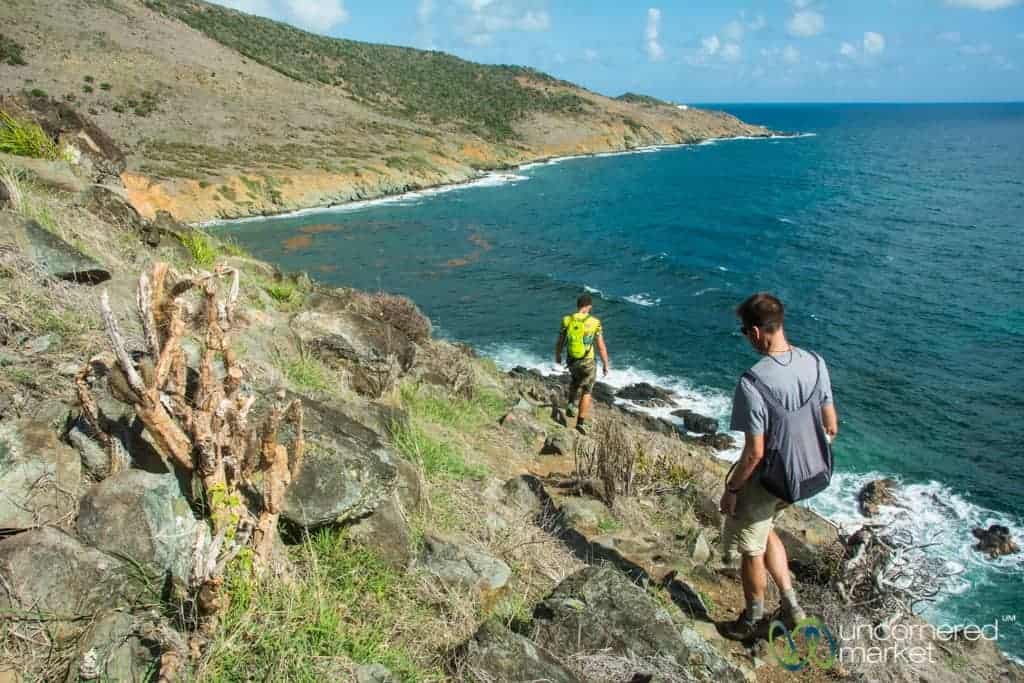
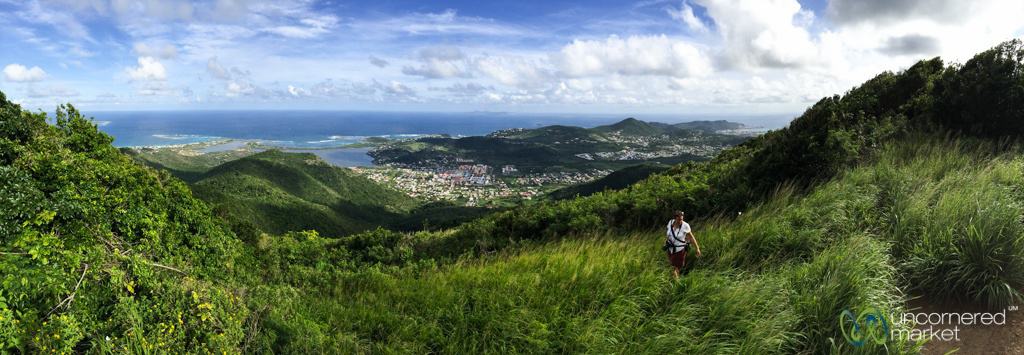
Terrestrial and Hiking Excursions: The Guana Bay to Pointe Blanche trail and the Sentier des Froussards on the northern coast offer insight into the island’s undeveloped topography. These regions are managed with an emphasis on preserving the rugged, windswept landscapes that existed before the massive tourism expansion.

Biodiversity and Marine Conservation: The proximity to the island of Saba—a Dutch special municipality—provides access to some of the Caribbean’s most protected coral reefs. Dive tourism here is strictly regulated, emphasizing the conservation of sea turtle populations and diverse fish species, serving as a contrast to the high-density tourism found on the main island.
Culinary and Cultural Synthesis

The culinary landscape reflects the island’s diverse population. The French side features traditional European fine dining, while the Dutch side showcases a fusion of Caribbean, North American, and international influences. Locally-owned establishments, such as the rum distilleries and long-standing food stands in Simpson Bay, highlight the resilience of local entrepreneurs. Statements from local business owners, such as those operating in the wake of the 2017 hurricane season, emphasize a push for authenticity. These small-scale businesses often act as cultural anchors, providing a direct connection between visitors and the long-term inhabitants who have navigated the island’s shifting economic tides.
Broader Impact and Implications for Tourism

The coexistence of two different legal and social systems on one small island presents both challenges and advantages. The lack of formal border controls facilitates a seamless experience for the 3.7 million annual visitors, yet it requires significant inter-governmental cooperation regarding customs, public safety, and infrastructure maintenance.

For travelers, the implications are clear: the "two-country" status allows for a diverse itinerary. One can spend the morning in a French-governed village sampling pastries and the afternoon in a Dutch-governed commercial zone or on a remote, protected trail. This fluidity is the island’s primary competitive advantage in the Caribbean market.

Strategic Planning for the Modern Traveler

Effective navigation of the island requires an understanding of its logistical constraints. While rental cars provide the most freedom, local traffic patterns—particularly during peak tourist hours—often necessitate careful planning. Furthermore, the currency landscape is unique; while the official currencies are the Euro and the Netherlands Antillean Florin, the US Dollar is the de facto standard for all commercial transactions across both sides of the island.

Data-driven travel planning is increasingly essential. With the rise of digital integration in tourism, platforms that provide real-time updates on flight arrivals, cruise ship schedules, and entry requirements have become vital for managing the, at times, overwhelming volume of traffic in key zones like Philipsburg and Maho Bay.

Conclusion

St. Maarten and St. Martin remain a testament to the complexities of Caribbean development. While the allure of the beach is the primary catalyst for visitation, the true value of the destination lies in its dual-cultural heritage, its resilient local history, and the rugged, natural beauty that exists just beyond the main resorts. By diversifying their activities—from historical bicycle tours in Philipsburg to scuba diving in the protected waters of Saba—visitors can gain a more accurate and nuanced understanding of this uniquely partitioned island. As the territory continues to evolve, its ability to preserve its historical sites while accommodating millions of international visitors will remain the definitive metric of its long-term success.