Generations on the Move: How an 86-Year-Old Mother and Her Daughter Redefined Multigenerational Travel Through a UK Odyssey

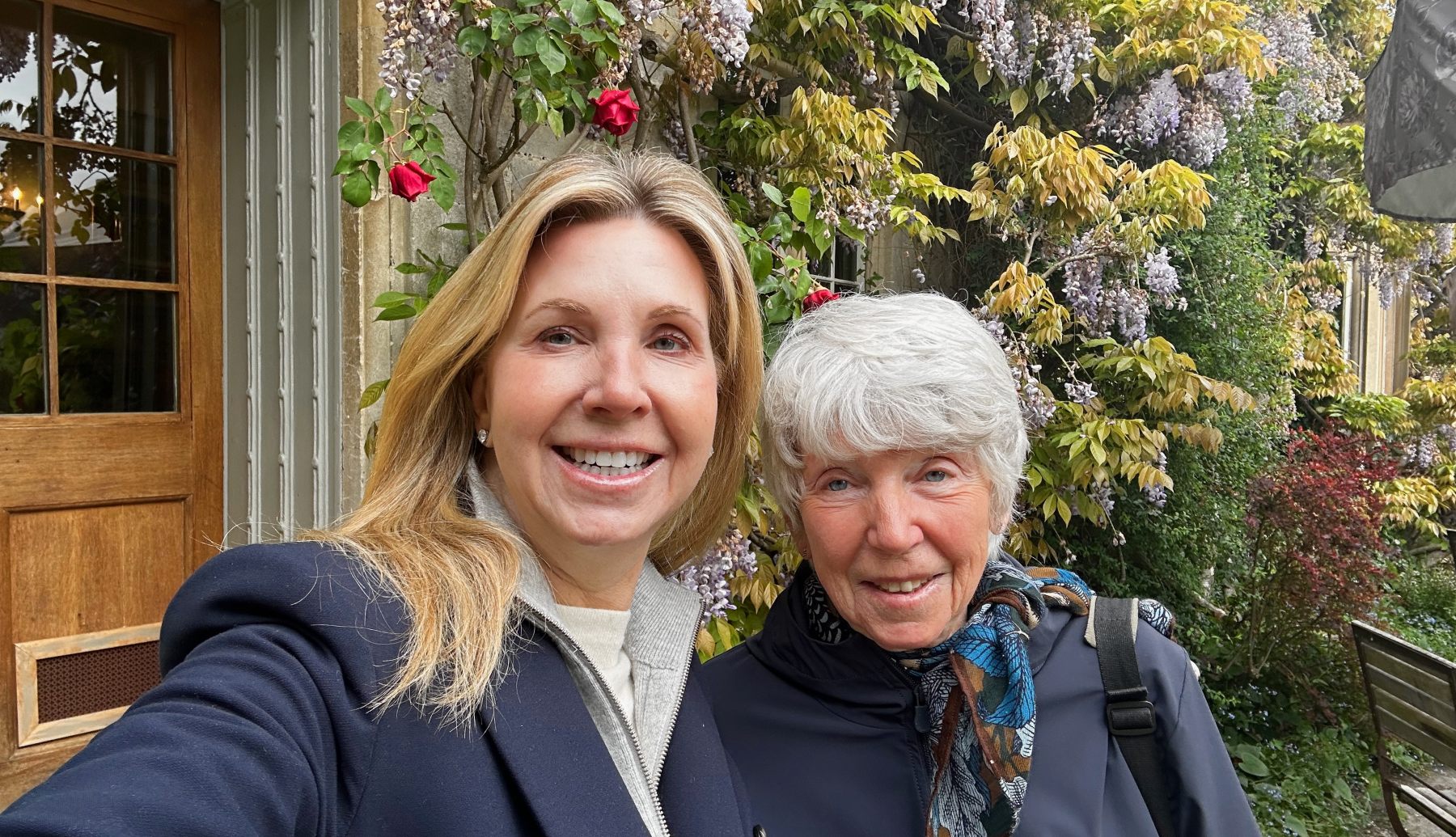
The modern landscape of family travel has undergone a profound structural shift over the past decade, evolving from traditional nuclear-family beach vacations to complex, experiential journeys that span multiple adult generations. This evolution reflects broader demographic trends: as global life expectancy rises and older adults maintain higher levels of physical and cognitive vitality well into their later decades, the travel and tourism industry has witnessed a significant surge in demand for multi-generational and senior-inclusive itineraries. A compelling case study in this growing tourism sector is the recent United Kingdom expedition undertaken by Becky O’Grady and her 86-year-old mother, Jackie Castle. Planned meticulously by Ciao Bambino Senior Travel Advisor Susan Robinson, the eight-day trip demonstrated how bespoke travel curation can accommodate advanced age without sacrificing intellectual engagement, physical mobility, or emotional connection.
An Itinerary Rooted in History, Family, and Mobility
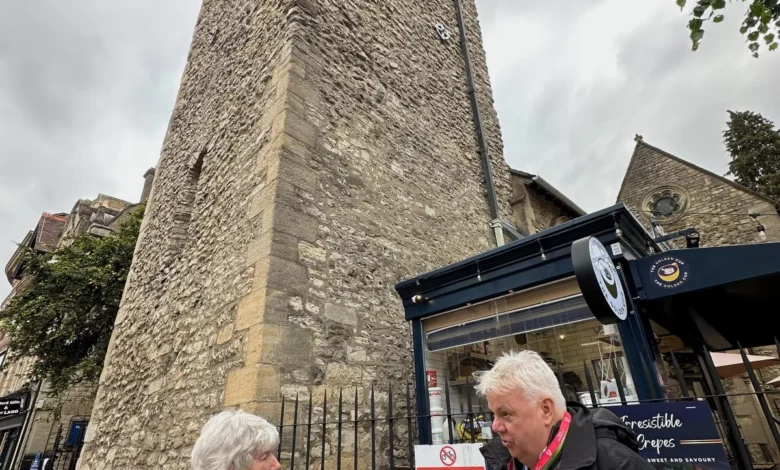
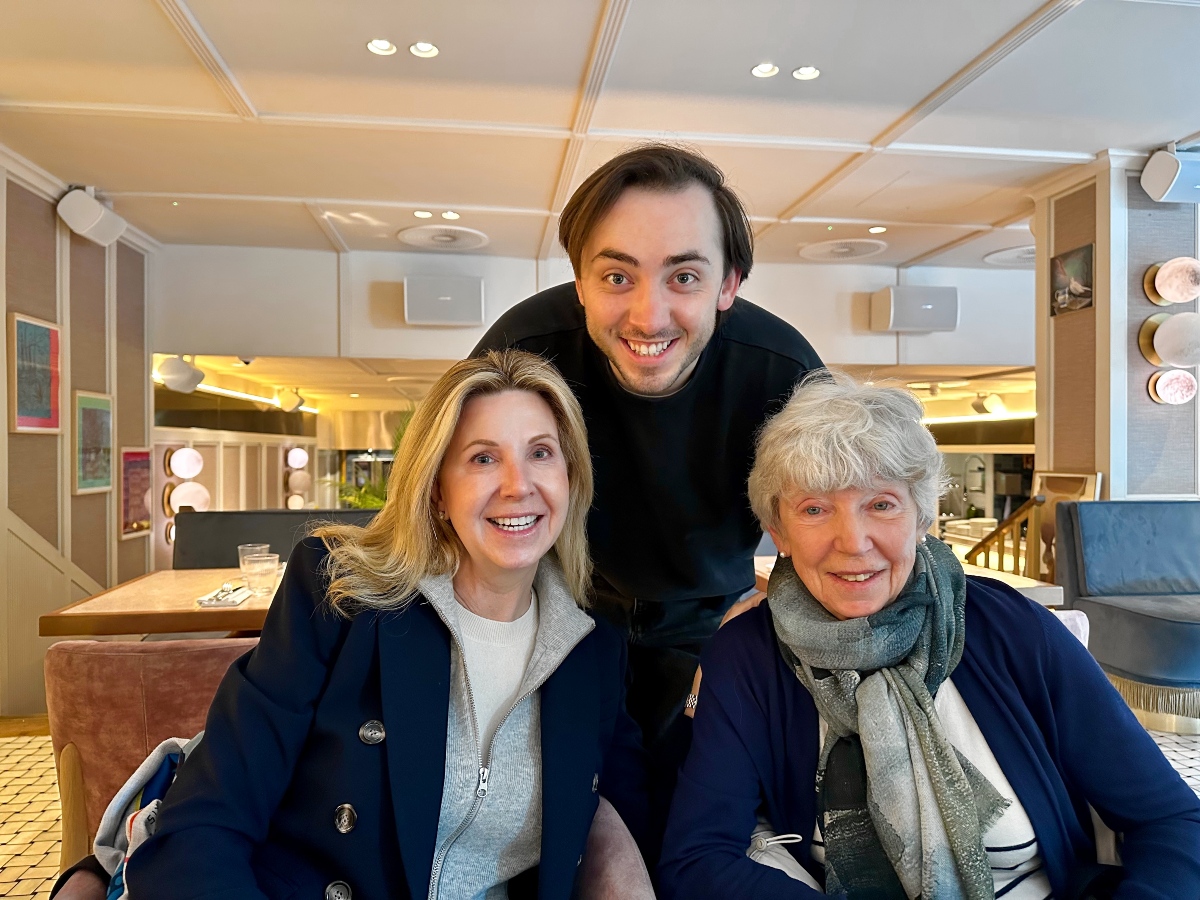
The logistics of executing an international trip with an octogenarian require a sophisticated approach to pacing, transportation, and accommodation. For O’Grady and Castle, the journey began in London, serving as both a cultural anchor and a family reunion point to visit O’Grady’s son, who lives and works in the British capital. From London, the duo executed a carefully orchestrated transition by train to the historic city of Bath, where they secured a rental vehicle to navigate the rural and picturesque expanses of the Cotswolds before concluding their loop through Oxford and back to London.
Navigating the ancient, uneven cobblestone streets of historic English towns presents inherent physical challenges for travelers of any age, let alone those in their late eighties. However, the strategic integration of a rental vehicle—once O’Grady adapted to driving on the left-hand side of the road—provided the crucial flexibility needed to manage fatigue and adjust daily schedules organically. Rather than adhering to a rigid, high-tempo tourist checklist, the travelers adopted a deliberate “less is more” philosophy. Each day was anchored around a single primary cultural or historical outing, leaving the remainder of the schedule open to spontaneity. This flexible pacing allowed them to visit landmark sites such as the historic Cotswolds home of textile designer and writer William Morris, as well as Highgrove, the private residence of King Charles III, while still reserving energy for evening surprises, such as attending a performance of the musical Hamilton in London’s West End.
Demographic Context and the Rise of Senior-Inclusive Travel
The O’Grady-Castle expedition sits at the intersection of several notable shifts in the travel and demographic sectors. According to data from tourism boards and travel industry analysts, multi-generational travel—defined as trips involving three or more generations—now accounts for a substantial share of the luxury and custom-tour market. Furthermore, the demographic profile of the modern senior traveler is distinct from past generations. Bolstered by better healthcare, active lifestyles, and a cultural emphasis on lifelong learning, travelers over the age of 80 are increasingly seeking intellectually stimulating, immersive itineraries rather than passive, resort-based holidays.
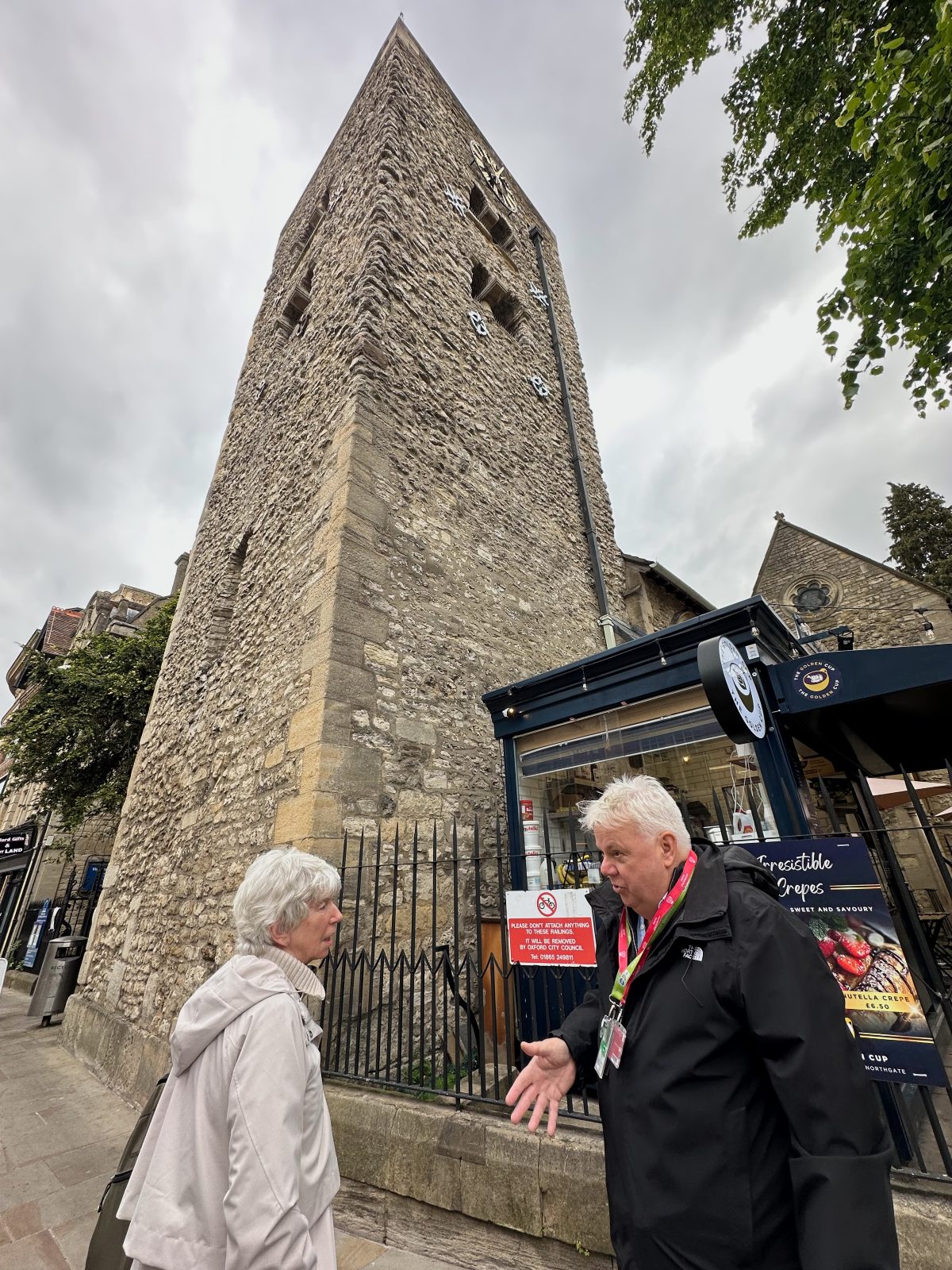
Castle herself exemplifies this demographic profile. Maintaining a rigorous daily wellness routine that includes swimming and yoga, she approached the journey with high physical stamina and deep intellectual curiosity. Holding a PhD in English and maintaining an active regimen of reading history and biographies, Castle’s engagement with the trip’s cultural offerings went beyond mere observation. Throughout their guided tours, her deep historical knowledge led to moments of lighthearted fact-checking with local guides, underscoring the reality that cognitive engagement remains a vital component of travel satisfaction for older adults.
The Emotional Architecture of Intergenerational Bonding
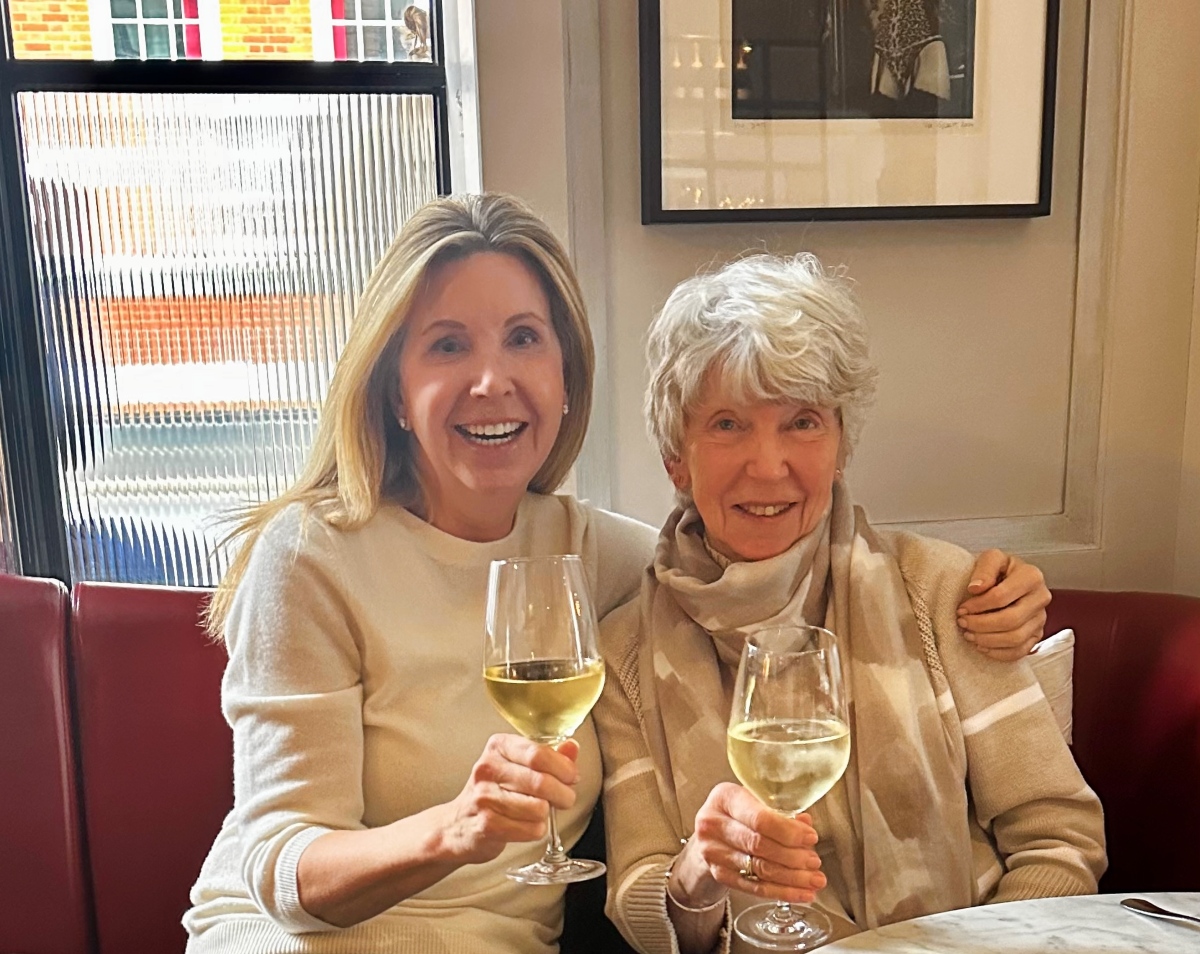
Beyond logistics and sightseeing, the primary dividend of the eight-day UK journey was emotional. In modern family dynamics, adult children frequently navigate the competing demands of full-time careers, raising their own children, and managing the distant care of aging parents. These obligations often reduce communication to brief weekly phone calls or hurried holiday visits.
By spending eight consecutive days as travel companions, O’Grady and Castle experienced a rare, extended period of uninterrupted one-on-one time. O’Grady noted that she had not spent such concentrated, daily time with her mother since her own high school years. This extended proximity fostered deep conversations concerning the later chapters of life, community building, and family history—topics that rarely surface during routine check-ins.
At the same time, the trip highlighted a subtle yet significant shift in family roles: the emergence of a care-coordination dynamic akin to traveling with young children. O’Grady noted that she felt a heightened sense of responsibility for her mother’s physical safety, hydration, comfort, and rest periods. This dual experience—honoring an independent, vibrant mother while simultaneously stepping into a protective logistical role—provided a nuanced lens through which to view the aging process.
The Broader Economic and Logistical Implications for Travel Planning
The logistics of coordinating travel across three generations present unique challenges, particularly when professional schedules, limited vacation days, and varying physical capacities must be harmonized. Unlike families bound strictly by academic calendars, O’Grady and her mother—both of whom maintained careers well into their later working years—leveraged their schedule flexibility to target the shoulder season. By selecting a spring departure coinciding with Mother’s Day rather than the congested, high-temperature peak of the European summer, they avoided the heaviest tourist crowds while enjoying a milder, albeit crisp, climate.
Industry experts emphasize that as the population ages, the demand for specialized travel advisory services will continue to expand. Custom itinerary planning, which accounts for accessibility needs, private guiding, and vetted accommodations, transforms potentially stressful international travel into a seamless experience. For O’Grady, relying on an established advisor like Susan Robinson provided an essential layer of reassurance, eliminating the friction of independent planning and unlocking access to unique local experiences that standard guidebooks frequently overlook.
Implications for the Future of Family Travel
The success of the O’Grady-Castle journey offers broader implications for how families conceptualize bonding across the lifespan. As O’Grady observed, witnessing her mother’s disciplined approach to daily wellness and intentional community engagement served as a powerful masterclass in successful aging. It reframed aging not merely as a decline in capacity, but as a distinct life stage defined by intentional choices, curiosity, and active connection.
Furthermore, the experience has shaped O’Grady’s perspective on her own role as a parent guiding young adult children. Maintaining a family travel tradition requires deliberate adaptation as children transition into the workforce with limited vacation time. However, the enduring appeal of well-curated, meaningful destinations demonstrates that when travel is executed with purpose, younger generations will continue to prioritize these shared experiences.
Ultimately, the journey across England, Bath, the Cotswolds, and Oxford stands as a testament to the enduring power of exploration. By prioritizing shared presence over passive observation, O’Grady and Castle not only checked off a series of historic milestones but also reinforced the foundational ties that bind families across decades, proving that curiosity and adventure possess no expiration date.