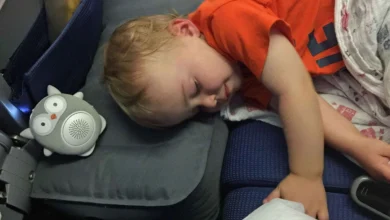
The Comprehensive Guide to Fly Tot Inflatable Airplane Cushions and Toddler Air Travel Solutions

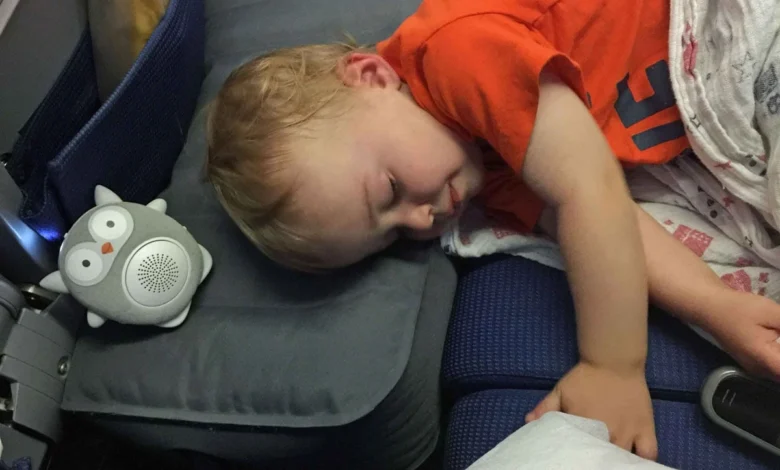
Traveling with a toddler on long-haul flights is widely considered one of the most demanding experiences for parents. The combination of confined seating, extended periods of inactivity, and the physiological needs of a developing child often leads to significant stress for families and fellow passengers alike. To mitigate these challenges, the aviation accessory market has seen a rise in specialized equipment, most notably the Fly Tot, an inflatable cushion designed to extend the usable surface area of an economy-class seat.

The Evolution of the Inflatable Airplane Bed
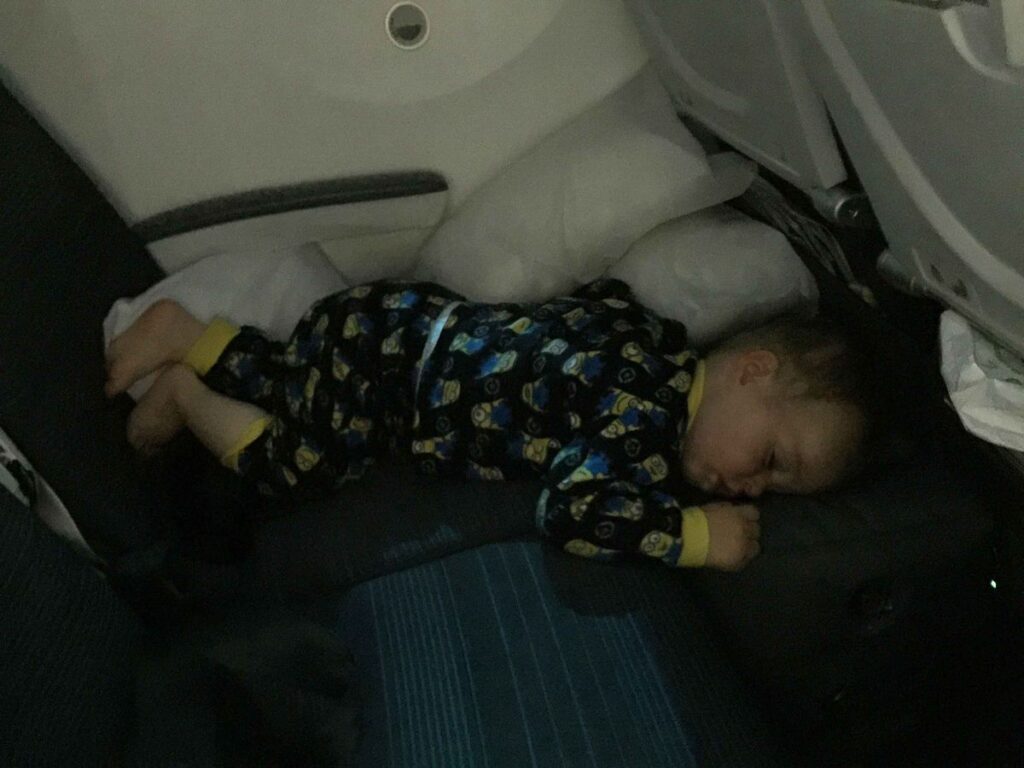
The concept of an inflatable seat extender, such as the Fly Tot, is rooted in the desire to transform a standard, narrow economy seat into a more supportive environment for children. Originally conceived to bridge the gap between the passenger seat and the one in front, these devices create a flat platform, allowing children to lie horizontally or stretch their legs, which can be critical for sleep during overnight red-eye flights.
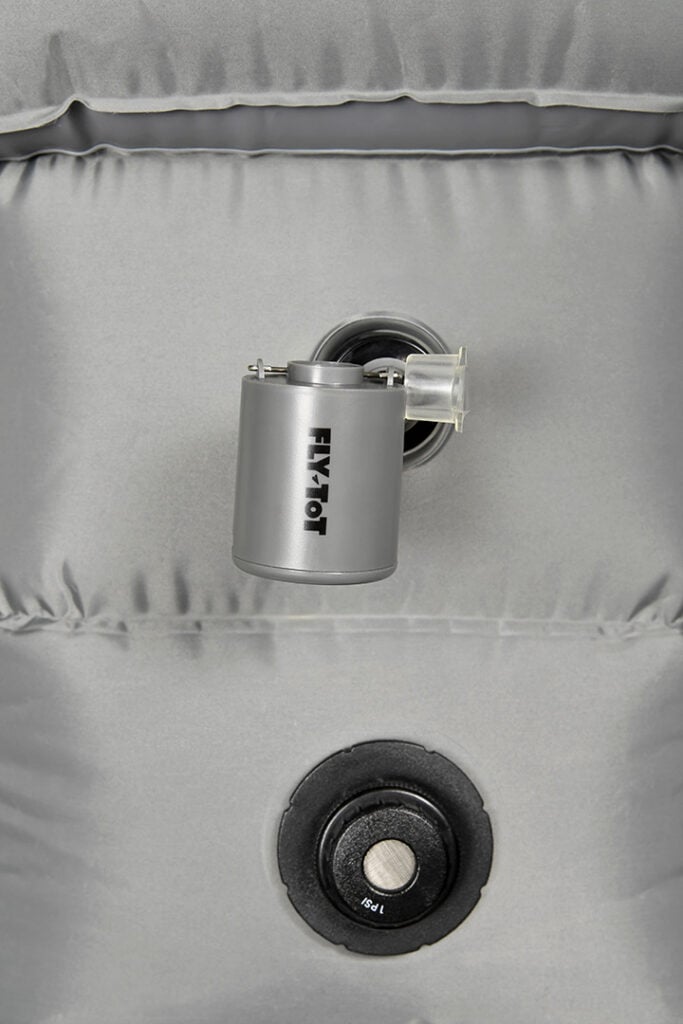
The product has undergone a significant transformation since its inception. While early iterations—such as the Original Fly Tot—focused on basic inflation to fill legroom, the modern iteration, known as the Fly Tot Plus, incorporates technical upgrades requested by frequent flyers. These include a dual-width design to accommodate varying seat pitches, an automated emergency pressure-release valve, and a more streamlined, single-valve inflation system. Perhaps the most notable shift in the consumer experience is the inclusion of a compact, rechargeable electric pump, replacing the bulky manual bellows that previously occupied significant space in carry-on luggage.

Chronology and Regulatory Landscape
The adoption of inflatable travel beds by families gained momentum approximately a decade ago. Initially, the travel industry lacked standardized protocols regarding these accessories, leaving individual cabin crews to determine whether a device could be deployed. As usage grew, airline policies began to solidify, though not in a uniform manner.
Currently, the regulatory environment is fragmented. Major international carriers often have distinct internal policies regarding seat extenders, leg rests, and inflatable cushions. Many airlines permit their use only in window seats or middle seats in a center block, ensuring that the device does not impede access to aisles for other passengers or emergency egress routes. Crucially, almost all carriers mandate that these items be stowed during critical phases of flight, including takeoff, landing, and during periods of moderate-to-severe turbulence when the seatbelt sign is illuminated.
Data-Driven Considerations for Parents
For families considering an investment in such equipment, it is necessary to weigh the practical benefits against the logistical requirements. Manufacturers typically designate the Fly Tot Plus for children between the ages of 2 and 8. Using such a device for a child under 2 years of age—who is typically classified as a "lap infant"—is generally discouraged or prohibited due to safety standards regarding child restraint systems (CRS) and the physical positioning of the child during flight.
From a behavioral perspective, the primary advantage is the potential for improved sleep quality. Data from longitudinal travel experiences suggests that when a child can assume a reclined or horizontal position, the likelihood of prolonged, restful sleep increases significantly. This, in turn, reduces the incidence of mid-flight agitation, which is frequently caused by overtiredness in young travelers.

Technical Improvements and Safety Features
The industry has responded to initial safety concerns by introducing more robust engineering. The inclusion of an automatic pressure-release valve is a direct response to concerns about cabin pressure fluctuations. In the event of a sudden decompression, this safety feature ensures that the cushion does not become an obstruction or a pressure hazard.
Furthermore, the shift toward a tapered design addresses one of the primary complaints from cabin crew members: the blocking of under-seat storage areas. Many aircraft are equipped with life vests or in-flight entertainment hardware under the seats. A non-tapered or improperly sized cushion can block access to these essential items. The current design of the Fly Tot Plus attempts to minimize this footprint, aligning with the stringent safety requirements enforced by aviation authorities.

Analysis of Airline Policies and Compliance
The decision to bring an inflatable bed on board remains a calculated risk. Aviation safety management systems (SMS) prioritize the "clear floor" policy during emergencies. If a passenger is instructed by cabin crew to deflate or remove the device, they must comply immediately. Resistance to these instructions can result in the device being confiscated or, in extreme cases, the passenger being flagged for non-compliance.
It is recommended that families perform due diligence prior to travel:

- Direct Inquiry: Contact the specific airline’s customer service department to inquire about their policy on "inflatable seat extenders" rather than using brand names, which might not be recognized.
- Review Carriage Rules: Check the airline’s website under the "Traveling with Children" or "Prohibited Items" sections.
- Seating Selection: Book window or middle-section seats to ensure the device is not blocking an aisle, which is a common ground for rejection by flight attendants.
Practical Tips for Long-Haul Success
For parents who decide to utilize a Fly Tot or similar device, preparation is paramount. Experts advise "dry-running" the setup at home to familiarize oneself with the pump and valve mechanisms. This minimizes the time spent in the cramped economy aisle during the boarding process.
Additionally, timing is essential. The device should only be deployed once the aircraft has reached cruising altitude and the seatbelt sign has been switched off. Attempting to inflate the device during the initial boarding phase is a frequent cause of conflict with flight attendants, as it creates clutter in an already restricted space.
The Broader Impact on Family Travel
The emergence of products like the Fly Tot represents a broader trend in the travel industry: the professionalization of family travel. As millennials and Gen Z parents continue to prioritize international travel with young children, there is an increasing demand for products that bridge the gap between standard passenger amenities and the specific physiological needs of toddlers.
While the cost of these devices can be seen as an investment, for families that engage in multiple long-haul trips annually, the value proposition is measured in parental relief and improved child regulation. However, it is essential to acknowledge that no travel accessory is a panacea. The temperament of the child, the duration of the flight, and the overall atmosphere of the cabin remain the primary variables in a successful travel experience.

Conclusion and Future Outlook
As aviation safety regulations continue to evolve, it is likely that airlines will either move toward a universal acceptance of verified inflatable bed products or a total prohibition. For the time being, the onus remains on the traveler to ensure compliance with the specific rules of the carrier they are flying.
The Fly Tot, through its transition from a grassroots, parent-invented tool to a more engineered and safety-conscious product, illustrates the ongoing refinement of travel equipment. For the prepared parent, these tools provide a tangible mechanism to increase comfort and potentially transform the ordeal of long-distance air travel into a manageable, and perhaps even restful, journey for the entire family. As always, the best approach for any family traveler is to remain informed, prepared, and ready to adapt to the requirements of the cabin crew, whose primary responsibility remains the safety and comfort of all passengers on board.