Before embarking on the profoundly authentic experience of a public hammam in Morocco, a preparatory journey through the bustling local markets is essential. Unlike many modern spa facilities, traditional hammams operate on a "bring your own" principle for cleansing products, reflecting a long-standing cultural practice of personal preparation and individual choice. This pre-hammam shopping expedition is not merely a task but an integral part of the ritual itself, offering an immersive dive into the local economy and traditional Moroccan commerce. Most of the necessary items, steeped in centuries of use, can be procured from the small, vibrant corner shops and specialized souks nestled within the ancient medinas of Morocco’s major cities. While many products are conveniently available in single-use sachets or small packages, travelers are strongly encouraged to consider purchasing in bulk whenever feasible. This mindful approach not only provides better value but also significantly contributes to reducing plastic waste, aligning with growing global environmental consciousness and supporting sustainable local practices.
The hammam, an ancient tradition deeply embedded in Moroccan society, transcends a mere bathing facility; it is a social institution, a place of purification, relaxation, and community gathering. Its origins trace back to Roman baths, evolving through Ottoman influences to become a cornerstone of daily life in the Maghreb. Historically, hammams served as public sanitation centers in cities where private plumbing was scarce, but they quickly developed into vital communal spaces where people of all social strata could cleanse, socialize, and unwind. The experience is both physically invigorating and spiritually soothing, a ritual that cleanses the body while calming the mind. Public hammams are typically segregated by gender or have specific operating hours for men and women, ensuring comfort and adherence to cultural norms. Understanding this rich context enriches the entire preparation and participation process.
The Essential Pre-Hammam Shopping Expedition
The expedition for hammam supplies is a sensory adventure in itself. Winding through the labyrinthine alleyways of a Moroccan medina, one encounters the aromatic allure of spices, the vibrant hues of textiles, and the rhythmic sounds of daily life. Traditional vendors, often specializing in specific categories like spices, natural remedies, or artisanal crafts, offer an array of products that have been used in hammams for generations. These shops are treasure troves of natural beauty aids, many of which are integral to the authentic hammam experience.
Unpacking the Hammam Toolkit: A Guide to Traditional Products
To fully embrace the authentic hammam ritual, assembling a personal kit of traditional Moroccan cleansing and exfoliating products is key. The following items form the core of this toolkit:
Savon Beldi: The Foundation of Moroccan Cleanse
At the heart of the Moroccan hammam experience lies savon beldi, or black soap. This extraordinary natural cleanser is a paste-like soap made primarily from black olives, olive oil, and often infused with eucalyptus oil for its invigorating aroma and therapeutic properties. Unlike conventional soaps, savon beldi does not lather extensively; instead, it creates a rich, emollient texture that, when applied to warm, damp skin, works to soften and prepare it for exfoliation. Its high vitamin E content makes it deeply nourishing, leaving the skin feeling supple and moisturized.
Historically, savon beldi has been a staple in Moroccan households for centuries. Its traditional production methods, often involving small-batch processes, highlight a commitment to natural ingredients and age-old practices. When shopping for savon beldi, look for options sold in bulk at spice shops (attarine) or specialized natural product stores within the medina. These often come in large tubs, allowing customers to purchase the desired quantity, which is more economical and environmentally friendly than pre-packaged single-use options. The rich, earthy scent of olive oil and the subtle hint of eucalyptus are tell-tale signs of its authenticity.
The Kessa Glove: The Art of Exfoliation
Following the application of savon beldi, the crucial step of exfoliation is performed with a kessa glove. This rough-textured mitt, typically made from crepe fabric, is indispensable for sloughing off dead skin cells and impurities. After the black soap has softened the skin for several minutes, the kessa is used in vigorous, circular motions to reveal incredibly smooth and radiant skin beneath. The effectiveness of the kessa glove, combined with the softening action of savon beldi, results in a deep cleanse and exfoliation that is unparalleled by most Western bathing practices.
Kessa gloves come in various textures, from moderately coarse to intensely abrasive. First-time hammam visitors might opt for a softer texture, while seasoned bathers often prefer a more robust glove for a deeper scrub. These gloves are readily available in the same shops selling black soap and other hammam essentials. Their simple design belies their powerful efficacy in promoting skin renewal and improving circulation. The visual of skin literally rolling off during exfoliation is a testament to the effectiveness of this traditional tool, providing a profound sense of cleanliness and rejuvenation.
Ghassoul Clay: Morocco’s Mineral-Rich Secret

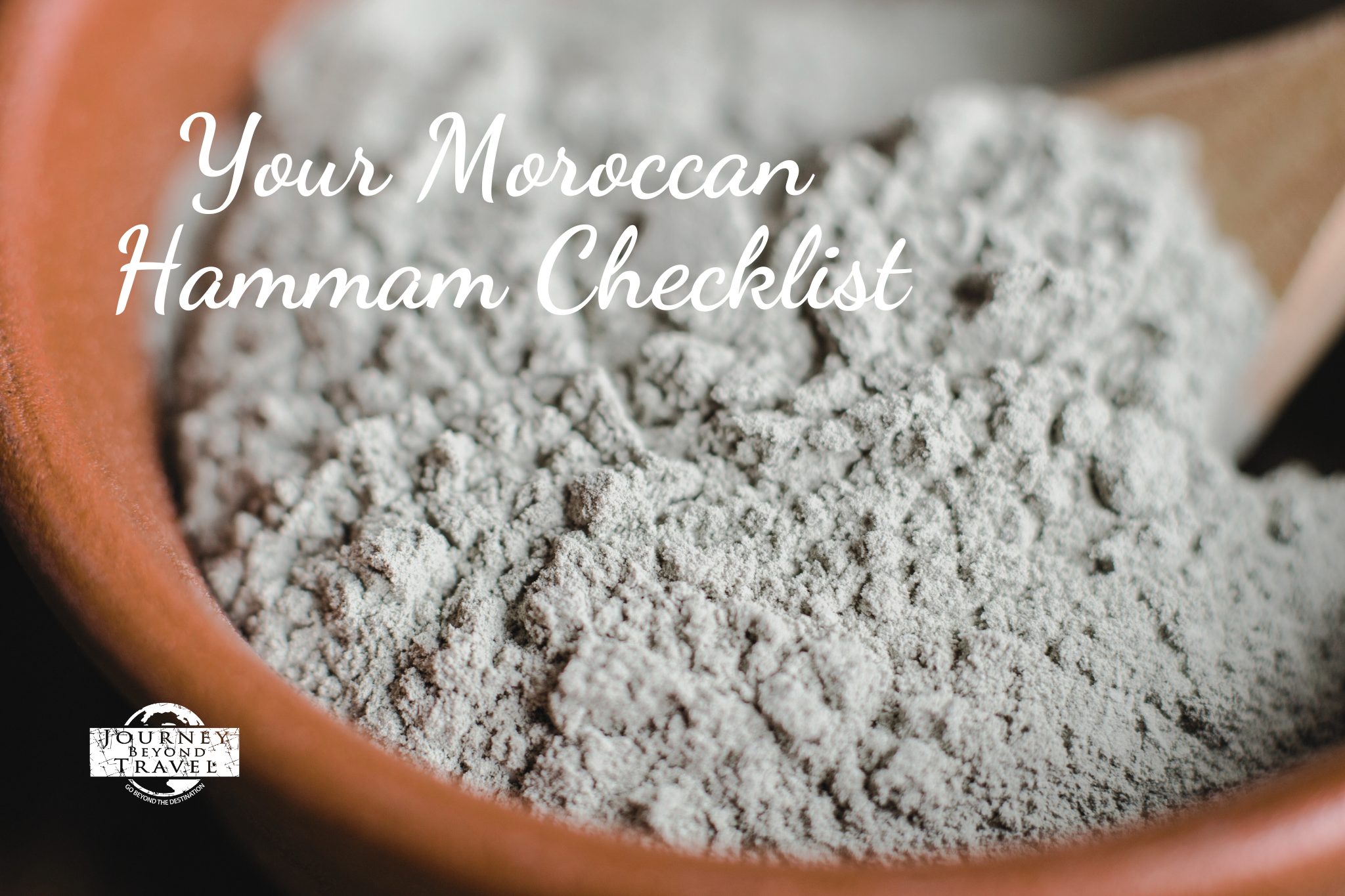
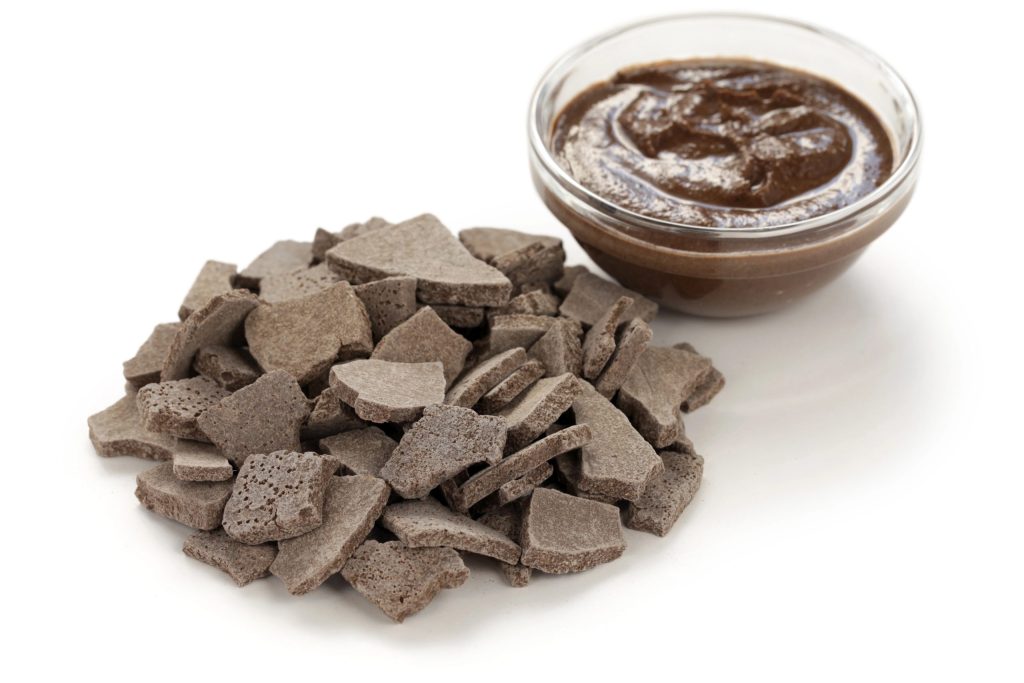
Ghassoul, also known as rhassoul clay, is another ancient Moroccan beauty secret sourced from the Atlas Mountains. This mineral-rich volcanic clay has been used for over 12 centuries by Moroccan women for skin and hair care. It is renowned for its exceptional absorbent properties, making it an excellent natural cleanser and detoxifier. When mixed with water, rosewater, or orange blossom water, ghassoul forms a smooth paste that can be applied to the body, face, and hair.
The clay works by drawing out impurities, excess oil, and toxins from the skin, while simultaneously delivering essential minerals like silica, magnesium, potassium, and calcium. For hair, ghassoul acts as a gentle shampoo and conditioner, leaving strands soft, shiny, and voluminous without stripping natural oils. It can be purchased in various forms: dry chunky bits, which are the most traditional and often sold in bulk; finely ground powder, offering convenience; or pre-mixed in jars, though these may contain additional ingredients. Opting for the dry forms and mixing it fresh allows for customization and ensures the purity of the product. The image provided shows ghassoul in its dry, chunky form, highlighting its natural origin. This versatility and purity make ghassoul an indispensable part of the post-exfoliation hammam ritual, offering deep conditioning and a final purifying touch.
The Humble Pumice Stone: Foot Care Essentials
While the kessa glove addresses the body, a pumice stone is essential for tackling tougher skin areas, particularly on the feet, elbows, and knees. The natural abrasive quality of pumice, a lightweight, porous volcanic rock, makes it ideal for gently yet effectively removing calluses and hardened skin. As depicted in the accompanying images, pumice stones come in various shapes and sizes, from natural irregular pieces to more refined, ergonomic blocks.
In the hammam, after the skin has been thoroughly softened by the heat and steam, the pumice stone becomes a highly effective tool for achieving silky-smooth feet. This attention to foot care is a testament to the holistic approach of Moroccan beauty rituals, where no part of the body is overlooked in the quest for cleanliness and well-being. Selecting a comfortable size and shape is advisable for ease of use.
Beyond the Basics: Supplementary Hammam Items
While savon beldi, kessa, ghassoul, and pumice are the core essentials, a few additional items can enhance the hammam experience:

- Small Bucket and Scoop: Many locals bring a small plastic bucket and scoop for rinsing themselves with water from communal taps or for mixing ghassoul. This provides a personal touch to the bathing process.
- Towel: A clean towel is indispensable for drying off after the bath. Opt for a quick-drying, absorbent towel.
- Flip-flops or Sandals: Essential for hygiene and comfort when moving between different sections of the hammam.
- Argan Oil: For post-hammam moisturization, a few drops of pure argan oil, often called "liquid gold," can be applied to the skin. This luxurious oil, rich in vitamin E and fatty acids, locks in moisture and leaves the skin feeling incredibly soft and radiant. It’s a perfect natural complement to the deep cleansing of the hammam.
- Modest Swimwear/Underwear: As noted, maintaining modesty is crucial. While some prefer to go nude in gender-segregated areas, most opt for light underwear or a simple swimsuit, particularly if accompanied by friends or if feeling shy.
Navigating the Souks: The Shopping Experience
The act of shopping for these items is an experience in itself. The medinas, with their ancient architecture and bustling atmosphere, are the natural habitat for these traditional products. Vendors are often knowledgeable about their wares, offering advice on usage and origin. Bargaining, while a common practice in Moroccan souks, may be less prevalent for everyday items like hammam supplies in small corner shops, where prices are often fixed or only slightly negotiable. However, for larger purchases or in more tourist-oriented areas, a friendly negotiation is part of the cultural exchange.
The emphasis on buying in bulk, as recommended, is not just about cost-effectiveness but also about minimizing environmental impact. Traditional Moroccan commerce has always favored bulk sales, reflecting a culture of sustainability long before it became a global concern. By choosing to purchase larger quantities of black soap or ghassoul, visitors contribute to reducing the proliferation of single-use plastic packaging that has unfortunately become common even in traditional markets.
The Ritual Unveiled: A Step-by-Step Hammam Journey
With the essential supplies in hand, one is ready to enter the hammam. The typical public hammam consists of several rooms of varying temperatures, designed to prepare the body for the cleansing ritual.
- The Warm Room (Ghorfa Sakhouna): Upon entering, visitors proceed to a warm room to acclimate to the heat and relax. This initial stage gently opens the pores and prepares the muscles.
- The Hot Room (Ghorfa Skhouna): The main bathing chamber, infused with steam, is where the real work begins. Here, one typically finds communal taps and basins. Find a spot, usually on a low stool or directly on the heated floor, and begin to pour warm water over the body.
- Application of Savon Beldi: Apply a generous layer of black soap all over the body, avoiding the face and sensitive areas initially. Allow it to sit for 5-10 minutes. The heat and humidity of the hammam, combined with the savon beldi, work synergistically to soften the skin.
- Exfoliation with Kessa: Rinse off the black soap thoroughly. Then, using the kessa glove, begin to vigorously scrub the entire body in long, firm strokes. This is where dead skin cells will visibly roll off, a deeply satisfying sensation that confirms the effectiveness of the ritual. Many public hammams offer the services of a kayyass (hammam attendant) who can perform this exfoliation, often with surprising strength and thoroughness, for a small fee.
- Rinsing: After exfoliation, rinse the body thoroughly with warm water, washing away all the exfoliated skin and impurities.
- Ghassoul Treatment: Mix ghassoul clay with water to form a smooth paste. Apply this generously to the body, face, and even hair. Let it sit for 5-15 minutes, allowing the minerals to penetrate and cleanse deeper. This acts as a purifying mask and conditioner.
- Final Rinse and Cool Down: Rinse off the ghassoul completely. Gradually move to cooler sections of the hammam, concluding with a cool shower to close the pores and invigorate the body.
- Post-Hammam Care: After drying, apply argan oil or a preferred moisturizer to nourish the freshly cleansed skin. Many hammams have a relaxation area where one can sit, perhaps enjoy a glass of mint tea, and savor the feeling of profound cleanliness and calm.
Etiquette and Modesty in the Public Hammam
The instruction to "keep yourself covered around the genitals (particularly the guys) you won’t offend anyone" is a crucial piece of advice. While public hammams are places of vulnerability, they are also governed by a strong sense of modesty and respect. In women’s hammams, it is common to see women partially clothed or in underwear, but full nudity is generally reserved for private areas or when receiving a scrub from an attendant. In men’s hammams, men typically wear shorts or underwear. The atmosphere is generally accepting and non-judgmental, fostering a sense of shared humanity and collective well-being.

For first-timers, a sense of shyness is natural. However, the welcoming and communal spirit of the hammam encourages visitors to "Don’t be shy! Dive in, get warmed up, scrub off a layer of skin, and maybe even make a new friend." The hammam is a space where social barriers often dissolve, and genuine connections can be forged over shared experiences of purification and relaxation.
The Enduring Legacy: Health, Community, and Sustainability
The public hammam tradition in Morocco is more than just a historical relic; it is a vibrant, living practice that offers numerous benefits and continues to play a significant role in modern Moroccan life.
Health Benefits: From a physiological standpoint, the hammam provides a comprehensive detoxifying experience. The heat and steam promote circulation, open pores, and induce sweating, which helps release toxins from the body. The exfoliation with savon beldi and kessa removes dead skin cells, promoting cellular regeneration and leaving the skin remarkably soft and smooth. Ghassoul clay further purifies and nourishes the skin and hair with essential minerals. The entire process reduces muscle tension, alleviates stress, and promotes a profound sense of physical and mental well-being. Many proponents believe regular hammam visits can improve skin tone, reduce inflammation, and enhance overall vitality.
Socio-Cultural Preservation: Hammams remain important community hubs, especially in older neighborhoods. They are places where generations gather, news is exchanged, and social bonds are strengthened. This communal aspect reinforces the cultural fabric of Moroccan society, preserving ancient rituals in an increasingly modern world. They offer a window into a traditional way of life that values personal care, communal interaction, and the use of natural products.
Economic Impact: The perpetuation of the hammam tradition supports a local economy centered around traditional crafts and natural products. From the small shop owners selling bulk black soap and ghassoul to the artisans crafting kessa gloves and pumice stones, and the hammam attendants (kayyass) providing their services, countless individuals derive their livelihoods from this enduring cultural practice. This micro-economy is vital for the preservation of traditional skills and local businesses within the medinas.
Tourism and Cultural Exchange: For international visitors, the hammam offers an unparalleled opportunity for cultural immersion. It’s an experience that goes beyond typical sightseeing, allowing travelers to participate in a fundamental aspect of Moroccan daily life. As such, hammams contribute significantly to Morocco’s tourism appeal, drawing those who seek authentic, experiential travel. This influx of interest also encourages the maintenance and restoration of these historic institutions.
Environmental Considerations: The recommendation to buy in bulk is not just a personal preference but a subtle call for environmental responsibility. As Morocco, like many developing nations, grapples with increasing plastic waste, embracing traditional bulk buying practices for natural products becomes an act of ecological stewardship. It highlights how ancient customs can offer sustainable solutions to contemporary challenges.
In conclusion, preparing for a public hammam in Morocco is a delightful journey that begins long before one steps into the steamy embrace of the bathhouse. It is a process of engaging with local markets, understanding traditional products, and embracing a centuries-old ritual of purification and community. The advice offered by Amina Lahbabi, a proud Moroccan, feminist, mother, climate change activist, and Fulbright Scholar, underscores the profound connection between personal well-being, cultural heritage, and environmental consciousness. Her expertise, stemming from a deep love for Moroccan traditions and a commitment to sustainable practices, adds significant weight to the guidance provided. Her advocacy for education, equal rights, and freedom of expression, coupled with her passion for art and photography, paints a picture of a well-rounded individual deeply rooted in her culture, making her an ideal guide to this intimate Moroccan experience. The hammam, therefore, is not just a place to get clean; it is a holistic experience that nourishes the body, soul, and community, embodying the enduring spirit of Morocco.