Navigating Airfare Volatility in 2026: How Advanced Flight Monitoring Platforms Are Reshaping Travel Economics


The global aviation landscape in 2026 presents a complex matrix of economic variables for travelers and industry analysts alike. Driven by persistent volatility in international oil prices, shifting geopolitical supply chains, and frequent, last-minute airline schedule adjustments, the cost of air travel has become notoriously unpredictable. While certain high-demand international routes have seen steep price surges that dishearten prospective vacationers, a concurrent trend shows specific global corridors dropping by as much as 35 percent. This paradoxical market dynamic has made traditional, manual flight searching increasingly inefficient for consumers attempting to secure competitive fares.
To address these market inefficiencies, travel technology platforms have evolved beyond simple search aggregators into sophisticated predictive monitoring systems. Among these, Dollar Flight Club has emerged as a prominent case study in automated airfare tracking, reporting significant user savings amid the economic turbulence of early 2026. The platform’s operational model—which relies on around-the-clock historical pricing analysis rather than standard airline promotional flags—highlights a broader shift in how modern consumers discover and purchase travel.

Market Dynamics and Economic Drivers of 2026 Airfare
The volatility defining the 2026 travel season stems from a confluence of macroeconomic pressures. Commercial aviation operates on tight margins where jet fuel remains one of the most volatile operating expenditures for legacy and low-cost carriers alike. Fluctuations in crude oil prices, combined with ongoing fleet delivery delays from major manufacturers, have forced airlines to dynamically reallocate capacity. Consequently, seat availability on major transoceanic and regional routes fluctuates rapidly, creating windows of extreme discounting alongside periods of inflated pricing.
Historically, travelers relied on conventional aggregators such as Google Flights or Momondo. While effective for individuals with rigid itineraries and fixed destinations, these tools often fail to capture flash sales or localized fare drops that vanish within hours. Industry analysts note that the sheer volume of global airfare data—encompassing millions of fare basis codes, seasonal adjustments, and alliance-specific promotions—exceeds the processing capability of manual searches.
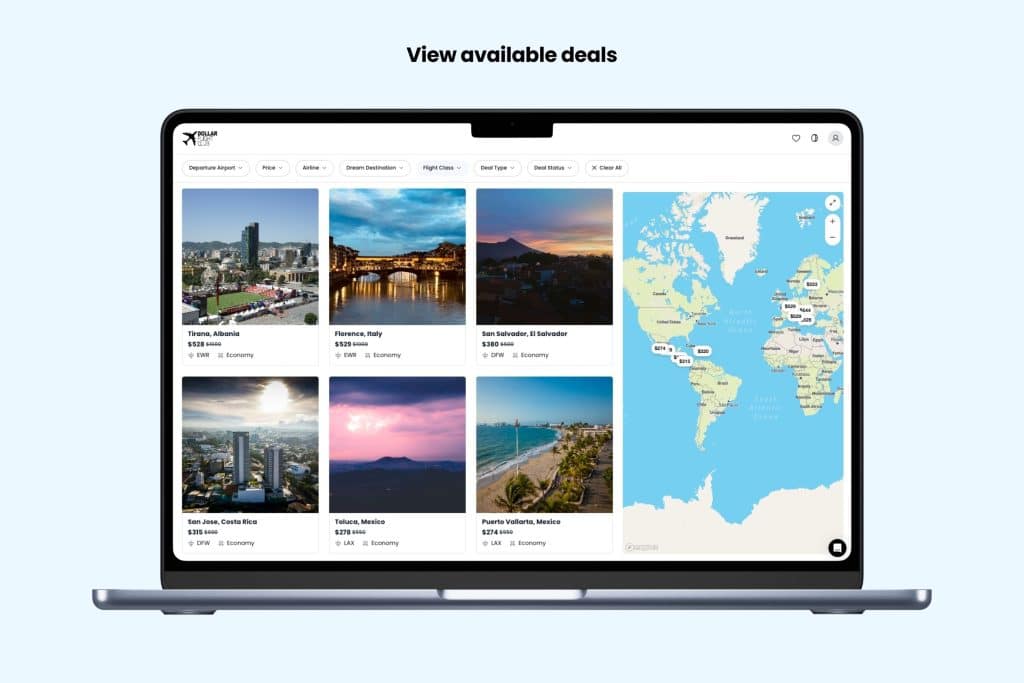
To bridge this gap, subscription-based flight monitoring services have gained substantial market traction. By algorithmically comparing current fares against multi-year historical benchmarks, these systems isolate genuinely anomalous pricing from standard marketing gimmicks. Data released by major platforms indicate that active members have collectively saved millions of dollars during the first quarter of 2026 alone, with certain flash sales discounting economy and premium cabins by up to 90 percent.
Chronology of Platform Enhancements and Technological Integration
The adaptation of flight-monitoring technology reached a new milestone on April 20, 2026, when Dollar Flight Club deployed a comprehensive platform overhaul designed to refine user acquisition and route matching. The software updates reflect a broader industry trend toward hyper-personalization and spatial data visualization in travel planning.
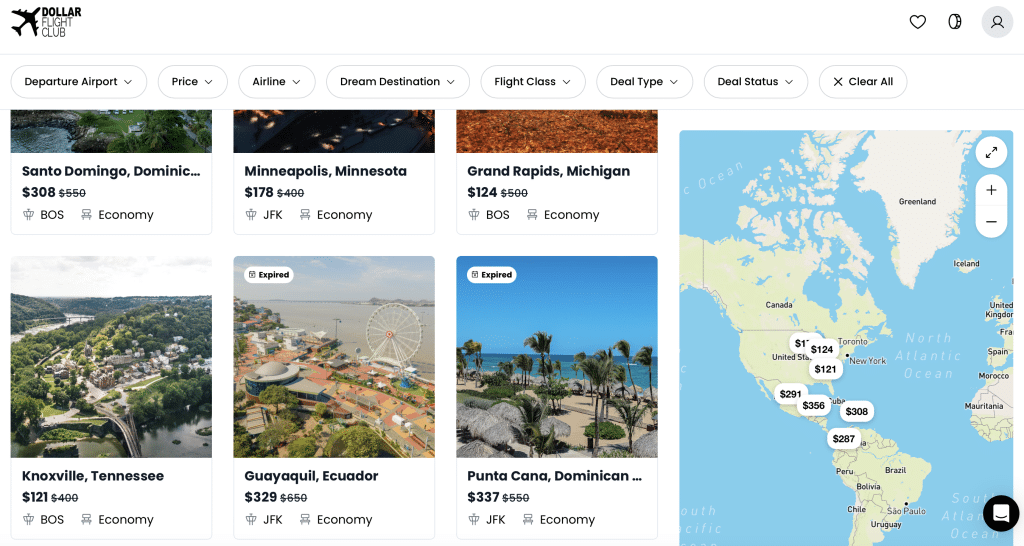
The April 20 software deployment introduced three primary architectural upgrades to the service:
-
Granular Filtering and Search Logic: Users can now execute multi-parameter queries combining departure airports, precise price ceilings, specific airline alliances, cabin classes, and deal statuses simultaneously. This allows travelers to isolate niche requirements—such as non-stop economy routes to specific European hubs or discounted business-class inventory—with unprecedented speed.
-
Interactive Global Map Integration: Abandoning traditional static list views, the platform integrated a dynamic cartographic interface. Every active, verified deal is now rendered as a geo-spatial price pin on a world map. This feature enables users to invert their planning methodology; rather than hoping a specific city goes on sale, travelers can specify a budget and date range to discover all globally viable destinations meeting their financial criteria.

-
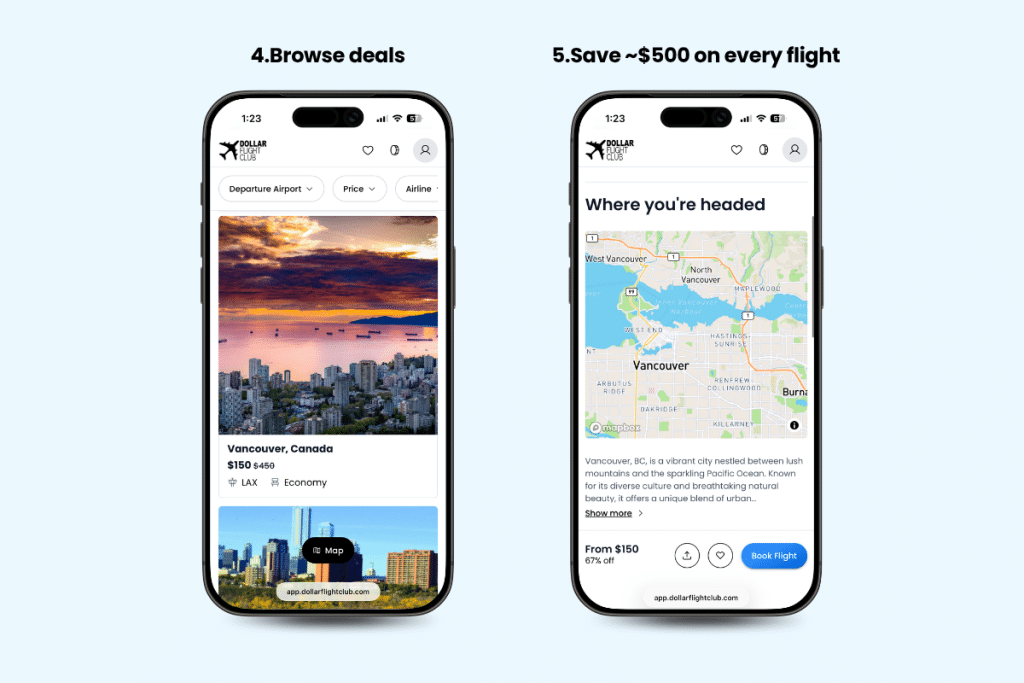
Contextual Destination Intelligence: Recognizing that cheap airfare is only one component of travel expenditure, the platform integrated localized data modules into deal alerts. These modules provide real-time affordability ratings, optimal seasonal visiting windows, neighborhood insights, and integrated partner discounts for ground tours and excursions.
Industry Analysis and the Evolution of the "Travel Scout" Model
Travel industry analysts have characterized the shift toward proactive, alert-based platforms as the evolution of the "personal travel scout" model. Traditional booking engines operate on pull mechanics—the user initiates a query, evaluates the results, and executes a transaction. Conversely, proactive monitoring platforms utilize push mechanics, notifying consumers only when market anomalies align with their predefined geographic and financial parameters.
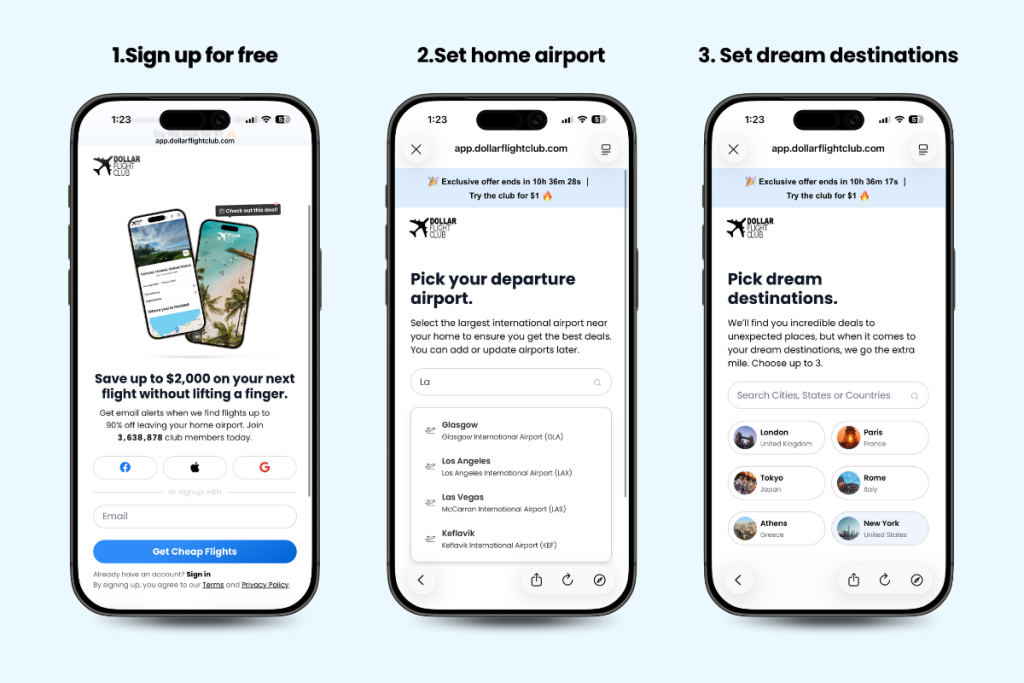
This operational paradigm shift heavily benefits a specific demographic of modern traveler: individuals with schedule flexibility, a broad portfolio of aspirational destinations, and a willingness to embrace spontaneous travel opportunities. Conversely, business travelers or those bound by rigid corporate schedules and inflexible vacation windows derive significantly less value from flash-sale ecosystems, as their purchasing decisions are dictated by time constraints rather than price optimization.
Furthermore, the expansion of global coverage by these platforms marks a departure from historical industry biases. Early flight-alert services were overwhelmingly concentrated on the United States and Canadian domestic and outbound markets. The integration of international departure hubs—spanning European transit points like Prague and Vienna to African aviation gateways like Nairobi and Johannesburg—reflects the increasingly globalized nature of modern remote work and flexible lifestyles.
Implications for the Broader Travel Economy
The financial implications of airfare volatility and automated deal discovery extend beyond individual consumer savings. For airlines, the utilization of third-party monitoring platforms serves as an efficient mechanism for filling empty seats on underperforming routes without diluting brand equity through public, broad-market price slashing. By targeting flexible travelers directly, carriers can optimize load factors during shoulder seasons and off-peak periods.
However, market researchers caution that reliance on algorithmic deal-hunting requires a high degree of consumer adaptability. Flash sales identified by platforms often come with strict conditions, including limited booking windows, non-refundable fare classes, and inconvenient layovers. Travelers must weigh the immediate financial savings against potential logistical complexities.
As the aviation sector continues to navigate economic uncertainties through the remainder of 2026, the symbiotic relationship between airfare volatility and predictive travel technology is expected to deepen. Platforms that successfully integrate big data analytics with intuitive spatial interfaces are likely to set the benchmark for consumer travel planning, fundamentally altering how global routes are marketed, discovered, and consumed.