What It Is Like to Experience the Worlds Worst Sting From a Giant Venomous Centipede


In the hierarchy of biological pain, the benchmark set by American entomologist Justin Schmidt in 1983 remains the definitive scale for Hymenoptera. Schmidt’s index, which ranks the stings of ants, bees, and wasps on a four-level scale, serves as a grim taxonomy of insect defense. While the bullet ant and the tarantula hawk are frequently cited as the pinnacle of agony—described by victims as "walking over flaming charcoal with a three-inch nail embedded in your heel"—the scale is limited to specific insect orders. If the index were expanded to include the predatory giant centipedes of the genus Scolopendra, entomologists suggest a fifth, perhaps even a sixth level of intensity would be required. These ancient arthropods do not merely deliver a sting; they engage in a complex biochemical assault that can incapacitate a human being for days.
The Biology of the Scolopendra Sting
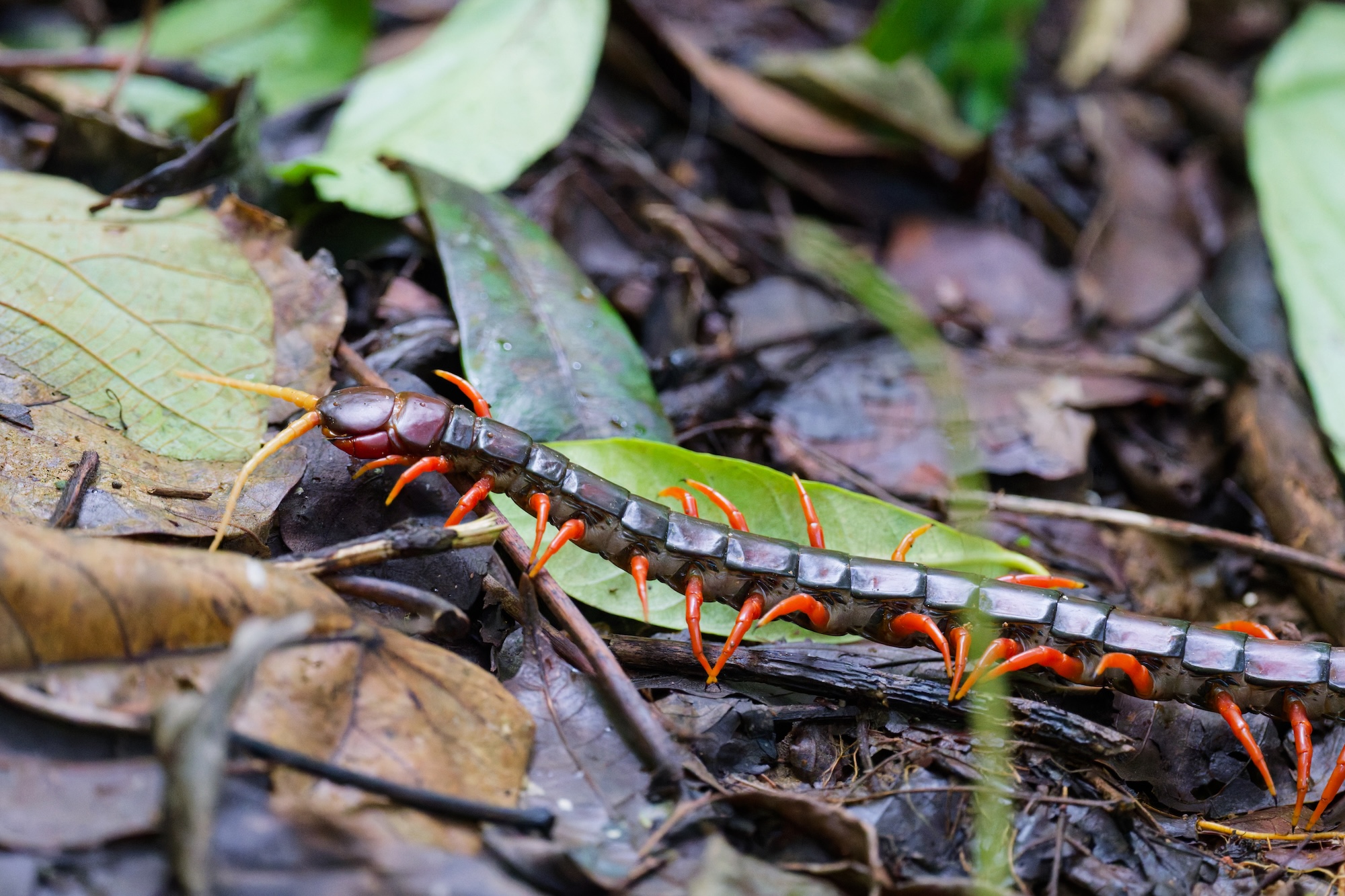
Unlike bees or wasps, which utilize a stinger located at the rear of their abdomen, the giant centipede employs a modified pair of front legs known as forcipules. These hardened, venom-delivering appendages are located directly behind the head and function as both pincers and hypodermic needles. When threatened or hunting, the centipede lashes out with startling speed, piercing the skin and injecting a sophisticated cocktail of venom.
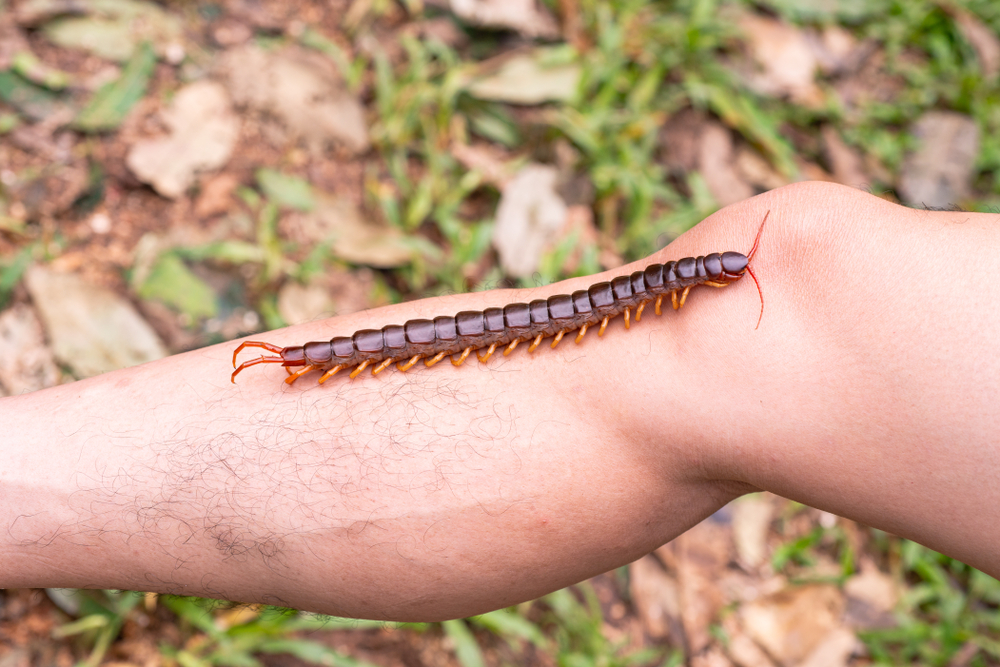
This venomous mixture is a complex synthesis of proteins, including cytolysins, which destroy cell membranes; myotoxins, which target muscle tissue; and neurotoxins, which interfere with nerve signaling. In the wild, this chemical arsenal is designed to paralyze prey—ranging from insects and spiders to small vertebrates like lizards, frogs, and birds—allowing the centipede to consume its meal while the prey is still alive. For a human, the effect is not paralysis, but a localized and systemic trauma that triggers a severe inflammatory response.
Chronology of an Incident on Koh Rong
The danger posed by these creatures is often underestimated due to their reclusive nature. However, for those who traverse the tropical forests of Southeast Asia, the risk of an accidental encounter is non-negligible, particularly at night.
In a documented case on the Cambodian island of Koh Rong, a traveler experienced a sudden, severe strike while walking barefoot near a jungle trail. The incident occurred at night, providing the victim with little warning before a sharp, piercing pain manifested in the big toe. Initial assessment by local observers, who identified two distinct puncture wounds, led to the immediate application of traditional folk remedies, including garlic, which is commonly used in rural areas to mitigate venomous stings despite a lack of empirical clinical support.
Within one hour of the strike, the victim reported waves of searing, radiating heat moving up the leg. As the night progressed, the pain transitioned from a sharp local sting to a systemic, bone-deep agony, often described by victims of Scolopendra bites as feeling like a limb being crushed or set on fire. With medical infrastructure limited to distant, inaccessible clinics and a severe storm preventing maritime evacuation, the victim remained in a state of high-intensity pain for several hours. By the six-hour mark, the agony had peaked, rendering standard analgesics such as aspirin and mild sleeping pills ineffective.
Medical Intervention and Clinical Observations
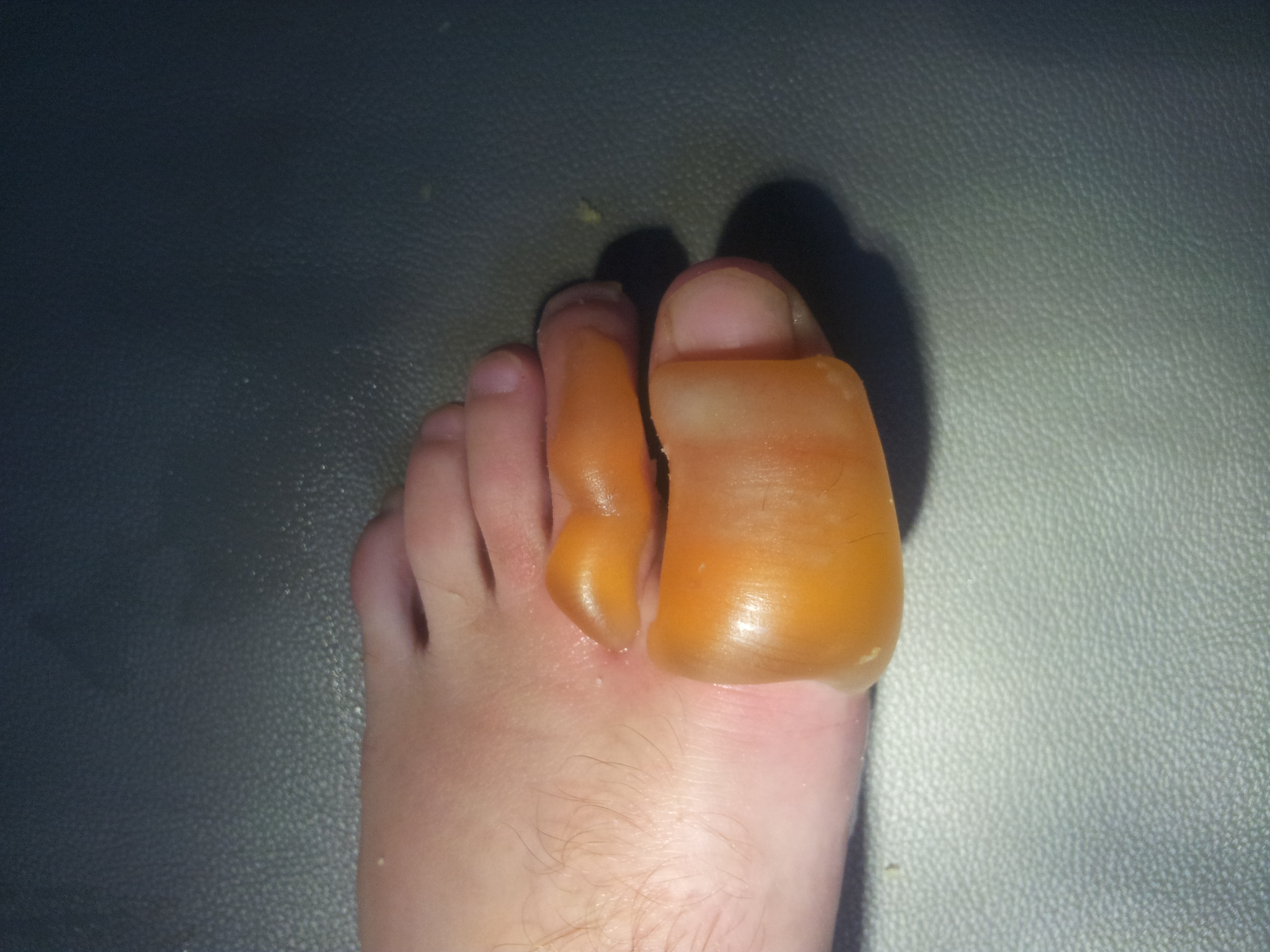
By the following morning, the victim was transported via a makeshift fishing boat to the mainland town of Sihanoukville. Upon arrival at a hospital, clinical examination revealed profound localized swelling and the development of large, fluid-filled blisters (bullae) at the site of the entry points.
Medical staff at the facility observed that the tissue trauma was consistent with a high-dose envenomation. The treatment protocol included the administration of morphine to manage the intractable pain, followed by the careful debridement of the blisters to prevent secondary bacterial infection. While systemic mortality from centipede bites in humans is statistically rare, the clinical impact is significant. The pain typically persists for several days, requiring professional medical monitoring to manage the secondary inflammatory response and the risk of necrosis at the bite site.
Broader Context and Global Impact
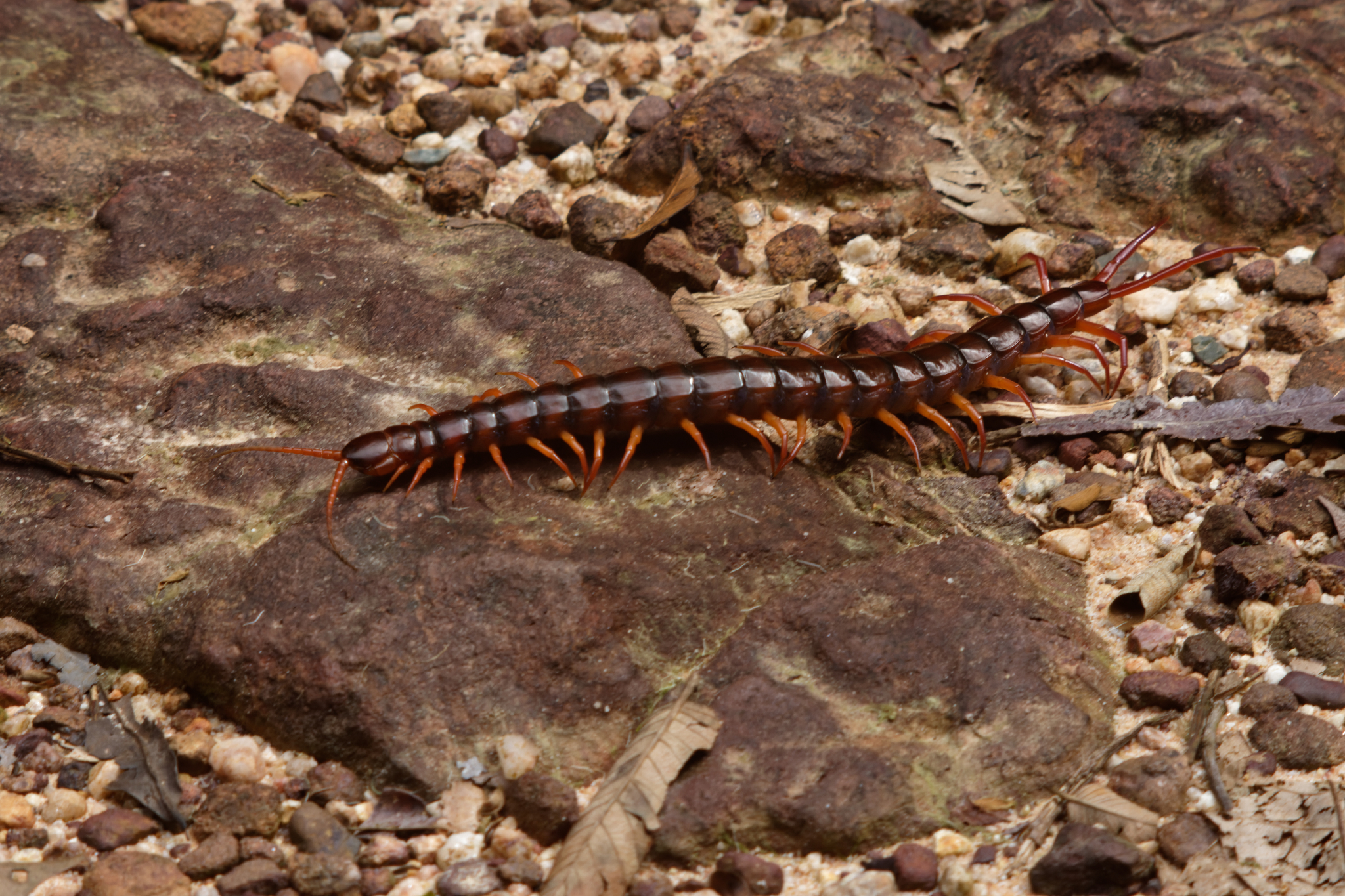
While the victim’s experience on Koh Rong was traumatic, it serves as a case study for the physiological potential of Scolopendra venom. In Vietnam, local populations frequently report that giant centipedes are capable of lethally envenomating small domestic animals, such as cats and dogs. While human fatalities are rare, they have been documented, usually occurring as a result of anaphylactic shock or secondary cardiac distress rather than the direct toxicity of the venom itself.
The severity of these encounters has gained recent public attention through various educational platforms, including high-profile demonstrations by wilderness experts like Coyote Peterson. In his own documented encounter with a giant desert centipede (Scolopendra heros), Peterson—who has experienced many of the world’s most painful insect stings—noted that the centipede was the first organism to require an immediate emergency room visit. His experience, which involved the use of a venom extractor and subsequent hospital care, highlights that even species with lower toxicity profiles than their Asian counterparts can induce a medical emergency.
Public Safety and Prevention
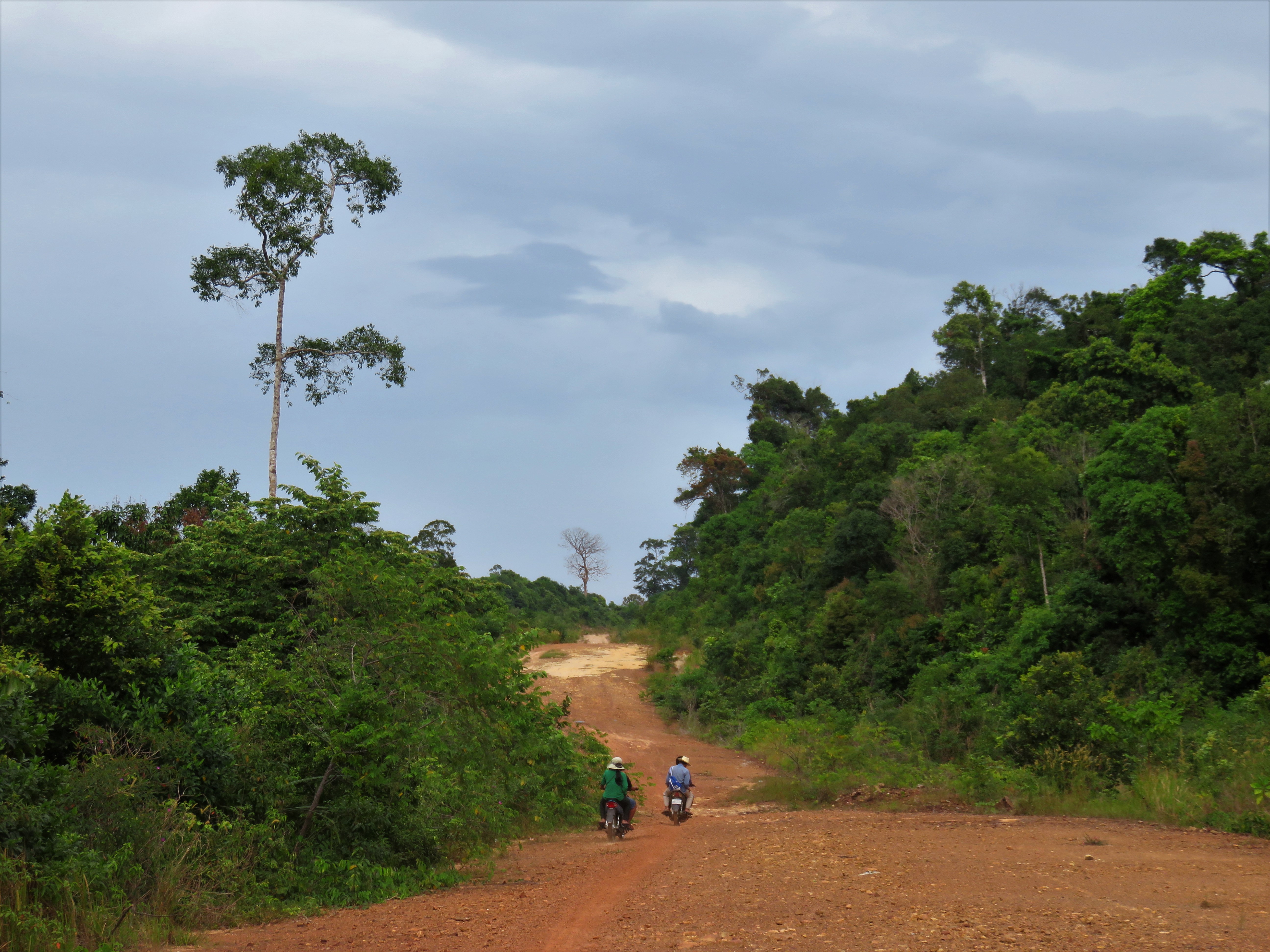
The prevalence of these centipedes, particularly in the humid, leaf-strewn environments of Southeast Asia, suggests that caution is the primary defense. These creatures are highly sensitive to vibrations and movement; they are not typically aggressive toward humans unless they feel cornered or inadvertently stepped upon.
Entomologists recommend the following precautions for those working or traveling in known centipede habitats:
- Use footwear: Never walk barefoot, especially at night, as this is the most common cause of accidental envenomation.
- Inspect living spaces: Centipedes are attracted to cool, damp, and dark areas. Camping gear and footwear left outside should be shaken out before use.
- Avoid handling: Even dead or seemingly incapacitated specimens should be handled with extreme care, as reflexes can persist after the organism has expired.
Analysis of Implications
The case of the Koh Rong incident underscores the disparity between the romanticized view of tropical travel and the reality of wilderness hazards. The "Seven Days of Crying," as some local Thai dialects refer to the agony of a centipede sting, is a descriptor grounded in the reality of the autonomic nervous system’s reaction to intense neurotoxic influx.
While the medical community classifies most centipede envenomations as "minor" compared to venomous snake bites, the subjective experience of the victim suggests a far more complex clinical reality. The psychological impact of prolonged, unmanageable pain, coupled with the logistical challenges of receiving care in remote regions, makes these encounters a serious concern for eco-tourism and field research in tropical zones.
Furthermore, the lack of widespread antivenom for centipede stings means that current medical responses are largely palliative. As research into the proteomic composition of centipede venom continues, there is hope that a deeper understanding of these toxins might one day yield new therapeutic drugs—much like the development of blood pressure medication from snake venom—but for now, the primary strategy remains avoidance.
For the average traveler, the lesson is clear: the environment of the jungle is not just a scenic backdrop but a complex ecosystem where the smallest of inhabitants can inflict damage rivaling that of the largest predators. Acknowledging the biological potency of these arthropods is not about fostering fear, but about maintaining a realistic awareness of the risks inherent in remote natural environments. The recovery process, while eventually successful for the victim, serves as a testament to the resilience of the human body when subjected to the extreme chemical defenses of one of nature’s most effective, if often overlooked, predators.