London, a global metropolis defined by its centuries-old architecture and sprawling urban landscape, is best experienced at a walking pace. While the city’s complex public transport system—the Underground—is efficient, it frequently obscures the historical and cultural connectivity between neighborhoods. Urban planners and tourism experts have increasingly emphasized the "walkability" of the British capital, noting that traversing the city on foot provides a more accurate understanding of its geography and social fabric. As of 2025, London offers an extensive network of designated walking routes that cater to both the casual visitor and the dedicated explorer. These paths, ranging from the tourist-heavy center to the quieter, leafier suburbs, provide a structured way to navigate one of the world’s most significant cultural hubs.

The Evolution of London’s Walking Infrastructure
Historically, London developed as a collection of villages that eventually coalesced into a single urban mass. This organic growth is reflected in the diversity of its current walking routes. The expansion of these trails, supported by Transport for London (TfL) and various heritage organizations, has transformed formerly industrial corridors into vibrant leisure spaces. Statistics from the Greater London Authority indicate that walking in the capital has seen a steady increase, with pedestrian counts rising as more residents and tourists seek outdoor, low-cost activities. These routes are designed to alleviate congestion on public transit while promoting physical health and providing access to historical landmarks that are otherwise bypassed by commuters.

1. The Iconic Landmark Route: A Study in Architecture and Power
The most prominent walking route, often referred to as the Central Landmark Circuit, serves as a comprehensive tour of the city’s political and historical epicenters. This route typically begins in West London, navigating past the royal residences of Kensington Palace before descending into the heart of the capital.

The path takes pedestrians through Hyde Park, offering a contrast between the urban density of the city and the managed greenery of the Royal Parks. Key stops include the Royal Albert Hall, an architectural masterpiece opened in 1871, and the neighboring museum district of South Kensington. This area, often called "Albertopolis," houses the Natural History Museum and the Victoria and Albert Museum, both of which are major pillars of London’s cultural infrastructure.

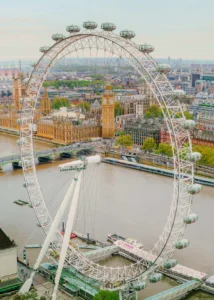
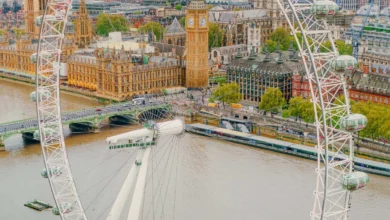
As the route proceeds toward Buckingham Palace, it cuts through the ceremonial heart of the city. The Mall, which leads directly to the Palace, is the site of major state processions. Following this, the path leads to Trafalgar Square and the National Portrait Gallery, transitioning into the commercial vitality of Regent Street. The final stages of this route move toward the Southbank, where the juxtaposition of the historic Tower of London and the modern London Eye creates a visual timeline of the city’s development.

2. The Regent’s Canal: Industrial Heritage Transformed
The Regent’s Canal walk offers a distinct perspective on London’s transformation from an industrial powerhouse to a modern leisure destination. Completed in 1820, the canal was once a critical artery for the transport of coal, timber, and building materials. Today, the towpath serves as a quiet, pedestrian-only corridor that cuts through the northern part of the city.

The route from King’s Cross to Little Venice is particularly significant for its architectural history. The redevelopment of the King’s Cross area, including the transformation of the Granary Building, has turned a formerly derelict industrial site into a hub for education and retail. Walking west, the path passes through Camden, where the 19th-century locks still operate, serving as a reminder of the city’s maritime and industrial past. The route concludes in Little Venice, an area characterized by its regency architecture and peaceful waterways, which provides a stark contrast to the noise of central London.

3. The Central Circular: Navigating the Financial and Political Hubs
The Central London Circular walk is designed to connect the city’s financial district with its governmental core. This route is favored by those interested in the contrast between the City of London—the square mile of international finance—and the political corridors of Westminster.

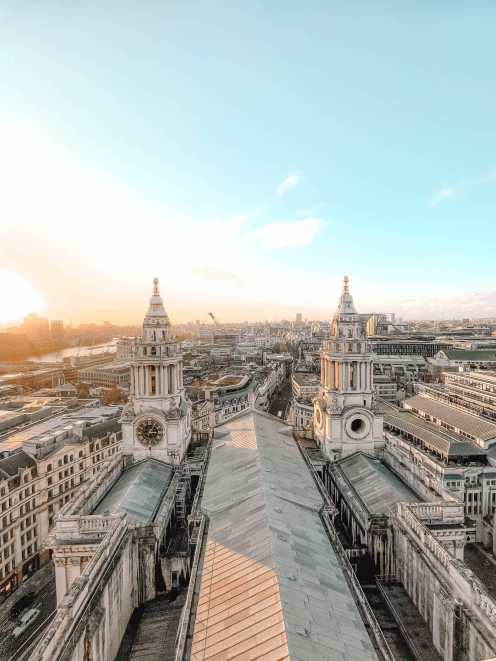
Starting at St. Paul’s Cathedral, designed by Sir Christopher Wren after the Great Fire of London, the path moves through the Royal Exchange and Leadenhall Market. These locations represent the mercantile history of the British Empire. The inclusion of the Sky Garden on this route highlights the modern trend of incorporating public green space into high-rise office architecture. The path then follows the Thames, passing the Globe Theatre and the Tate Modern, before crossing the river toward the Houses of Parliament and the seat of the British government.

4. The Thames Path: A National Trail
The Thames Path is arguably the most ambitious walking route in the region. As a National Trail, it spans 185 miles from the Cotswolds to the Thames Barrier. Within London, however, it serves as the primary artery for river-focused exploration.

The segment from Greenwich to Battersea is particularly popular. Greenwich, a UNESCO World Heritage site, provides the maritime context of the city, home to the Cutty Sark and the Royal Naval College. The path follows the river through the Southbank, passing the site of the Mayflower pub—a historical point of origin for the 1620 voyage to North America—and ending at the Battersea Power Station. The redevelopment of the power station into a mixed-use commercial space is a prime example of the ongoing adaptive reuse projects defining London’s modern landscape.

5. The Line: Integrating Art into the Urban Environment
The Line represents a more contemporary approach to city walking. As a public art trail, it connects various outdoor installations between the Queen Elizabeth Olympic Park in Stratford and the North Greenwich peninsula. This route is an exercise in urban regeneration, utilizing the legacy of the 2012 Olympic Games to foster a new cultural identity in East London.
The route includes pieces by renowned artists, curated to engage with the surrounding landscape. The inclusion of the V&A East Storehouse provides a unique look at how museums manage and restore their vast collections, offering the public a "behind-the-scenes" experience. This walk is particularly notable for its integration of modern sculpture with the industrial and post-industrial aesthetic of East London.

6. The Capital Ring: A Suburban Overview
For those looking to move beyond the tourist centers, the Capital Ring is a 78-mile circular route that explores the suburban periphery of London. This walk is divided into 15 accessible sections, allowing residents and visitors to explore the quieter, residential boroughs of the city.
The route passes through diverse environments, from the historic Crystal Palace Park to the Thames Barrier. It provides an essential counterbalance to the hyper-density of the center, showcasing the "Green Belt" and the extensive parklands that prevent London from becoming a continuous, unbroken sprawl. This route is highly recommended for those interested in the sociology of London’s residential areas.

7. The Green Link: Connecting North and South
The Green Link Walk is a recent addition to London’s walking infrastructure, specifically created to bridge the gap between Epping Forest in the north and Peckham in the south. This route is part of a broader "Footways" initiative, which seeks to identify the most pleasant and interesting walking routes through the city, often favoring quiet backstreets over main thoroughfares.

By connecting diverse neighborhoods like London Fields and Burgess Park, the Green Link demonstrates the continuity of green space that exists even in densely populated urban environments. It is a testament to the city’s commitment to sustainable urban mobility and pedestrian accessibility.

8. The Jubilee Walkway: Royal History
The Jubilee Walkway, established to commemorate the Silver Jubilee of Queen Elizabeth II, is a 15-mile loop that focuses on the city’s royal and historical sites. It is highly structured and provides a clear, concise tour of the monarchy’s influence on the city’s development.

The walk encompasses the Tower of London, which has served as a palace, fortress, and prison, and extends to the more modern symbols of royal and political power. It is an essential route for visitors looking to understand the intersection of history and governance in London.

Implications and Future Outlook
The expansion and promotion of these walking routes have significant implications for London’s future. Beyond the obvious benefits to public health and the environment, these paths act as a catalyst for local economic activity. Small businesses, cafes, and independent shops located along these routes benefit from the consistent foot traffic of locals and tourists alike.

However, the continued success of these routes depends on ongoing maintenance and clear signage. Transport for London and local councils have committed to preserving these paths, recognizing that the ability to navigate the city on foot is a core component of its appeal as a global destination. As London continues to evolve, these walking routes will likely remain the most authentic way to experience the city’s complex and layered identity.
Related posts: