The Dover-Calais Ferry: A Crucial Gateway to Europe Amidst Evolving Travel Dynamics

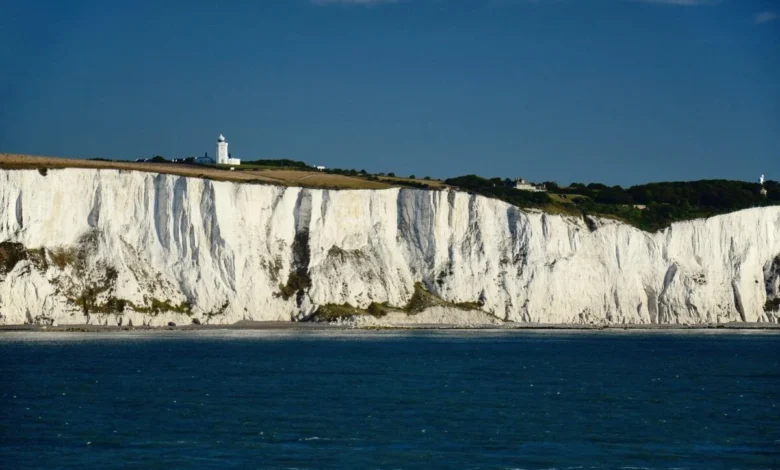
The timeless journey across the English Channel, connecting the iconic White Cliffs of Dover to the shores of Calais in just 90 minutes, remains a pivotal artery for travel and trade between the United Kingdom and mainland Europe. Far more than a mere logistical connector, this sea route offers a distinctly human-scale experience, contrasting sharply with the subterranean speed of the Eurotunnel and the often-impersonal process of air travel. For countless individuals embarking on overland adventures – be it south towards the romantic boulevards of Paris, east into the historic cities of Belgium, deeper into Germany’s heartland, or north towards the Netherlands – the moment the vehicle rolls onto the ferry in Kent and off in Calais signifies the tangible commencement of their European exploration.
Historical and Strategic Significance of the Channel Crossing
The English Channel has historically been both a formidable barrier and a vital conduit. For centuries, maritime travel was the sole means of traversing this narrow stretch of water. The Dover-Calais route, in particular, has evolved from rudimentary crossings to a sophisticated network supporting an immense volume of passenger and freight traffic. Today, it stands as the busiest international sea route globally, facilitating approximately 35 sailings daily, year-round, operated by key players such as DFDS Seaways, P&O Ferries, and Irish Ferries. This continuous operation underscores its strategic importance, not only for individual travelers but also for the broader economic relationship between the UK and the European Union. The ability to drive directly from one’s home in the UK onto a vessel and disembark with full mobility on the continent streamlines logistics for tourists, businesses, and freight carriers alike, underpinning supply chains and fostering cross-cultural exchange.
Ferry or Tunnel: A Detailed Comparative Analysis for Travelers
The choice between the Dover-Calais ferry and the Eurotunnel often hinges on a traveler’s priorities and the specific nature of their journey. While both modes efficiently transport vehicles from Kent to northern France, they offer fundamentally different experiences.
The Eurotunnel, with its 35-minute journey, prioritizes speed and a frictionless, underground passage. Travelers drive their vehicles onto a train shuttle, remaining in their cars for the duration. This appeals to those seeking the fastest possible transit, particularly for day trips or urgent business travel where every minute counts. The process is largely automated, reducing human interaction to a minimum.
In contrast, the ferry journey, lasting approximately 90 to 100 minutes, embraces a more ‘human-scale’ approach. This extended duration transforms the crossing from a mere transit into an integral part of the travel experience. A significant advantage of the ferry lies in its capacity and flexibility regarding vehicle size and cargo. Travelers are unburdened by the ‘size anxiety’ often associated with other transport methods. Roof boxes, bike racks, board bags, or the expansive dimensions of a campervan roof are accommodated without issue. Vehicles are simply driven onto the car deck, parked, and passengers are free to move upstairs to the main public areas. This freedom from spatial constraints makes the ferry particularly appealing for families, outdoor enthusiasts, and those undertaking longer road trips with substantial luggage or specialized equipment.
Furthermore, the ferry typically offers a more pet-friendly environment. Dogs and other animals generally travel in the owner’s vehicle rather than in a separate, often isolated, hold. Some operators even permit pets out of the car on designated deck areas, providing a more comfortable journey for animal companions, though specific policies should always be verified with the chosen operator prior to travel.
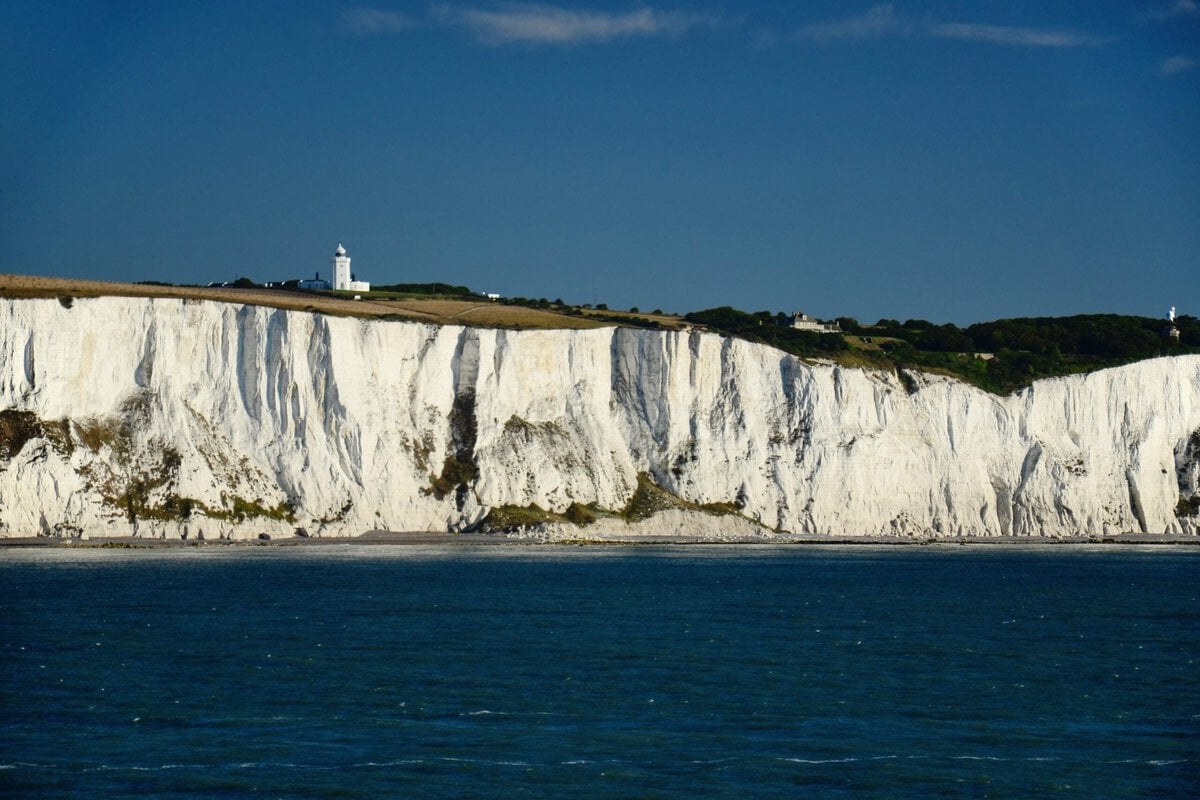
Perhaps the most compelling argument for the ferry experience is its complete departure from the typical airport routine. There are no security trays, no restrictive liquid rules, no body scanners, and no frantic sprints to departure gates. The check-in process is straightforward: arrive, present documentation, drive to the assigned lane, and wait for boarding. The crossing itself then becomes a period of relaxation and transition. Passengers can stretch their legs, enjoy a meal, shop duty-free, or simply take in the panoramic views. On a clear day, the visual transition is profound: watching the majestic White Cliffs of Dover recede into the distance from the stern, followed by the gradual appearance of the low, flat French coast from the bow, imbues the journey with a tangible sense of progression and arrival that a tunnel journey simply cannot replicate.
The Operators: A Closer Look at the Dover-Calais Fleet
Three primary operators manage the high-frequency Dover-Calais route: DFDS Seaways, P&O Ferries, and Irish Ferries. Their combined efforts ensure a robust schedule, with departures often available every 30-60 minutes during peak summer periods, reflecting the consistent demand for this vital link.
- DFDS Seaways: A Danish international shipping and logistics company, DFDS has a long-standing presence on the Channel. Their vessels on this route are equipped with extensive amenities, including the 7 Seas Restaurant, offering hot meals and panoramic views, and the Lighthouse Café for lighter fare. They are known for their reliable service and emphasis on the onboard experience, with WiFi generally available across their fleet.
- P&O Ferries: As one of the most recognized names in British shipping, P&O Ferries has historically been a dominant force on the Dover-Calais route. Their fleet includes newer vessels like the ‘P&O Pioneer,’ which has garnered positive reviews for its modern facilities and enhanced passenger comfort. P&O is also notable for accepting foot passengers on this route, a service not offered by DFDS.
- Irish Ferries: While primarily associated with routes between Ireland and the UK/France, Irish Ferries has expanded its presence on the Dover-Calais crossing, adding another competitive option for travelers. They typically quote a crossing time of around 90 minutes, aiming for efficiency alongside a comfortable journey.
For travelers seeking current timetables, live pricing, and availability across all three operators, aggregated platforms like Ferryhopper serve as valuable starting points, offering a consolidated view to aid in booking decisions.
Port Operations: Navigating Dover and Calais
Efficient port operations are critical to the smooth functioning of the Dover-Calais route. Both ports are meticulously managed to handle the vast volumes of traffic.
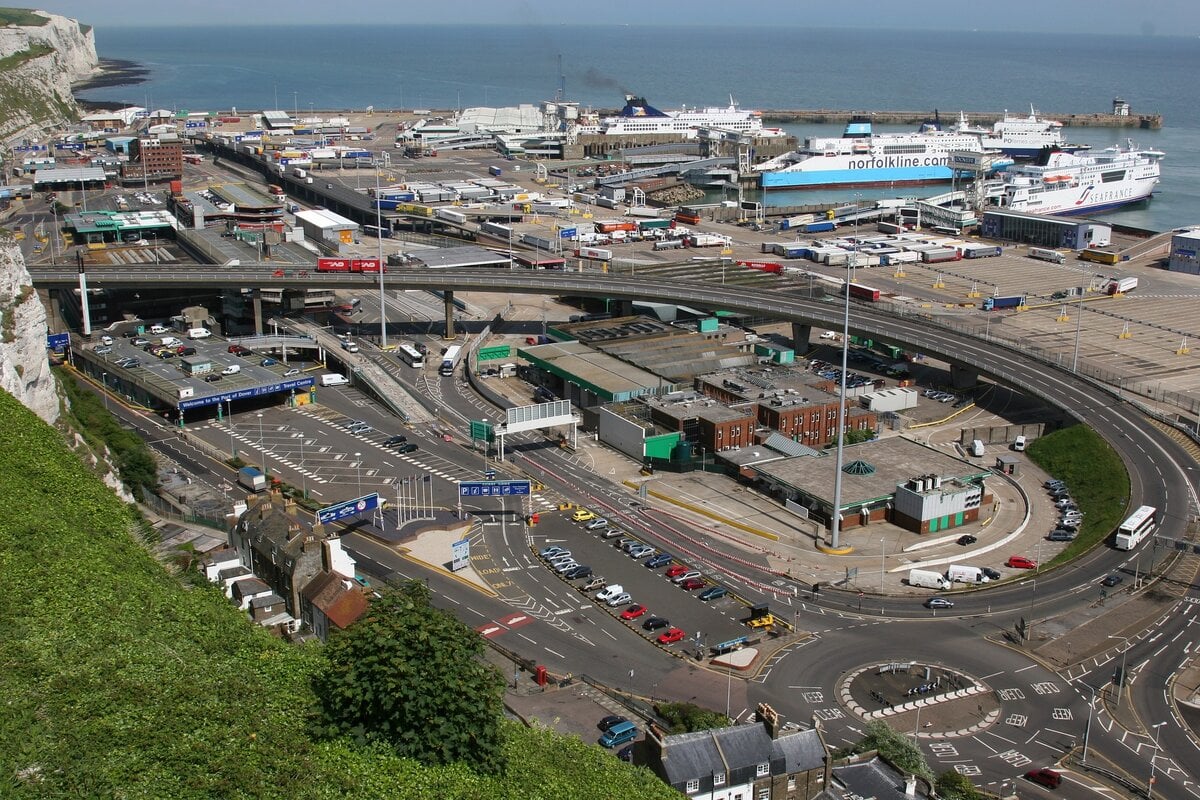
Arriving at Dover Port: All cross-Channel ferry traffic at Dover is managed through Dover Eastern Docks. The port is clearly signposted from the A20 (approaching from the west) and the A2 (from the north). The process for vehicle passengers is streamlined: drive-in, check-in, and join the designated departure lane. It is important to note that there is no general car parking at the terminal itself, emphasizing the ‘drive-through’ nature of the operation. Passengers are advised to arrive at check-in at least 60 minutes before departure, with coaches requiring two hours. During peak travel periods – UK school holidays, bank holiday weekends, and summer Fridays – the approach roads to Dover, particularly the M20 and A20, can experience significant congestion. A live traffic check before leaving home is highly recommended to mitigate potential delays.
A crucial aspect of the Dover operation is the ‘juxtaposed controls.’ This means that French border authorities conduct passport checks on the UK side of the Channel, before boarding the ferry. Consequently, travelers clear French passport control before embarking, not upon arrival in France. This system is designed to expedite disembarkation in Calais.
The Port of Calais: Upon arrival, the Port of Calais is strategically located to provide immediate access to the extensive European motorway network. The disembarkation process is typically swift, allowing travelers to quickly join the A16, which connects to the A26 towards Paris, or the E40 leading towards Belgium and beyond. Calais’s infrastructure is designed to seamlessly integrate port traffic with the broader road network, solidifying its role as a key gateway.
Navigating New Borders: The EU Entry/Exit System (EES) in 2026
A significant procedural change impacting non-EU travelers, including British passport holders, is the phased introduction of the EU’s Entry/Exit System (EES). This digital biometric border system requires travelers to register fingerprints and a facial photograph upon their first entry into the Schengen area. The rollout at Dover commenced in October 2025, with a phased introduction for private car passengers continuing through early 2026, coordinated between the Port of Dover and French border authorities.
The EES is designed to enhance border security and more accurately track the entry and exit of non-EU citizens, particularly concerning the 90-day visa-free limit within any 180-day period. For first-time registrants, this process adds several minutes per traveler to the border check procedure. While subsequent crossings are expected to be faster once enrolled, the initial implementation phase requires additional time. Travelers should factor in an extra 30-45 minutes beyond the standard check-in window, especially for their inaugural crossing under the new system. The Port of Dover consistently updates its EES guidance, and checking the latest procedures before travel is paramount. This system represents a major shift in border control for UK travelers and its full embedding will be a continuous process throughout 2026, requiring patience and preparedness from passengers.
The Journey Across the Channel: What Happens Onboard
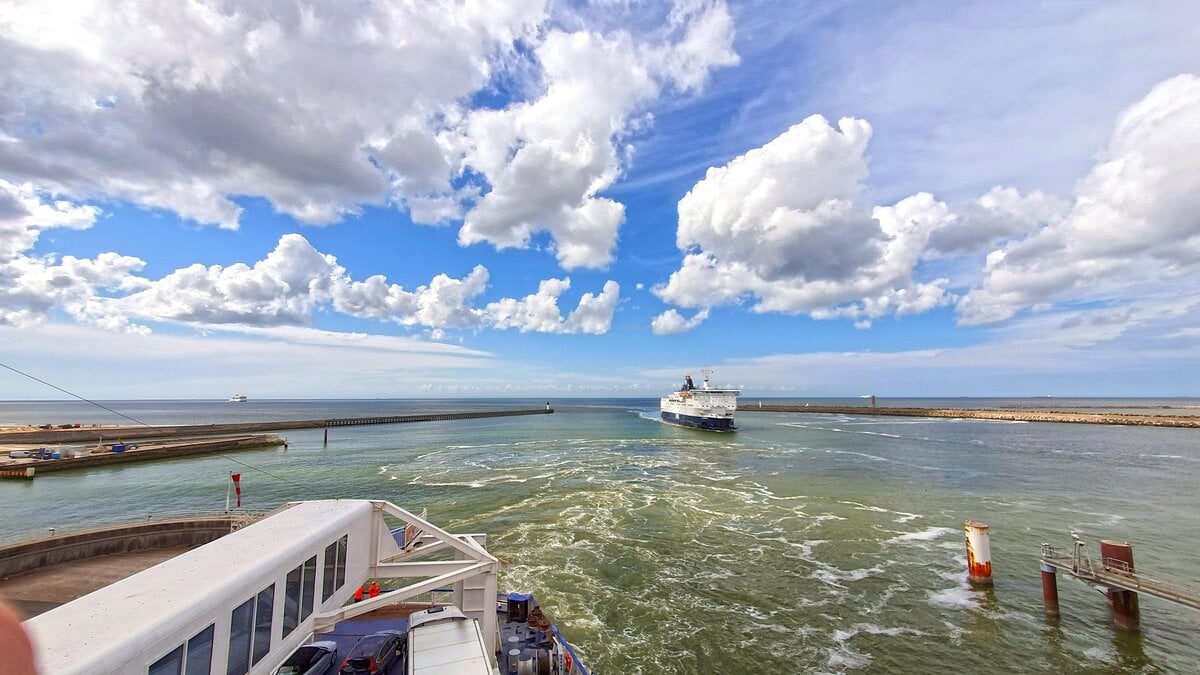
Once vehicles are securely parked on the car deck, passengers are required to move upstairs to the main public areas, as remaining in vehicles during the crossing is not permitted for safety reasons. Most vessels offer outdoor deck access, a highlight of the journey. As the ferry clears Dover Harbour, the sheer scale of the White Cliffs from the water is a breathtaking sight, offering a unique perspective distinct from any land-based view. The journey then provides a clear visual narrative of the transition from the dramatic chalk cliffs of England to the flatter, lower coastline of northern France as Calais approaches. This natural contrast reinforces the sense of crossing a significant frontier.
Onboard amenities are designed to make the 90-minute crossing comfortable and engaging. DFDS vessels, for instance, offer the 7 Seas Restaurant, open 24 hours with panoramic windows, serving a range of hot meals from traditional fish and chips to cooked breakfasts and vegetarian options. The Lighthouse Café provides coffee, snacks, and lighter bites, while the Horizon restaurant seasonally offers made-to-order pizzas, pastas, and salads. P&O’s newer vessels, such as the P&O Pioneer, have garnered positive feedback for their contemporary onboard facilities, including comfortable lounges and dining options.
Duty-free shopping remains a popular activity onboard, with fragrances, alcohol, and confectionery available at prices typically below UK high street rates. Post-Brexit, duty-free allowances have been restored for UK travelers heading to France, allowing for personal purchases of wine, spirits, and cigarettes within specified limits. WiFi connectivity is generally available on DFDS vessels, enabling passengers to stay connected, though it is advisable to confirm current policies for P&O and Irish Ferries directly before travel.
Beyond the Port: Connecting to Europe
Calais’s strategic location at the confluence of several major European motorway corridors solidifies its reputation as an unparalleled gateway for road trips.
- South to Paris: The most frequented route from Calais to Paris involves the A26 and A1 motorways via Arras. This approximately 293km drive typically takes around 3 hours under normal traffic conditions. Tolls apply, usually ranging from €22-€25 for this stretch. An alternative, the A16, offers a more scenic journey through coastal towns like Boulogne-sur-Mer and Abbeville, albeit adding to the travel time.
- East into Belgium: Bruges, a popular Belgian destination, is less than two hours from Calais, with the added benefit of Belgium’s motorway network being toll-free for cars. Ghent and Brussels are also easily accessible via the same eastern corridor.
- Further into the Netherlands and Germany: From Belgium, onward journeys to major Dutch cities like Rotterdam and Amsterdam, or into Germany, are straightforward via the E40 and connecting motorways. Calais to the German border via Brussels is roughly a 3.5-4 hour drive, depending on the specific destination.
- Northern France Coastal Driving: For those seeking a less direct, more picturesque start to their journey, the Côte d’Opale coastline, running south from Calais towards Boulogne and Le Touquet, offers a charming detour. The D940 road hugs the coast, providing stunning views over the Channel and access to historic seaside towns that have attracted travelers for over a century.
- Mont Saint-Michel: The iconic Mont Saint-Michel, a UNESCO World Heritage site, is approximately a five-hour drive from Calais, offering a truly magnificent destination for a longer itinerary.
Economic and Societal Contributions
The Dover-Calais ferry route is not merely a convenience for holidaymakers; it is an economic powerhouse. It underpins significant volumes of trade, particularly for goods requiring roll-on/roll-off (RoRo) freight services. The reliable movement of lorries and commercial vehicles across the Channel is vital for numerous industries, impacting supply chains, manufacturing, and retail in both the UK and continental Europe. Beyond freight, the ferry facilitates tourism, enabling millions of individuals to explore new cultures, support local economies, and foster international understanding. The ease of bringing one’s own vehicle allows for greater flexibility and spontaneity in travel planning, contributing significantly to the regional tourism sectors of Northern France, Belgium, and beyond.
Future Perspectives and Challenges
The Dover-Calais route continues to adapt to evolving geopolitical and technological landscapes. Brexit has introduced new border complexities, most notably the EES, which ferry operators and port authorities are diligently working to integrate smoothly. Environmental concerns are also increasingly influencing maritime operations, with a growing focus on sustainability and emissions reduction. Ferry companies are exploring cleaner fuel alternatives and more efficient vessel designs to meet future regulatory requirements and consumer expectations. The long-term viability and attractiveness of the route will depend on its ability to maintain efficiency, adapt to regulatory changes, and embrace innovation while continuing to offer a distinct and appealing travel experience.
Practical Considerations for a Smoother Crossing
- Booking in Advance: Prices for ferry crossings fluctuate significantly based on demand, time of year, and how far in advance you book. Peak summer periods, bank holidays, and popular weekend slots are considerably more expensive. Booking early is the most effective strategy for securing better rates. Utilizing comparison websites like Ferryhopper can provide a comprehensive overview of prices and availability across all operators.
- Arrival Times: Adhering to the recommended check-in times (at least 60 minutes for vehicles, two hours for coaches) is crucial, especially given the juxtaposed border controls and the ongoing EES rollout.
- Passport Validity: Ensure all travelers, including children, possess a valid passport. French authorities require passports to be valid for at least three months beyond the intended departure date from the Schengen area and issued within the last 10 years.
- EES Preparedness: For first-time non-EU travelers under the Entry/Exit System, allow an additional 30-45 minutes for biometric registration. Stay informed by checking the Port of Dover’s official guidance prior to travel.
- Motion Sickness: The English Channel can be notoriously variable. While modern ferries are large and stable, rougher weather, more common in autumn and winter, can lead to noticeable movement. If prone to motion sickness, consider over-the-counter remedies, staying on an open deck for fresh air, or choosing a seat mid-ship.
- Onboard Facilities: Familiarize yourself with the onboard amenities offered by your chosen operator. This allows you to plan whether to dine onboard, shop, or simply relax.
- Currency and Tolls: Be prepared for French tolls if driving further into France (e.g., to Paris). French motorways generally accept credit/debit cards, but having some euros for smaller purchases or emergencies is always wise.
- Driving Abroad Essentials: Remember to carry necessary items for driving in Europe, such as a high-visibility vest, warning triangle, spare bulbs, and a UK sticker (or the new ‘UK’ plate). Confirm current legal requirements for your destination country.
The Dover-Calais ferry route embodies a unique blend of practicality and tradition. It offers a tangible connection to the European continent, allowing travelers to embark on their adventures with a sense of freedom and discovery that begins the moment the White Cliffs fade from view and the French coast beckons. As travel dynamics continue to evolve, this enduring maritime link remains a testament to the enduring appeal of the open road and the open sea.
Frequently Asked Questions
How long does the Dover to Calais ferry crossing take?
The crossing typically takes approximately 90 to 100 minutes. DFDS generally quotes around 100 minutes, while Irish Ferries often completes the journey in closer to 90 minutes. This duration is usually sufficient for a meal, duty-free shopping, or a walk on the deck. While modern vessels are large and designed for stability, rougher weather, particularly during autumn and winter, can lead to a bumpier experience.
How much does the Dover to Calais ferry cost?
Ferry prices fluctuate significantly based on factors such as the operator, booking lead time, specific travel dates, and vehicle type. Peak summer dates, bank holiday weekends, and popular weekend departures are typically more expensive than off-peak, midweek crossings. Booking as far in advance as possible is the most reliable method for securing more favorable rates. Websites like Ferryhopper can provide a consolidated view of live pricing and availability across all operators.
Do I need a passport for the Dover to Calais ferry?
Yes, all travelers, regardless of age, require a valid passport. French border authorities conduct juxtaposed controls at Dover, meaning that French passport checks are completed on the UK side before boarding. UK nationals are entering the Schengen area and are subject to the EU’s Entry/Exit System (EES), which began its phased introduction at Dover in October 2025.
Can I travel as a foot passenger on the Dover-Calais ferry?
P&O Ferries is the primary operator that accepts foot passengers on the Dover-Calais route. DFDS Seaways operates this specific crossing as vehicle-only, meaning you need a car, motorcycle, campervan, or other vehicle to travel with them. If you plan to travel without a vehicle, it is advisable to confirm current foot passenger options directly with P&O or Irish Ferries.
What is the EU Entry/Exit System (EES) and how does it affect my crossing?
The EES is a new digital biometric border control system for non-EU travelers entering the Schengen area, including British passport holders. It requires the registration of fingerprints and a facial photograph upon first entry. The system began phasing in at Dover in October 2025. First-time registration adds several minutes per traveler to the border process. Once registered, subsequent crossings are expected to be faster. Through 2026, travelers should allow an extra 30-45 minutes buffer beyond standard check-in times for their initial crossing under the EES. Always consult the Port of Dover’s website for the latest procedural updates.
Is the English Channel rough? Could I get seasick?
The English Channel’s conditions are variable. On calm days, the crossing is smooth. However, in rougher weather, more common during autumn and winter, the crossing can be noticeably bumpy. Modern ferries are large and designed to minimize movement, but they do not eliminate it entirely. If you are susceptible to motion sickness, consider staying on an open deck for fresh air or choosing a seat mid-ship. Bringing motion sickness medication is a sensible precaution, as the crossing can occasionally be more challenging than anticipated.
Is it better to book the ferry or the Eurotunnel for a road trip to Europe?
The choice depends on individual preferences. The Eurotunnel is faster (35 minutes) and predictable, offering an underground, drive-on/drive-off experience. The ferry, at 90 minutes, provides more space to move around, access to amenities like restaurants and shops, and the scenic experience of the Channel crossing. For longer road trips, especially with significant luggage, bicycles, or a campervan, the ferry often aligns better with the spirit of the journey, offering a more relaxed start. For quick, no-frills trips, the tunnel’s speed is advantageous. Many frequent UK-Europe travelers utilize both options depending on the specific requirements of each trip.