Mallorca, an island renowned globally for its sun-drenched beaches and vibrant coastal resorts, holds a less-explored, yet equally captivating, treasure trove in its northwestern mountain range: the Serra de Tramuntana. This UNESCO World Heritage site, a dramatic spine of rugged peaks and verdant valleys, is home to a collection of ancient, remarkably preserved villages that have long drawn a discerning traveler seeking authenticity and a profound connection to history, far removed from the typical tourist trail. For those who understand that the soul of Mallorca extends beyond its shoreline, these mountain enclaves offer an experience steeped in culture, art, and breathtaking natural beauty.
The allure of the Tramuntana lies in its distinct character, a stark contrast to the bustling coastal towns. Here, time seems to move at a different pace, dictated by the rhythm of the seasons and the enduring traditions of its inhabitants. Unlike the package holiday era’s focus on beachside leisure, the villages nestled within the Tramuntana have historically attracted serious travelers drawn by their intrinsic charm, architectural heritage, and the promise of an unfiltered glimpse into Mallorcan life. Navigating this enchanting region, however, requires a strategic approach, with the choice of accommodation playing a pivotal role in maximizing the experience.
The Strategic Advantage of Rural Retreats
For visitors aiming to immerse themselves fully in the Tramuntana’s offerings, basing oneself within the mountain range itself is paramount. Privadia, a curated collection of luxury villas, traditional fincas, and countryside properties, highlights the significance of this choice. Properties scattered throughout the Tramuntana offer an unparalleled advantage: proximity. Commuting to these villages from the island’s capital, Palma, or from a coastal hotel, can consume precious hours, diminishing the quality time available for exploration. A rural villa, strategically positioned within the heart of the mountain circuit, transforms the entire travel dynamic, allowing for spontaneous excursions and deeper engagement with the local environment. This logistical consideration is not merely about convenience; it’s about unlocking the true essence of the Tramuntana experience.
Deià: A Haven for Artists and Writers
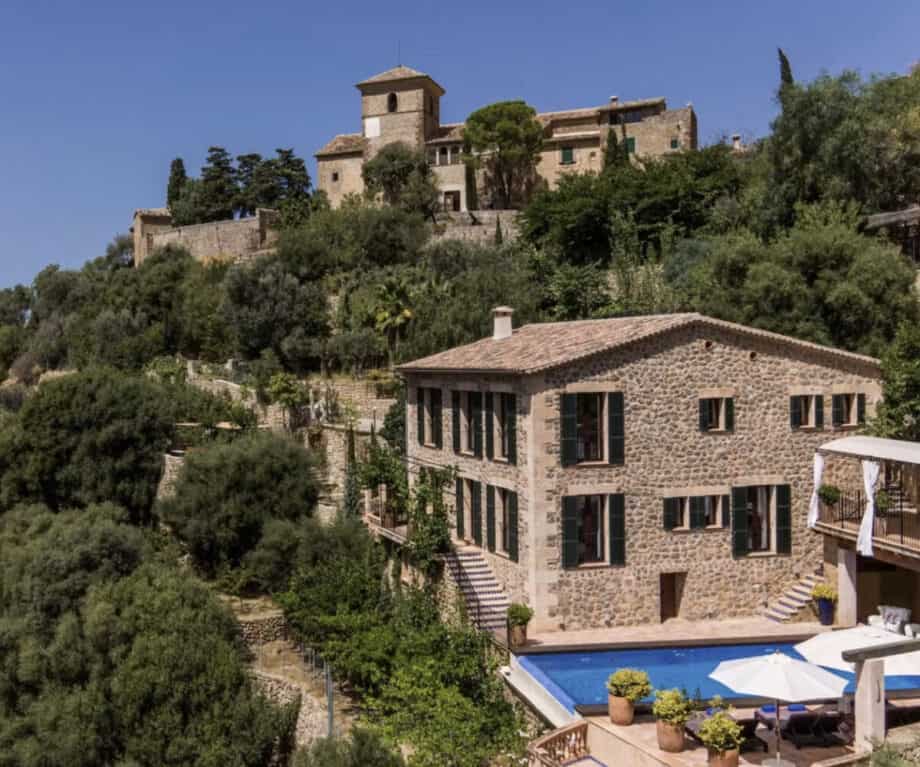
Deià, perched precariously on a hillside overlooking the azure Mediterranean, is perhaps the most celebrated of the Tramuntana villages. Its reputation has been inextricably linked with the presence of the renowned poet Robert Graves, who settled here in 1929 and found inspiration that sustained him for the remainder of his life. Graves’s enduring legacy is palpable; his final resting place is in the hilltop cemetery, adjacent to the picturesque Sant Joan church, a serene spot offering panoramic views. His former working house, situated on the village outskirts, is now open to visitors on weekdays, offering a poignant glimpse into the life of a literary giant. While often overlooked by those seeking a more superficial experience, a visit to Graves’s home and the adjacent cemetery provides a profound historical and cultural dimension to any exploration of Deià.
The practicalities of visiting Deià, particularly concerning parking, require foresight. The village is ingeniously constructed on a steep incline, resulting in limited parking spaces that can become scarce during peak hours, especially in the mornings. The most effective strategy to navigate this challenge is to arrive early in the day or after 4 PM, when the crowds typically begin to dissipate, allowing for a more relaxed exploration.
Beyond its literary heritage, Deià boasts a thriving artistic community. The boutiques and galleries lining the main road, often unassuming from the exterior, house an impressive array of high-quality artisanal crafts and artworks. Many of these establishments are run by resident artists who live and work in the village year-round, ensuring a standard of quality that surpasses that found in typical Mediterranean craft shops. This vibrant creative scene adds another layer to Deià’s unique appeal, offering visitors the chance to acquire authentic, handcrafted souvenirs and to connect with the island’s artistic pulse.
Culinary experiences in Deià are equally noteworthy. The Michelin-starred Es Racó d’Es Teix offers a sophisticated dining experience that warrants advance reservation, promising an unforgettable gastronomic journey. For those seeking a more rustic yet equally celebrated seafood experience, Ca’s Patró March, located at Cala Deià, is a must-visit. Accessible by a short 10-minute drive or a 30-minute scenic walk, this cash-only establishment serves exquisite fresh seafood with the waves lapping directly in front. Its cameo in the acclaimed television series "The Night Manager" has only amplified its popularity, making securing a table a competitive endeavor. For a more casual evening, Sa Fonda on the main street is the village’s social hub, often featuring live music most nights and attracting a diverse crowd, embodying the authentic spirit of Deià’s nightlife.
The Deià International Music Festival, held throughout the summer months in various outdoor venues around the village, adds another compelling reason to visit. Checking the festival program in advance of travel dates can elevate the experience, aligning a trip with a celebration of world-class musical talent set against a stunning natural backdrop.
Valldemossa: A Royal Legacy and Sweet Delights
Valldemossa, another jewel in the Tramuntana crown, exudes an air of regal history and artistic romance. The village’s primary draw is the magnificent Royal Carthusian Monastery, a historical complex that once served as a royal residence before its transformation into a Carthusian monastery. It was within these hallowed walls that the celebrated composer Frédéric Chopin and the renowned writer George Sand spent the winter of 1838. It was here that Chopin composed several of his iconic Preludes, finding solace and inspiration amidst the mountain air, despite his ailing health. George Sand, however, documented her experience in her book "A Winter in Majorca," a narrative that, while critical of the island and its inhabitants, offers a fascinating, albeit unflattering, perspective on their sojourn. The monastery cell they occupied is open to visitors, preserving the piano that bore witness to Chopin’s creative genius.
The monastery itself is a testament to centuries of architectural evolution, reflecting its multifaceted past as a royal palace, monastic sanctuary, and municipal building. A dedicated hour is well-spent exploring its intricate cloisters, chapels, and gardens, absorbing the layers of history embedded within its stone walls.
Similar to Deià, Valldemossa experiences peak visitor numbers between 11 AM and 3 PM, largely due to organized tour groups arriving from Palma. To truly appreciate the village’s tranquil ambiance, arriving by 9 AM or after 4 PM is recommended, allowing for a more intimate encounter with its timeless charm.
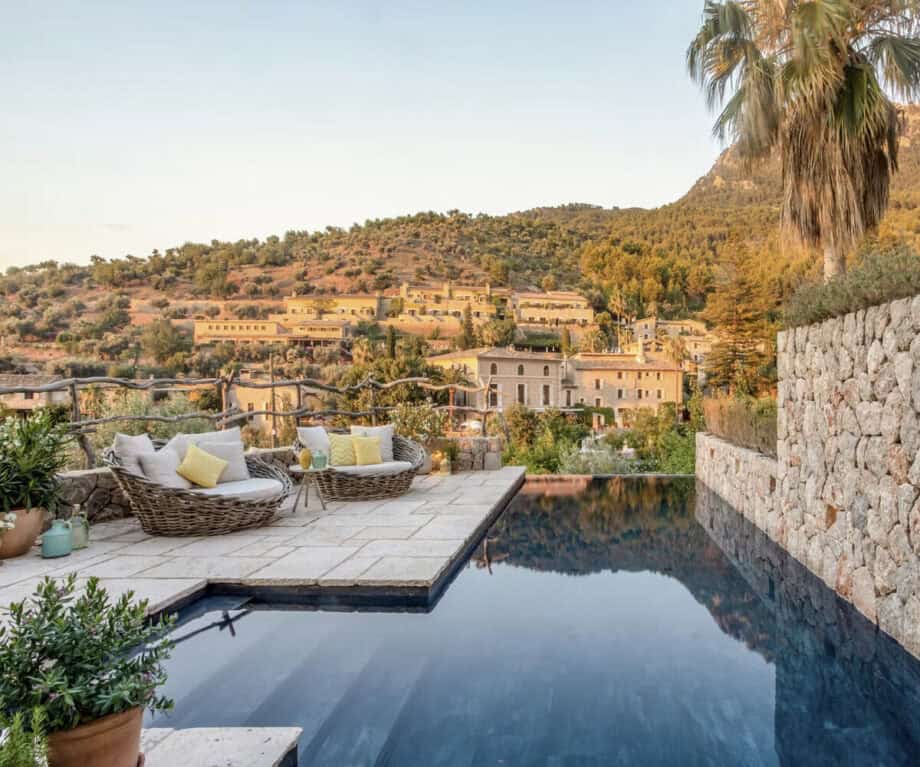
No visit to Valldemossa is complete without indulging in its signature delicacy: the coca de patata. This light, airy sweet potato bun, a local specialty since 1888, is best enjoyed at Ca’n Molinas on the main square. Savoring a coffee and a warm coca de patata at an outdoor table, before the influx of tour buses, represents one of the simpler yet most profound pleasures the Tramuntana has to offer.
The village also offers a superior shopping experience compared to Deià and Fornalutx. Visitors will find an array of local ceramics, intricately carved olive wood items, and the distinctive decorative tiles depicting Santa Catalina Thomàs, a motif adorning nearly every house in Valldemossa. This makes it an ideal destination for purchasing more substantial souvenirs and decorative pieces.
For an evening meal, Es Taller presents a unique dining proposition. Formerly a car repair garage, its conversion into a restaurant has been remarkably successful, offering a creative menu in a stylish setting.
For the adventurous traveler, the Camí de s’Arxiduc offers a challenging yet immensely rewarding hiking experience. This approximately 14-kilometer round-trip trail winds through the mountains between Valldemossa and Deià, featuring significant elevation gains. The panoramic ridge views it affords are among the most spectacular in the entire Tramuntana range. While not a casual undertaking, those who embark on this trek will undoubtedly be rewarded with an unforgettable day and a profound appreciation for the island’s rugged beauty.
Fornalutx: The Golden Village in the Citrus Valley
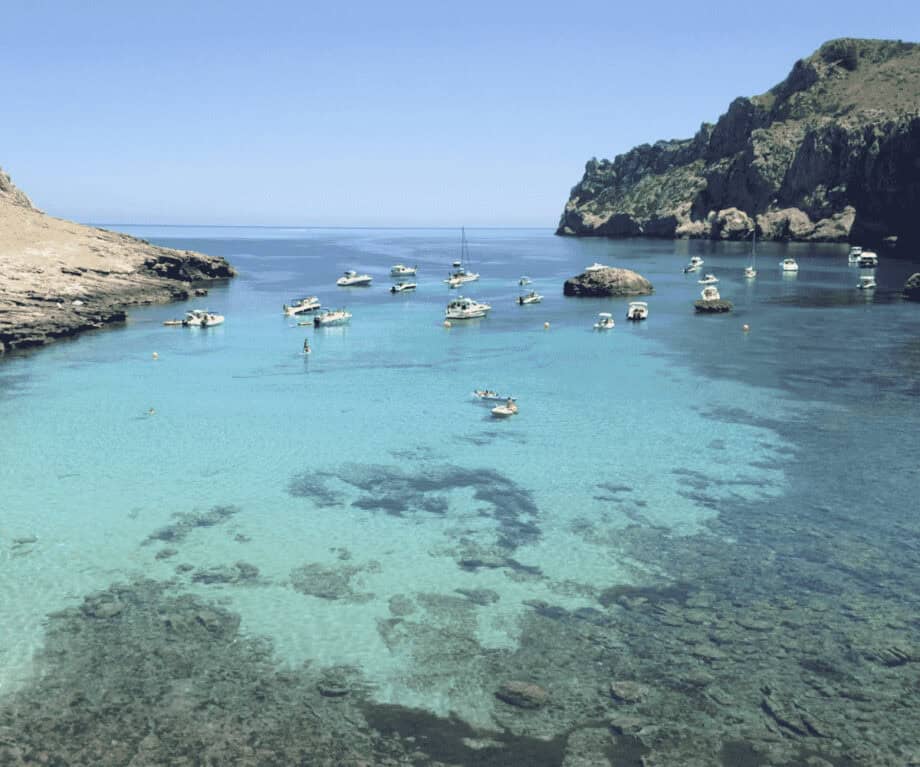
Nestled in a valley 45 minutes north of Deià, above the town of Sóller, lies Fornalutx. Consistently recognized among Spain’s most beautiful villages, its charm is undeniable. A leisurely 20-minute stroll is sufficient to traverse its entirety, revealing a unique architectural palette. Unlike the predominantly whitewashed villages of Mallorca, Fornalutx is characterized by its golden-brown stone buildings, reflecting the warm hues of the surrounding citrus groves that perfume the air, especially in spring.
At the heart of the village stands a 13th-century Gothic church, overlooking a central square that remains the focal point of local life, largely untouched by the adaptations made for tourism. This is where the authentic pulse of Fornalutx can be felt.
The village serves as an excellent base for walkers, with an extensive network of trails crisscrossing the surrounding Tramuntana area. Several of the most rewarding mountain routes commence here, offering seasoned hikers the opportunity to curate a multi-day itinerary without retracing their steps.
For dining, Es Turó is a highly recommended establishment. Its terrace setting, offering picturesque valley views, complements a seasonal menu. The roasted lamb is a particular highlight, and booking is advisable from June through September.
The Essential Role of Accommodation in the Tramuntana
Experiencing the full richness of these three distinct villages necessitates sufficient time in each. This becomes a significant challenge when staying in a hotel in Palma or a distant coastal villa. The inherent logistical difficulties can detract from the immersive quality of the visit.
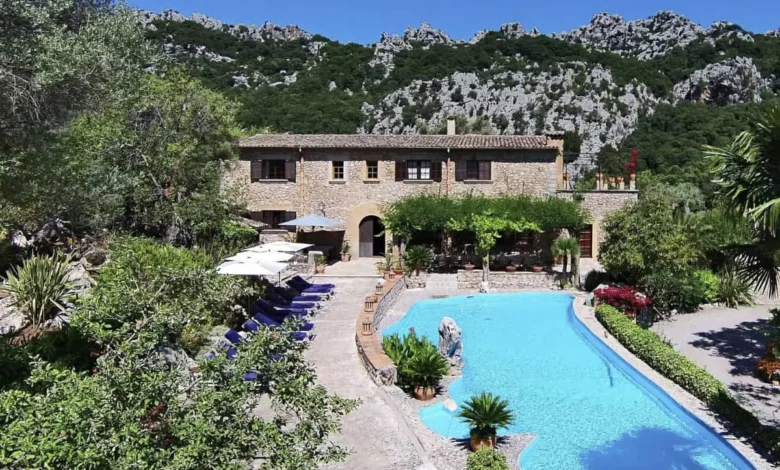
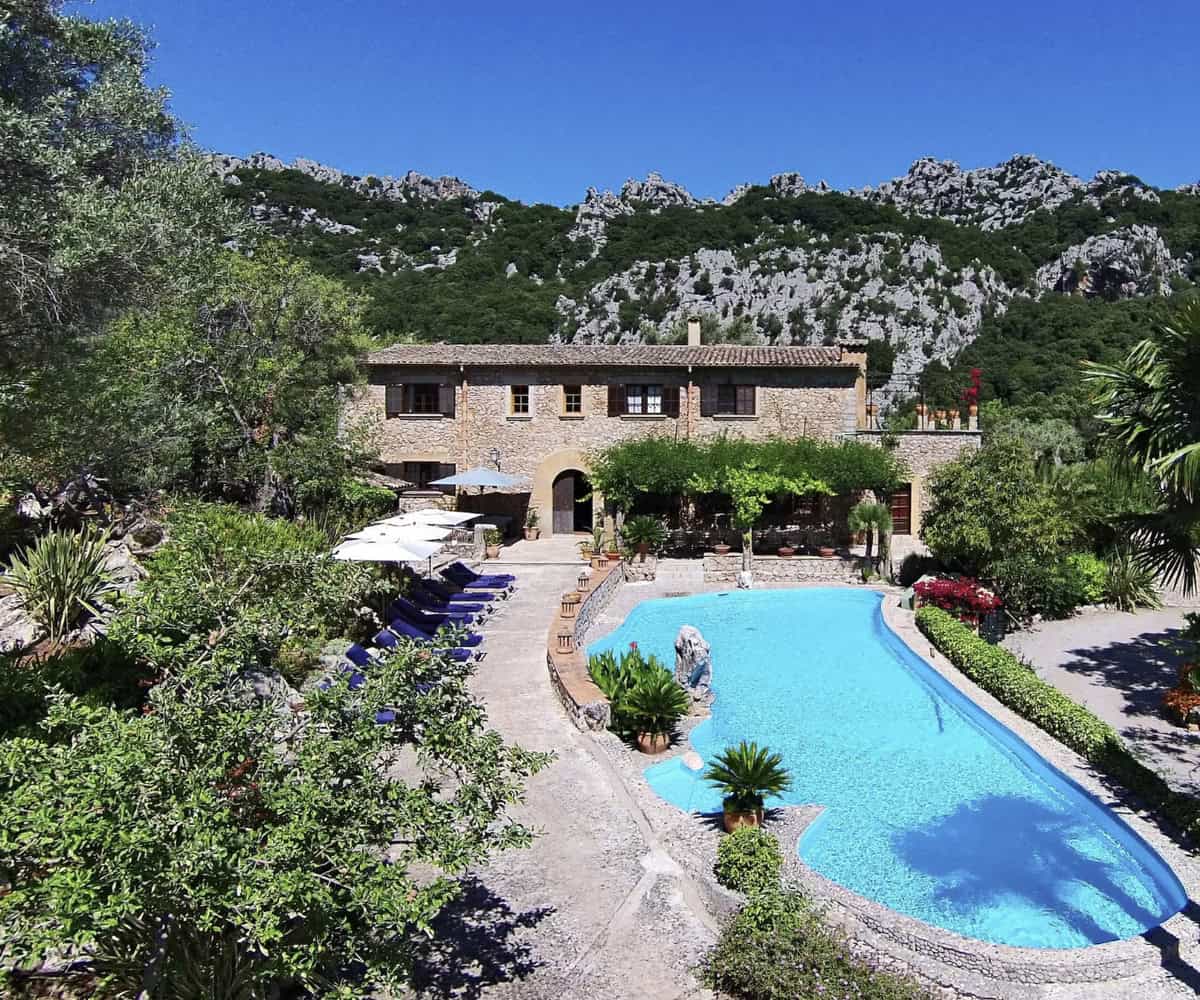
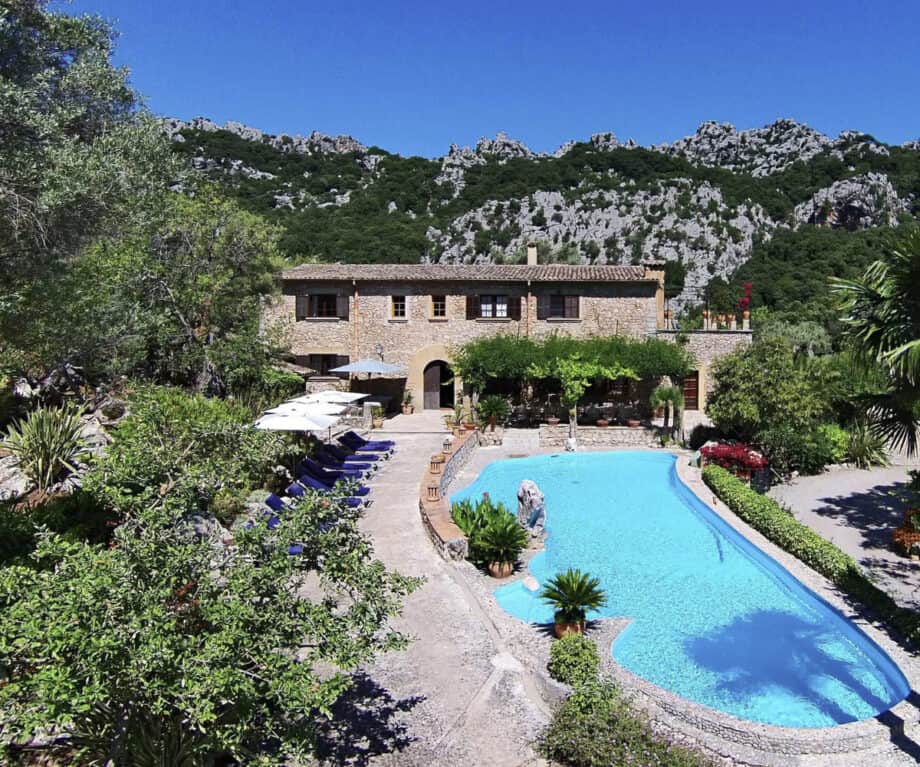
A Mallorcan finca, a traditional stone-built country estate, located within the Tramuntana countryside, offers a compelling solution. These properties, often centuries old, feature thick stone walls, cool interiors, and expansive outdoor terraces, perfectly suited for groups seeking to blend indoor comfort with outdoor living. A finca strategically placed in the Tramuntana reduces travel time to any of the three villages to a mere 15 to 20 minutes, a substantial improvement over the nearly hour-long commutes from more remote locations.
Privadia’s portfolio of exclusive vacation rentals in Mallorca is particularly well-suited to this region. Their properties in the Tramuntana area come with a concierge service that can assist with essential reservations at sought-after restaurants like Es Racó d’Es Teix, Ca’s Patró March, and Es Taller, where advance booking is crucial. For those who prefer to avoid navigating the winding mountain roads, arrangements for private drivers can also be facilitated, ensuring a seamless and stress-free exploration of the villages.
The geographical proximity of these three villages, with approximately 20 minutes separating them by car, allows for a comprehensive week-long itinerary that offers a more nuanced and accurate portrayal of the Tramuntana than dedicating an entire week to any single location. Each village possesses its own unique character, history, and charm, contributing to a richer, more diverse understanding of this extraordinary mountain landscape. By strategically choosing accommodation and planning an itinerary that embraces the distinct offerings of Deià, Valldemossa, and Fornalutx, travelers can unlock the profound beauty and enduring allure of Mallorca’s Tramuntana region, discovering a side of the island that resonates deeply with those who seek more than just a beach holiday.