Sailing to the Maghreb: A Comprehensive Guide to Ferry Travel Between Europe and Morocco

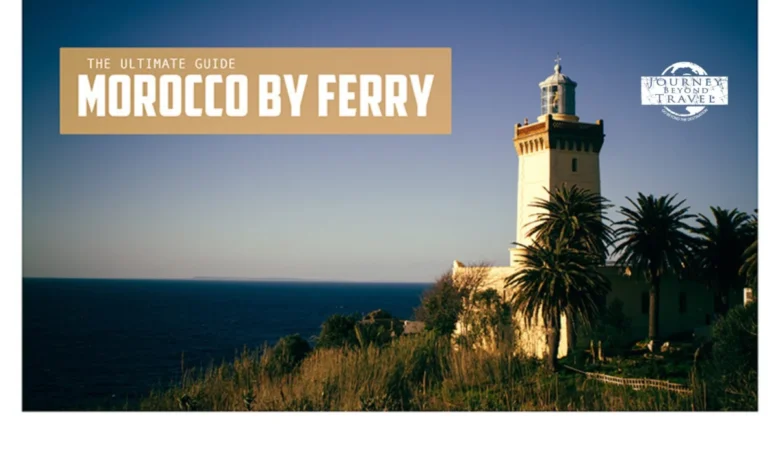
While the proliferation of low-cost carriers has made Morocco’s major airports easily accessible to global travelers, a significant segment of tourists and logistics operators continues to favor the maritime route across the Strait of Gibraltar. Traveling to Morocco by ferry is not merely a logistical choice; it is a strategic decision for those requiring greater baggage flexibility, the autonomy of a private vehicle, or a more immersive transition into the North African landscape. As of June 2026, the maritime connection between Europe and Morocco remains a vital artery for tourism and commerce, facilitating thousands of crossings annually.
Historical Context and Infrastructure Evolution
The maritime link between the Iberian Peninsula and North Africa is one of the oldest trade routes in human history, evolving from ancient Phoenician navigation to the highly modernized, multi-modal transportation networks of the 21st century. In recent decades, the Moroccan government has invested billions of dollars into the Tangier Med port complex, transforming it into the largest container port in the Mediterranean. This development has fundamentally altered ferry logistics, shifting the primary point of entry from the historic, centrally located Tangier Ville port to the high-capacity, industrialized facility of Tangier Med, situated approximately 30 kilometers east of the city.
This shift has created a dual-gateway system. Tangier Ville remains the preferred destination for foot passengers and those seeking immediate access to the city’s historic medina, while Tangier Med serves as the logistical hub for long-haul freight, heavy transit, and passengers traveling with vehicles who prioritize efficiency over proximity to the urban core.
The Geography of Maritime Entry Points
Morocco’s northern coastline serves as the primary interface for ferry traffic. Understanding the specific nature of these ports is essential for travelers planning their transit.
Tangier Med is currently the primary arrival point for long-distance routes, including those originating from Spain, France, and Italy. Due to its scale, it acts as a logistical bridge to the Moroccan highway network, offering direct access to the A4 and A5 motorways. For travelers arriving here, the journey to the capital, Rabat, is typically achieved in under three hours, while the economic hub of Casablanca is accessible within four hours.
Conversely, the port of Tangier Ville provides a more intimate entry point. Because of its location, it is restricted to smaller, faster, and more frequent vessels—predominantly those operating on the high-frequency shuttle routes from Tarifa, Spain. This route is favored by travelers who lack vehicles and wish to avoid the industrial environment of Tangier Med.
Secondary ports such as Nador, located in the northeast, serve as critical entry points for those traveling from Almeria or the Spanish enclave of Melilla. Nador is strategically positioned for travelers intending to explore the eastern Rif mountains or the historic imperial cities of Fes and Meknes, providing a more direct trajectory than entering through the Tangier cluster.
Statistical Overview and Routing Data
The frequency of crossings is highly seasonal, peaking during the "Marhaba" operation—a massive annual initiative designed to facilitate the return of the Moroccan diaspora from Europe to their home country during the summer months. During this period, ferry operators increase capacity significantly, sometimes doubling the number of daily sailings.
Primary Ferry Routes: Comparative Analysis
| Route | Average Transit Time | Typical Frequency | Primary Operators |
|---|---|---|---|
| Tarifa – Tangier Ville | 60 minutes | 10–14 daily | Balearia, AML |
| Algeciras – Tangier Med | 90 minutes | 15+ daily | DFDS, Balearia, Naviera Armas, AML |
| Algeciras – Ceuta | 60 minutes | 15–19 daily | Balearia, DFDS, Naviera Armas |
| Malaga – Melilla | 6 hours | 7–10 weekly | Balearia |
| Almeria – Nador | 6–9 hours | 7–14 weekly | Balearia, Naviera Armas |
| Barcelona – Tangier Med | 28–36 hours | 2–5 weekly | Grandi Navi Veloci |
| Sete – Tangier Med | 35–48 hours | Up to 4 weekly | Grandi Navi Veloci |
| Genoa – Tangier Med | 48–54 hours | 2–3 weekly | Grandi Navi Veloci |
Operational Implications and Logistics
For the modern traveler, the decision to take a ferry involves several operational considerations that differ significantly from air travel. Unlike airlines, which are governed by strict international aviation safety and luggage regulations, ferry transit allows for the transport of personal vehicles, camping gear, and equipment that would be prohibited or prohibitively expensive to fly.
However, the maritime sector faces unique challenges. Weather-related disruptions are a recurring factor, particularly in the Strait of Gibraltar, where strong easterly winds (Levante) can lead to temporary port closures or delays. Unlike the highly standardized schedules of international aviation, ferry schedules are susceptible to "rolling delays," where a single late departure can cascade through the entire daily manifest.
From a regulatory standpoint, passengers must be cognizant of border control procedures. Customs clearance for vehicles is a mandatory process that can extend the time spent at the port. Travelers are advised to ensure their vehicle’s "Green Card" insurance is valid for Morocco and that they possess the necessary registration documentation, as Moroccan authorities enforce strict border protocols for all incoming private vehicles.
Market Analysis: The Shift in Operators
The ferry market in the Mediterranean has undergone significant consolidation and change. A notable shift occurred in 2023, when the Danish logistics giant DFDS acquired the Spanish operator FRS. By May 2025, the brand transition was fully implemented, leading to a reorganization of service routes. This acquisition was part of a broader industry trend toward maximizing efficiency on the high-traffic Algeciras-Tangier Med corridor.
Industry analysts suggest that this consolidation is a response to the rising costs of fuel and the tightening of environmental regulations imposed by the International Maritime Organization (IMO). As shipping companies face pressure to lower carbon emissions, the investment in newer, more fuel-efficient vessels has become a prerequisite for maintaining competitive pricing. Consequently, passengers may notice a bifurcation in the market: older, budget-friendly vessels serving high-frequency short routes, and newer, amenity-rich ships operating the long-haul routes from Sete or Genoa.
Impact on Regional Tourism and Economy
The ferry network is an essential driver of the regional economy in Northern Morocco. The connectivity provided by these routes supports a decentralized tourism model, allowing visitors to move beyond the traditional hubs and explore the coastal regions of Tetouan, Chefchaouen, and the Mediterranean littoral.
Furthermore, the logistical ease of transporting vehicles has fostered a growing "overlanding" and self-drive tourism sector. By removing the friction of international car rentals—which can be complex and expensive—the ferry model encourages longer-duration stays. Data from regional tourism boards indicates that travelers arriving by ferry tend to spend an average of 14 to 21 days in the country, compared to the 5 to 7-day average for those arriving by air. This extended duration translates into higher regional economic impact, particularly in rural and secondary urban areas that rely on tourism revenue.
Essential Travel Requirements
For those preparing to utilize these maritime routes, several administrative steps are required to ensure a smooth transition:
- Documentation: While visa-free entry applies to many nationalities for stays under 90 days, it is imperative to verify the latest regulations via the Moroccan Ministry of Foreign Affairs, as policies can shift based on bilateral agreements.
- Advance Booking: During the summer months and peak holiday seasons, booking in advance is not merely a recommendation; it is a necessity. Port congestion is common, and walk-up tickets for vehicles are frequently unavailable.
- Port Protocols: Authorities recommend arriving at the terminal at least two hours prior to departure. This window accounts for the time required to navigate customs, vehicle inspection, and boarding.
- Onboard Amenities: Long-haul routes from France and Italy operate more like cruise ships than transport ferries. Passengers should account for the cost of cabin bookings, as these are often mandatory for overnight crossings, significantly impacting the total cost of the journey.
Future Outlook
Looking toward the latter half of the decade, the maritime connection between Europe and Morocco is expected to continue its trajectory of modernization. Infrastructure projects, including the expansion of port facilities to accommodate the increase in trade and passenger numbers, are currently underway. Additionally, as global tourism shifts toward more sustainable and slower modes of travel, the ferry industry is uniquely positioned to capitalize on this trend, provided it can balance service efficiency with the environmental challenges inherent in maritime transport.
For the traveler, the ferry remains a compelling alternative to the sterile, time-compressed experience of modern air travel. It provides a tangible sense of geography—the experience of crossing the threshold between two continents—that remains a hallmark of the adventurous traveler’s journey into the heart of Morocco.