From Influencer Burnout to Polar Expedition Leader: The Career Evolution of Modern Travel Writers in the High North

The landscape of professional travel creation has undergone a profound transformation over the past decade, shifting away from digital saturation toward specialized, boots-on-the-ground expertise. A prominent example of this industry-wide evolution is the career trajectory of veteran travel writer and photographer Liz Carlson, widely known as the Young Adventuress, who has transitioned from traditional digital influencing to a full-time career as a polar expedition guide and specialized travel consultant. Carlson has officially embarked on a rigorous three-month summer season in the Arctic with Adventure Canada, operating across the remote waterways of Canada and Greenland. This pivot highlights a broader trend among long-form digital creators seeking relief from post-pandemic digital fatigue by anchoring their careers in tangible, high-skill environmental engagement.
The Logistics and Realities of Modern Polar Travel
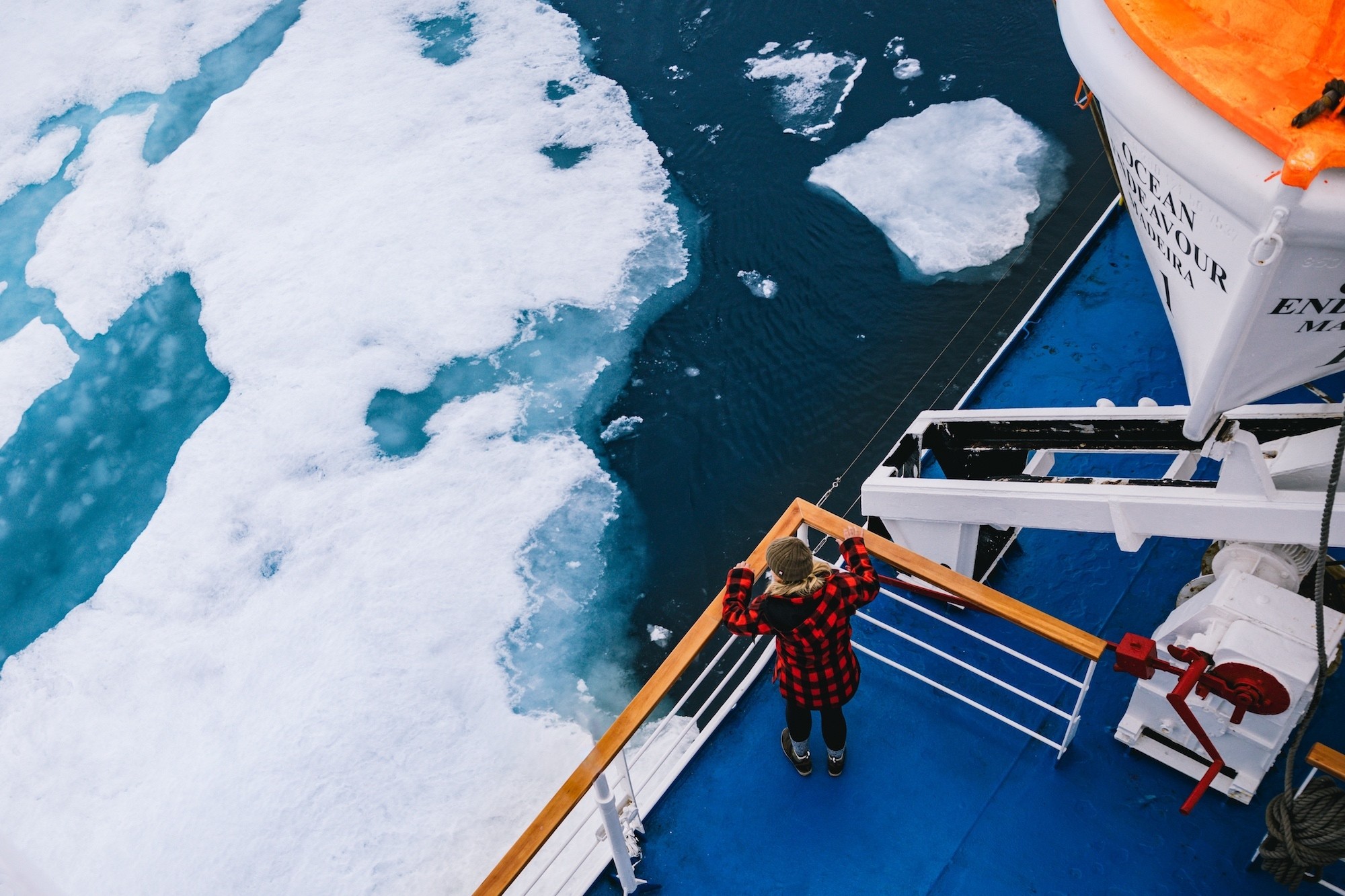
Accessing the Earth’s polar regions remains one of the most logistically complex undertakings in modern tourism. The Arctic, characterized by vast expanses of impenetrable sea ice, is accessible only during a narrow window of the summer thaw, typically spanning from June through September. During this fleeting period, expedition vessels serve as the primary lifeline for scientists, crew, and travelers, navigating waters where commercial infrastructure is virtually non-existent.
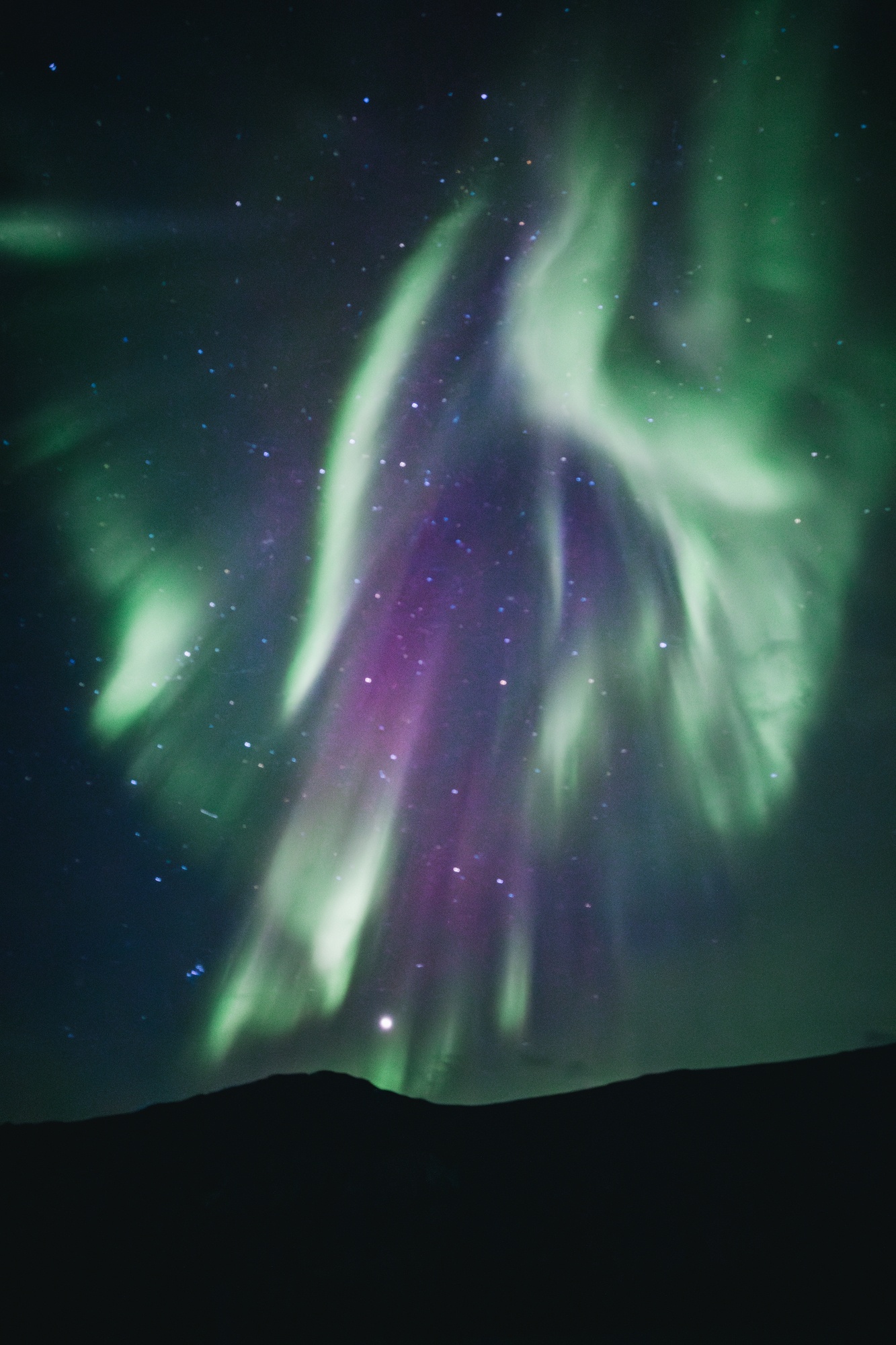
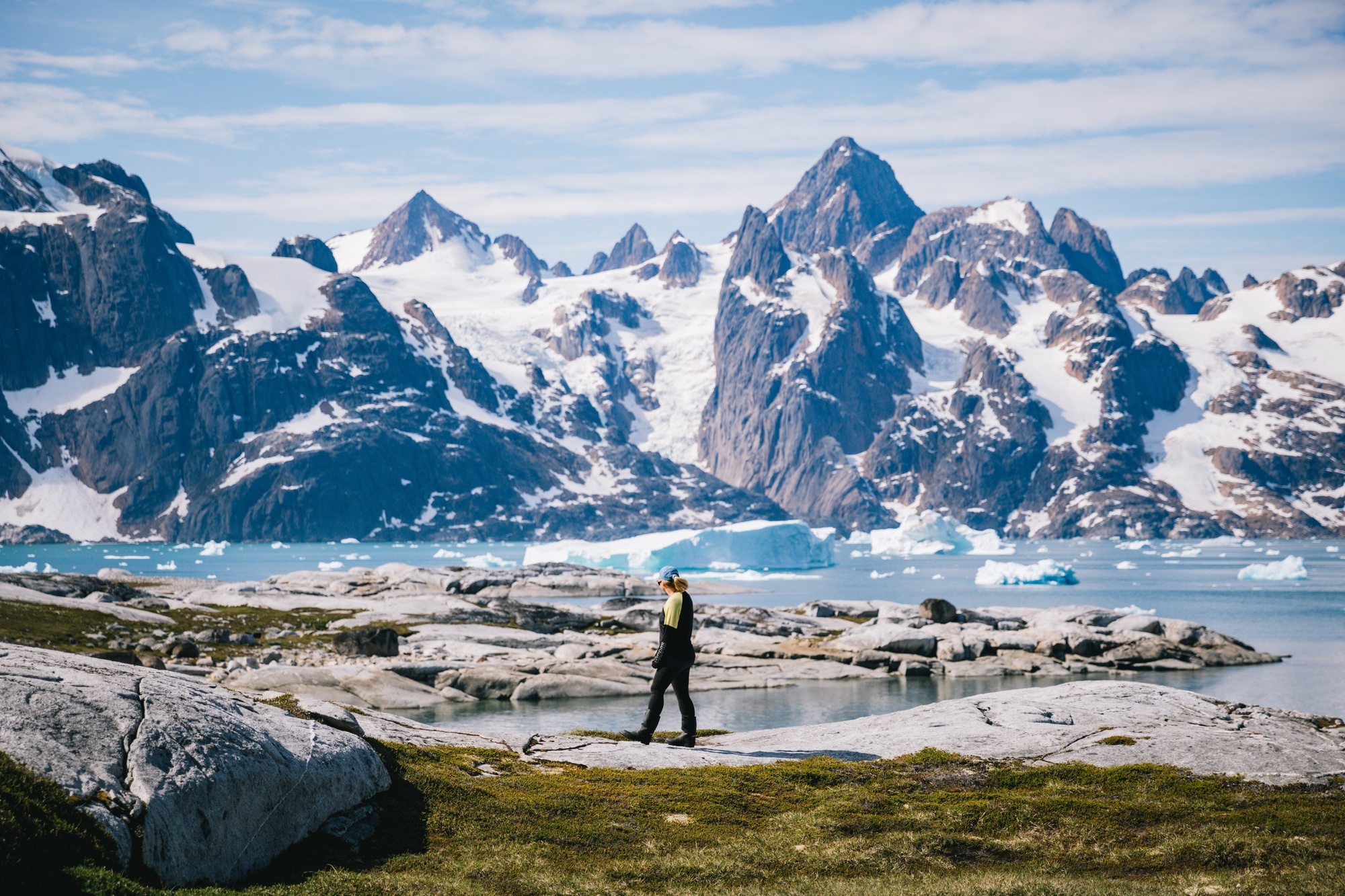
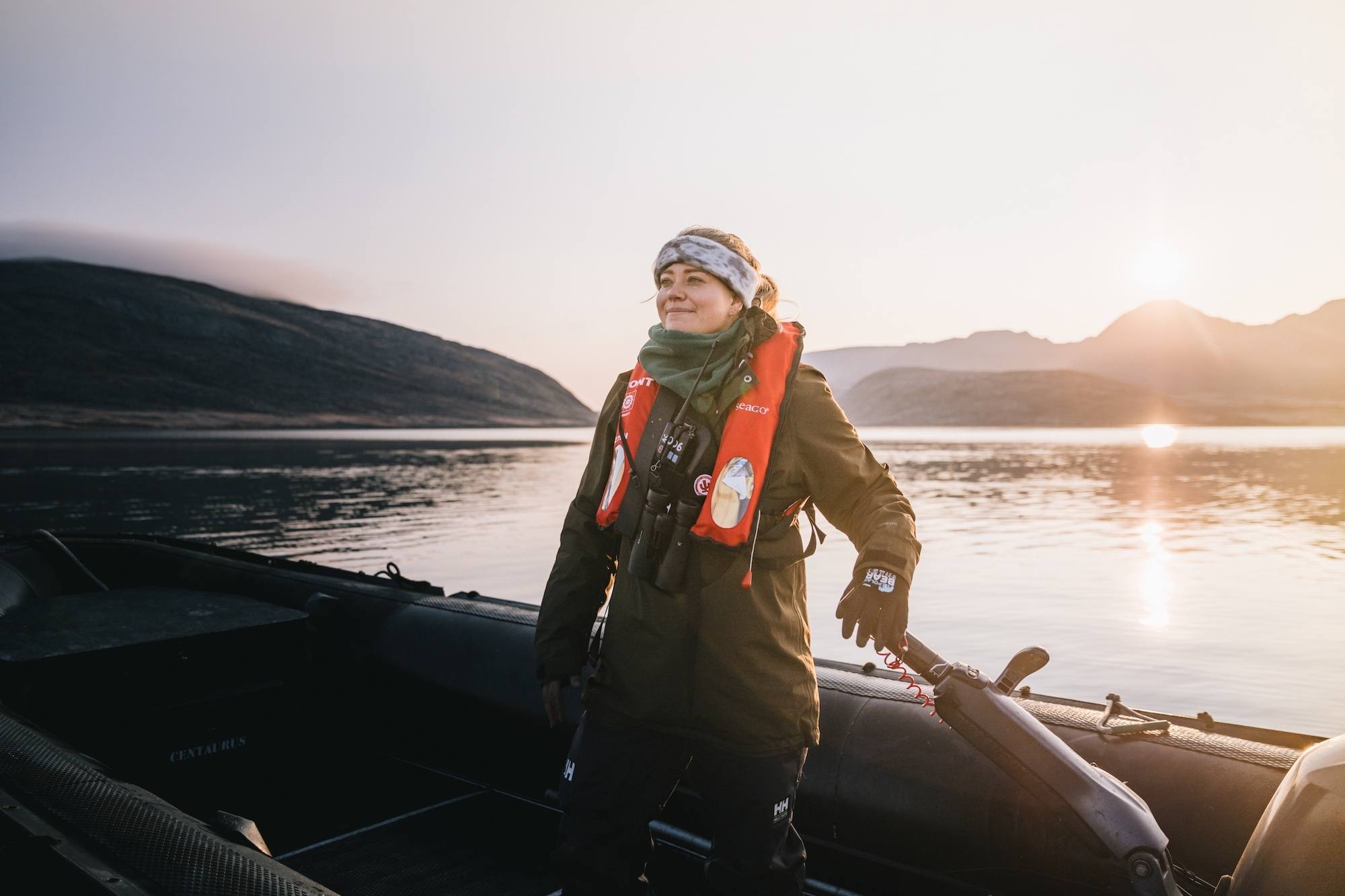
According to data from the Association of Arctic Expedition Cruise Operators (AECO), polar tourism has seen a steady resurgence following the lifting of global travel restrictions. However, operators face strict regulatory frameworks designed to protect fragile ecosystems and indigenous communities. Traveling through these latitudes requires specialized ice-strengthened hulls, highly trained navigation crews, and expedition personnel capable of managing unpredictable meteorological conditions, shifting pack ice, and wildlife encounters. For professionals like Carlson, the daily responsibilities extend far beyond content creation; they involve piloting Zodiac watercraft through mazes of towering icebergs, maintaining constant bridge watch for marine life, and ensuring strict adherence to international environmental protocols.
The Economics of Influencer Burnout and Industry Pivot
The decision by seasoned content creators to move away from traditional digital monetization models reflects mounting systemic pressures within the creator economy. Following the COVID-19 pandemic, many travel writers reported experiencing severe burnout driven by algorithm shifts, constant pressure to produce ephemeral content, and oversaturated digital marketplaces.

Carlson’s transition to expedition guiding and curated polar trip consulting illustrates a sustainable alternative economic model. By stepping back from the traditional influencer rat race—which relies heavily on brand sponsorships and high-volume advertising impressions—creators are increasingly leveraging their specialized field experience to offer high-value, niche services. In this capacity, Carlson operates similarly to a specialized boutique travel broker, partnering with established operators like Adventure Canada to connect travelers with vetted polar itineraries. Under this referral-based model, creators earn commissions while providing prospective travelers with first-hand operational knowledge, safety insights, and logistical preparation.
Adventure Canada and the Family-Run Expedition Model
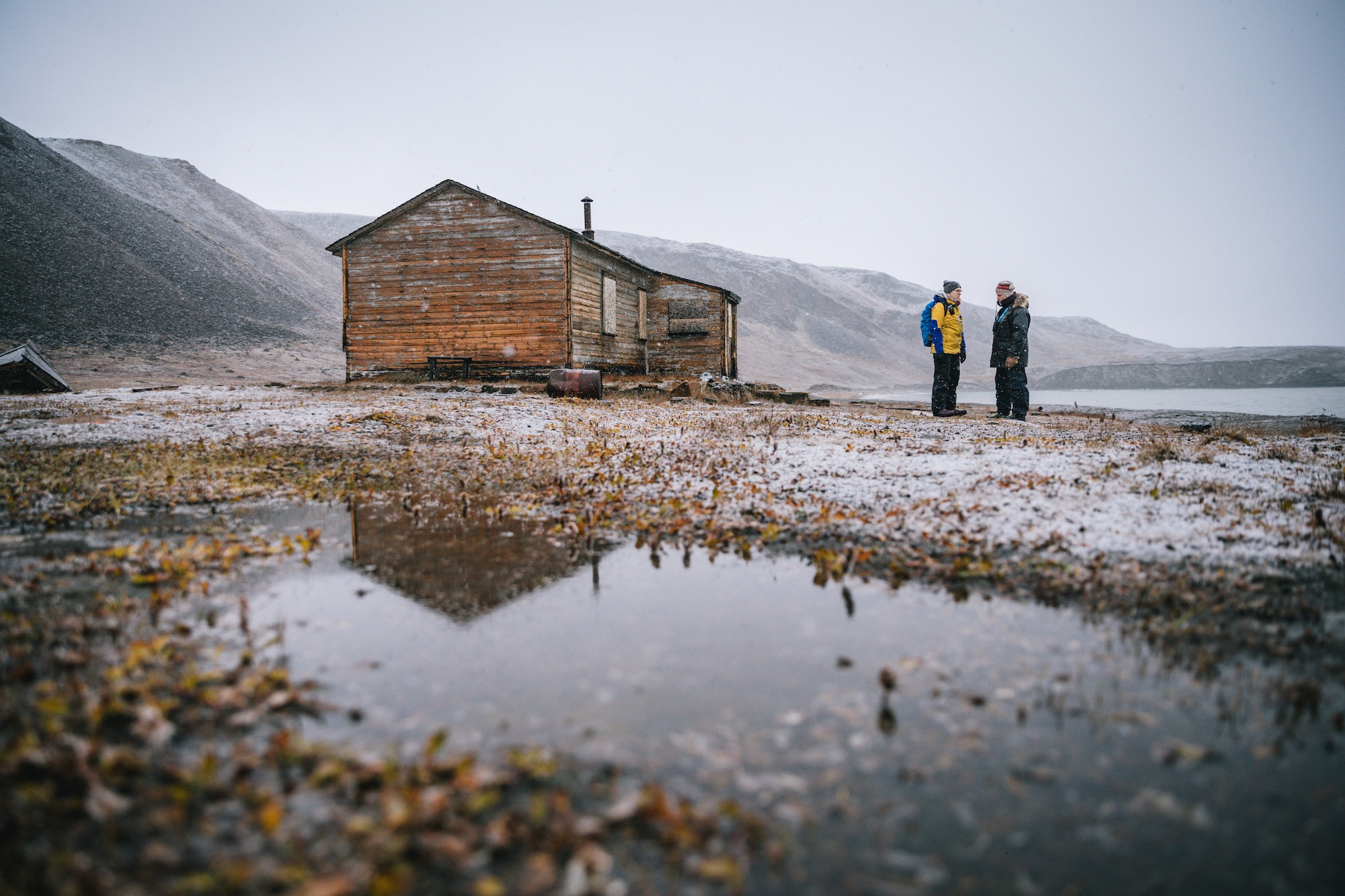
The operational backbone of Carlson’s current venture is Adventure Canada, a family-owned and operated expedition cruise company founded by the Gisbourne family alongside close associates. Established with a focus on educational and community-oriented tourism, the company has carved out a distinct market share in the Canadian Arctic and Greenland.
Industry analysts note that expedition travel differs significantly from mainstream cruising due to its emphasis on experiential education, cultural exchange, and high passenger retention rates. Adventure Canada reports that a significant percentage of its clientele consists of repeat passengers—a level of brand loyalty that is rare in broader travel sectors. This retention is largely attributed to the continuity of veteran expedition teams, many of whom return year after year, fostering a community-oriented environment on board the ships. For guides, this structure offers a sense of professional camaraderie and stability that is absent in freelance digital media production.
Conservation Implications and the Rise of the Polar Ambassador
Beyond the economic and career implications, the influx of specialized travelers into the high North carries significant conservation weight. Environmental scientists and tourism boards have long debated the ecological footprint of polar tourism. However, organizations like AECO argue that responsible, heavily regulated expedition travel plays a critical role in global conservation efforts.
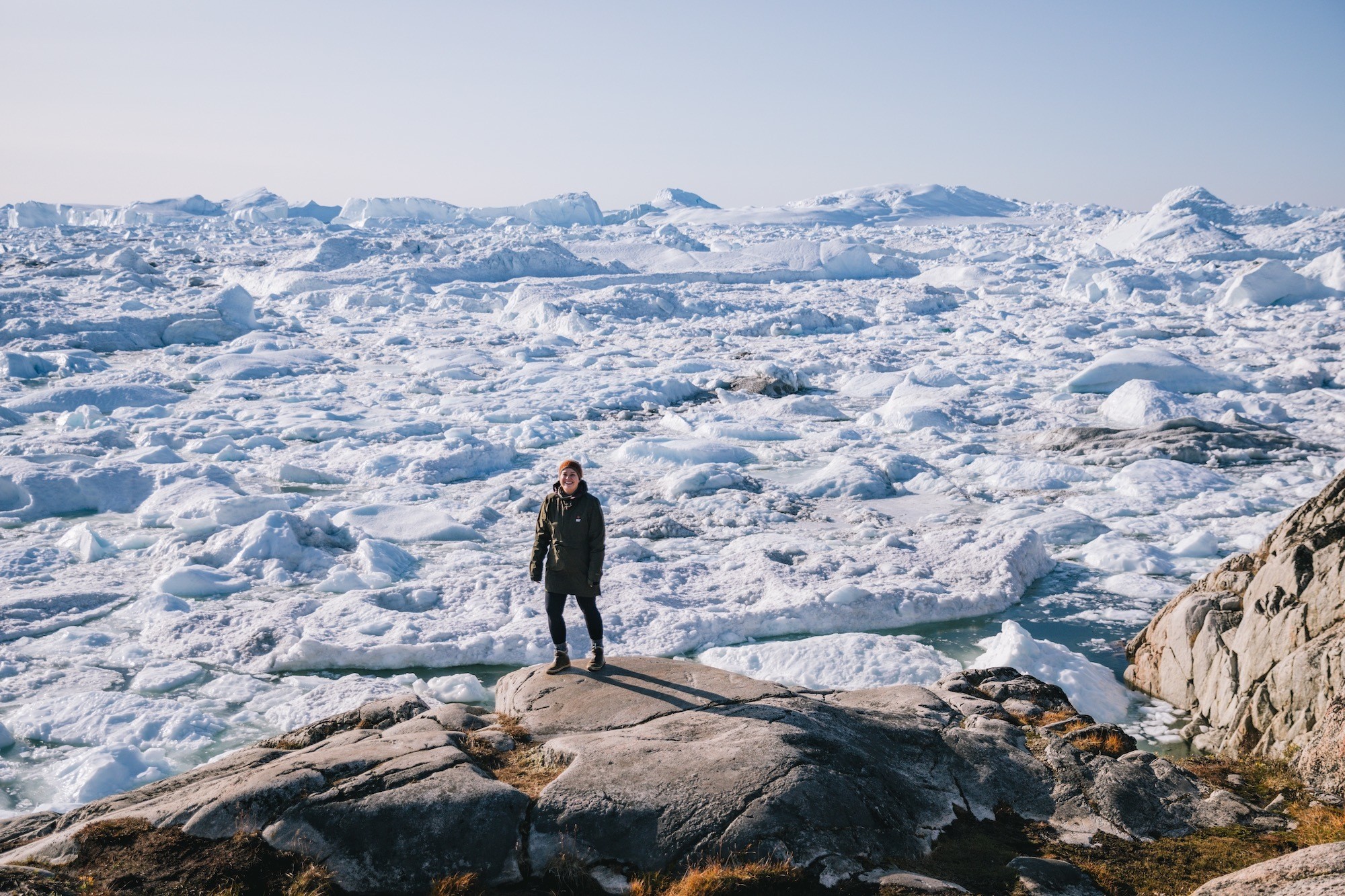
Statistics compiled by polar conservation groups indicate that travelers who witness firsthand the impacts of climate change—such as retreating glaciers, diminishing sea ice, and altered marine ecosystems—frequently return home as vocal advocates for environmental policy. By embedding education directly into the travel itinerary, expedition companies aim to cultivate a global network of "polar ambassadors."
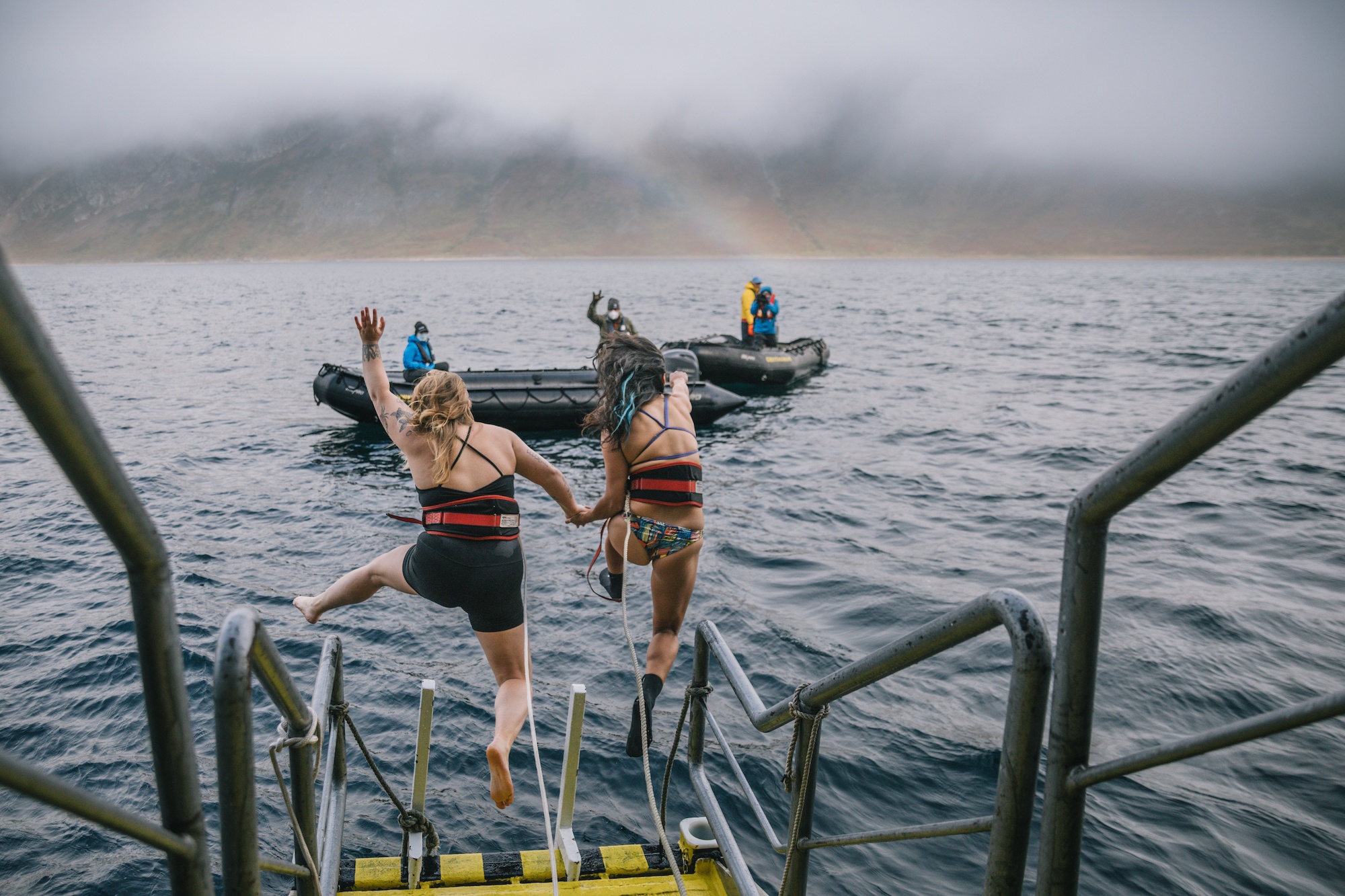
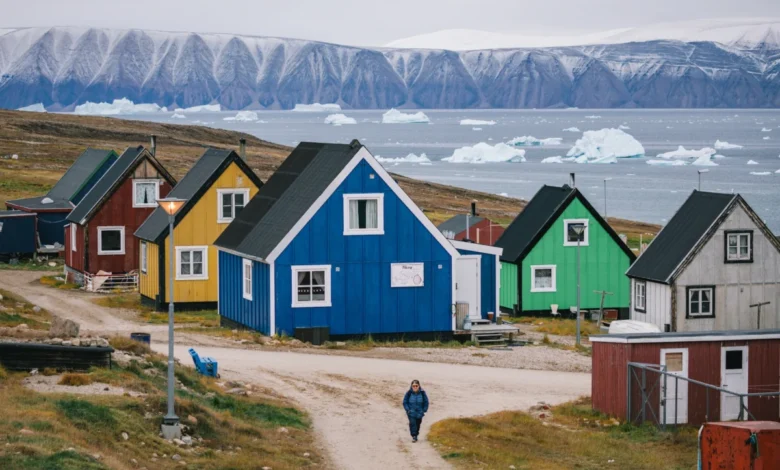
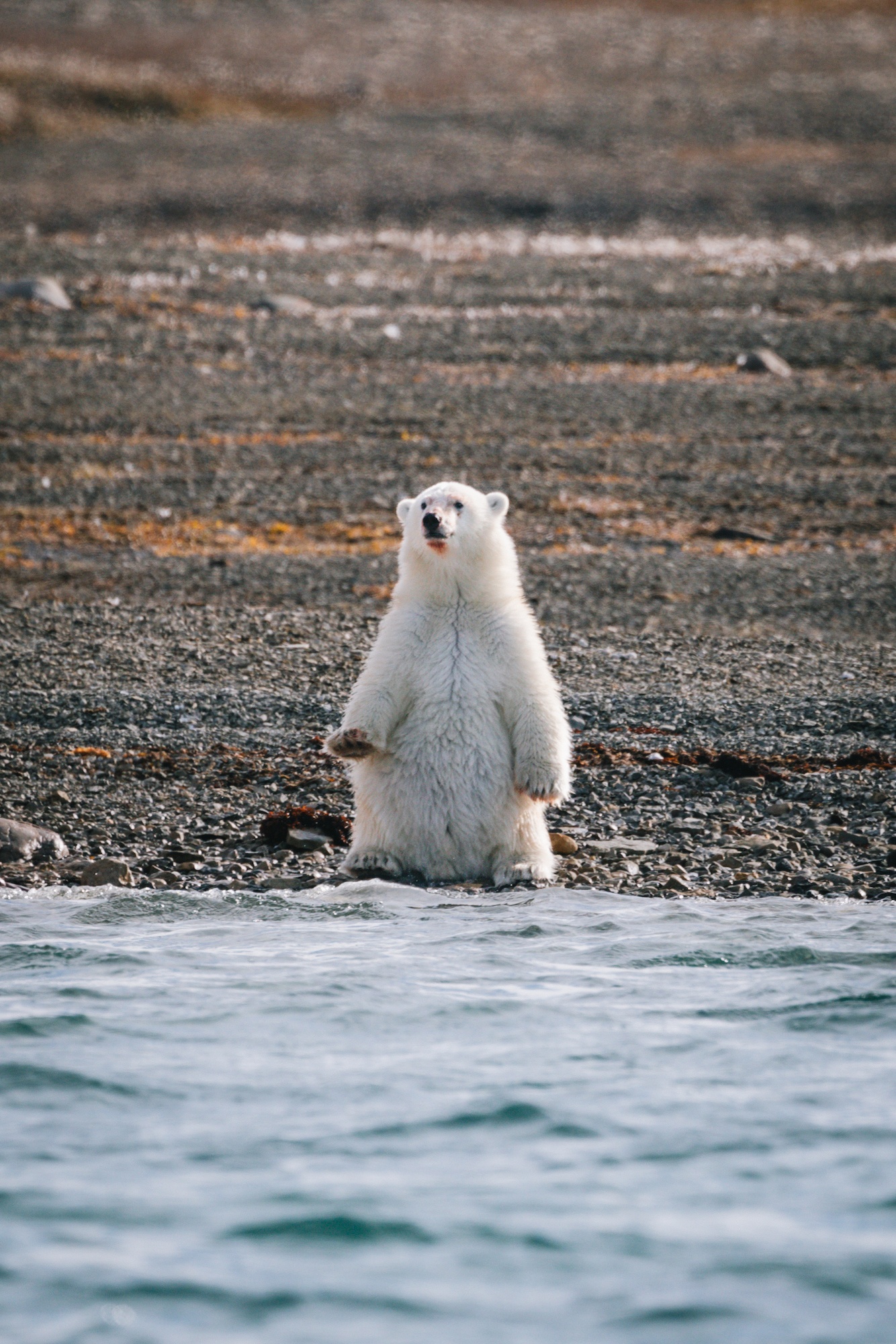
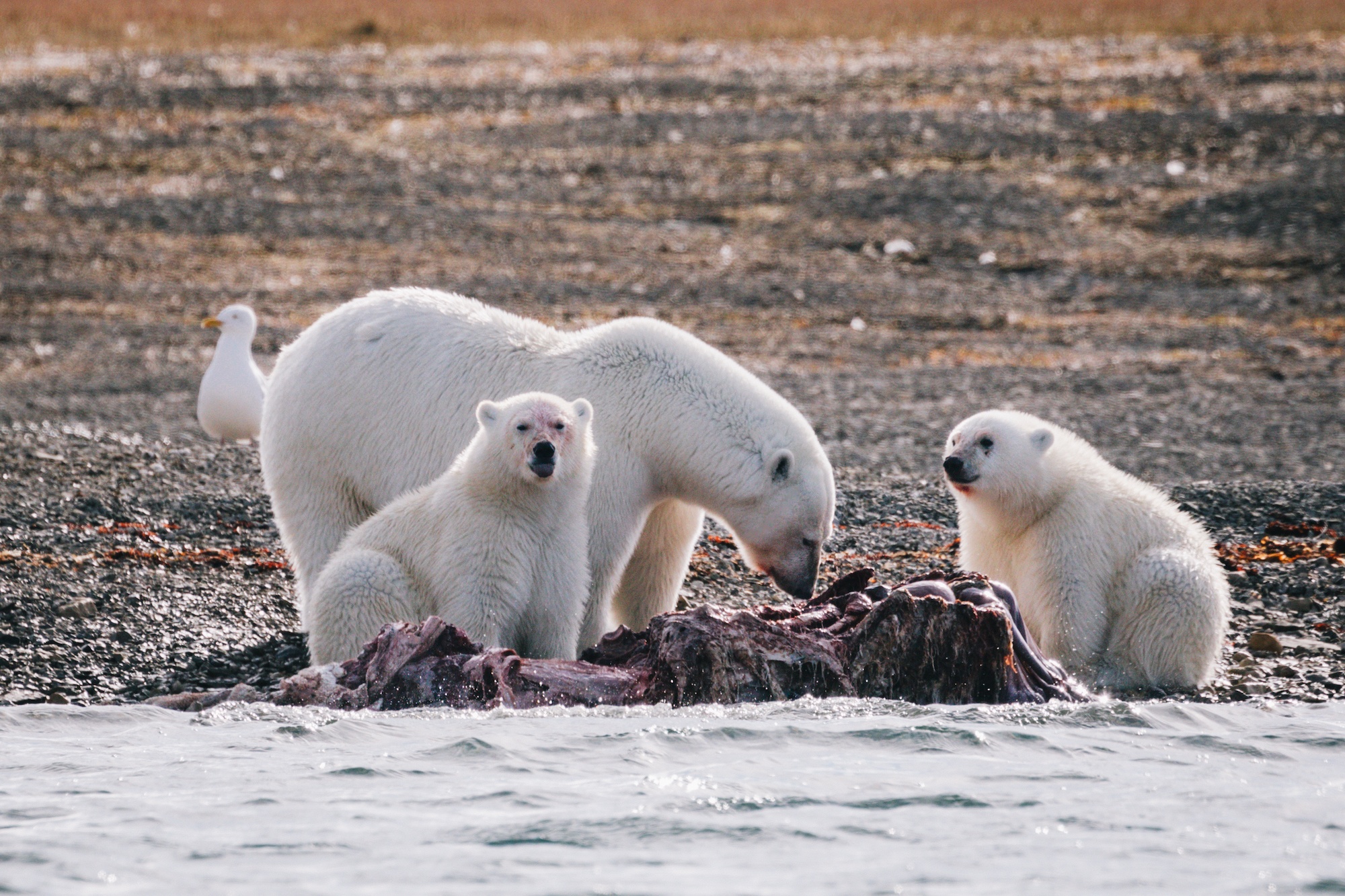
These voyages often feature onboard lectures by marine biologists, historians, and Indigenous cultural leaders, ensuring that passengers gain a comprehensive understanding of the geopolitical, ecological, and social realities facing Arctic communities. Activities such as visiting northern settlements, engaging with Inuit artists, and observing apex predators like polar bears within their natural habitats reinforce the interconnectedness of global climate systems.
Future Outlook for Niche Tourism and Expert-Led Travel
As the travel industry continues to mature, experts predict a continued shift toward hyper-specialized, experiential journeys led by subject-matter experts rather than generalist influencers. Consumers are increasingly seeking authenticity, safety, and depth over curated digital aesthetics.
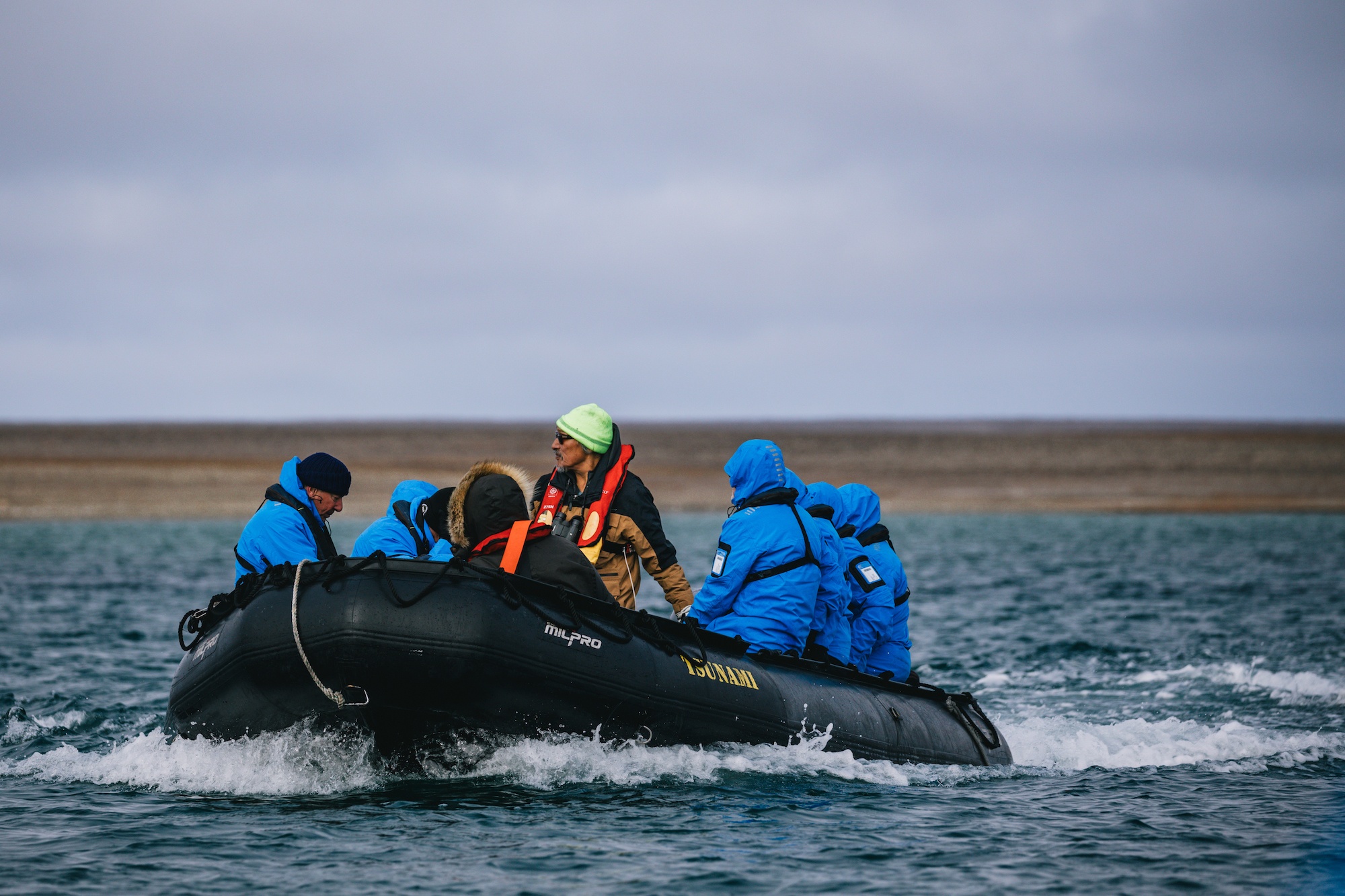
For professionals transitioning from digital media to operational roles in extreme environments, the path forward requires rigorous training, resilience, and a genuine commitment to environmental stewardship. As Carlson and her peers demonstrate, the future of travel storytelling lies not just in documenting distant horizons, but in actively participating in the preservation, navigation, and responsible sharing of the planet’s most remote frontiers.