Pedaling Through the Lowlands: A Comprehensive Guide to Family Cycling Vacations in the Netherlands


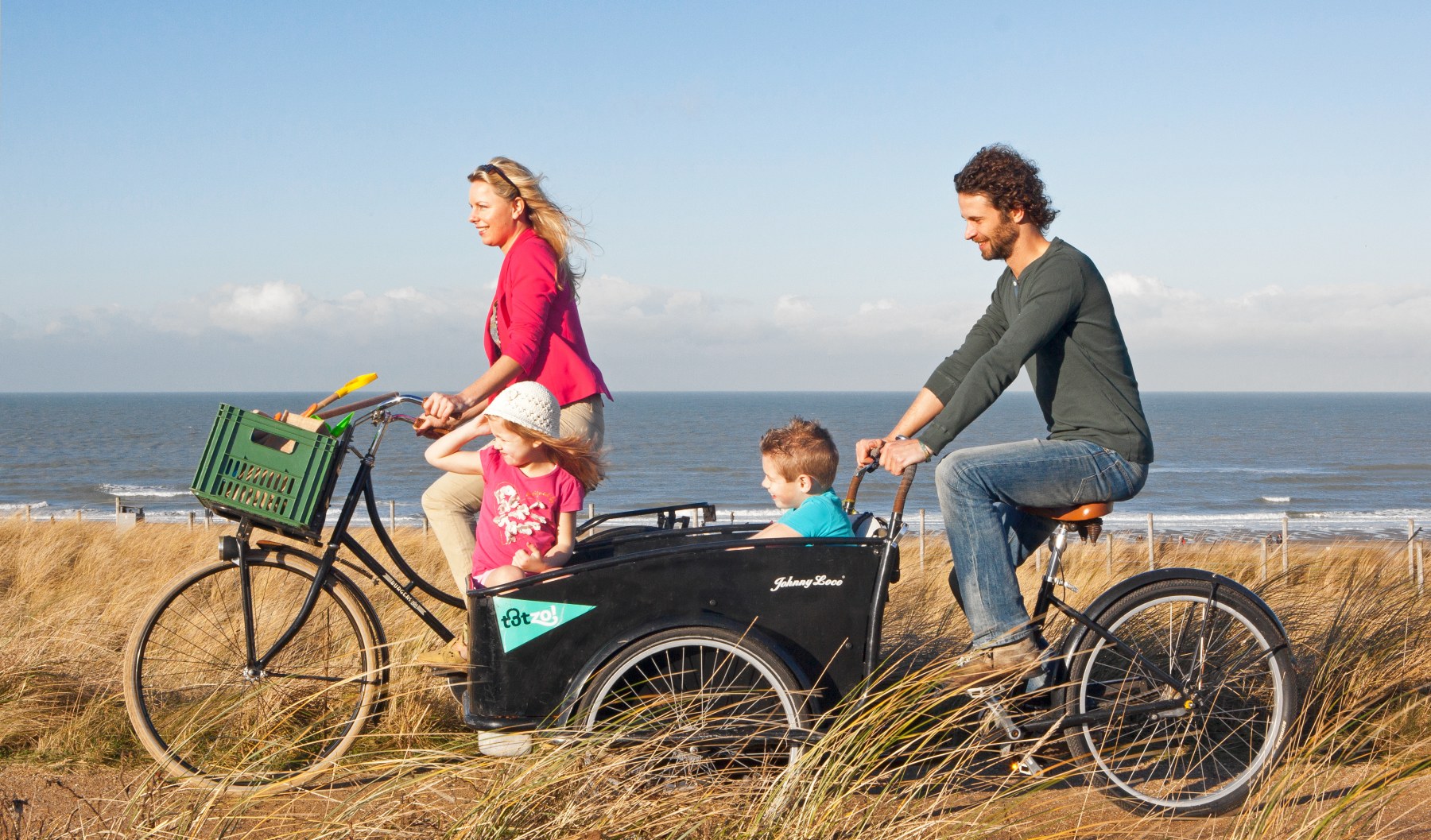
The Netherlands has long maintained its status as a global benchmark for bicycle-centric infrastructure, boasting an estimated 23,000 miles of dedicated, highly structured bike paths that frequently operate completely separate from motorized vehicular traffic. For families seeking an active, culturally immersive vacation, transitioning from traditional sightseeing to two-wheeled exploration offers a unique vantage point of the country’s picturesque canals, historic architecture, and pastoral landscapes. By renting standard touring bicycles equipped with rear child seats or opting for traditional Dutch cargo bikes—known locally as bakfiets—parents and young children can traverse the flat, meticulously maintained terrain with ease. This travel paradigm transforms routine transit into an integrated component of the itinerary, punctuated by frequent culinary stops featuring stroopwafels, artisanal cheeses, and local pastries. While many international travelers naturally gravitate toward Amsterdam as a primary point of entry and accommodation, neighboring urban centers such as The Hague and Delft provide equally rich, albeit more relaxed, launchpads for family-oriented cycling excursions.
Historical Context and Infrastructure Evolution
The prevalence of cycling within Dutch society is not merely a modern recreational trend, but the result of decades of deliberate urban planning and legislative action. Beginning in the 1970s, widespread civic protests against rising traffic fatalities—particularly among children—prompted municipal governments nationwide to overhaul transportation policies. The resulting infrastructure prioritized non-motorized transport, establishing comprehensive networks of dedicated lanes, specialized traffic signals, and traffic-calmed residential zones. Today, this infrastructure accommodates millions of daily commuters while seamlessly absorbing leisure cyclists and family groups. The geographical flatness of the terrain, combined with temperate oceanic weather patterns, creates an environment where novice riders and toddlers can participate safely. Government statistics consistently indicate that bicycle ownership in the country exceeds the human population, underpinning a cultural framework where cycling is viewed as a primary, practical mode of daily mobility rather than a purely athletic endeavor.
The Hague as a Strategic Family Hub
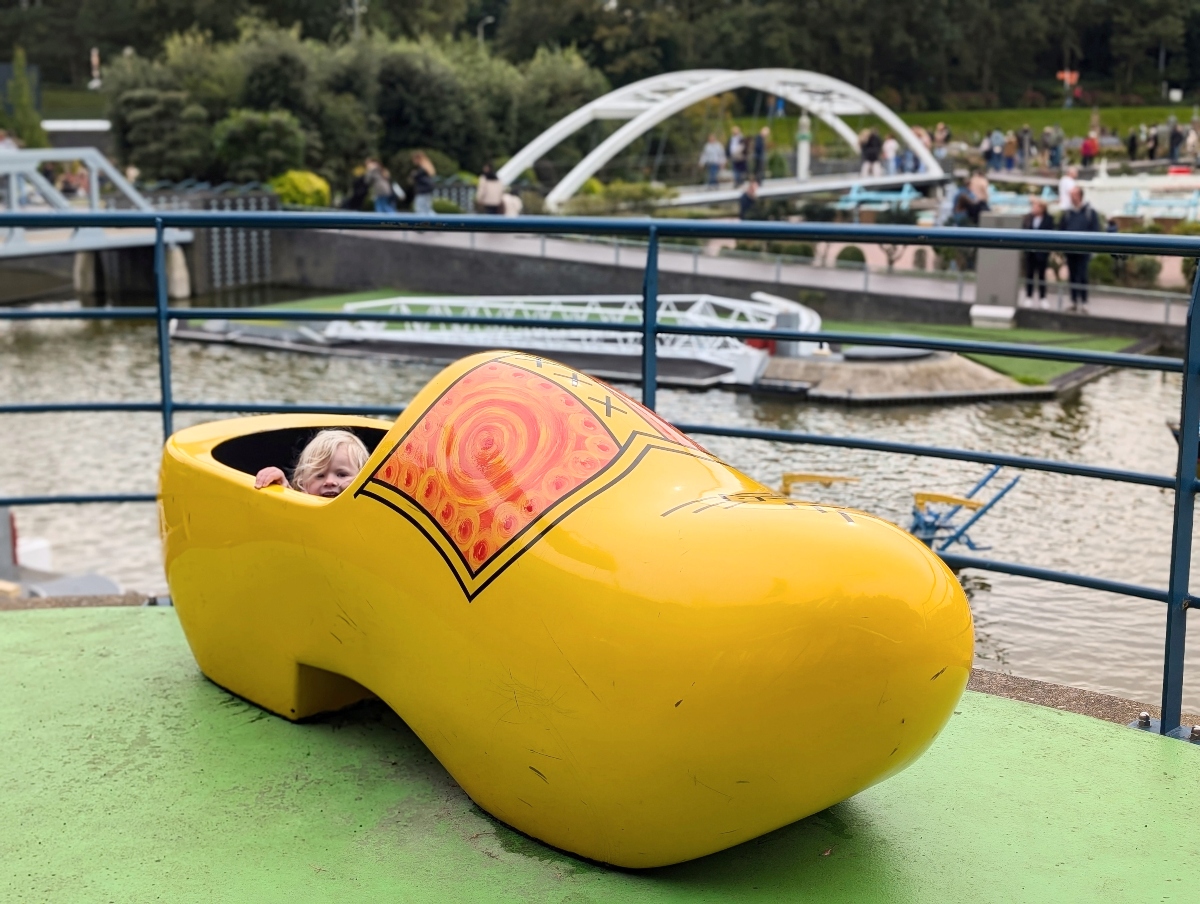
Opting for The Hague as a base of operations rather than the denser urban core of Amsterdam affords families a calmer introductory experience to Dutch culture while preserving proximity to world-class cultural and recreational institutions. Located approximately a ten-minute ride from the central district, the interactive miniature park Madurodam introduces young visitors to the nation’s architectural highlights and engineering marvels through scale models, including operational canal locks and miniature cargo vessels. For families balancing diverse age groups, the city offers straightforward access to the Mauritshuis, housing canonical works by Dutch Masters such as Johannes Vermeer, alongside Escher in Het Paleis, which displays the optical illusions and geometric tessellations of M.C. Escher.
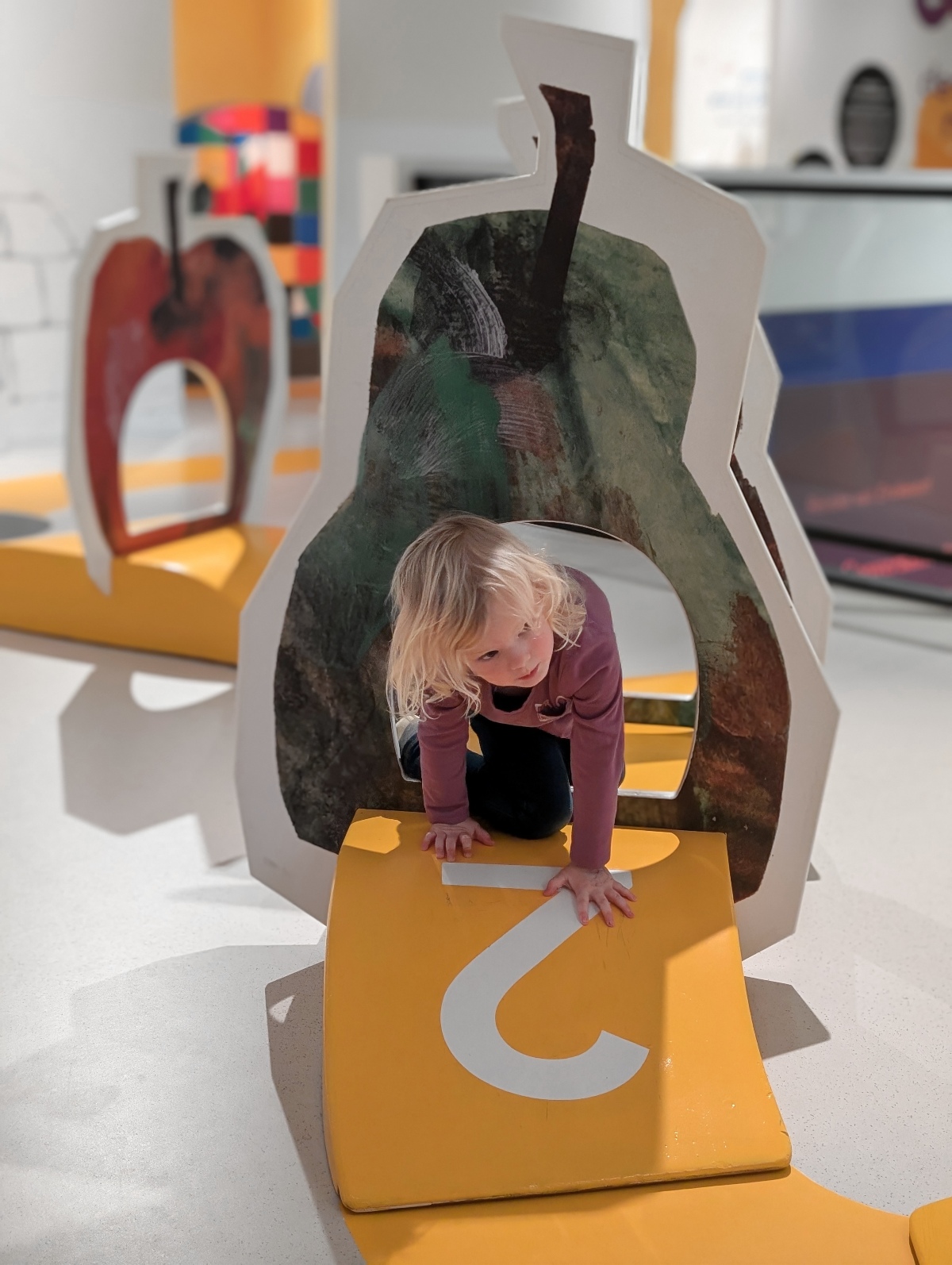
Culinary traditions tailored to younger palates are readily accessible throughout the municipality. The Malieveld Pavilion, situated adjacent to the expansive Haagse Bos park, serves poffertjes—traditional miniature Dutch pancakes dusted with powdered sugar and butter. Furthermore, the Children’s Book Museum (Kinderboekenmuseum), located within the Royal Library complex just minutes from the city center, employs tactile, literature-based exhibits that allow children to physically interact with narratives popularized by authors and illustrators such as Eric Carle and Dick Bruna.
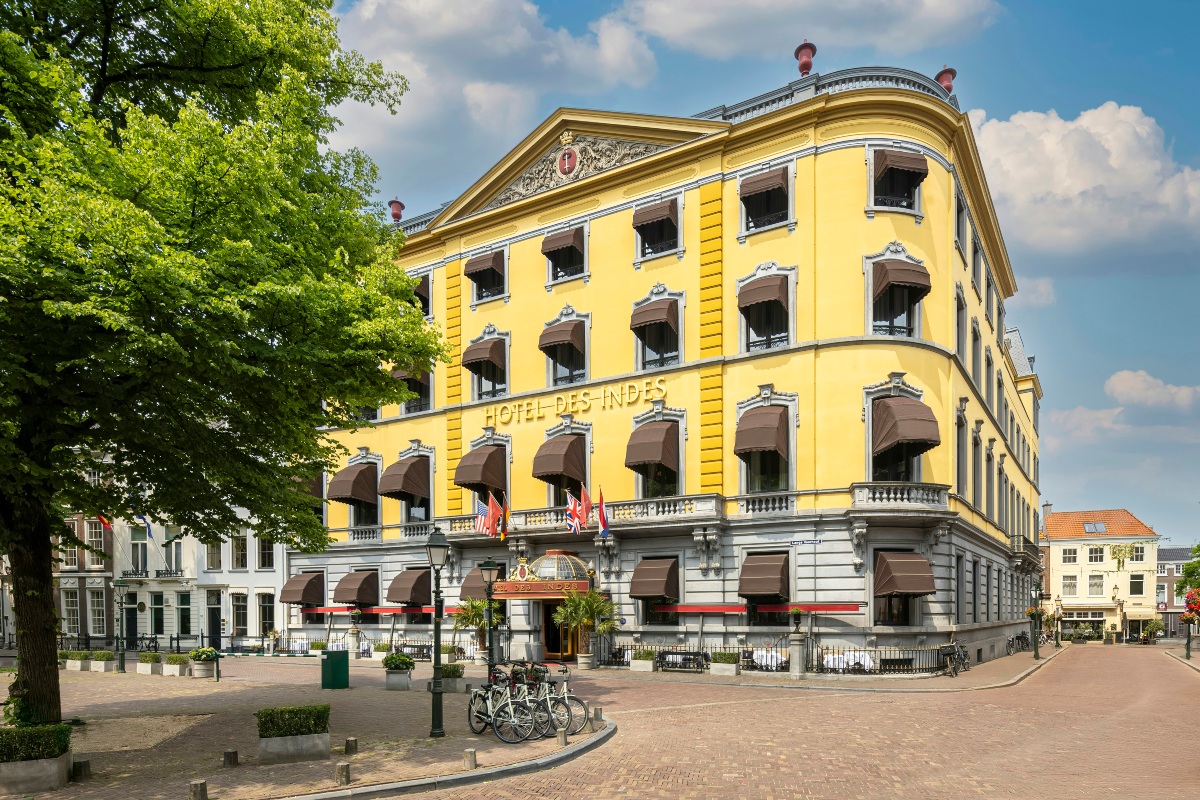
For upscale accommodations within The Hague, properties such as the historic Hotel des Indes—originally constructed in 1858 as a private palace—provide specialized family-oriented suites, comprehensive wellness facilities, and historical resonance, having hosted numerous international dignitaries and artists over the past century and a half.
Coastal Excursions and Coastal Dune Cycling
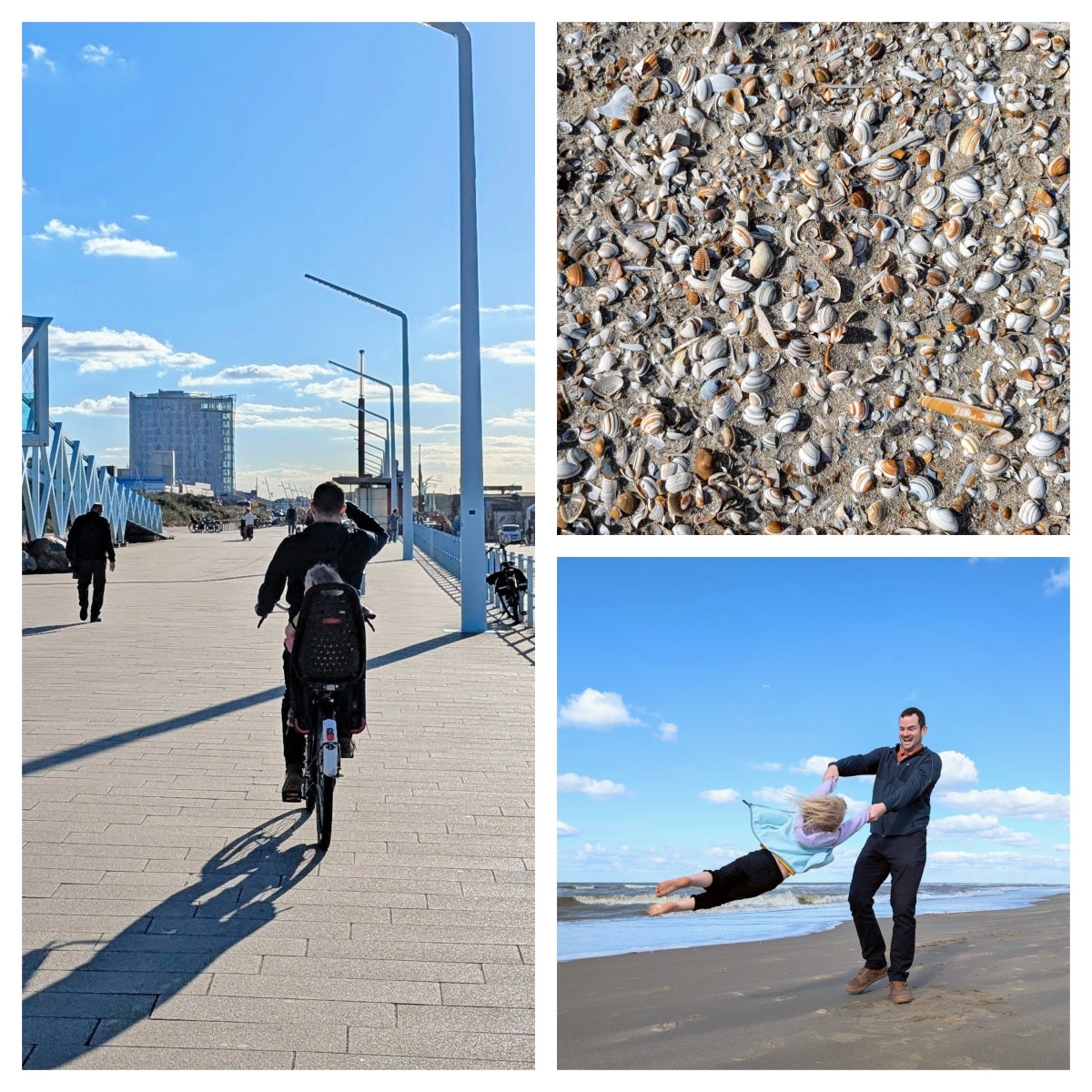
Expanding the itinerary beyond urban boundaries reveals the diverse ecosystems flanking the North Sea coast. A well-maintained cycling route leads from the center of The Hague to the seaside district of Scheveningen in approximately 25 minutes. The route traverses protected dune landscapes characterized by rolling sand formations and indigenous grasses, offering a stark contrast to the urban streetscapes. Scheveningen’s expansive shoreline is a frequent destination for families seeking unstructured outdoor recreation, including shell collecting and seasonal coastal activities. The local pier features year-round attractions, including an enclosed observation wheel and seasonal adventure sports facilities, complemented by numerous dining establishments situated directly on the beachfront.
Architectural Heritage and Craftsmanship in Delft
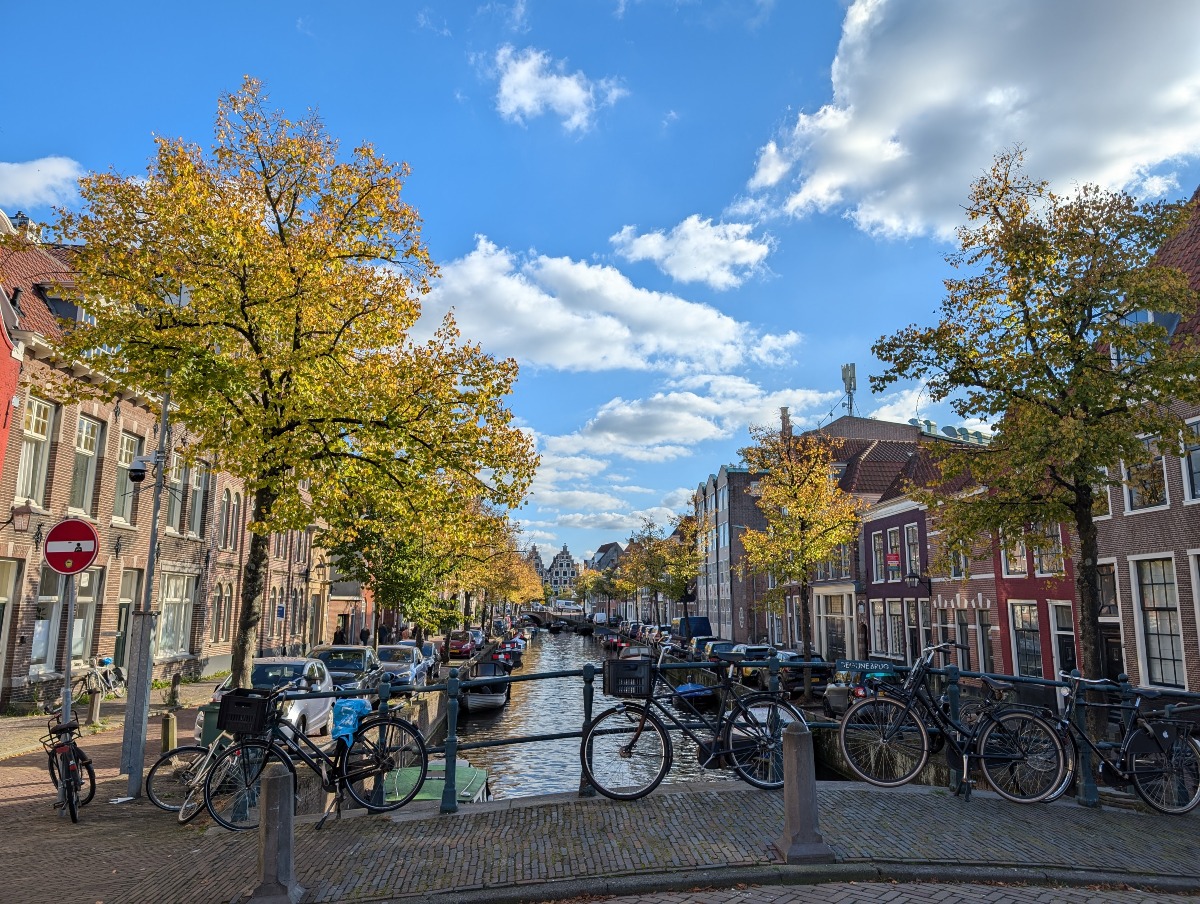
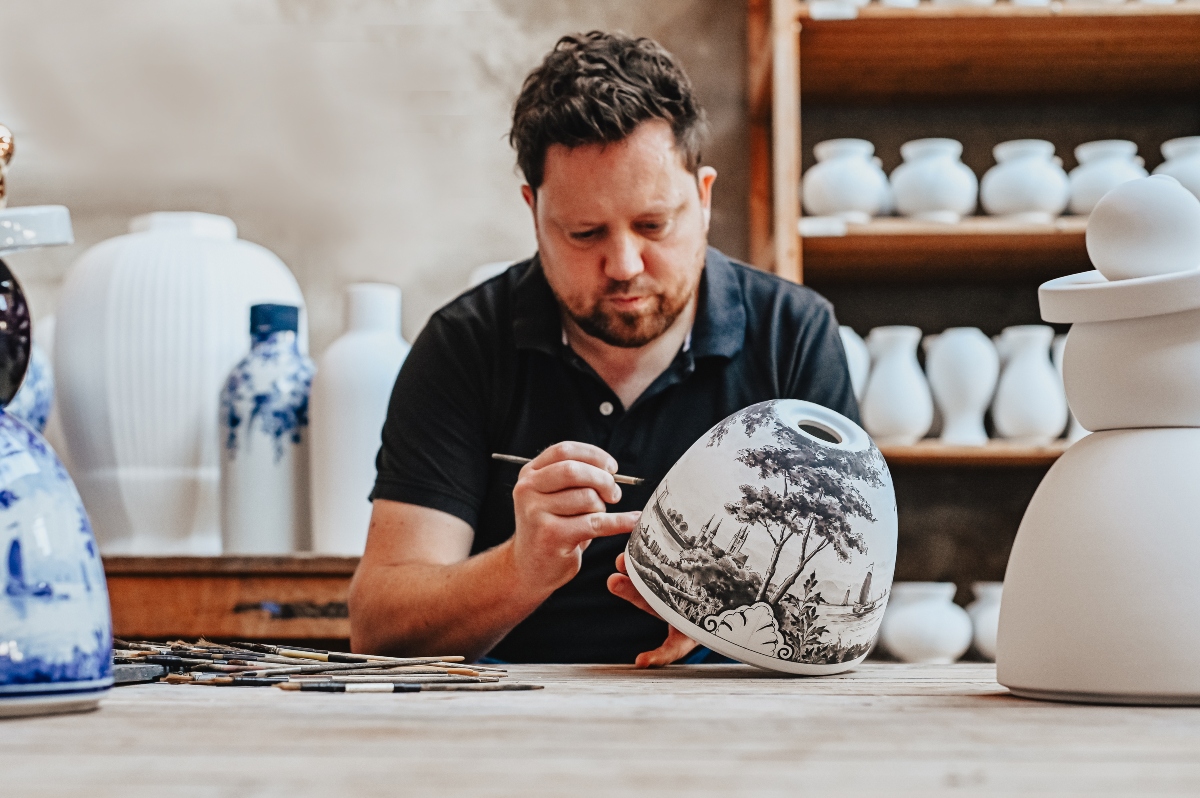
Situated approximately a 35-minute cycle south of The Hague, the historic city of Delft offers a quintessential Dutch streetscape defined by narrow, flower-lined canals and gabled townhouses dating back to the Dutch Golden Age. Delft remains internationally renowned for its hand-painted blue-and-white ceramics, known as Delftware. Visitors can tour historic production facilities such as Royal Delft, established in the 17th century, to observe master artisans executing traditional painting techniques by hand.
The city also integrates industrial history with active recreation; cyclists can park their bicycles at Molen de Roos, an operational 17th-century flour mill that permits public access to its internal mechanisms and retail space, where stone-ground flours and baked goods are sold directly to consumers. Culinary stops in Delft, such as the historic Stads-Koffyhuis, cater to younger visitors with specialized hot beverages while offering traditional regional snacks for adults.
Alternative Itineraries and Accommodations in Amsterdam
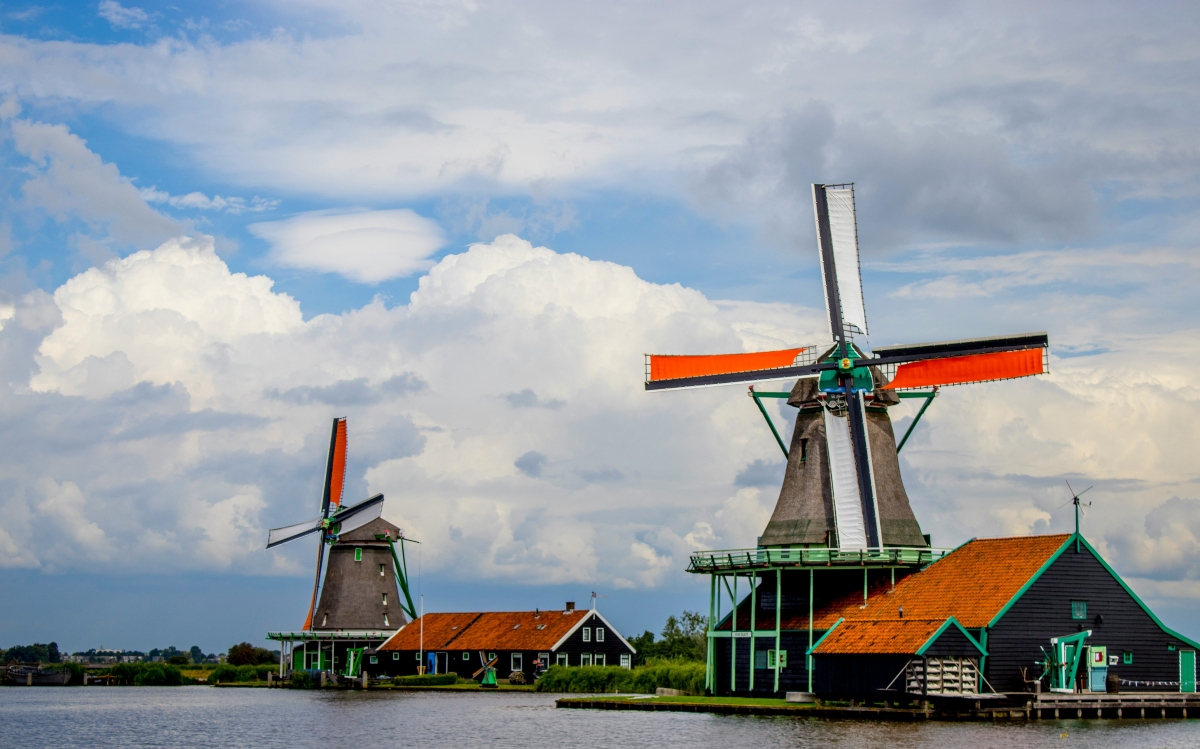
For travelers electing to center their journey in Amsterdam, the municipality offers an extensive array of family-oriented cycling routes and cultural destinations. Beyond the central canal ring, routes leading to Vondelpark or Amstelpark provide expansive green spaces equipped with contemporary playgrounds, paddling pools, and seasonal miniature railways. For a broader historical perspective, a one-hour excursion north of the city brings cyclists to Zaanse Schans, an open-air preservation area featuring functioning historic windmills, traditional wooden houses, and historical craft demonstrations that illustrate regional industrial heritage.
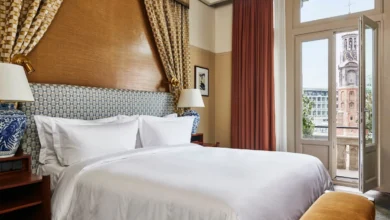
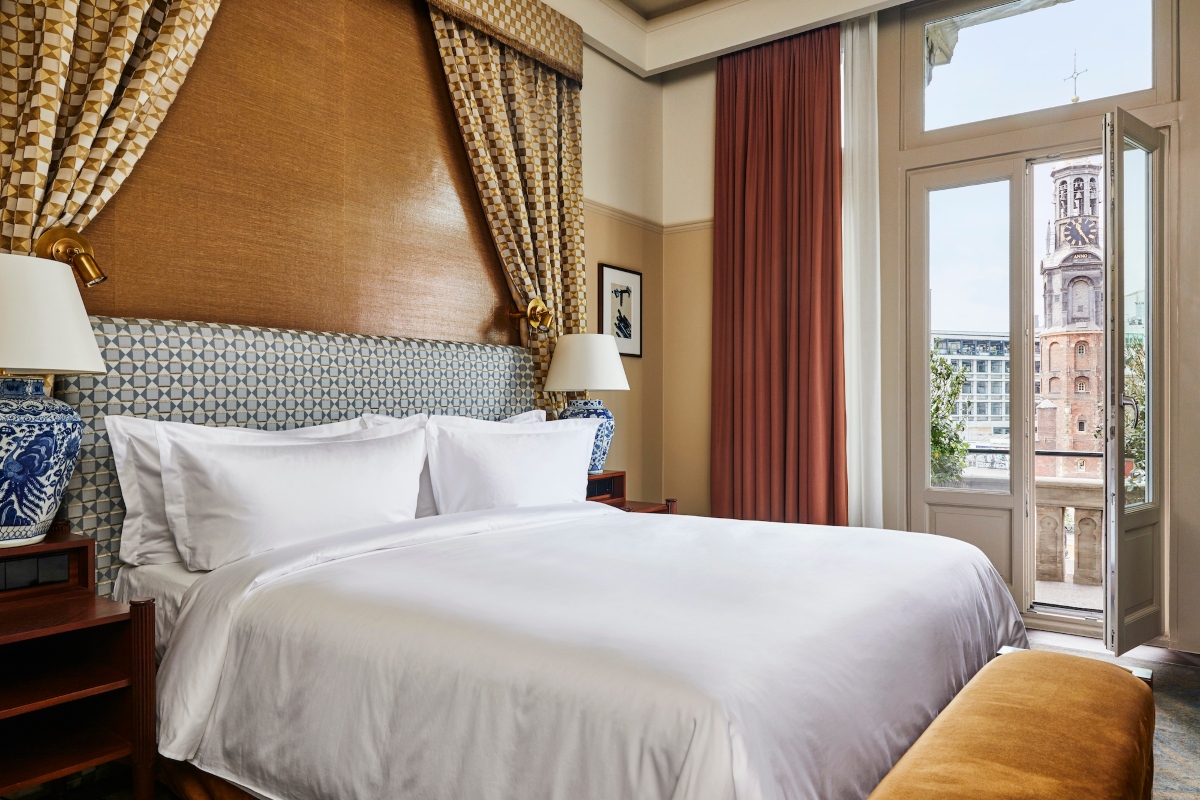
Luxury hospitality providers in Amsterdam have increasingly adapted their service models to accommodate multi-generational family travelers. Properties such as De L’Europe Amsterdam, situated along the Amstel River, offer specialized children’s programming alongside individually curated suites designed in collaboration with cultural institutions like the Van Gogh Museum. On-site bicycle rental services facilitate immediate access to the city’s extensive cycle network, enabling guests to navigate between cultural landmarks without relying on automotive transport.
Socioeconomic and Tourism Implications
The continuous growth of family-oriented cycling tourism in the Netherlands reflects broader European shifts toward sustainable travel and experiential tourism. Municipal tourism boards and economic analysts note that slow-travel models—exemplified by cycling vacations—distribute visitor expenditures more evenly across regional economies, benefiting small-scale hospitality providers, artisanal producers, and suburban communities outside major metropolitan hubs. Moreover, by encouraging non-motorized transit, these tourism initiatives align with national carbon reduction targets and urban sustainability mandates.
Industry experts emphasize that the success of these itineraries depends heavily on the ongoing maintenance and expansion of separated cycling infrastructure. As local authorities continue to invest in digital wayfinding systems, secure bicycle parking facilities, and family-specific rental fleets featuring electric cargo bikes, the accessibility of rural and coastal regions for travelers with small children continues to improve. Consequently, the Netherlands remains a primary case study for integrating active leisure into mainstream family tourism without compromising environmental integrity or local quality of life.