Navigating Barcelona’s Urban Coastline: A Comprehensive Family Beach Guide for Travelers

The urban coastline of Barcelona represents one of the Mediterranean’s most unique geographic and cultural anomalies, where centuries of architectural heritage seamlessly intersect with a sprawling three-mile maritime front. The ability to transition from the intricate, modernist masterpieces of Antoni Gaudí, the medieval labyrinth of the Gothic Quarter, or world-class art institutions to the warm sands of the Mediterranean by midday has long defined the city’s appeal. As urban tourism continues to evolve, municipal authorities, urban planners, and tourism boards have increasingly focused on balancing the commercial success of these vibrant public spaces with the practical, safety, and accessibility needs of diverse demographics, particularly family travelers.
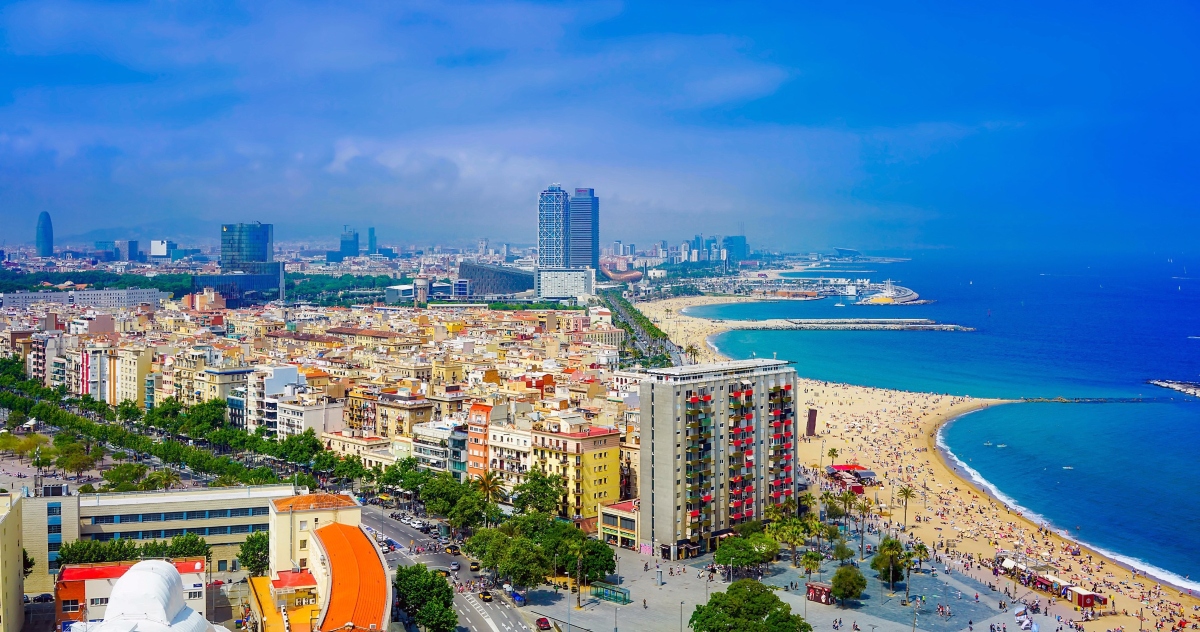
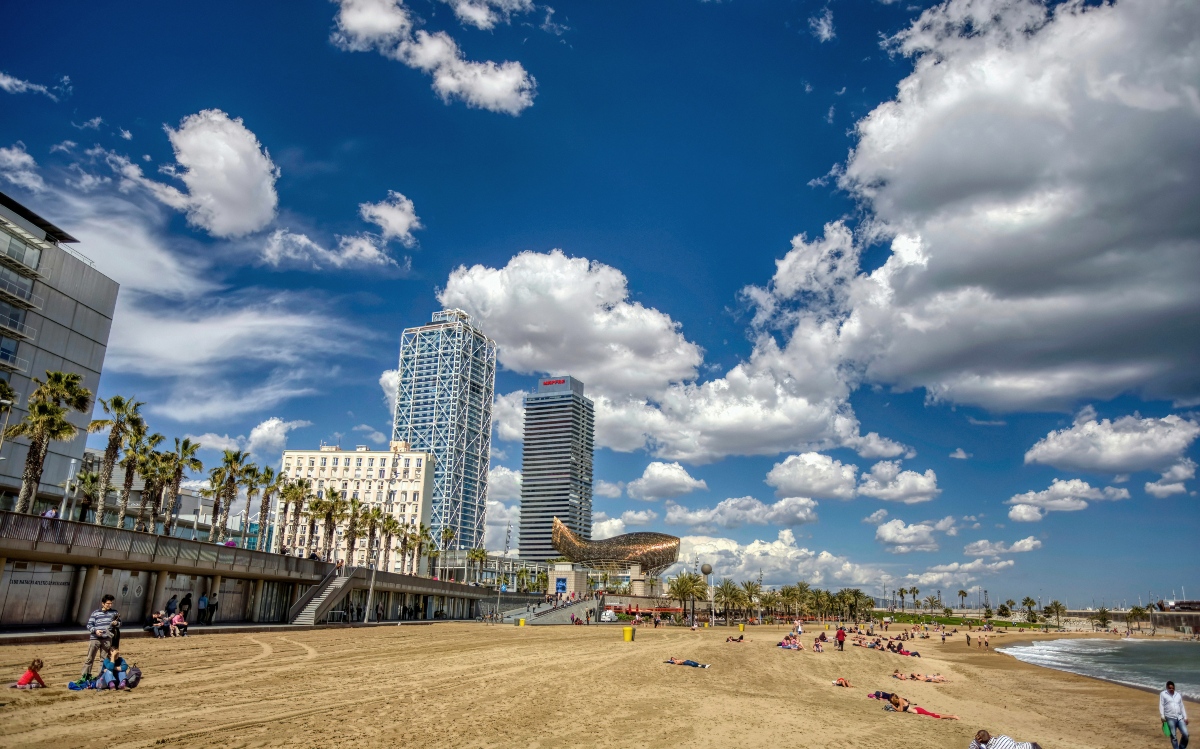
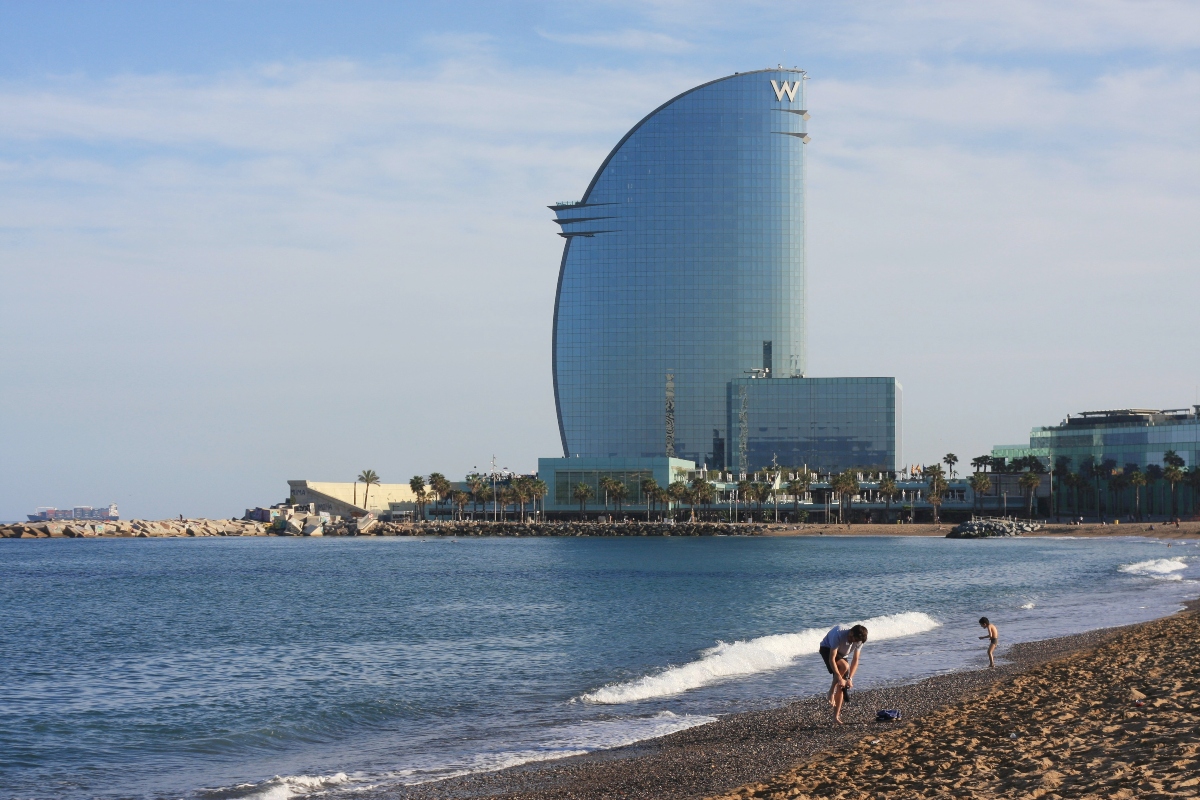
Stretching from the iconic, sail-shaped silhouette of the W Barcelona hotel in the southwest to the Fòrum zone in the northeast, the city’s interconnected series of beaches offers vastly distinct environments. Understanding the operational dynamics, historical context, and infrastructure of each specific stretch is essential for visitors aiming to optimize their coastal itineraries while navigating the complexities of high-density European tourism.
Historical Evolution and Urban Planning of the Barcelona Waterfront
The contemporary layout of Barcelona’s beaches is a relatively modern phenomenon born out of ambitious urban renewal. Prior to the 1992 Summer Olympic Games, the city’s waterfront was largely defined by industrial decay, rail yards, and heavy manufacturing infrastructure that historically cut the metropolis off from the Mediterranean Sea. The Olympic transformation catalyzed a massive infrastructural overhaul, which involved reclaiming industrial land, clearing maritime slums, and artificially importing millions of tons of sand to construct the contiguous string of urban beaches that exists today.
In the decades following the Olympics, municipal management of the coastline has shifted from mere beautification to sophisticated coastal engineering and public management. The installation of underwater breakwaters has helped stabilize the sand against heavy winter storms, while ongoing investments in sanitation, waste management, and accessible infrastructure have elevated the coastline to international environmental standards, frequently earning numerous Blue Flag designations. Recent urban planning initiatives have further emphasized green mobility, expanding the seafront bike paths and pedestrian boardwalks that now link the entire length of the metropolitan shore.
A Stretch-by-Stretch Breakdown for Family Travelers
Navigating the coastline requires an appreciation of how each beach caters to different crowds, age groups, and travel styles. Moving sequentially from southwest to northeast, the distinct operational profiles of the primary family-accessible zones reveal critical insights for visitors.
Sant Sebastià: Historic Charm and Gradual Access
Located directly beneath the shadow of the W Barcelona hotel, Sant Sebastià stands as one of the city’s oldest and most historically significant bathing zones. Bordered by traditional sailing clubs and historic seafood establishments, this wide expanse provides a robust infrastructure for families seeking a balance between cultural exploration and coastal relaxation.
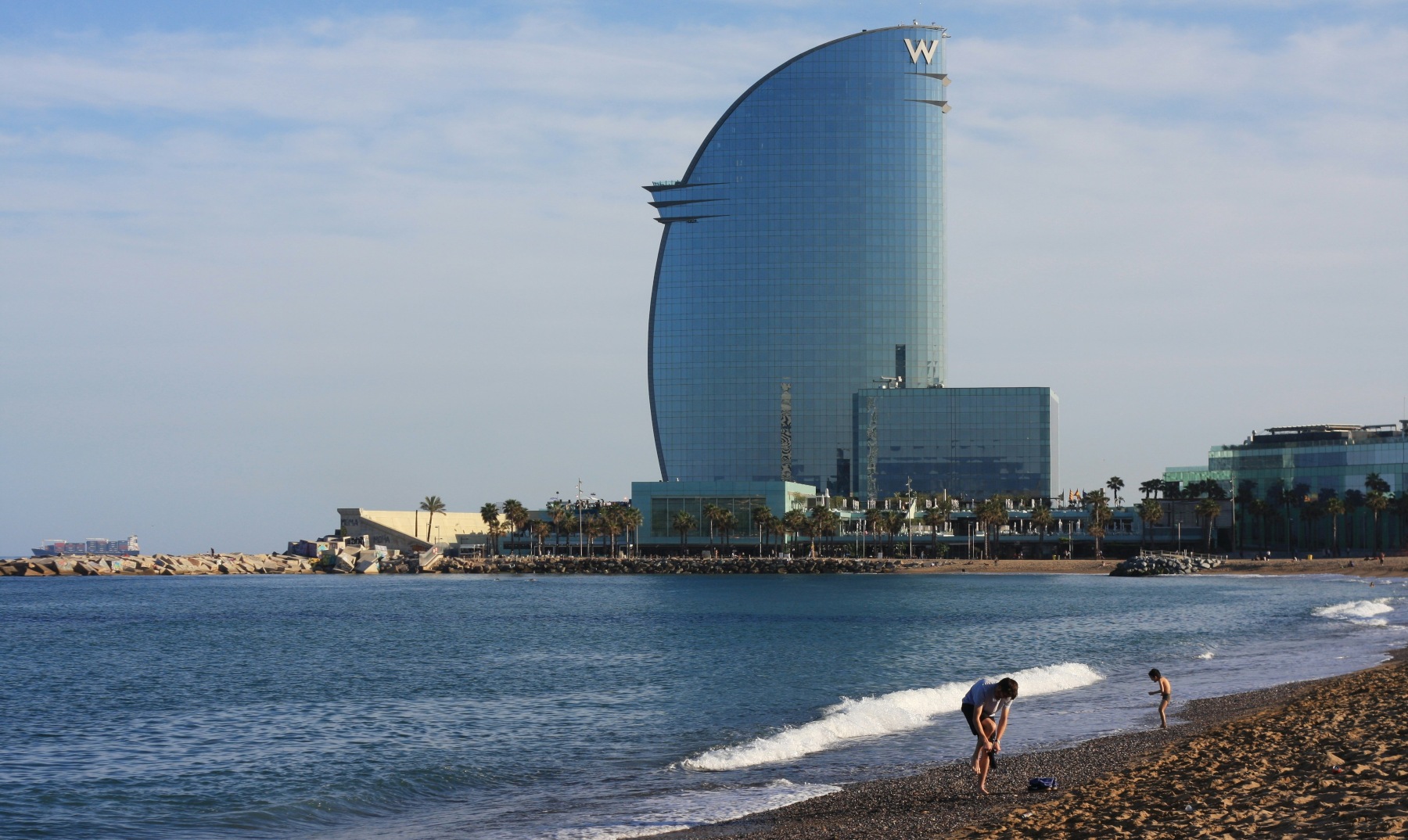
Urban planners note that Sant Sebastià benefits from a wider physical profile and, under calm meteorological conditions, a more gradual slope into the water compared to other central zones. This makes it particularly favorable for families with younger children, provided that oceanographic conditions are favorable. Furthermore, the surrounding neighborhood offers an established culinary infrastructure, allowing visitors to access high-grade dining options without navigating deep into the congested tourist core. Water sports, including paddleboard rentals managed by licensed local concessionaires, cater to families with teenagers looking for structured, active engagements on the water.
Barceloneta and Somorrostro: The High-Energy Central Hubs
Immediately north of Sant Sebastià lie Barceloneta and Somorrostro, leading up to the distinctive twin towers of Port Olímpic. These central segments represent the most heavily visited, socially active, and photographed beaches in the metropolitan area. Historically tied to the traditional fishing quarter of La Barceloneta, these zones pulse with an energetic, youth-oriented atmosphere.
However, urban analysts and family travel experts frequently caution that the high density and vibrant social scene of Barceloneta and Somorrostro can prove overwhelming for families traveling with toddlers or young children. The demographic footprint here skews heavily toward young adults, tourists, and nightlife seekers, particularly during peak afternoon and evening hours in the summer peak season. Local tourism bureaus advise families wishing to experience the historic charm of these central shores to arrive during the early morning hours, typically before peak solar intensity and maximum crowd density are reached.
Nova Icària: The Benchmark for Family-Centric Infrastructure
Situated just north of Port Olímpic, Nova Icària is widely recognized by municipal planners and family travel specialists as the premier family beach within the city limits. This designation is driven by its relatively sheltered positioning, calmer ambient noise levels, and comprehensive municipal services designed specifically to accommodate multi-generational groups.
The physical layout of Nova Icària offers expansive sandy zones that facilitate stress-free half-day or full-day itineraries. Crucially, the beach serves as a vanguard for municipal accessibility initiatives, featuring permanent wooden boardwalks that extend close to the shoreline, drastically easing navigation for strollers, heavy beach gear, and individuals with reduced mobility.
Bogatell: Space, Sport, and Local Community
Further up the coast, Bogatell provides a spacious alternative to the high-density central zones. Spanning a generous length, Bogatell attracts a balanced mix of local residents, recreational athletes, and families. The atmosphere here is noticeably more athletic and community-oriented, characterized by active volleyball courts, extensive usage of the parallel bike and running paths, and a lower concentration of transient party tourism.
For families requiring physical space to spread out, avoid overcrowding, and engage in recreational activities without encroaching on neighboring groups, Bogatell represents a reliable, well-maintained option backed by full lifeguard oversight and standard municipal amenities.
Mar Bella: Inclusive Culture and Adolescent Appeal
Mar Bella occupies the northeastern section of the primary beach strip and is defined by an open, sporty, and progressive cultural ethos. The proximity of the Mar Bella skate park makes this location exceptionally attractive for teenagers and older youth seeking to blend aquatic recreation with urban skate culture.
At the same time, municipal guidelines explicitly note Mar Bella’s long-standing reputation as an inclusive zone that embraces naturist and LGBTQ+ beach cultures. While this diversity is a hallmark of Barcelona’s progressive social fabric, family travel coordinators recommend that parents review these cultural dynamics in advance to ensure the environment aligns with their household’s specific comfort levels.
Municipal Infrastructure, Amenities, and Universal Access
The logistical viability of spending a day on Barcelona’s coastline is heavily supported by the city council’s rigorous public service framework. During the official bathing season—typically stretching from late spring through mid-September—the waterfront is heavily serviced to ensure public health, safety, and comfort.
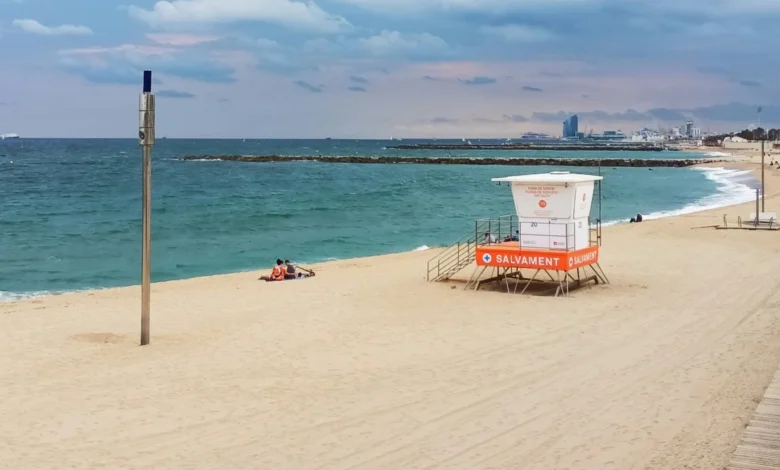
Public restrooms, foot-rinse showers, and centralized lifeguard stations are distributed at regular intervals along the entirety of the three-mile stretch. Additionally, municipal regulations allow visitors to utilize the restroom facilities at licensed beach cafés (xiringuitos) directly on the sand without being mandated to make a commercial purchase, a policy designed to maintain public sanitation standards.
In terms of universal accessibility, Barcelona has invested significantly in transforming its coastline into an inclusive space for all citizens and visitors. Selected beaches, most notably Nova Icària and Bogatell, offer specialized assisted bathing services during peak months. These programs include:
- Dedicated accessible changing rooms and lockers.
- Shaded rest zones specifically designated for individuals with mobility challenges.
- Amphibious floating chairs equipped with specialized flotation supports.
- Trained municipal support personnel to assist disabled visitors with entering and exiting the Mediterranean safely.
While these services represent a high standard in European urban coastal management, officials emphasize that specialized accessibility support often requires advance coordination or reservation during peak summer windows.
Economic and Logistical Considerations: Shade, Rentals, and Safety
Optimizing a coastal excursion in Barcelona requires navigating several logistical factors, ranging from sun protection and equipment rentals to personal security.
Managing Solar Exposure and Equipment Rentals
Natural shade along Barcelona’s urban beaches is virtually nonexistent. To combat intense Mediterranean solar radiation, particularly between June and September, municipal concessionaires operate numerous sunbed and umbrella rental stations tied to the beach cafés. Families planning to remain on the sand for extended periods frequently find these rentals essential. Pricing generally starts at approximately 30 euros per day for two loungers and an umbrella, though rates fluctuate depending on the specific zone and seasonal demand.
Because these rentals operate strictly on a first-come, first-served basis without remote reservation systems, arriving during the morning hours is critical to securing adequate shade during peak tourism months.
Safety Protocols, Marine Flags, and Flag System
The safety of swimmers is monitored by professional municipal lifeguard crews operating from late morning to early evening during the bathing season. Swimming corridors are clearly designated by yellow buoys to separate swimmers from motorized watercraft, paddleboards, and jet skis.
Lifeguards enforce a strict, standardized international flag system to communicate real-time marine and meteorological conditions:
- Green Flag: Indicates safe swimming conditions with calm waters.
- Yellow Flag: Signals caution. This may be deployed due to elevated wave action, strong undertows, sudden drops in water quality, or the presence of marine hazards such as jellyfish. Visitors are strictly advised to consult lifeguards before entering the water under a yellow flag.
- Red Flag: Prohibits swimming entirely due to hazardous sea conditions.
In addition to wave and current hazards, seasonal increases in jellyfish populations along the Catalan coast are closely monitored. Municipal stations display specific advisory warnings when stinging cnidarians are detected near the shoreline, and lifeguards remain the primary resource for immediate first-aid protocols.
Urban Security and Asset Protection
Because Barcelona’s beaches are integrated directly into the urban fabric, petty theft remains a persistent operational challenge for local law enforcement (Mossos d’Esquadra and Guàrdia Urbana). Opportunistic theft targeting unattended bags, electronics, and wallets on the sand is common during peak tourist seasons.
Security experts and tourism authorities strongly advise visitors to adopt preventative measures:
- Leave passports, high-value jewelry, and unnecessary financial assets secured within hotel safes.
- Carry digital copies or smartphone photographs of official identification rather than original documents.
- Bring only minimal cash and essential items to the shoreline.
- Maintain a strict rotating watch over personal belongings whenever members of the party enter the water.
Broader Economic and Environmental Implications
The management of Barcelona’s urban beaches carries significant economic and ecological weight for the region. Tourism statistics indicate that millions of domestic and international visitors utilize the coastline annually, serving as a major anchor for the city’s hospitality, restaurant, and retail sectors. The presence of the xiringuitos and high-end waterfront developments generates substantial municipal revenue and supports thousands of seasonal jobs.
Simultaneously, the high density of human activity places intense pressure on local marine ecosystems and municipal waste management systems. In response, the Barcelona City Council (Ajuntament de Barcelona) has implemented stringent environmental regulations, including comprehensive recycling mandates along the promenade, restrictions on single-use plastics within beach concessions, and regular sand-sifting operations to maintain cleanliness.
As climate change accelerates rising Mediterranean water temperatures and intensifies coastal storm surges, urban planners face ongoing challenges in preserving the structural integrity of the artificial beaches. Future infrastructural adaptations are projected to focus on resilient coastal engineering, enhanced water conservation, and sustainable crowd-management policies to ensure that Barcelona’s coastline remains viable for both local residents and international family travelers for generations to come.