
The global yacht charter industry has long witnessed a seasonal concentration, with July and August traditionally commanding the highest booking volumes across the Mediterranean. However, shifting travel trends and empirical meteorological data indicate that September is rapidly emerging as an equally viable, and often superior, period for maritime tourism. As European coastal regions transition out of peak summer operations, the Mediterranean basin offers an optimal convergence of warm marine temperatures, favorable wind patterns, reduced maritime congestion, and sustained local infrastructure.
Industry analysis from prominent brokerage firms, including 212 Yachts, reveals that charter demand for the shoulder season has grown steadily over the past decade. This shift is largely driven by travelers seeking to bypass the overcrowded marinas, heightened port fees, and high-intensity atmosphere characteristic of mid-summer operations. By examining the operational, meteorological, and economic advantages of a September voyage, industry experts and luxury travel analysts provide a comprehensive perspective on why late-season Mediterranean charters represent a sophisticated alternative for maritime enthusiasts.
Main Facts and Seasonal Meteorological Conditions
The primary driver behind September’s sustained popularity is its unique climatic profile. Unlike land-based destinations where autumn arrives abruptly, the Mediterranean Sea retains the thermal energy accumulated throughout the summer months. Sea surface temperatures in regions such as the Western Mediterranean and the Aegean Sea typically hover between 23°C and 25°C (73°F to 77°F) well into late September, rendering coastal waters ideal for swimming, snorkeling, and the operation of auxiliary water sports equipment.

Furthermore, air temperatures moderate from the stifling heat waves frequently recorded in July and August, settling into comfortable averages ranging from 25°C to 28°C (77°F to 82°F). Meteorological records across key cruising grounds—including the French Riviera, the Balearic Islands, and the Greek Cyclades—demonstrate stable barometric pressure systems and predictable wind conditions during this period. This stability ensures smooth navigation for both motor yachts and sailing vessels, minimizing the weather-related itinerary disruptions that can occasionally affect shoulder-season travel in other global maritime zones.
From an infrastructural standpoint, coastal municipalities, marinas, and high-end establishments across major yachting hubs maintain full operational capacity through the end of September. Unlike October, when seasonal closures become widespread, September guarantees access to premier waterfront restaurants, beach clubs, and historical sites without the exhaustive advance reservation requirements mandated during peak summer weeks.
Chronology and Industry Shift Toward Shoulder-Season Travel
The historical evolution of Mediterranean yacht charters highlights a distinct migration in consumer behavior over the last twenty years. Prior to the early 2000s, the Mediterranean charter calendar strictly mirrored the traditional European school holiday schedule, creating an intense, compressed peak season restricted strictly to July and August.
As the global demographic of luxury travelers diversified—incorporating greater numbers of remote professionals, retirees, and international tourists unconstrained by traditional academic calendars—charter brokers began actively promoting the shoulder seasons of June and September. By the 2010s, structural shifts in airline scheduling and extended marina operations across Italy, France, and Greece cemented September as an established extension of the summer yachting window.

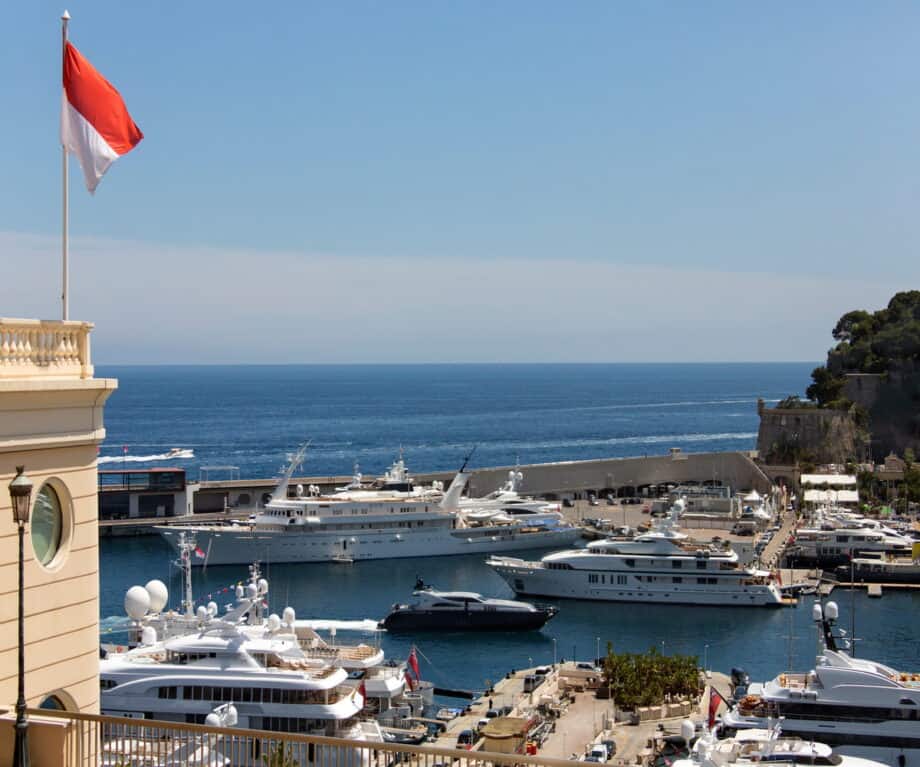
Recent booking data from Mediterranean port authorities illustrate this chronological shift. While July and August continue to record the highest aggregate number of port entries, September has experienced the most significant year-on-year percentage growth in superyacht moorings across major hubs such as Monaco, Cannes, and Mykonos. This trend underscores a broader transition within luxury tourism away from rigid, high-density scheduling toward flexible, extended-season itineraries.
Regional Analysis: The French Riviera and the Greek Islands
Navigating the Mediterranean in September offers distinct geographical advantages depending on the chosen cruising ground. The French Riviera—encompassing iconic ports such as Cannes, Antibes, Saint-Tropez, and the Principality of Monaco—presents a sophisticated blend of urban accessibility and maritime leisure during this month.
During peak summer, the waters surrounding the Lérins Islands off Cannes experience heavy maritime traffic, often complicating anchorage. In September, vessel density decreases noticeably, allowing yacht captains to secure prime anchorages in sheltered bays with greater ease. Ashore, high-end boutiques and culinary establishments operate with reduced wait times, facilitating a more personalized guest experience. Itineraries in this region can seamlessly transition from high-velocity coastal cruising to leisurely afternoon stops in secluded coves, accommodating diverse guest preferences without logistical strain.
Conversely, the Greek Islands present a vastly different maritime landscape characterized by expansive archipelago navigation. While islands such as Mykonos and Santorini draw substantial international attention throughout the summer, September brings a noticeable decline in cruise ship arrivals and large-scale tourist ferries. This reduction in regional maritime traffic significantly enhances the safety and tranquility of navigation through the Cyclades and the Dodecanese.
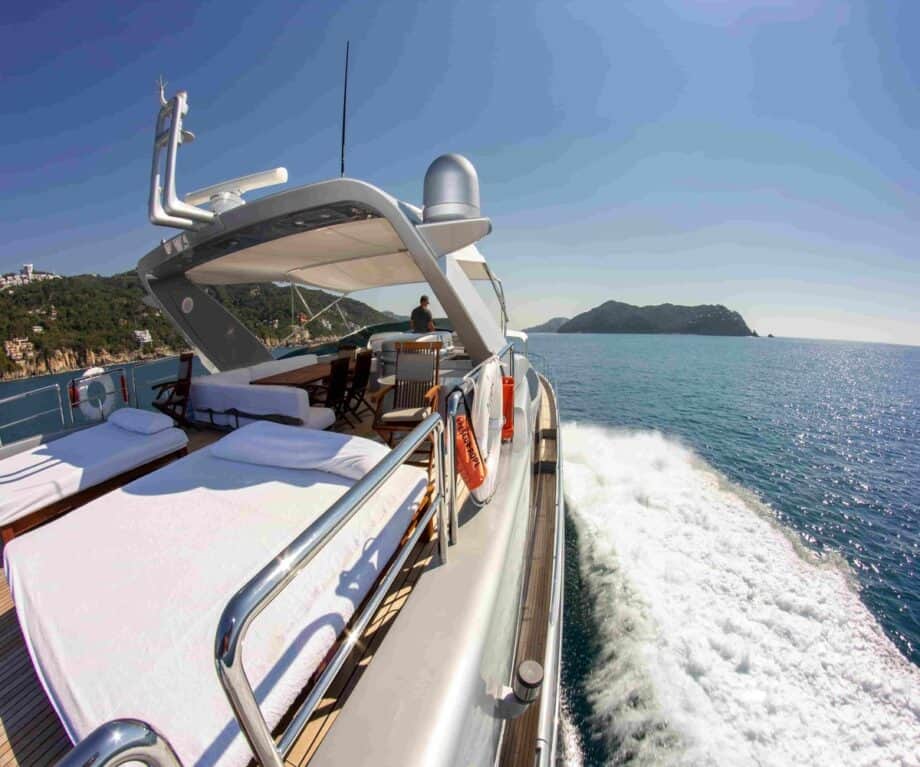
Furthermore, September weather in the Aegean is frequently influenced by lighter, more manageable wind patterns compared to the intense Meltemi winds that can challenge navigation in July and August. This creates an optimal environment for island-hopping itineraries, enabling charter guests to access remote beaches, ancient archaeological sites, and traditional fishing ports with minimal environmental impedance.
Statements and Perspectives from Industry Leadership
Industry stakeholders emphasize that the value proposition of a September charter extends beyond mere weather and crowd control, fundamentally altering the dynamic between the vessel, the crew, and the guest experience.
Jenny Caird, Founder and CEO of 212 Yachts, notes that the operational pace of a charter shifts advantageously during the shoulder season. "When you remove the frantic atmosphere of August, the entire dynamic of the charter changes," Caird observes. "The crew has more operational flexibility, marinas are more accommodating with berth allocations, and guests are not pressured by rigid schedules or crowded shorelines. The yacht transforms from a logistical challenge into a true sanctuary of relaxation."
Marine hospitality experts also highlight the psychological benefits of late-season cruising. Industry surveys consistently indicate that charter clients report higher satisfaction scores regarding crew attentiveness and culinary personalization during September. With fewer concurrent charters in operation, executive chefs and steward service teams on luxury superyachts are able to dedicate more bespoke attention to individual guest preferences, sourcing localized seasonal produce from markets that are less depleted than during peak summer months.
Broader Economic and Environmental Implications
The strategic promotion and utilization of September as a core yachting month carries significant macroeconomic and environmental implications for the Mediterranean basin.
From an economic perspective, extending the tourism season helps mitigate the acute seasonality that has historically burdened coastal economies. By sustaining employment for maritime crews, marina staff, local hospitality workers, and marine service contractors through September, regional economies benefit from a more stable, extended revenue stream. This counteracts the economic volatility associated with an abbreviated, two-month operational window.
Environmentally, decentralized tourism reduces the localized stress placed on sensitive marine ecosystems during July and August. High concentrations of anchoring vessels in popular bays during peak summer months frequently contribute to seabed degradation, particularly damage to Posidonia oceanica seagrass meadows, a vital marine habitat in the Mediterranean. The dispersion of charter traffic into September, combined with stricter local maritime regulations enforced by port authorities, allows for more sustainable management of coastal ecosystems.
Strategic Planning and Considerations for Charterers
For individuals and corporate groups evaluating a Mediterranean yacht charter, strategic preparation remains essential, even in the shoulder season. While September offers greater flexibility and availability compared to mid-summer, highly sought-after superyachts and specific berth allocations in premier ports still require advance coordination.
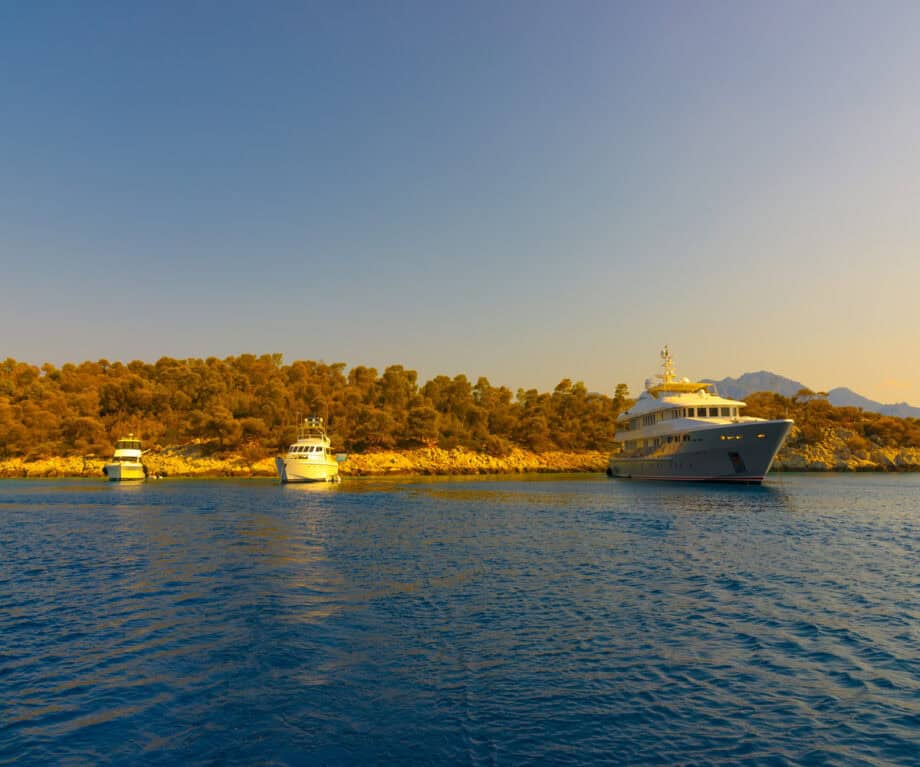
Clients are advised to define their primary objectives prior to booking—balancing active itineraries involving multiple island stops or coastal destinations against stationary relaxation centered around the vessel’s amenities. Additionally, charterers should consult with experienced brokers regarding regional microclimates, as western and eastern Mediterranean basins can exhibit distinct meteorological variations late in the year.
Ultimately, a September yacht charter redefines the Mediterranean travel experience, proving that the region’s maritime appeal is not bound strictly to the calendar peaks of summer. By combining optimal environmental conditions, enhanced operational flexibility, and a more deliberate pace of travel, late-season cruising offers a refined methodology for experiencing one of the world’s premier maritime destinations.