Many travelers fly into Morocco without realizing how seamless it is to extend their trip to neighboring countries and overseas territories. Morocco occupies a unique geopolitical position as a gateway between the African continent and Europe, anchored by the Strait of Gibraltar to the north and the expansive Sahara to the south. While the country is a premier destination in its own right, its strategic location facilitates diverse multi-country itineraries. By leveraging ferry networks, direct aviation links, and established overland routes, international visitors can integrate the southern reaches of Europe, the volcanic archipelagos of the Atlantic, and the depths of the Western Sahara into a single, cohesive travel experience.
The Geopolitical Context of Moroccan Connectivity
The Mediterranean Basin serves as a historical and contemporary nexus for trade and tourism. Morocco’s integration into the regional transport grid is a result of decades of infrastructure development, particularly in port modernization and airport expansion. The Strait of Gibraltar, separating the Iberian Peninsula from North Africa, remains one of the world’s most active maritime corridors. For international travelers, particularly those from the European Union, the United Kingdom, and North America, the lack of stringent visa requirements for short-term stays (typically 90 days) significantly reduces the friction associated with multi-destination transit.
Maritime Connectivity: The Strait of Gibraltar Corridor
The ferry network connecting Morocco to Spain acts as a primary artery for regional tourism. Major ports in Morocco, including Tangier Med and the historic port of Tangier Ville, handle millions of passengers annually. These routes provide a vital link to the Spanish ports of Algeciras and Tarifa.

Recent data indicates that the maritime routes are not merely functional but are essential to the economic integration of the region. Operators such as FRS (DFDS), Balearia, and Armas maintain high-frequency schedules, often running dozens of crossings per day during peak summer months. For the traveler, this offers extreme flexibility. A passenger can depart Tangier in the morning and arrive in Andalusia by midday, effectively transitioning from the Islamic architecture of the Medina to the Renaissance cathedrals of Spain within a few hours.
The Unique Status of Ceuta and Melilla
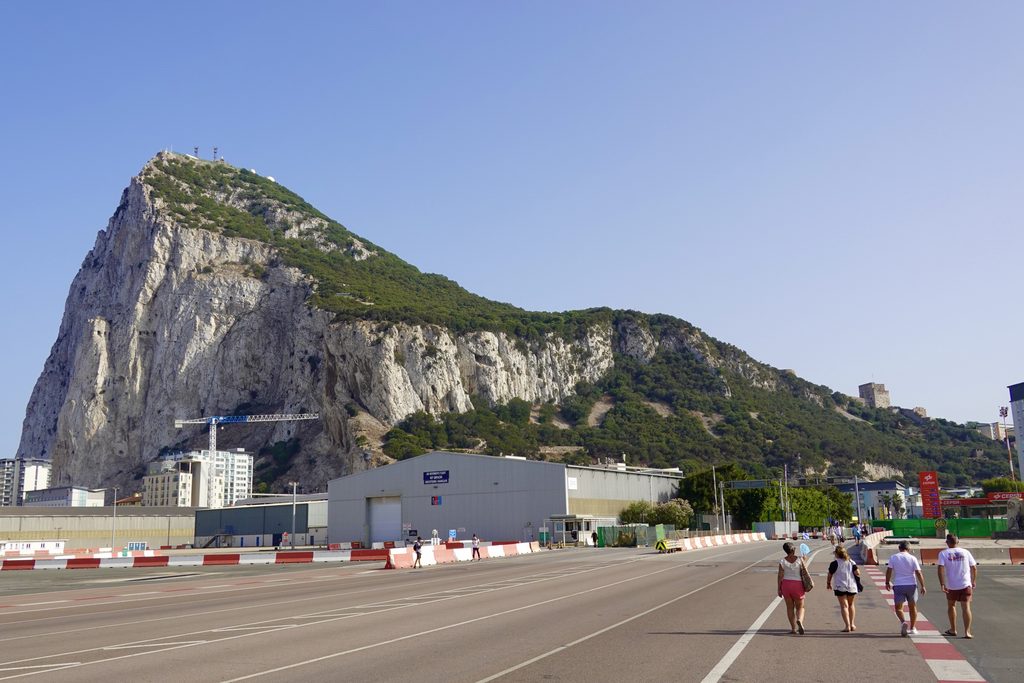
A critical element of any regional itinerary is understanding the status of Ceuta and Melilla. These two autonomous Spanish cities are located on the North African coast, sharing land borders with Morocco. Unlike the rest of the Moroccan territory, these cities are under Spanish sovereignty and, by extension, are part of the European Union and the Schengen Area.
Historically, these cities have functioned as European enclaves since the 15th and 16th centuries. For the traveler, crossing from Morocco into these cities is a formal international border crossing. Immigration officials conduct full passport checks, and customs regulations follow EU directives. This nuance is vital for travelers planning their logistics; while the cities offer a unique blend of Spanish and North African culture, they represent a definitive shift into European legal jurisdiction.
Aviation Links and the Canary Islands
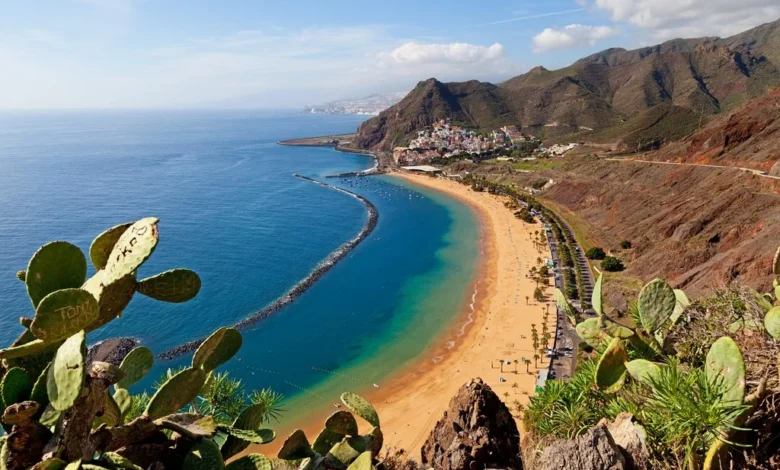
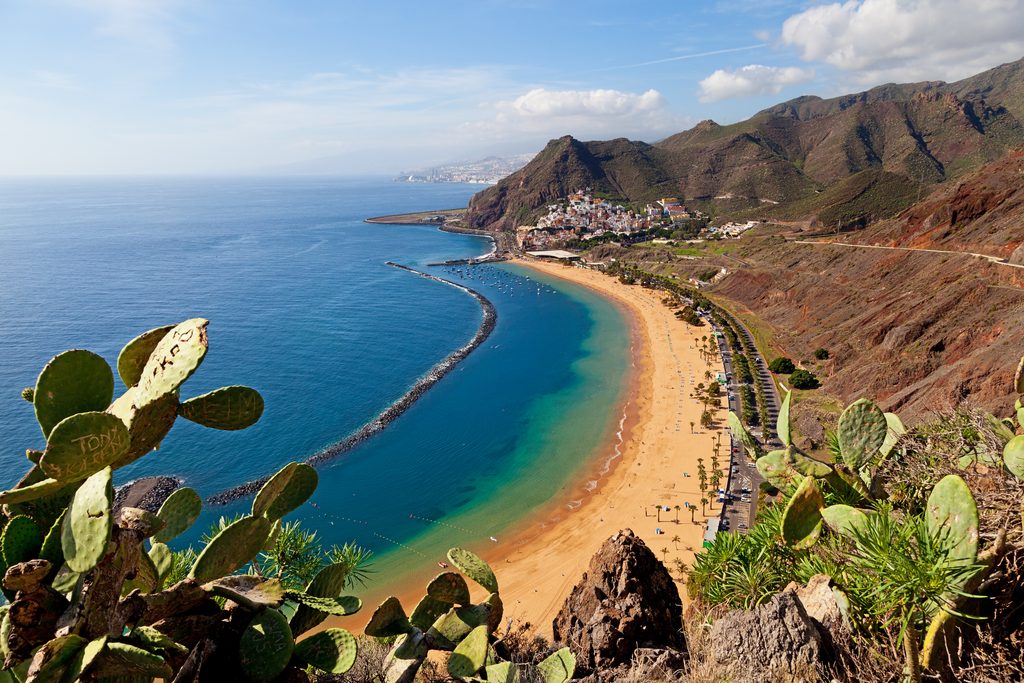
Beyond maritime routes, the aviation sector has expanded rapidly. Morocco’s major airports—Casablanca (Mohammed V International), Marrakech-Menara, and Tangier Ibn Battouta—are well-connected to European hubs. Budget carriers have transformed the accessibility of the Canary Islands. Though geographically situated off the coast of Morocco, these islands are part of Spain.

The proximity is striking; flight times from southern Morocco to the Canary archipelago can be as short as 60 to 90 minutes. These islands, formed by volcanic activity, provide a distinct environmental contrast to the arid landscapes of mainland Morocco. The integration of these islands into a broader itinerary allows for a diverse journey that covers metropolitan Moroccan centers, the Atlas Mountains, and the subtropical climate of the Atlantic islands.
Strategic Challenges: The Western Sahara and Mauritania
Travel into the southern regions of Morocco and beyond requires a higher degree of logistical planning and risk assessment. The Western Sahara is a territory with a complex political status; while it is administered by Morocco, its sovereignty remains a subject of international diplomatic debate.
The city of Dakhla has emerged as a significant hub for adventure tourism, particularly for kitesurfing and marine research. However, travelers venturing this far south must be aware that infrastructure becomes increasingly sparse. Moving further south into Mauritania requires crossing the border at Guerguerat. This crossing is characterized by long stretches of "no-man’s land" and necessitates adherence to rigorous border protocols.
Safety remains the primary consideration for travelers heading into Mauritania. Diplomatic advisories from various nations often highlight the remote nature of the region, the potential for political instability, and the scarcity of medical and emergency services. This route is typically reserved for experienced travelers with robust logistical support and a clear understanding of the local environment.
The Closed Border: Morocco and Algeria
A vital aspect of regional travel planning is the acknowledgment of the closed border between Morocco and Algeria. Since 1994, the land border has been closed due to long-standing diplomatic tensions. This closure is absolute; there are no authorized land crossings, and direct air travel between the two nations is currently suspended.
For travelers who wish to visit both Morocco and Algeria, the only viable route is to transit through a third-party country, most commonly France or Tunisia. Failure to account for this reality can lead to significant disruptions in travel schedules, as many travelers mistakenly assume regional proximity implies border permeability.
Economic and Cultural Implications of Cross-Border Tourism
The ease of transit between these regions facilitates a "cross-pollination" of cultures. The influence of Andalusian art in Morocco is a direct result of centuries of migration and trade, while the modern presence of European tourists in North Africa continues to shape the service and hospitality industries.
From an economic perspective, the fluidity of movement between Morocco and Europe supports the regional tourism sector, which accounts for a substantial percentage of Morocco’s GDP. The development of high-speed rail in Morocco (the Al Boraq line) and the continuous expansion of the Tangier Med port reflect a national strategy aimed at becoming a logistical bridge between two continents.
Practical Advice for the Multi-Country Traveler
For those planning to traverse these borders, preparation is the difference between a seamless experience and a logistical complication.
- Document Readiness: Ensure passports have at least six months of validity beyond the date of intended departure. While many European travelers do not require a visa for Morocco, requirements for Mauritania can be more stringent and often involve pre-arranged permits.
- Seasonal Logistics: Ferry schedules are subject to change based on weather conditions in the Strait of Gibraltar. During winter months, high winds can occasionally lead to cancellations. Always verify schedules with operators 24 to 48 hours prior to departure.
- Connectivity: While roaming services are improving, purchasing a local SIM card in each country or utilizing an international eSIM provider is recommended for reliable navigation and translation services, especially when moving between different linguistic zones.
- Advisory Monitoring: Always consult the official travel advisories issued by your home country. These documents are updated in real-time and provide the most accurate information regarding political stability and safety in border regions.
Conclusion
Expanding a Moroccan itinerary to include Spain, the Canary Islands, or the southern Saharan regions offers a deeper understanding of the complex ties that bind these territories together. The journey is not merely about moving from one geographic location to another; it is about observing the subtle shifts in culture, language, and geography that occur across these historical borders. By approaching these transitions with thorough preparation and a respect for the local geopolitical realities, travelers can gain a perspective on North Africa and the Mediterranean that is both nuanced and profoundly rewarding. The infrastructure for such a journey is in place, inviting the modern explorer to see beyond the conventional limits of a single-destination vacation.