Historical Foundation and the German Influence
The arrival of German immigrants in the mid-19th century was the direct result of the "Ley de Inmigración Selectiva," a government initiative enacted by the Chilean state in 1845 to stimulate economic development in the southern territories. The arrival of these settlers, many of whom were skilled artisans and brewers, transformed the local landscape.
In 1851, Carlos Anwandter, a prominent immigrant and businessman, established one of Chile’s first commercial breweries in Valdivia. Anwandter’s impact extended beyond commerce; he was a pivotal figure in the development of the city’s infrastructure and educational systems. His residence on Isla Teja—a river island that now functions as a hub for both academia and leisure—stands as one of the few colonial-era structures to remain standing following the seismic devastation of 1960. While Anwandter’s original brewing facility did not survive the 20th century’s turbulent history, the cultural imprint left behind remained dormant until the 1990s, when Armin Kunstmann revived the craft, eventually scaling the operation into a cornerstone of the national beverage industry.
The 1960 Great Chilean Earthquake: A Geological Pivot
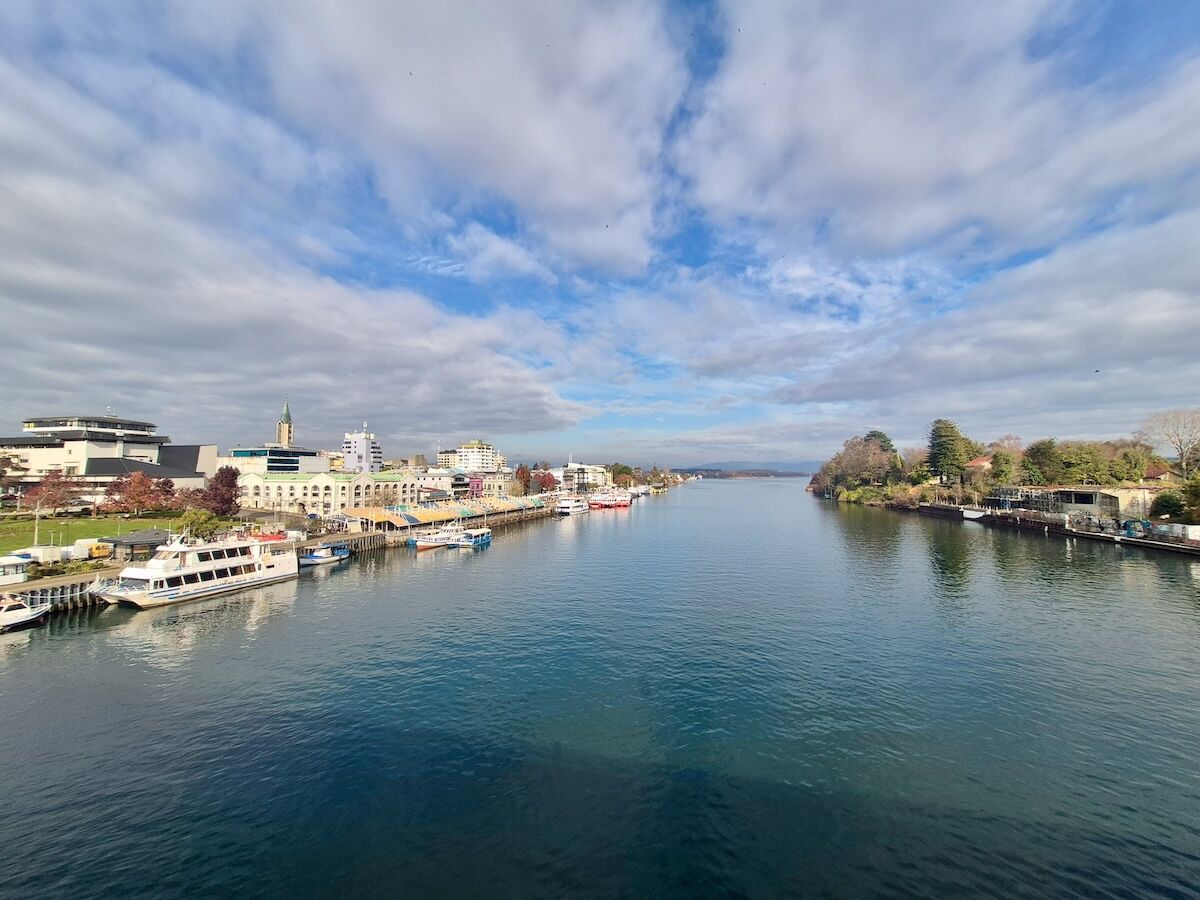
To understand the contemporary landscape of Valdivia, one must account for the Valdivia earthquake of May 22, 1960. With a magnitude of 9.5 on the moment magnitude scale, it remains the most powerful earthquake ever recorded. The event did not merely destroy infrastructure; it fundamentally altered the region’s topography. The land in and around the city subsided by as much as 6.5 feet (2 meters), causing the rivers to expand and transforming previously dry pastures into the extensive wetlands that characterize the area today.
This geological shift had profound long-term implications for the local environment. The creation of the Estancilla wetland and the expansion of the river system provided the unique water sources that modern breweries, such as Cervecería Kunstmann, rely upon. The water chemistry of this region, influenced by the surrounding Valdivian rainforest, is frequently cited by brewers as a primary factor in the distinctive profile of the local lagers and ales.
Brewing as an Economic and Cultural Driver
The modern brewing industry in Valdivia is a sophisticated blend of heritage and innovation. Cervecería Kunstmann has institutionalized this history through an on-site museum that documents the lineage of brewing in the region, providing visitors with a chronological look at the technological evolution from 19th-century manual production to contemporary automation.
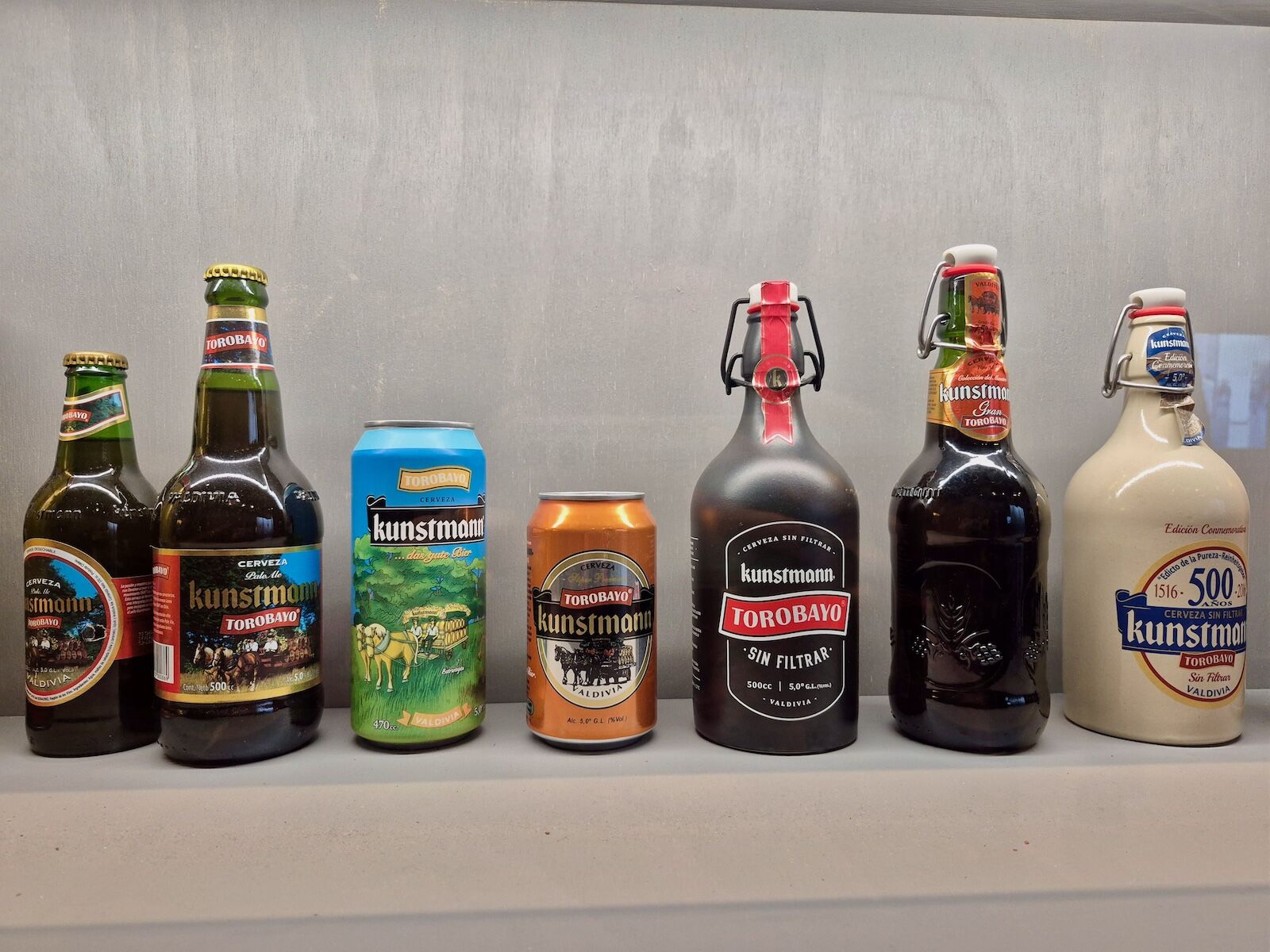
Beyond the heritage lagers, the city’s beer scene has undergone a structural shift toward craft diversification. Establishments like El Growler, founded by Oregon-native Joel Driver, exemplify the integration of North American and European brewing philosophies. These brewpubs operate on a model that emphasizes high-frequency rotation of styles—including IPAs, stouts, and experimental ales—which are increasingly finding a market among both the local population and international tourists.
Data from the regional tourism board indicates that the annual Kunstmann Bierfest, held between late January and early February, acts as a critical economic catalyst. The festival, modeled after Munich’s Oktoberfest, attracts tens of thousands of visitors, contributing significantly to the service sector, hospitality, and local transport networks. This event highlights the effectiveness of "event-led tourism" in regional Chilean cities, where localized festivals serve to extend the peak tourism season beyond the traditional summer months.
Maritime Heritage and Infrastructure
Valdivia’s status as a city defined by water extends to its military and naval history. The O’Brien, a decommissioned Oberon-class submarine commissioned by the Chilean Navy in the 1970s, serves as a testament to the city’s strategic importance. Originally constructed in Scotland and transferred to Chilean service in 1974, the vessel was decommissioned in 2001 and subsequently transitioned into a museum. The submarine offers a technical look at maritime engineering, requiring visitors to navigate the narrow confines of the torpedo compartments and engine rooms.
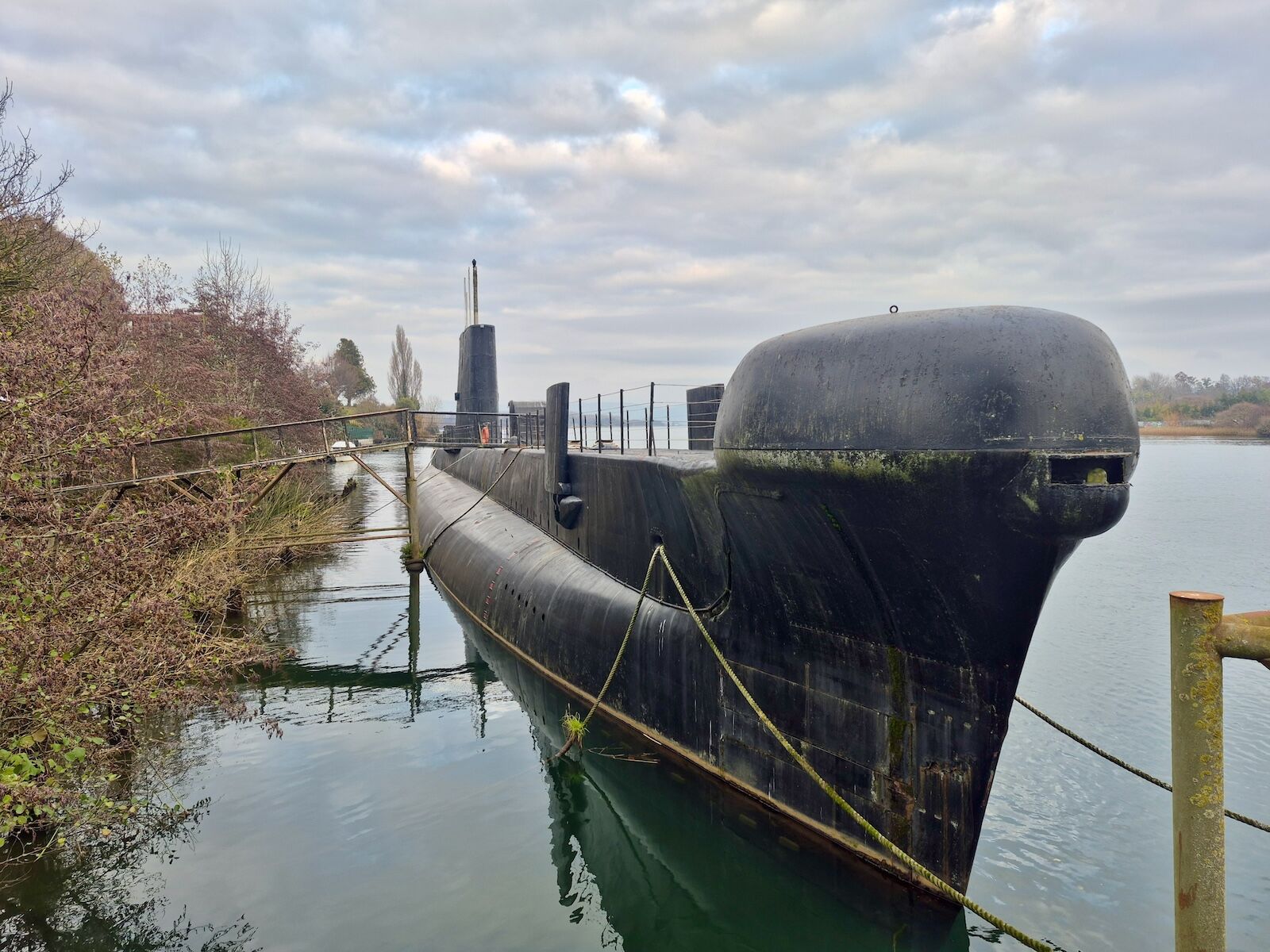
The presence of the O’Brien, coupled with the ruins of the Castillo de Niebla—a 17th-century fortification designed to protect the entrance to the Valdivia river network from foreign naval incursions—provides a dual-layer narrative of defense. The Castillo de Niebla, in particular, illustrates the historical significance of the Valdivia river mouth, which was once the most fortified port in the Spanish Empire’s southern territory. Today, these sites are integrated into the city’s tourism infrastructure, with public transport (micros) and private river cruises facilitating regular access between the urban center and the coastal hamlet of Niebla.
Socio-Environmental Dynamics: The Sea Lion Population
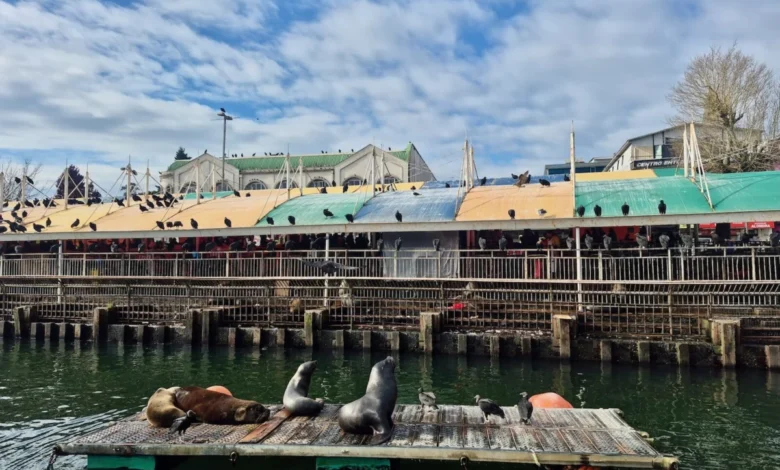
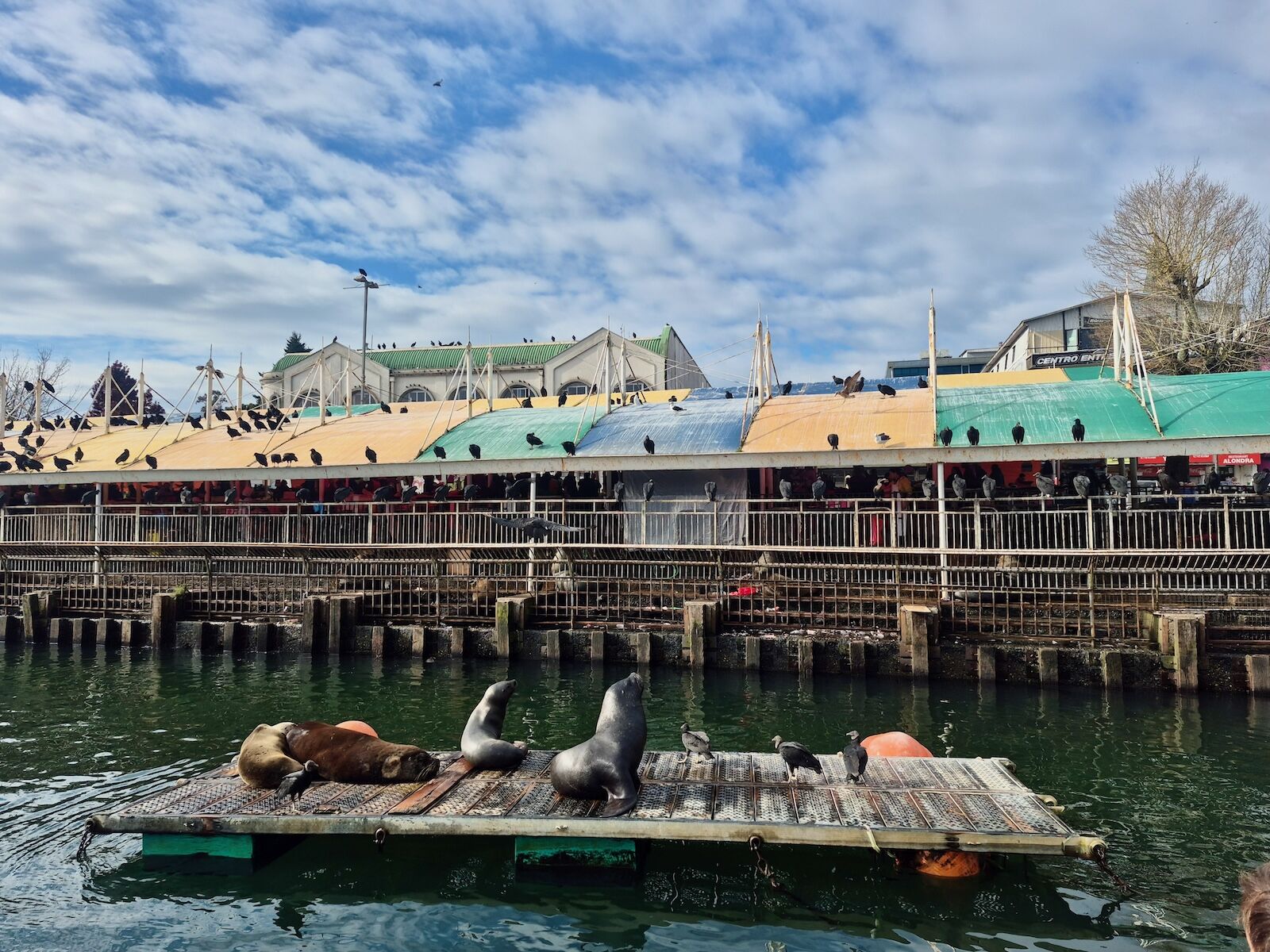
The interaction between human urban centers and the local ecosystem is perhaps most visible in the presence of Otaria flavescens, or the South American sea lion. These mammals are a permanent fixture of the Mercado Fluvial, where they congregate to scavenge fish scraps.
This interaction is not merely a tourist attraction; it represents a delicate ecological balance. Environmental authorities and local NGOs have periodically monitored the population to ensure that the proximity to human activity does not result in behavioral shifts or health risks to the colony. The sea lions are essentially an unofficial municipal mascot, embodying the "city of water" theme that permeates the regional branding.
Logistics and Future Outlook
Accessibility to Valdivia has been a focal point for regional development. The Pichoy Airport serves as the primary aerial gateway, while the city’s connectivity via the Carretera Austral and the national bus network (serviced by companies like Turbus and FlixBus) ensures that Valdivia remains a key stop for travelers navigating the Los Ríos and Los Lagos regions.
From an urban planning perspective, the integration of Isla Teja into the city’s cultural life—hosting the Universidad Austral de Chile, luxury hotels like the Hotel Puerta del Sur, and a growing concentration of craft beer establishments—demonstrates a successful model of adaptive reuse. The island, which was once primarily agricultural, has become a high-value district that balances residential needs with the demands of a growing tourism sector.
The implications for the region remain positive, provided that the current trajectory of sustainable growth is maintained. The synthesis of historical military sites, geological heritage, and a thriving, diverse brewing industry provides Valdivia with a resilient economic foundation. As the city looks toward the future, the challenge lies in managing the influx of visitors while preserving the wetlands and riverine ecosystems that serve as the foundation for both its environmental identity and its signature beverage industry. The continued investment in bilingual guided tours, infrastructure for maritime exploration, and the promotion of the craft beer corridor suggests that Valdivia will remain a significant point of interest in the Southern Cone for the foreseeable future.
Related posts: